
English
- English
- Español
- Português
- русский
- Français
- 日本語
- Deutsch
- tiếng Việt
- Italiano
- Nederlands
- ภาษาไทย
- Polski
- 한국어
- Svenska
- magyar
- Malay
- বাংলা ভাষার
- Dansk
- Suomi
- हिन्दी
- Pilipino
- Türkçe
- Gaeilge
- العربية
- Indonesia
- Norsk
- تمل
- český
- ελληνικά
- український
- Javanese
- فارسی
- தமிழ்
- తెలుగు
- नेपाली
- Burmese
- български
- ລາວ
- Latine
- Қазақша
- Euskal
- Azərbaycan
- Slovenský jazyk
- Македонски
- Lietuvos
- Eesti Keel
- Română
- Slovenski
- मराठी
- Srpski језик

Wholesale Carbon Fiber Composite Mat from China Supplier
Yuruis Carbon Fiber Composite Mat is a non-woven carbon fiber material for composite manufacturing and specialized industrial applications. Taizhou Yuruis New Materials Co., Ltd. supplies mat materials for applications where flexible fiber coverage, material integration and the requirements of the finished composite structure need to be considered together.
About the Material
Unlike woven carbon fiber fabric, this material does not use a regular interlaced weave pattern. Carbon fibers are distributed within a non-woven mat structure, providing a different material format for composite lay-up and component manufacturing.
This structure can be considered when manufacturers need carbon fiber coverage without a defined woven pattern. The actual suitability depends on the required material weight, thickness, flexibility, dimensions and manufacturing process.
Material Characteristics
The characteristics of a non-woven mat can influence how it is handled and incorporated into a composite structure. Key factors include:
|
Factor |
Consideration |
|
Fiber distribution |
Determines how carbon fibers are distributed across the material and contributes to overall coverage. |
|
Flexibility |
Important for handling and positioning over curved, irregular or contoured surfaces. |
|
Material weight |
Should correspond with the required amount of reinforcement and the overall laminate design. |
|
Thickness |
Needs to fit the intended layer structure and available space within the finished component. |
|
Dimensions |
Affects cutting, handling and material utilization during composite production. |
Where It Can Be Used
The material can be evaluated for composite products where a non-woven carbon fiber layer is required. Potential applications include:
Automotive components
Industrial composite products
Lightweight structures
Equipment housings
Functional composite components
Customized CFRP parts
The appropriate material should be selected according to the component design, production method and required properties rather than the application name alone.
Choosing the Right Material
Carbon fiber materials serve different roles in composite manufacturing. A non-woven mat may be considered when the application calls for flexible coverage or a material structure without a defined woven pattern.
For applications requiring controlled fiber orientation, a woven construction may be more appropriate. Carbon Fiber Surface Mat can be considered for surface-oriented requirements, while Carbon Fiber Prepreg is supplied with resin already incorporated. The choice depends on how the reinforcement will be integrated into the finished component.
Composite Manufacturing
Depending on the material specification and production process, the mat can be positioned as part of a multilayer composite structure before resin application and curing. Manufacturers can determine its placement according to the required laminate configuration and component design.
For production planning, factors such as material dimensions, weight, thickness, cutting requirements and order quantity should be confirmed in advance. These details help ensure that the supplied material fits the intended manufacturing process.
Yuruis Carbon Fiber Materials
Taizhou Yuruis New Materials Co., Ltd. develops and supplies fiber composite materials for automotive, construction, new energy and other industrial applications. Its carbon fiber range includes composite mat, surface mat, woven fabric and other reinforcement formats.
Customers can provide the intended application, required dimensions, material weight, thickness, production process and quantity when sourcing. Yuruis can then discuss the appropriate material specification based on the actual composite manufacturing requirements.
FAQ
What is Carbon Fiber Composite Mat?
It is a non-woven carbon fiber material used as a reinforcement or functional layer in composite manufacturing and specialized industrial applications.
What is the difference between mat and woven carbon fiber fabric?
Mat uses a non-woven fiber structure, while woven fabric consists of interlaced yarns arranged in a defined weave pattern. The two formats are selected according to different manufacturing and laminate requirements.
What should be specified when sourcing the material?
Common requirements include material weight, thickness, dimensions, flexibility, application, production process and order quantity.
Can Yuruis supply customized specifications?
Customized requirements can be discussed according to the intended application, material dimensions, weight, thickness and manufacturing process.
- View as
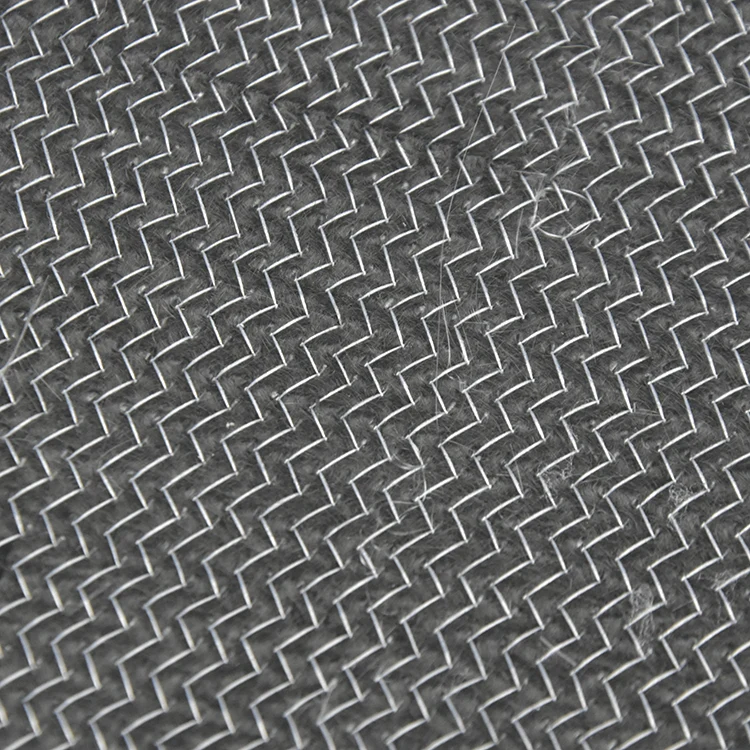
480g Carbon Fiber Composite Mat
Need more reinforcement in each layer without adding a separate carbon fiber surface mat? Yuruis 480g Carbon Fiber Composite Mat provides a higher-weight composite mat for manufacturers producing molded CFRP parts, composite panels and industrial components, with factory quotation and production specifications available according to project requirements.
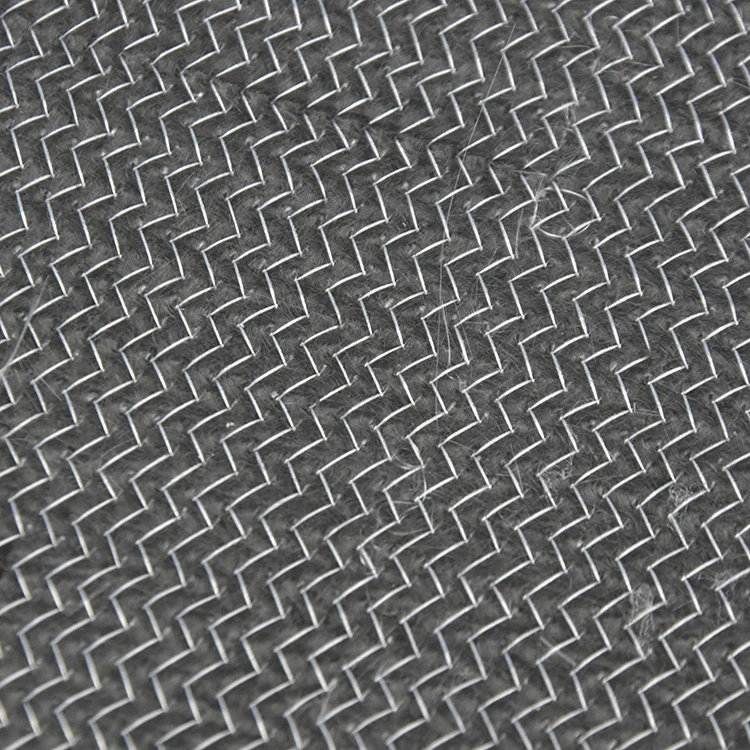
470g Carbon Fiber Composite Mat
Yuruis 470g Carbon Fiber Composite Mat is intended for composite manufacturers that need a higher reinforcement loading with an integrated carbon fiber surface layer. With 450 g/m² chopped roving and 20 g/m² carbon fiber mat, it is suitable for CFRP molded parts, composite panels and industrial components where reinforcement level, surface finish and production efficiency need to be considered together. Yuruis supports factory supply, bulk orders and project-based quotation for this specification.
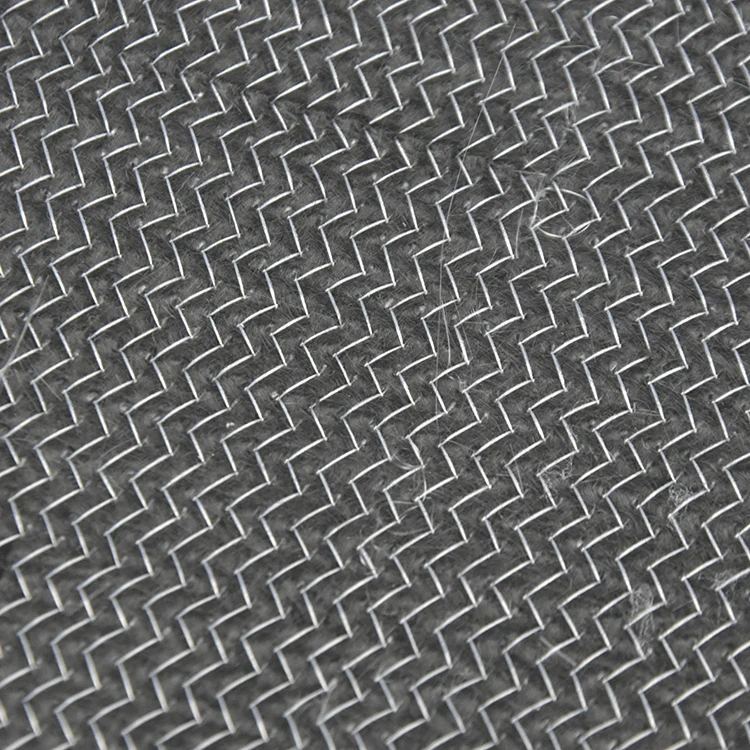
410g Carbon Fiber Composite Mat
For customers comparing reinforcement levels around 400 g/m², Yuruis 410g Carbon Fiber Composite Mat EMKC410 pairs 380 g/m² chopped roving with a 30 g/m² carbon fiber mat, and quotation requests can be based on the required width and order volume.
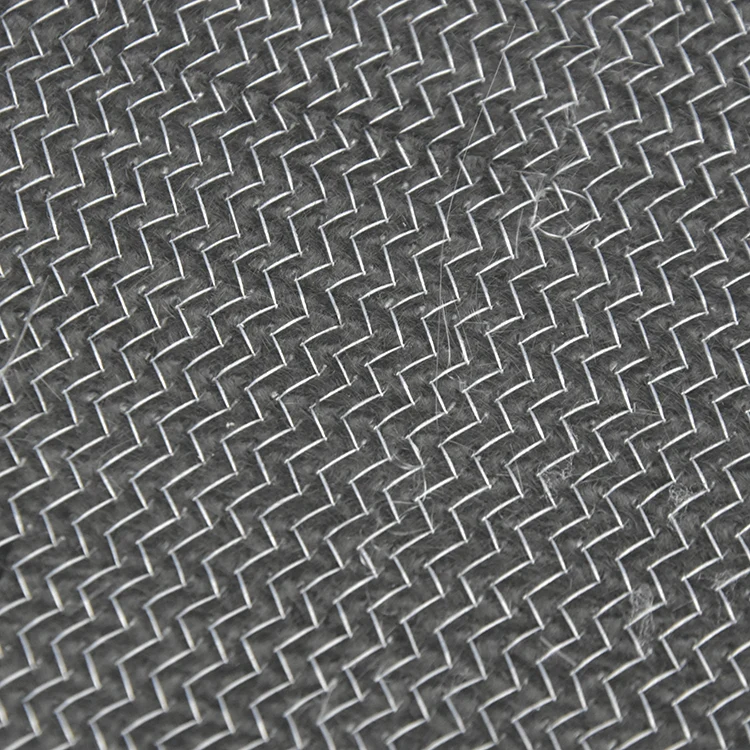
400g Carbon Fiber Composite Mat
For composite manufacturers working with lightweight structural panels, molded CFRP parts and surface-finished components, Yuruis 400g Carbon Fiber Composite Mat offers a combined reinforcement and carbon fiber surface layer in one material. The EMKC400 grade is available for bulk orders, factory supply and quotation requests.
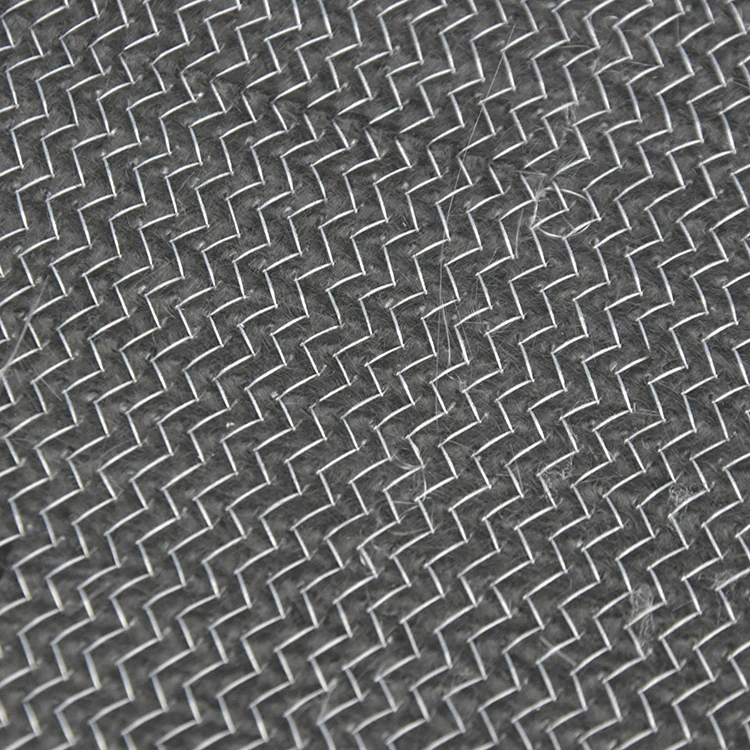
330g Carbon Fiber Composite Mat
Yuruis 330g Carbon Fiber Composite Mat combines 300 g/m² chopped roving with a 30 g/m² carbon fiber surface mat for composite manufacturers looking for a defined reinforcement level with a higher carbon fiber surface layer, with factory supply, sample testing, bulk orders and project-based quotation available according to width and application requirements.
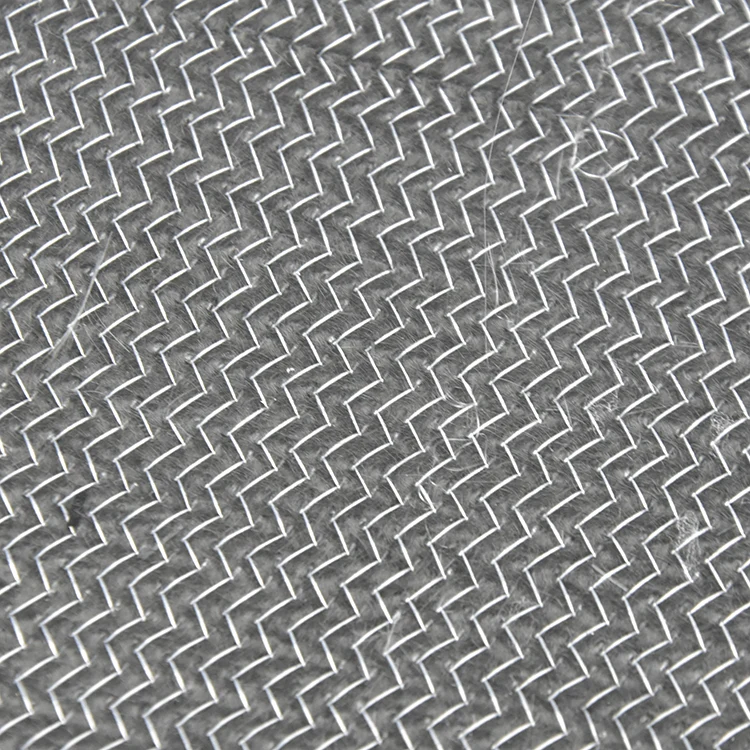
320g Carbon Fiber Composite Mat
Yuruis 320g Carbon Fiber Composite Mat offering a practical balance between reinforcement and surface finish; Yuruis supplies this grade for bulk composite production with widths from 150 to 3200 mm, making it suitable for composite molding processes where surface appearance and reinforcement need to be considered together.
Yuruis is a professional Carbon Fiber Composite Mat manufacturer and supplier in China. Welcome to import quality products from our factory here.
News Recommendations





