
English
- English
- Español
- Português
- русский
- Français
- 日本語
- Deutsch
- tiếng Việt
- Italiano
- Nederlands
- ภาษาไทย
- Polski
- 한국어
- Svenska
- magyar
- Malay
- বাংলা ভাষার
- Dansk
- Suomi
- हिन्दी
- Pilipino
- Türkçe
- Gaeilge
- العربية
- Indonesia
- Norsk
- تمل
- český
- ελληνικά
- український
- Javanese
- فارسی
- தமிழ்
- తెలుగు
- नेपाली
- Burmese
- български
- ລາວ
- Latine
- Қазақша
- Euskal
- Azərbaycan
- Slovenský jazyk
- Македонски
- Lietuvos
- Eesti Keel
- Română
- Slovenski
- मराठी
- Srpski језик

Factory Direct Fiberglass Chopped Strand Mat
Fiberglass Chopped Strand Mat is a non-woven fiberglass reinforcement made from randomly distributed chopped glass fibers bonded with a powder or emulsion binder. Yuruis supplies different area weights for FRP composite manufacturing, with material selection based on laminate design, resin system and molding process.
Available area weights include 100g, 150g, 225g, 300g and 450g/m². Custom GSM and other specifications can be discussed according to the requirements of the production process. The material is used in molded FRP products such as boats, tanks, pipes, automotive components, sanitary products and construction components.
Available GSM Options
Area weight affects the amount of reinforcement added per layer and the rate at which laminate thickness is built. The appropriate GSM should be selected together with the laminate design and molding requirements.
|
Area Weight |
Typical Selection |
|
Thin laminate layers and applications requiring a lower-weight reinforcement layer |
|
|
General FRP laminate reinforcement |
|
|
Medium-weight laminate construction |
|
|
General-purpose FRP molding and reinforcement |
|
|
Applications requiring greater laminate thickness build-up per layer |
|
|
Custom GSM |
Specific laminate or production requirements |
Processing and Resin Compatibility
Fiberglass chopped strand mat is used in FRP processes where chopped glass fiber reinforcement is impregnated with resin and incorporated into the finished laminate. Its processing suitability depends on the binder system, resin type and production conditions.
Hand Lay-Up
The mat is placed into the mold and impregnated with resin to form one or more reinforcement layers. It can be used for molded FRP parts with different shapes, sizes and production volumes.
Compression Molding
Chopped strand mat can be used in compression-molded composite structures when the mat, binder and resin system are suitable for the selected process.
Multi-Layer Laminates
The material can be combined with woven fiberglass or other reinforcement materials when a composite structure requires different reinforcement layers or laminate thicknesses.
Resin compatibility should be confirmed when selecting the material. Polyester, vinyl ester, epoxy and other resin systems may require different binder or mat specifications.
Applications and Ordering Information
Chopped strand mat is used as reinforcement in a range of molded FRP products.
|
Application |
Typical Products |
|
Marine |
Boats, hull components and other marine FRP parts |
|
Tanks and Pipes |
FRP tanks, pipes and related composite structures |
|
Automotive |
Interior, exterior and molded composite components |
|
Sanitary Products |
Bathtubs, bathroom components and other molded products |
|
Construction |
FRP panels, profiles and building-related composite products |
|
Industrial Equipment |
Covers, housings, containers and other FRP components |
For quotation and technical confirmation, the following information can be provided:
|
Specification |
Information to Confirm |
|
Area weight |
Required GSM |
|
Binder |
Powder or emulsion binder and compatibility requirements |
|
Resin system |
Resin used in the intended FRP process |
|
Width |
Required mat width for the production line or mold |
|
Roll specification |
Required roll length and packaging requirements, where applicable |
|
Quantity |
Required rolls or total material quantity |
Taizhou Yuruis New Materials Co., Ltd. develops and supplies fiberglass reinforcement materials for FRP composite manufacturing. Its product range includes fiberglass chopped strand mat and other fiber composite materials for industrial applications.
Yuruis can discuss GSM, binder type, width and roll specifications according to the customer's production process. For quotation, customers can provide the intended application, resin system, required GSM, width and estimated quantity for technical confirmation.
FAQ
What is fiberglass chopped strand mat?
It is a non-woven fiberglass reinforcement made from randomly distributed chopped glass fibers bonded with a binder. It is commonly used to reinforce molded FRP composite products.
How should I choose the right chopped strand mat?
The suitable material depends on the laminate design, required thickness, resin system and molding process. GSM, binder type and width should be considered together when confirming the specification.
Which resin can be used with chopped strand mat?
Resin compatibility depends on the binder and mat specification. The resin system should be confirmed before selecting the material for a specific production process.
What information should I provide when requesting a quotation?
Useful information includes the required GSM, resin system, binder requirement, width, roll specification, application and estimated quantity. Additional production requirements can be provided for technical review.
- View as
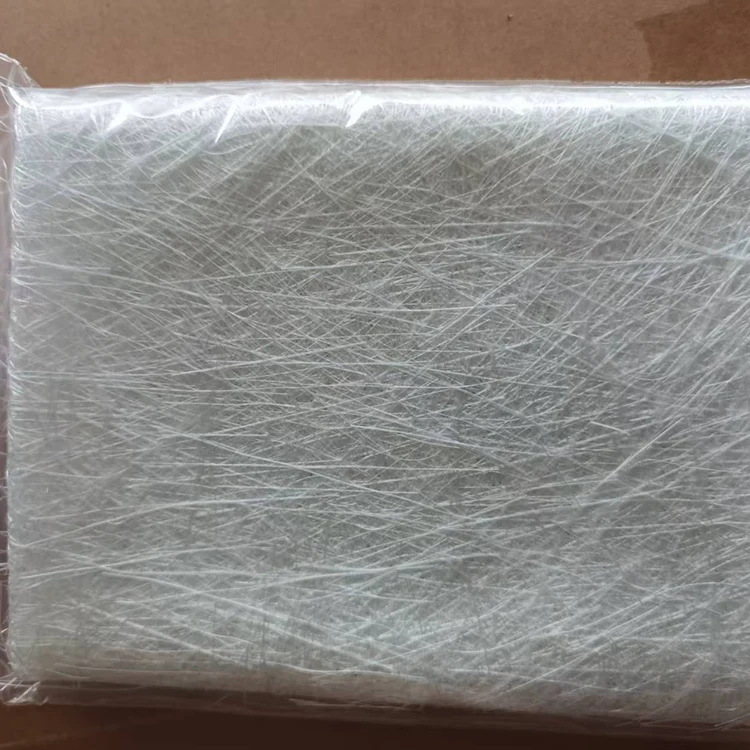
Custom Fiberglass Chopped Strand Mat
Custom Fiberglass Chopped Strand Mat is a versatile reinforcement material used in FRP manufacturing and composite forming. Yuruis supplies different weights, widths and roll configurations for hand lay-up, filament winding, compression molding and other industrial processes. Custom specifications are available to match production requirements, with factory supply and bulk quotation from Taizhou, China.
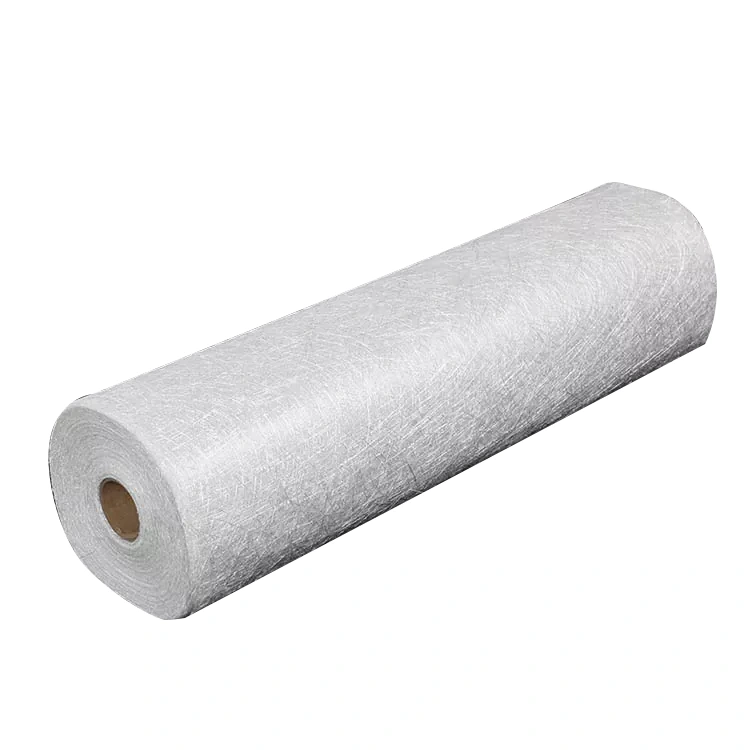
225g Fiberglass Chopped Strand Mat
225g Fiberglass Chopped Strand Mat offers a moderate reinforcement level for FRP laminate construction, with an areal weight of 225g/m² that helps control fiber loading and overall laminate thickness. Made from randomly distributed E-Glass chopped strands with a powder binder, it is suitable for hand lay-up, molding, and other resin-based composite processes.
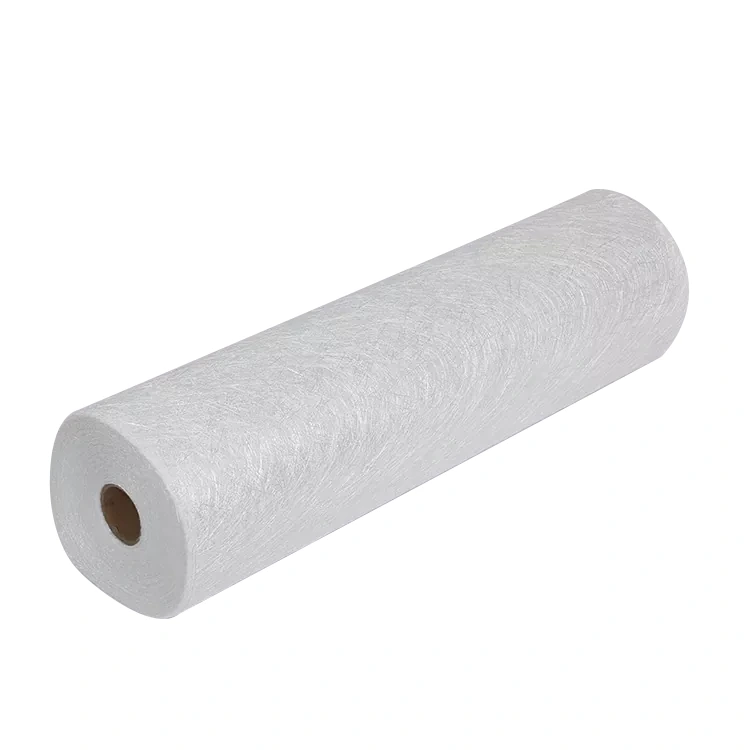
100g Fiberglass Chopped Strand Mat
For manufacturers working with thin FRP panels, surface layers, curved components and lightweight composite structures, Yuruis 100g Fiberglass Chopped Strand Mat provides a low-weight reinforcement option that is easier to distribute over the surface and conform to complex shapes. The 100g/m² construction is particularly useful when the production target is controlled reinforcement without adding unnecessary material thickness.
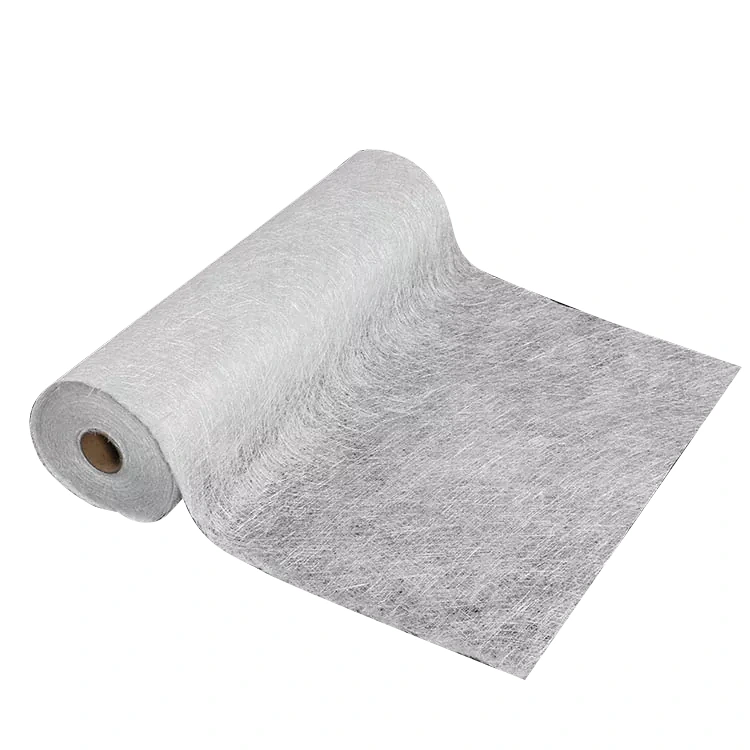
150g Fiberglass Chopped Strand Mat
Yuruis 150g Fiberglass Chopped Strand Mat is a lightweight E-Glass reinforcement material for FRP manufacturers that need thin, flexible layers without relying on a heavy mat weight. Its randomly distributed chopped fibers make it suitable for curved molded surfaces, surface reinforcement, laminate transitions and composite products where controlled material build-up is preferred.
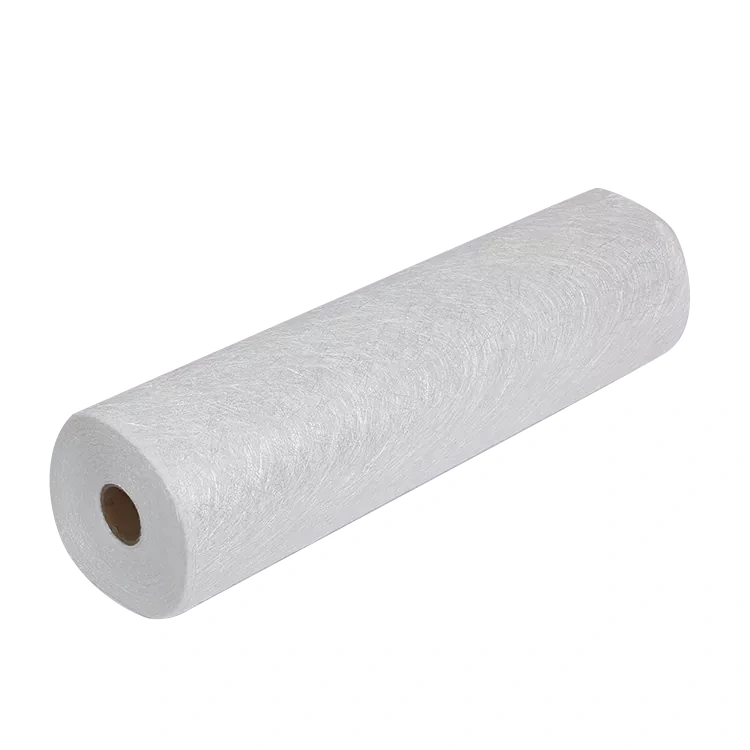
450g Fiberglass Chopped Strand Mat
For FRP manufacturers building up heavier composite laminates, Yuruis 450g Fiberglass Chopped Strand Mat provides a higher fiber loading per square meter than lighter chopped strand mat grades. Made from E-Glass chopped strands with random fiber distribution, it is intended for applications where reinforcement build-up and laminate thickness are important considerations.
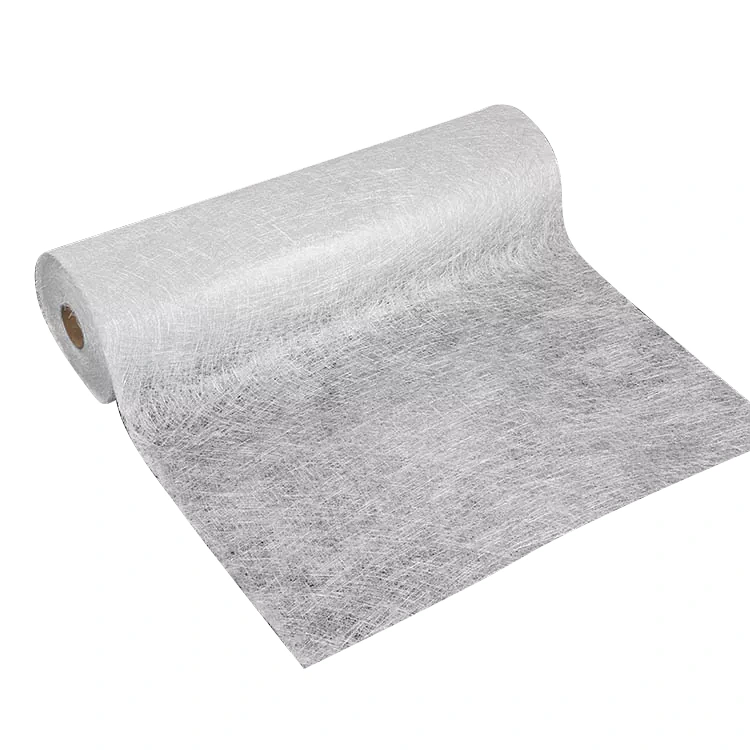
300g Fiberglass Chopped Strand Mat
Yuruis 300g Fiberglass Chopped Strand Mat is a general-purpose E-Glass reinforcement mat for FRP manufacturers who need a practical balance between fiber loading, resin absorption and handling during composite production. At 300 g/m², it is suited to common hand lay-up, molding and other FRP processes used for boats, pipes, tanks, sanitary ware, cooling towers, automotive components and building products.
Yuruis is a professional Fiberglass Chopped Strand Mat manufacturer and supplier in China. Welcome to import quality products from our factory here.
News Recommendations





