
English
- English
- Español
- Português
- русский
- Français
- 日本語
- Deutsch
- tiếng Việt
- Italiano
- Nederlands
- ภาษาไทย
- Polski
- 한국어
- Svenska
- magyar
- Malay
- বাংলা ভাষার
- Dansk
- Suomi
- हिन्दी
- Pilipino
- Türkçe
- Gaeilge
- العربية
- Indonesia
- Norsk
- تمل
- český
- ελληνικά
- український
- Javanese
- فارسی
- தமிழ்
- తెలుగు
- नेपाली
- Burmese
- български
- ລາວ
- Latine
- Қазақша
- Euskal
- Azərbaycan
- Slovenský jazyk
- Македонски
- Lietuvos
- Eesti Keel
- Română
- Slovenski
- मराठी
- Srpski језик

How Can a 480g Carbon Fiber Composite Mat Improve Composite Performance and Surface Quality
Yuruis provides carbon fiber material solutions for manufacturers seeking reliable reinforcement, surface quality, and processing efficiency. A 480g Carbon Fiber Composite Mat can be an important option for composite applications where fiber distribution, resin compatibility, and finished-surface consistency influence the final product. Understanding its structure, material characteristics, and intended use helps engineers and purchasing teams determine whether this material meets their production requirements.
A 480g carbon fiber composite mat is a material specified by its nominal areal weight of 480 grams per square meter. Depending on its fiber arrangement, bonding method, and resin system, it can contribute to composite reinforcement, surface uniformity, and the performance of molded or laminated components. However, areal weight alone does not determine finished-part strength or durability. Buyers should also evaluate fiber architecture, resin compatibility, thickness, permeability, forming behavior, and quality consistency. This guide explains how to assess these factors, compare material options, identify suitable applications, and communicate technical requirements to a supplier such as Yuruis.
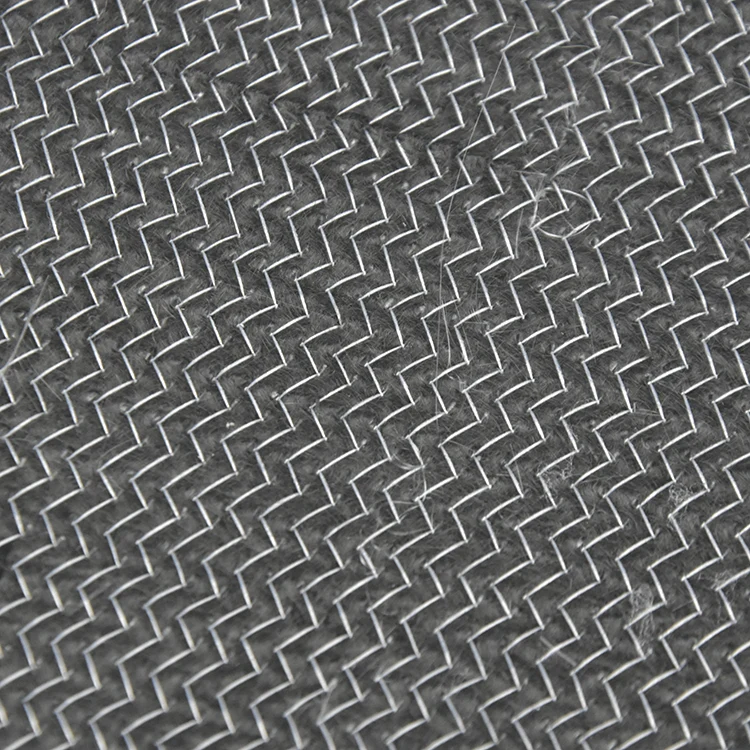
Table of Contents
- What Is a 480g Carbon Fiber Composite Mat?
- Key Material Characteristics and Benefits
- Where Can This Material Be Used?
- Important Specifications to Evaluate
- How Does It Compare With Other Reinforcement Materials?
- How to Select the Right Composite Mat
- Processing Considerations for Better Results
- Quality Control and Supplier Evaluation
- Frequently Asked Questions
- Conclusion and Next Steps
What Is a 480g Carbon Fiber Composite Mat?
A carbon fiber composite mat is a fibrous reinforcement material designed to be incorporated into a composite structure. When combined with a suitable resin or matrix, the reinforcement can help create a component with a performance profile tailored to its intended application. The specific properties depend on the fibers, fiber arrangement, matrix chemistry, manufacturing method, and curing conditions.
The number "480g" generally refers to an areal weight of 480 g/m², meaning that one square meter of the material has a nominal mass of 480 grams. This figure is useful for estimating material consumption and comparing products, but it should not be confused with the finished composite's thickness, density, or mechanical strength.
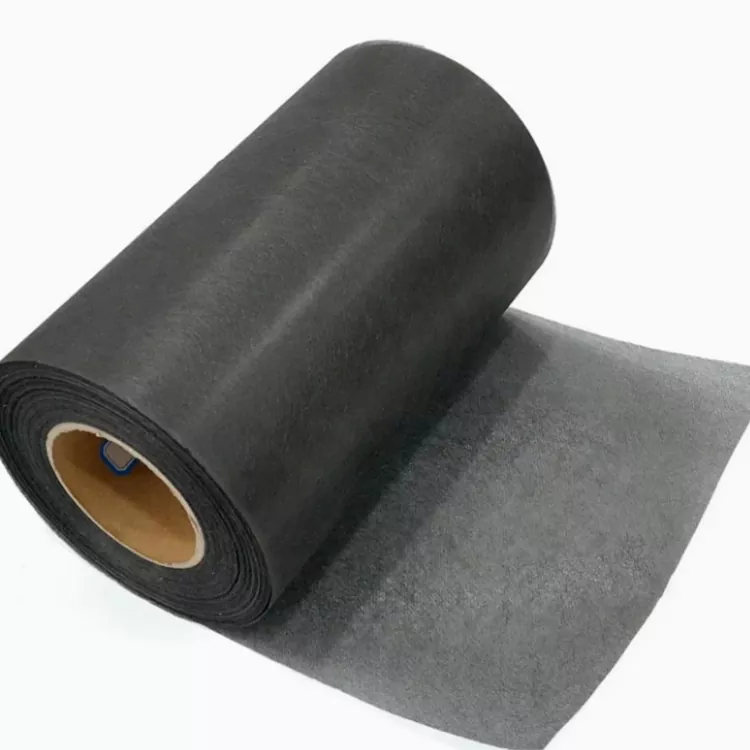
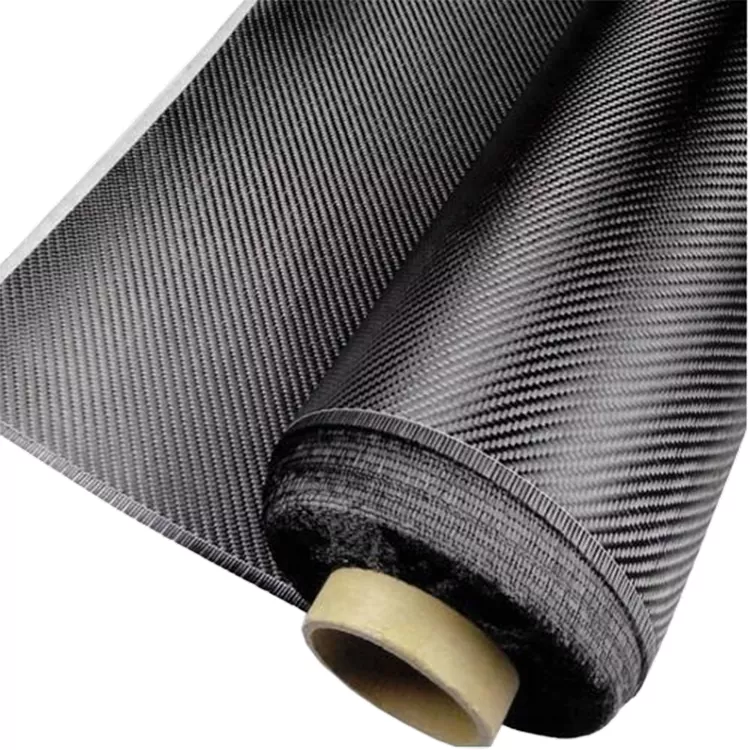
It is also important to distinguish between a nonwoven carbon fiber mat, a woven carbon fiber fabric, and a hybrid reinforcement. A nonwoven mat may contain randomly distributed or otherwise arranged short fibers, while a woven fabric consists of yarns interlaced in a defined pattern. Hybrid materials may combine different fiber types or reinforcement structures.
These differences affect drapability, resin flow, surface appearance, directional strength, and manufacturing suitability. Before purchasing a 480g product, confirm its actual construction and technical data rather than relying on its weight designation alone.
Key Material Characteristics and Benefits
1. Defined Areal Weight for Material Planning
A nominal areal weight provides a practical starting point for calculating material requirements. For production engineers, this information supports consumption estimates, stock planning, and preliminary cost comparisons. Actual material usage will also depend on cutting layouts, overlaps, trimming allowances, and process waste.
2. Potential for Lightweight Composite Design
Carbon fiber reinforcement is widely used when designers need to balance structural performance and component mass. Its contribution to stiffness and strength depends on fiber quality, orientation, volume fraction, resin selection, and the loading conditions experienced by the finished part.
A 480g mat may suit applications that require a relatively substantial reinforcement layer, but a higher areal weight does not automatically produce a stronger or more efficient component. Engineers should evaluate the complete laminate design.
3. Adaptability to Composite Manufacturing
Depending on its construction, a mat may be suitable for selected molding, lamination, or resin impregnation processes. Conformability can be particularly important when the component contains curves, corners, recesses, or other complex geometries.
Fiber architecture and binder chemistry influence how the material handles during cutting, placement, and impregnation. Testing a representative sample can help determine whether it fits the intended production method.
4. Potential Surface and Functional Benefits
Some carbon fiber mats are designed to help improve surface coverage, reduce the visibility of an underlying reinforcement pattern, or support specific functional requirements. Depending on the material design, carbon fiber may also contribute electrical conductivity and other useful characteristics.
These benefits should be verified for the exact product. Surface quality, electromagnetic shielding, thermal performance, and chemical resistance depend on the entire composite system, not simply on the presence of carbon fibers.
Where Can This Material Be Used?
The suitability of a 480g carbon fiber composite mat depends on its construction and the performance requirements of the finished component. Potential application areas include the following.
- Industrial composite components: Reinforcement for selected housings, panels, covers, and engineered structures.
- Transportation components: Composite parts where weight management and structural performance are important design considerations.
- Construction and infrastructure: Specialized composite products requiring appropriate reinforcement and environmental durability.
- Electrical and electronic applications: Components where conductivity or shielding may be relevant, subject to electrical and structural testing.
- Chemical processing equipment: Selected composite structures, tanks, or components when the complete resin-reinforcement system is compatible with the operating environment.
- Custom molded products: Components that benefit from a defined reinforcement weight and a manufacturing process compatible with the mat's fiber architecture.
These are potential application categories rather than a guarantee of suitability for every product in each industry. For chemical service, elevated temperatures, pressure-bearing equipment, or safety-critical structures, engineers should verify the complete system against applicable design requirements.
Important Specifications to Evaluate
When comparing materials, buyers should request a technical data sheet that identifies the actual product construction. A useful specification review goes beyond the nominal 480 g/m² value.
| Specification | Why It Matters | What Buyers Should Confirm |
|---|---|---|
| Areal weight | Supports material consumption calculations and product comparison. | Nominal value, tolerance, and test method. |
| Fiber architecture | Influences directional properties, conformability, and surface characteristics. | Nonwoven, woven, chopped-fiber, or hybrid construction. |
| Fiber composition | Affects mechanical and functional performance. | Fiber type, grade, and material identification. |
| Thickness | Influences fit, lay-up design, and final laminate dimensions. | Measured thickness, tolerance, and measurement conditions. |
| Resin compatibility | Determines whether the material can be properly impregnated and consolidated. | Compatible resin systems and any binder-related limitations. |
| Width and roll length | Affect cutting efficiency, production planning, and waste. | Standard dimensions, available customization, and tolerances. |
| Mechanical performance | Helps establish whether the reinforcement suits the design load. | Relevant test data for the material or finished composite. |
| Storage and handling | Help preserve material condition before processing. | Packaging, shelf-life guidance where applicable, and storage conditions. |
Do not assume that a particular tensile strength, modulus, thickness, or resin compatibility applies to every 480g carbon fiber mat. Request product-specific documentation and identify the test method, specimen configuration, and whether the reported value describes the dry reinforcement or the cured composite.
How Does It Compare With Other Reinforcement Materials?
Material selection becomes easier when the available reinforcement options are compared against the same engineering requirements. The following table provides a general comparison; actual performance varies with product construction and the manufacturing process.
| Material Type | Typical Characteristics | Important Considerations |
|---|---|---|
| 480g carbon fiber composite mat | Defined nominal areal weight; potentially useful for substantial reinforcement or selected surface applications. | Confirm fiber arrangement, resin compatibility, and intended function. |
| Lightweight carbon fiber mat | Lower reinforcement mass per unit area in many product ranges. | May require additional layers to achieve the target laminate design. |
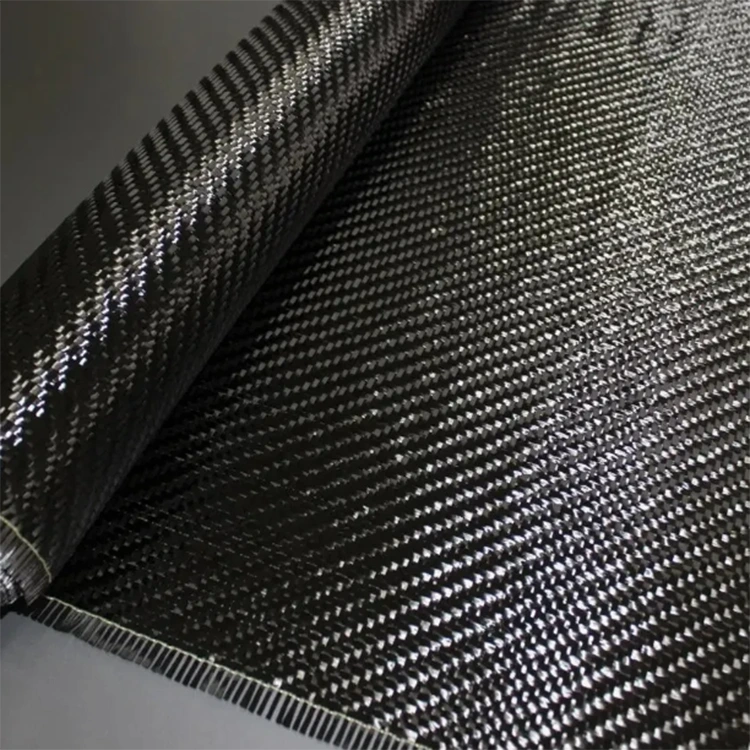
| Woven carbon fiber fabric | Organized yarn structure with identifiable fiber directions. | Weave pattern, crimp, drapability, and directional properties matter. |
| Glass fiber mat | Common reinforcement option for many cost-conscious composite applications. | Compare stiffness, strength, density, corrosion environment, and total system cost. |
| Hybrid reinforcement | Combines different reinforcement types or structures. | Check compatibility, construction, performance targets, and process requirements. |
The best choice is not necessarily the material with the greatest weight or the highest price. A suitable reinforcement should meet mechanical requirements, process reliably, produce acceptable finished-part quality, and provide a reasonable total cost over the production cycle.
How to Select the Right Composite Mat
A structured purchasing process helps reduce uncertainty and avoid material mismatches. Before placing an order, consider the following steps.
- Define the finished component. Describe its geometry, dimensions, expected service life, loading conditions, and operating environment.
- Identify the manufacturing process. Specify whether the material will be used in hand lay-up, a closed-mold process, resin infusion, or another validated method.
- Confirm the material construction. Determine whether a nonwoven mat, woven fabric, or hybrid product is required.
- Set measurable acceptance criteria. Include areal weight tolerance, width, thickness where relevant, appearance, and other critical characteristics.
- Review resin compatibility. Confirm that the reinforcement and any binder or sizing are suitable for the selected matrix.
- Request samples and technical documents. Evaluate handling, impregnation, consolidation, and finished-part properties under representative conditions.
- Compare the total cost. Include material usage, cutting losses, processing time, scrap, and inspection requirements.
For projects involving large production volumes, sample evaluation should be followed by a controlled trial using the intended process parameters. This provides more reliable evidence than choosing a material solely from a product description.
Processing Considerations for Better Results
Even an appropriate reinforcement can produce inconsistent results when material handling and processing are poorly controlled. The following practices help improve repeatability.
- Prepare the mold carefully. Cleanliness, release-agent selection, and mold condition can affect surface appearance and demolding.
- Control cutting and placement. Use a defined cutting plan and minimize unintended folds, gaps, or overlaps.
- Follow the resin supplier's instructions. Maintain the recommended mixing ratio, working time, and curing conditions.
- Manage impregnation. Select process parameters that allow the resin to wet the reinforcement adequately without introducing excessive voids.
- Monitor consolidation. Apply the pressure or vacuum conditions appropriate to the selected process and tooling.
- Inspect trial parts. Look for dry areas, wrinkles, surface defects, voids, and dimensional deviations.
Process settings should be established through material-specific trials rather than copied directly from another reinforcement product. Fiber architecture, resin viscosity, component geometry, and mold design can all affect the result.
Quality Control and Supplier Evaluation
Reliable procurement requires both a suitable material and a supplier capable of communicating its characteristics clearly. A product name or nominal weight is not enough to establish consistency between batches.
When evaluating Yuruis or another potential supplier, request information that helps your engineering and purchasing teams make an informed decision. Useful items include:
- A current technical data sheet with product identification and specification tolerances.
- Details of fiber architecture, composition, and applicable resin systems.
- Inspection records or batch documentation where available.
- Sample availability for preliminary processing and performance evaluation.
- Packaging, storage, delivery, and handling recommendations.
- Confirmation of available widths, roll lengths, and customization options.
For applications with demanding mechanical or environmental requirements, ask for relevant test reports and clarify whether results refer to the reinforcement itself or to a cured composite specimen. The distinction is essential because laminate performance depends on fiber content, orientation, resin properties, void content, and processing quality.
Clear technical communication also reduces delays. Sharing drawings, estimated annual consumption, processing details, and acceptance criteria allows a supplier to assess whether the requested material configuration is practical.
Frequently Asked Questions
1. What does 480g mean in a carbon fiber composite mat?
It generally indicates a nominal areal weight of 480 grams per square meter. It does not directly specify the material's thickness, density, tensile strength, or the mechanical properties of the final composite.
2. Is a 480g carbon fiber mat suitable for every composite application?
No. Suitability depends on the mat's fiber architecture, resin compatibility, required mechanical properties, component geometry, and manufacturing process. Safety-critical or demanding applications require product-specific engineering evaluation.
3. Can this material be used with epoxy resin?
Potentially, but compatibility must be confirmed for the exact product. Fiber sizing, binder chemistry, and the resin formulation can influence wet-out, adhesion, and curing performance. Obtain confirmation from the supplier and conduct a representative trial.
4. Does a higher areal weight always mean a stronger composite?
No. Areal weight describes the mass of reinforcement per unit area. Finished-part strength also depends on fiber direction, fiber volume fraction, resin properties, laminate design, consolidation quality, and defects.
5. What information should I provide when requesting a quotation?
Provide the required areal weight, material construction, intended application, resin system, width, roll length, estimated order quantity, delivery destination, and any required test or quality documentation. Drawings or sample specifications can help clarify technical expectations.
6. Can the width and other specifications be customized?
Customization depends on the supplier's production capabilities and the specific product. Ask Yuruis to confirm available dimensions, tolerances, minimum order quantities, lead times, and whether the requested construction can be manufactured.
7. How should carbon fiber composite mat be stored?
Follow the product-specific storage instructions. In general, protect reinforcement materials from contamination, moisture exposure where relevant, physical damage, and unsuitable temperatures. Retain the original packaging when appropriate and check the supplier's guidance before use.
8. What should I test before mass production?
Evaluate handling, cutting, resin impregnation, consolidation, surface appearance, dimensional stability, and the mechanical properties relevant to the application. Use representative tooling and processing conditions, and document the results before approving the material for routine production.
Conclusion: Make a Specification-Based Material Decision
A 480g carbon fiber composite mat can be a useful reinforcement option when its construction and processing characteristics align with the needs of the finished component. The most important decision factors are not weight alone, but also fiber architecture, resin compatibility, dimensional consistency, processability, and verified performance.
For manufacturers planning a new composite project or optimizing an existing production line, early technical discussions can help narrow the material options and establish practical acceptance criteria. Review the product details, request relevant documentation, and validate performance with representative samples before committing to full-scale production.
If you are sourcing a 480g Carbon Fiber Composite Mat for an industrial, structural, or custom composite application, Yuruis can be your starting point for discussing material requirements and available options. Share your target specifications, application details, and estimated quantity to help clarify the most suitable configuration. Visit the 480g Carbon Fiber Composite Mat product page for more information, or contact us to discuss your project requirements, request technical details, and explore a material solution aligned with your production needs.
Related News
- How Can a 480g Carbon Fiber Composite Mat Improve Efficiency and Consistency in Composite Manufacturing
- How Can Custom Fiberglass Woven Roving Improve the Strength and Reliability of Composite Manufacturing
- Yuruis Strengthens Fiberglass Materials Supply with Expanded Production Capacity & New Product Grades
- Yuruis Launches High-Strength FRP Grating Solutions for Anti-Corrosion & Construction Engineering
- Yuruis Expands Carbon Fiber Materials Portfolio for Lightweight & High-Performance Applications
Leave me a message
New Products
News Recommendations





