
English
- English
- Español
- Português
- русский
- Français
- 日本語
- Deutsch
- tiếng Việt
- Italiano
- Nederlands
- ภาษาไทย
- Polski
- 한국어
- Svenska
- magyar
- Malay
- বাংলা ভাষার
- Dansk
- Suomi
- हिन्दी
- Pilipino
- Türkçe
- Gaeilge
- العربية
- Indonesia
- Norsk
- تمل
- český
- ελληνικά
- український
- Javanese
- فارسی
- தமிழ்
- తెలుగు
- नेपाली
- Burmese
- български
- ລາວ
- Latine
- Қазақша
- Euskal
- Azərbaycan
- Slovenský jazyk
- Македонски
- Lietuvos
- Eesti Keel
- Română
- Slovenski
- मराठी
- Srpski језик

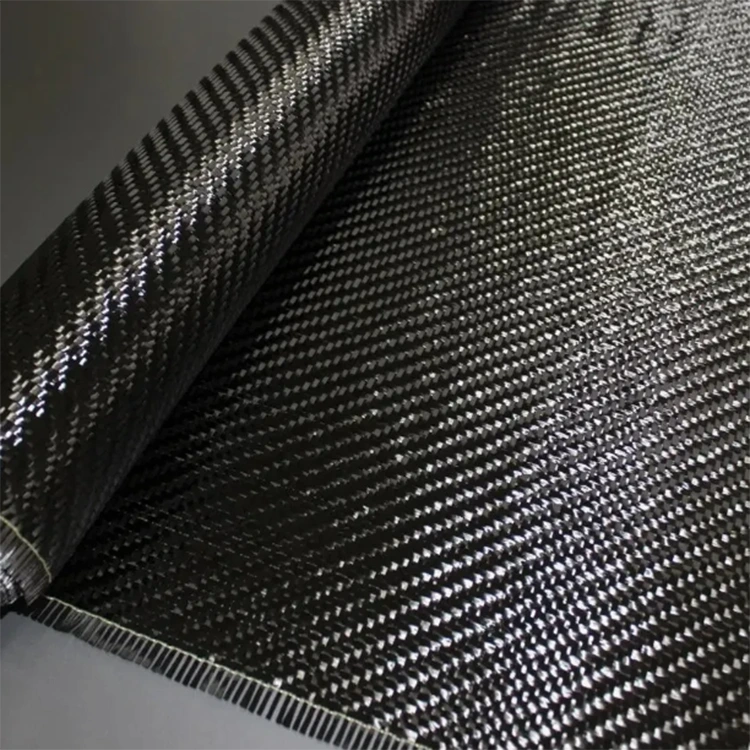
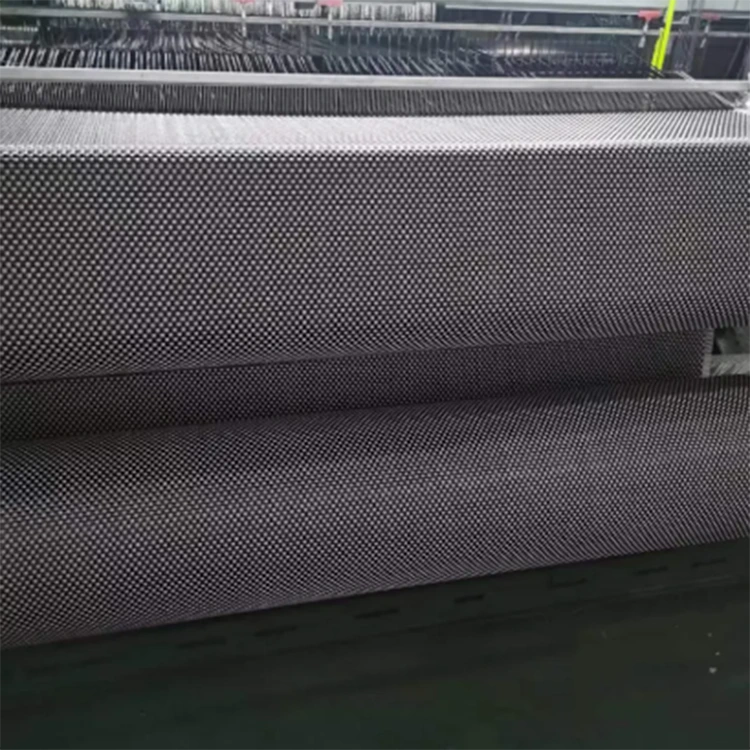
Unidirectional Carbon Fiber Fabric
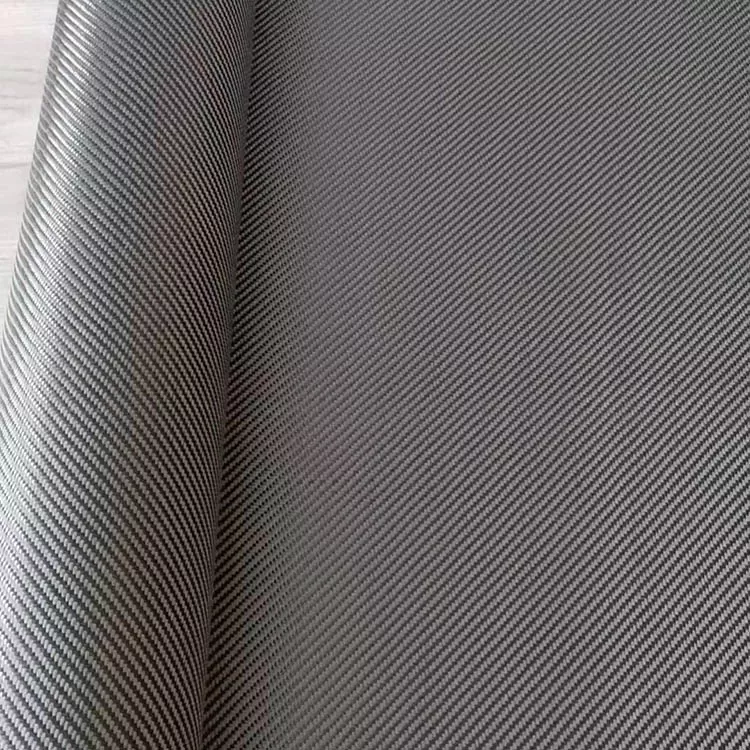
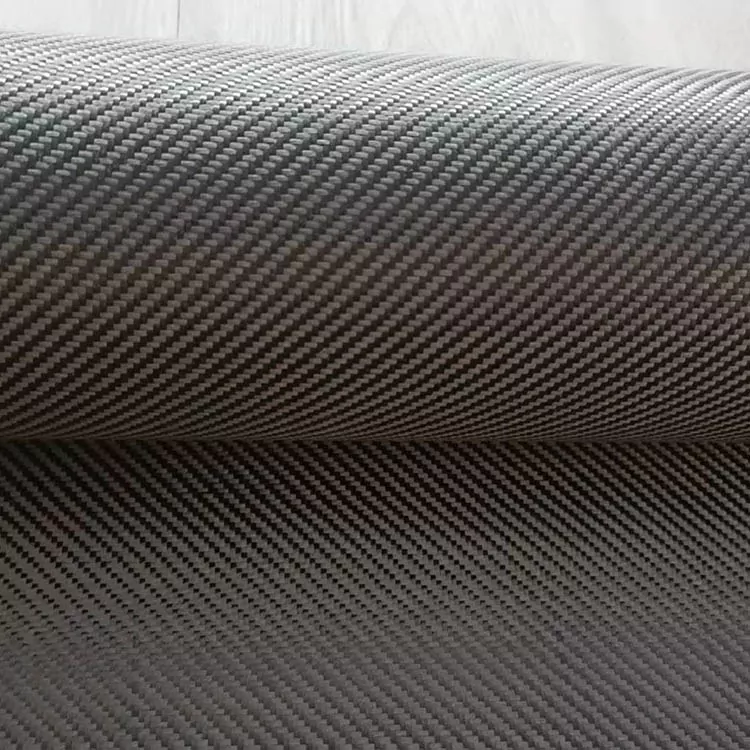
A carbon fiber surface does not always have to follow the familiar plain or diagonal weave. Yuruis Unidirectional Carbon Fiber Fabric uses a more elaborate weaving method to create a distinctive surface pattern, making the fabric suitable for composite manufacturers who want the carbon fiber itself to contribute to the appearance of the finished product.
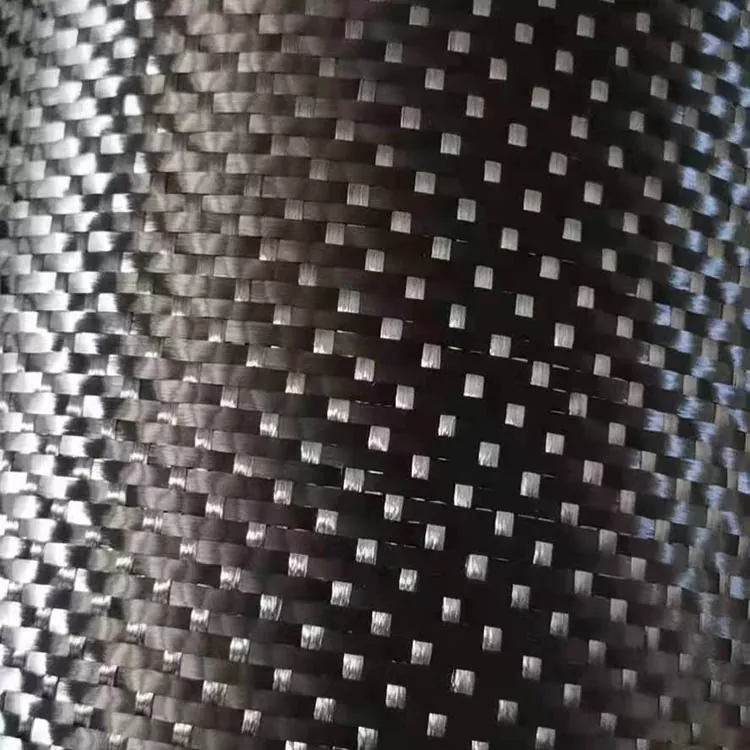
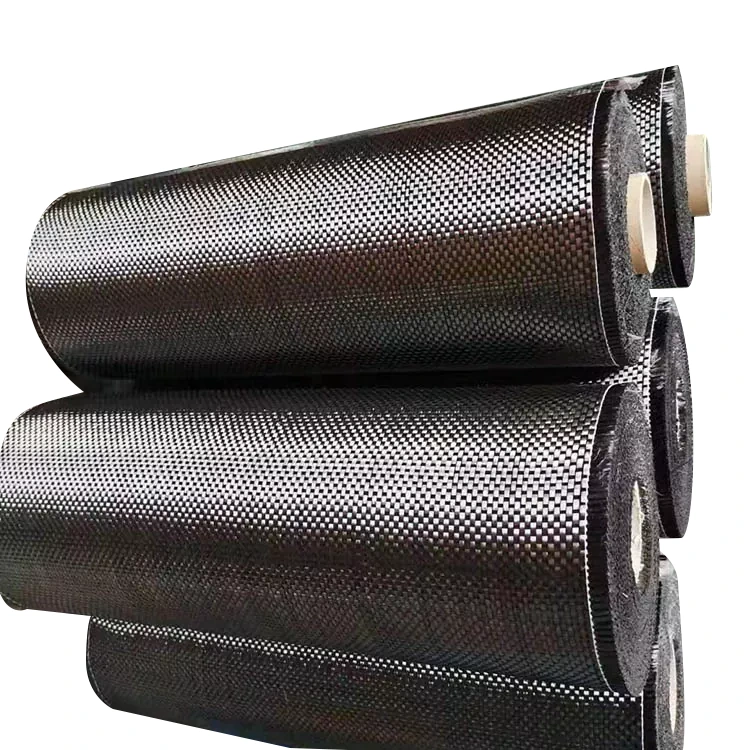
Unidirectional Carbon Fiber Fabric is supplied in a Jacquard woven construction in this specification. The weaving process controls the arrangement of the carbon fiber yarns to create a defined fabric structure and surface pattern. Unlike a standard plain or twill fabric, Jacquard weaving allows the yarn arrangement to be varied to produce different visible designs.
For composite manufacturing, the fabric pattern is only one part of the material specification. Carbon fiber grade, fabric weight, yarn arrangement, resin system, laminate thickness and molding conditions have a greater influence on the properties of the finished composite. Jacquard construction is therefore most relevant when the fabric structure and visible surface both need to be considered during material selection.
How Jacquard Carbon Fiber Fabric Is Different
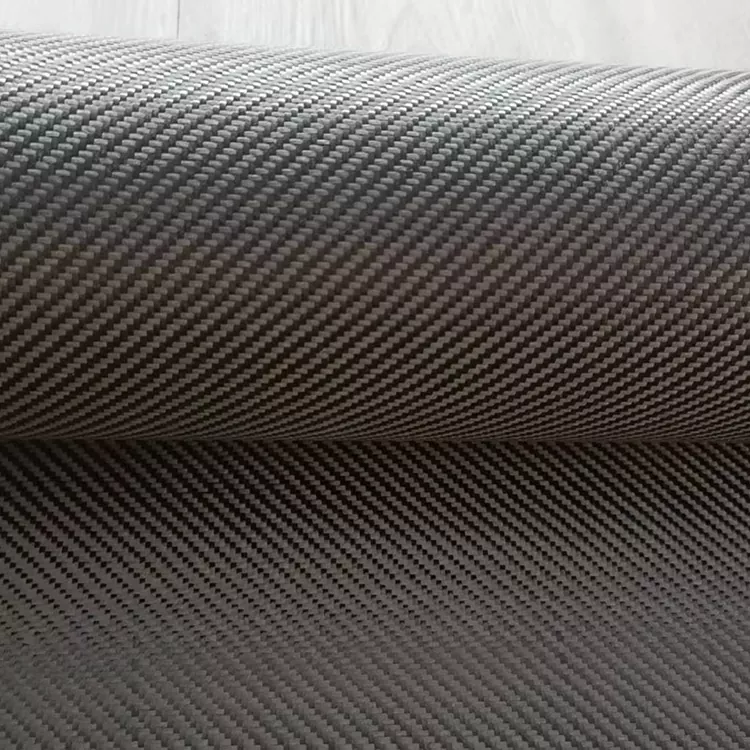
Plain and twill carbon fiber fabrics use relatively regular interlacing patterns. Jacquard weaving uses controlled yarn selection during weaving, allowing specific areas of the fabric to follow different pattern arrangements.
This changes the appearance of the woven surface without making the weave itself a substitute for structural design. If the fabric will be used in a load-bearing laminate, the required fiber grade, fabric weight, resin system and laminate construction should be established according to the component requirements.
For visible composite parts, the woven pattern can remain exposed after molding and become part of the finished surface. This makes the construction relevant to components such as automotive trim, sports products, equipment housings and customized composite parts.
The actual appearance after molding also depends on resin distribution, consolidation, mold condition and surface finishing. The pattern seen in the dry fabric should therefore not be treated as a guarantee of the final molded appearance.
Jacquard, Plain and Twill Weave
These fabric constructions differ mainly in their yarn arrangement and resulting surface pattern. The appropriate choice depends on the required fabric behavior, component geometry and finished appearance.
|
Fabric |
Typical Visual Character |
Where It Makes Sense |
|
Plain Weave |
Regular grid-like pattern |
General composite reinforcement and controlled lay-up |
|
Twill Weave |
Recognizable diagonal pattern |
Shaped components and visible carbon fiber surfaces |
|
Jacquard |
More distinctive / programmable pattern |
Customized visual effects and premium composite surfaces |
The table describes the typical visual and application differences rather than a mechanical ranking. A Jacquard fabric is not automatically stronger or stiffer than a plain or twill fabric. Final composite properties depend on the complete material system and laminate design.

Selecting the Fabric for a Composite Part
The fabric should be selected after the basic requirements of the component have been established. Important considerations include the required fabric weight, width, surface pattern, drape, laminate thickness and molding method.
For a flat or relatively simple component, a regular woven structure may be sufficient. More complex surfaces may require a fabric construction that can follow the mold without excessive distortion. If the carbon fiber remains visible, the required pattern should also be considered during cutting and lay-up.
The orientation of the reinforcement remains a separate design consideration. A woven surface pattern does not by itself define the primary structural load direction of a composite. For parts with specific directional loading, the laminate should be designed around the required fiber orientations and ply arrangement.
Visible Surface Requirements
When the carbon fiber fabric will remain visible, consistency between adjacent pieces becomes important. Cutting direction, fabric tension and handling during lay-up can affect pattern alignment, particularly on curved surfaces.
The mold surface and resin system also influence the appearance after curing. A uniform dry-fabric pattern can still produce a different visual result if resin flow, consolidation or surface finishing is not controlled consistently.
Structural Requirements
For structural components, the fabric should be evaluated together with the carbon fiber grade, resin system, fiber content and laminate schedule. The Jacquard pattern should not be used as the primary basis for determining structural suitability.
Typical Applications
Automotive Components
Jacquard carbon fiber fabric can be considered for visible interior trim, decorative panels, equipment covers and other components where the woven surface forms part of the finished appearance. The fabric specification should be matched with the forming geometry and required surface finish.
Sports Equipment
Sports products such as bicycle components, racket structures, paddles and accessories may use visible carbon fiber fabric where the surface pattern is retained after molding. The required fabric weight and laminate construction depend on the individual component.
Electronic Equipment
Selected housings and equipment structures can incorporate carbon fiber fabric when the material meets the mechanical and dimensional requirements of the application. Carbon fiber is electrically conductive, so insulation and electromagnetic requirements should be reviewed where the material is used around electronic assemblies.
Customized Composite Products
Customized composite parts may use Jacquard fabric when a particular woven pattern is required. Before production, the pattern, fabric weight, dimensions, resin system and molding process should be confirmed together rather than specifying the fabric by appearance alone.
Material Information
|
Item |
Specification |
|
Product |
Unidirectional Carbon Fiber Fabric |
|
Material |
Carbon Fiber |
|
Weaving Method |
Jacquard Weave |
|
Raw Material |
PAN-Based Carbon Fiber |
|
Form |
Woven Fabric |
|
Color |
Black |
|
Weight |
Customized |
|
Width |
Customer Requirement |
|
Length |
Customer Requirement |
|
Application |
Automotive, Sports, Electronics, Composite Products |
|
Brand |
Yuruis |
|
Origin |
Taizhou, Jiangsu Province, China |

Processing and Surface Finish
The final appearance of a woven carbon fiber component is affected by the entire molding process. Fabric placement, resin flow, consolidation pressure, mold surface and curing conditions can all change the way the weave appears after the part is released from the mold.
For components with visible carbon fiber surfaces, the fabric should be handled carefully during cutting and lay-up. Excessive stretching or movement can disturb the yarn arrangement and cause visible pattern distortion.
If a clear coating is applied after molding, its thickness, surface condition and compatibility with the composite should also be considered. The finished appearance is therefore determined by the fabric and the subsequent processing steps rather than by the weaving method alone.

Handling and Service Considerations
Before molding, carbon fiber fabric should be stored and handled according to the requirements of the applicable material system. Once it has been incorporated into a cured composite, service conditions are determined mainly by the resin system, laminate design, operating environment and loading conditions.
For visible carbon fiber components, routine cleaning should avoid unnecessary abrasion and aggressive chemicals that may affect the surface coating or resin. Temperature exposure should remain within the limits established for the finished composite system.
Surface scratches do not necessarily indicate structural failure. However, cracking, delamination, significant impact damage or exposed reinforcement should be evaluated when the component has a structural function.
When Should a Carbon Fiber Component Be Inspected?
There is no universal inspection or replacement interval for every carbon fiber composite component. The appropriate maintenance schedule depends on the part design, operating environment, loading conditions and manufacturer's requirements.
Particular attention should be given to visible signs such as:
· Laminate cracking
· Delamination or separation
· Significant impact damage
· Fiber exposure caused by surface failure
· Loss of structural integrity
· Serious deterioration of the protective coating
For safety-critical parts, inspection and replacement decisions should follow the maintenance requirements specified for the finished product rather than a general service-life estimate.
FAQ
What is Unidirectional Carbon Fiber Fabric?
Unidirectional Carbon Fiber Fabric in this product specification uses a Jacquard weaving method to produce a woven carbon fiber material with a defined surface pattern. The exact yarn arrangement, fabric weight and structural characteristics should be confirmed from the material specification.
How is Jacquard different from twill carbon fiber?
Twill uses a regular diagonal interlacing pattern, while Jacquard weaving allows more variation in yarn arrangement and visible pattern design. The difference is primarily in the fabric construction and appearance rather than an automatic difference in mechanical performance.
Is Jacquard carbon fiber suitable for structural composites?
It can be incorporated into composite parts, but structural suitability depends on the carbon fiber grade, fabric weight, resin system, fiber orientation and laminate design. The Jacquard weaving method alone does not establish the mechanical properties of the finished component.
Can the Jacquard pattern be customized?
Pattern availability depends on the weaving specification and production requirements. A customized inquiry should include the required pattern, fabric weight, dimensions and intended application for evaluation.
Is it suitable for automotive interiors?
It can be considered for visible carbon fiber trim, panels, decorative components and other automotive applications where the woven surface is part of the finished appearance. The material and molding process should be checked against the component requirements.
How long does a Jacquard carbon fiber composite last?
There is no single service-life value applicable to every finished part. Service life depends on the resin system, laminate construction, environmental exposure, temperature, loading conditions and maintenance.
How should visible carbon fiber parts be maintained?
Keep the surface clean and avoid unnecessary abrasion or aggressive chemicals. If a protective coating is present, its condition should also be monitored because surface coating failure can affect the appearance and protection of the composite.
When should the finished component be replaced?
Replacement should be based on the actual condition and maintenance requirements of the finished component. Cracking, delamination, significant impact damage or loss of structural integrity are more relevant indicators than a fixed number of service years.
Send Inquiry
Contact Info
-
Address
No. 18, Fuyuan Road, Dalun Town Industrial Concentration Zone, Jiangyan District, Taizhou City, Jiangsu Province, China
-
Tel
-
Email
Send your requirements to Yuruis for carbon fiber materials, FRP grating or fiberglass materials. Include product specifications, dimensions, quantity, application or other requirements so our team can review the details and respond accordingly.
News Recommendations





