
English
- English
- Español
- Português
- русский
- Français
- 日本語
- Deutsch
- tiếng Việt
- Italiano
- Nederlands
- ภาษาไทย
- Polski
- 한국어
- Svenska
- magyar
- Malay
- বাংলা ভাষার
- Dansk
- Suomi
- हिन्दी
- Pilipino
- Türkçe
- Gaeilge
- العربية
- Indonesia
- Norsk
- تمل
- český
- ελληνικά
- український
- Javanese
- فارسی
- தமிழ்
- తెలుగు
- नेपाली
- Burmese
- български
- ລາວ
- Latine
- Қазақша
- Euskal
- Azərbaycan
- Slovenský jazyk
- Македонски
- Lietuvos
- Eesti Keel
- Română
- Slovenski
- मराठी
- Srpski језик

Plain Weave Carbon Fiber Fabric
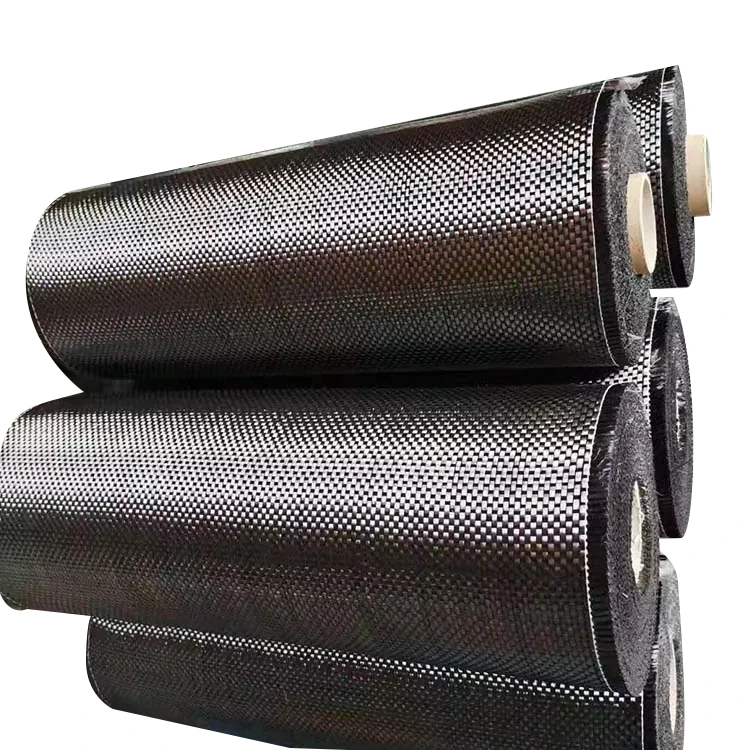
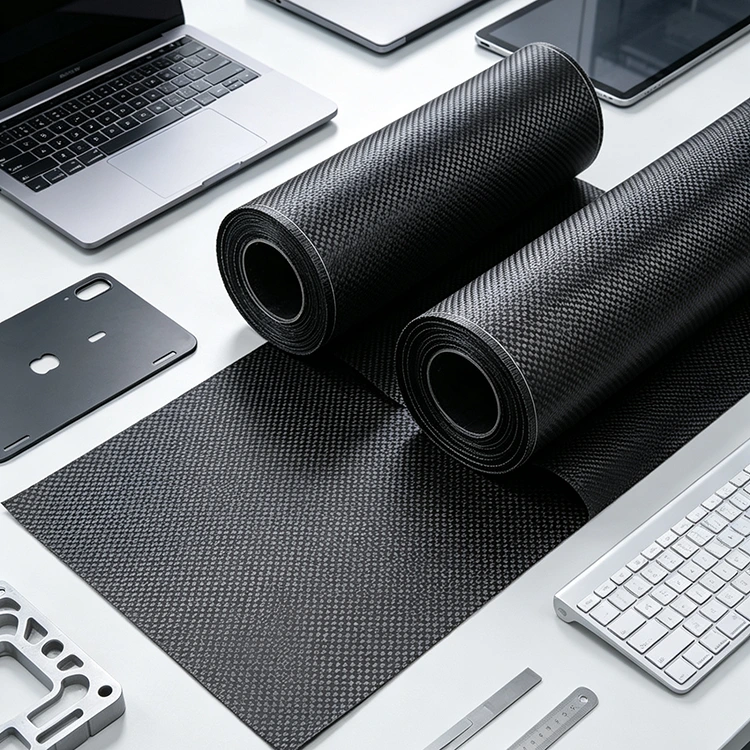
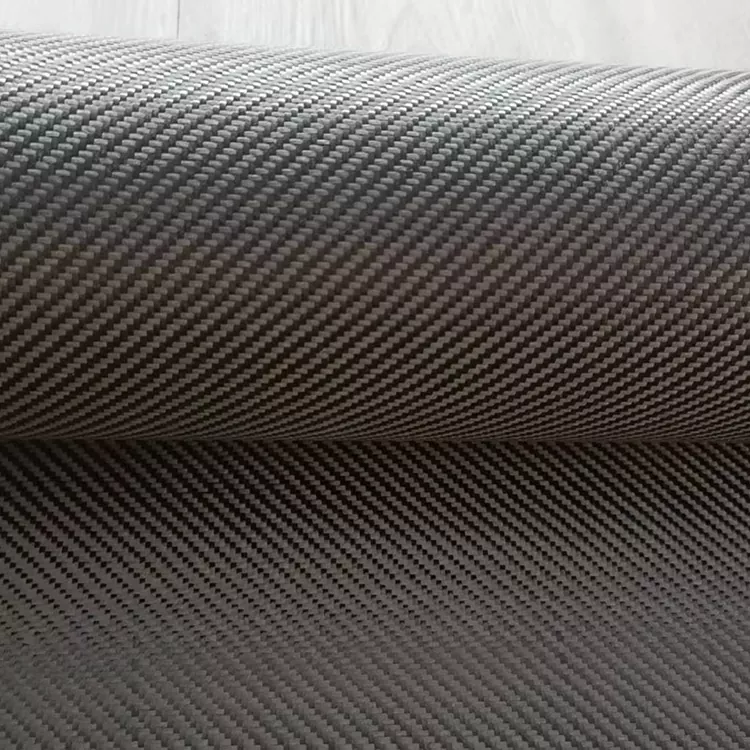
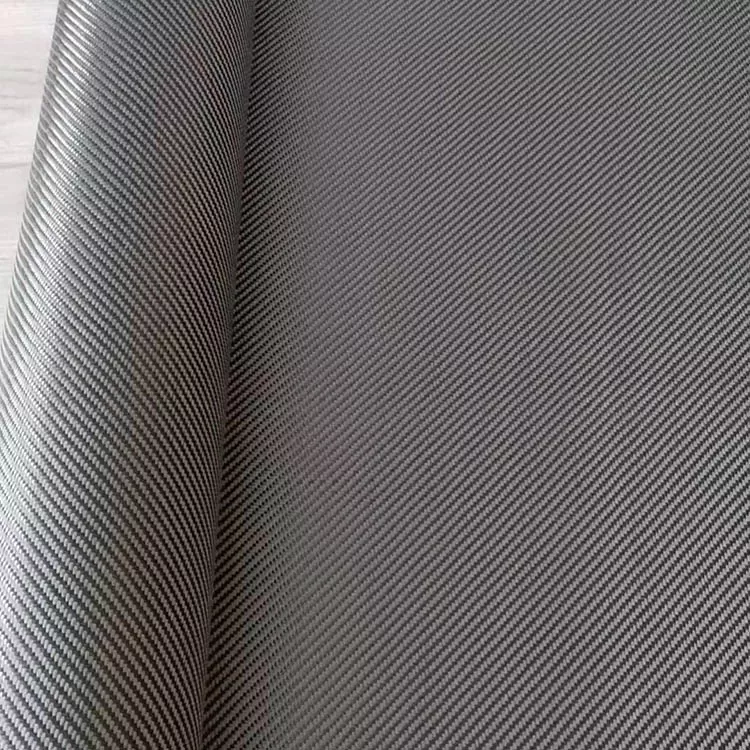
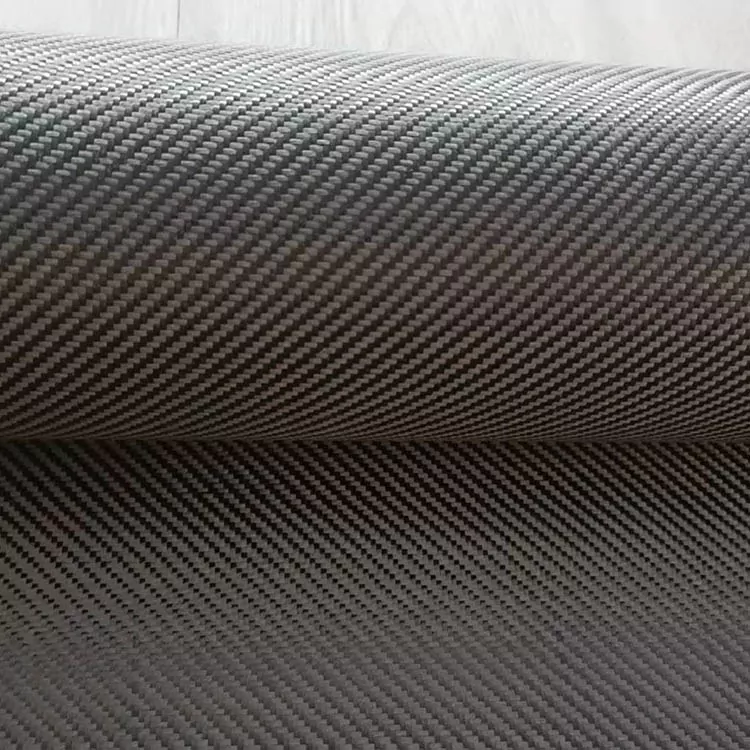
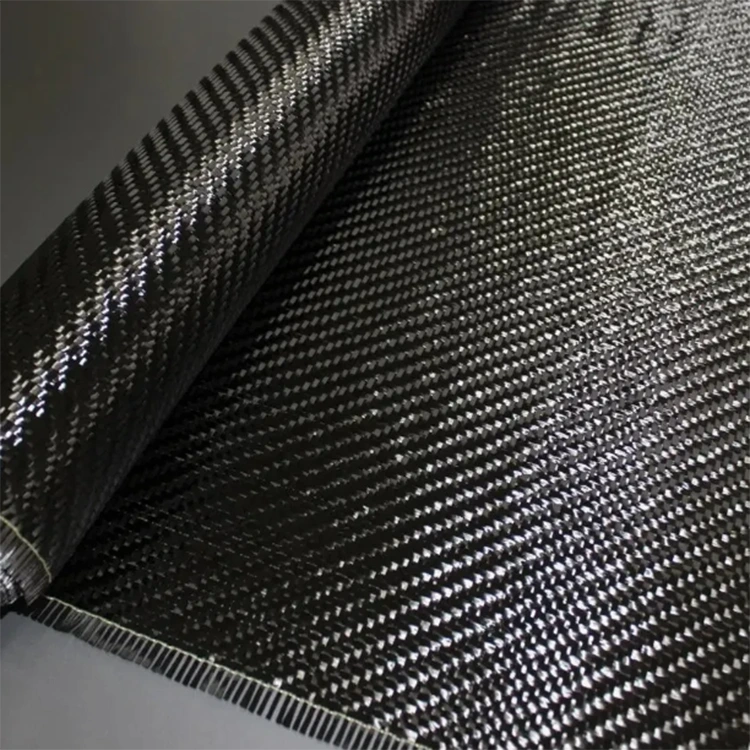
Plain Weave Carbon Fiber Fabric is a PAN-based woven carbon fiber material supplied in customized weights, widths and roll lengths. Yuruis provides it for automotive, bicycle, sports, electronic and industrial composite applications, with specifications matched to the required component and manufacturing process.
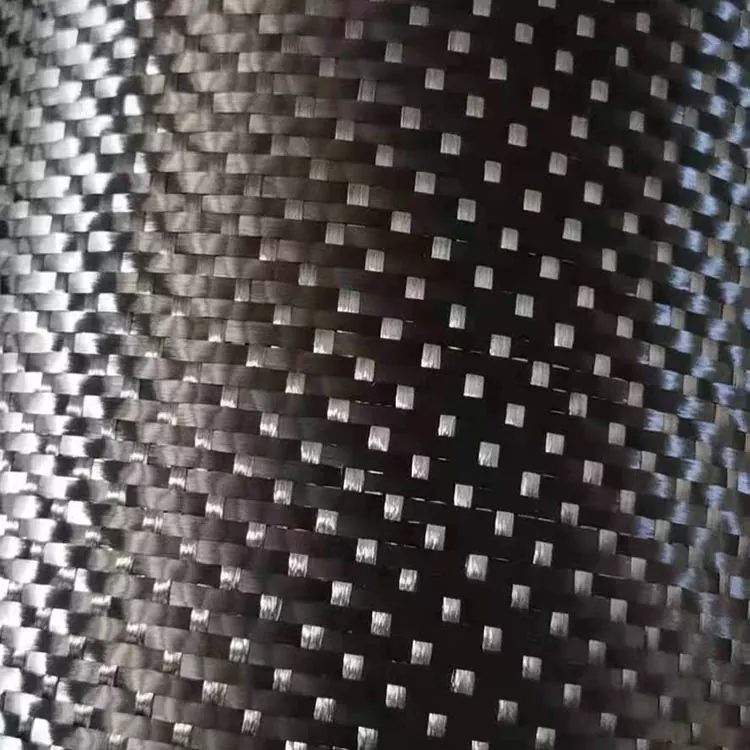
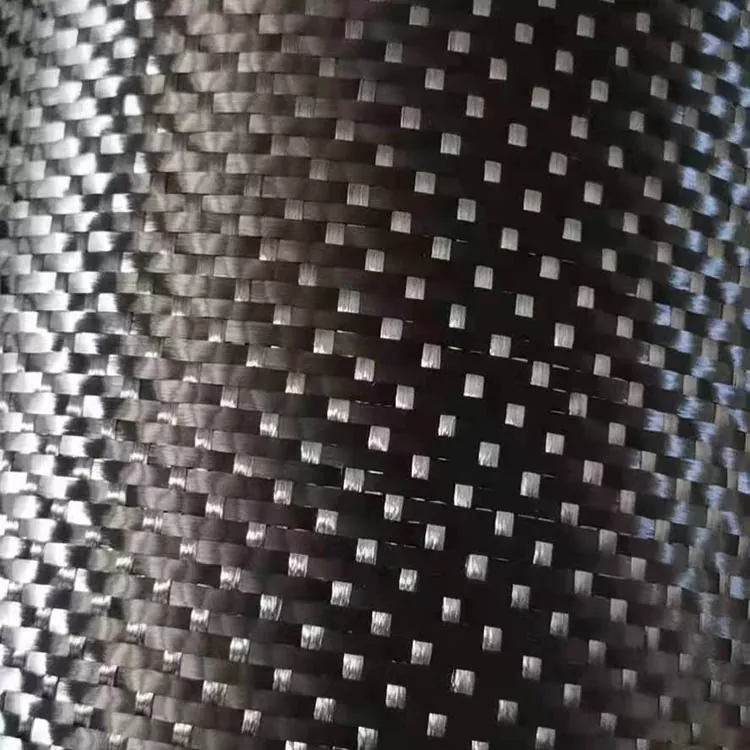
Plain Weave Carbon Fiber Fabric uses a simple over-under interlacing of warp and weft yarns to form a regular woven structure. The repeated crossing points give the fabric a stable surface that is relatively easy to identify, cut and position during composite lay-up. The warp and weft directions are also visually clear, which helps production teams maintain the intended orientation when preparing multiple plies.
For composite manufacturing, this regular structure is useful when the material needs to be handled consistently from one part to another. Fabric weight, carbon fiber grade, yarn count, width and resin compatibility still need to be specified separately because the weave pattern alone does not define the mechanical properties of the finished laminate.
How Plain Weave Affects Fabric Handling
In a plain weave, each warp yarn passes over and under successive weft yarns. This creates a relatively stable fabric structure with a regular grid-like appearance.
During cutting and lay-up, the clear warp and weft directions make it easier to check whether a ply has been placed according to the laminate drawing. This is particularly useful when several layers are cut from the same roll and each layer needs to maintain a consistent orientation.
The same construction also has limitations. Because the yarns interlace frequently, the fabric does not behave like a loose or highly drapable reinforcement. On tight radii, deep contours or complex three-dimensional molds, the actual material should be evaluated against the component geometry before production.
For this reason, fabric selection should consider both the reinforcement requirement and the way the material will be cut, positioned and formed during manufacturing.
Weave Structure and Laminate Design
A woven carbon fiber fabric provides reinforcement in both the warp and weft directions. This differs from unidirectional reinforcement, where most of the continuous fibers are concentrated along one principal direction.
For a laminated composite, the woven fabric can therefore provide a balanced reinforcement arrangement within an individual ply. However, the final fiber orientation of the component is still determined by the complete laminate schedule, including ply direction, number of layers, fabric weight and part geometry.
The weave should not be treated as a direct indication of strength. Two fabrics with the same weave can produce different composite properties when their carbon fiber grades, areal weights, resin systems or fiber volume fractions are different.
Choosing the Fabric for Different Geometries
The suitability of a woven reinforcement depends partly on the shape of the finished component. Flat panels and components with gentle curves are generally easier to cover because the fabric does not need to accommodate large changes in surface direction.
More complex molds require closer attention to drape. When the fabric is forced around a tight radius, the warp and weft can shift relative to each other, creating local distortion or wrinkles. These effects can influence both the surface appearance and the consistency of the laminate.
For a new component, a small forming trial can help determine whether the selected fabric weight and construction can follow the mold without excessive distortion. Cutting pattern, ply orientation and the sequence of lay-up should be considered together rather than evaluating the fabric separately from the manufacturing process.
Flat and Gently Curved Parts
Regular woven construction is often easier to position on flat panels, covers, plates and components with moderate curvature. The visible grid pattern also makes it relatively straightforward to check the orientation of adjacent plies during lay-up.
Complex Molded Shapes
For deeper contours or tighter radii, drape and shear behavior become more important. The fabric should be tested on the actual or representative mold, particularly when the finished surface will remain visible.
What Yuruis Can Supply
The fabric specification can be defined around the requirements of the composite manufacturing process. Typical items to confirm include:
· Plain weave construction
· Carbon fiber grade
· Areal weight / GSM
· Fabric width
· Roll length
· Thickness
· Surface requirements
· Resin compatibility
· Intended molding process
When the material is being replaced or matched to an existing production specification, providing the current fabric data sheet, sample or known GSM can help define the required construction more accurately.
Typical Plain Weave Specification
|
Property |
Details |
|
Product |
Plain Weave Carbon Fiber Fabric |
|
Material |
Carbon Fiber |
|
Weave |
Plain Weave |
|
Raw Material |
PAN-Based Carbon Fiber |
|
Form |
Woven Fabric |
|
Color |
Black |
|
Weight |
Customized according to requirement |
|
Width |
Customer Requirement |
|
Length |
Customer Requirement |
|
Thickness |
Based on fabric construction |
|
Application |
Composite Components |
|
Brand |
Yuruis |
|
Origin |
Taizhou, Jiangsu Province, China |
From Cutting to Lamination
Before resin is introduced, the fabric normally passes through several preparation steps. The required dimensions are marked and cut, then each ply is positioned according to the laminate design.
For multi-layer components, the production team may need to change the orientation of successive plies to achieve the required reinforcement arrangement. Because the warp and weft directions are easy to distinguish in a plain woven fabric, the orientation can be checked during lay-up without relying only on cutting marks.
During handling, unnecessary stretching should be avoided. Excessive tension or repeated movement can alter the local yarn arrangement, which may become visible after molding. The amount of handling required also depends on the fabric weight, weave tightness and component geometry.
Applications in Composite Manufacturing
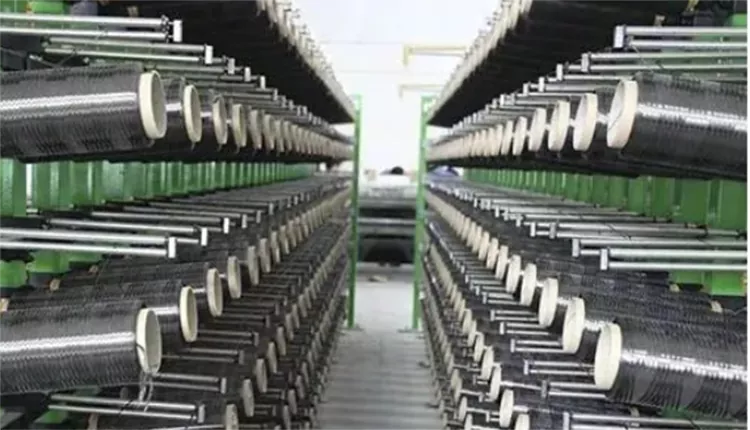
Plain Weave Carbon Fiber Fabric can be used in molded composite components where a regular woven reinforcement is compatible with the part design and manufacturing process.
In automotive applications, it may be used for interior trim, panels, covers and selected structural or semi-structural composite parts. The required fabric construction depends on the component geometry and laminate specification.
For bicycles and sports equipment, woven carbon fiber reinforcement can be incorporated into molded laminates where the required fiber orientation and thickness are established by the component design.
In electronics and industrial equipment, carbon fiber fabric may be used in housings, panels and other composite structures. Because carbon fiber is electrically conductive, electrical insulation, grounding and electromagnetic requirements should be considered where the material is used near electronic assemblies.
The appropriate fabric specification should therefore be determined from the finished component rather than from the weave pattern alone.

Surface Appearance and Processing
When the woven carbon fiber remains visible after molding, the final appearance depends on more than the dry fabric pattern. Resin distribution, fiber alignment, consolidation, mold surface condition and finishing treatment can all affect the appearance of the cured part.
For visible surfaces, the fabric should be placed consistently and protected from unnecessary displacement during lay-up. Adjacent pieces may also need to be aligned so that the woven pattern does not change noticeably from one section of the component to another.
If the component receives a clear coating or other surface treatment, the coating system should be compatible with the cured composite and the intended service environment. A uniform dry-fabric appearance does not by itself guarantee an identical appearance after molding.
FAQ
What is Plain Weave Carbon Fiber Fabric?
It is a woven carbon fiber reinforcement in which the warp and weft yarns repeatedly pass over and under each other. This creates a regular fabric structure with clearly identifiable fiber directions.
What does plain weave carbon fiber look like?
The warp and weft form a repeated over-under pattern that produces a regular grid-like appearance. It differs visually from twill fabric, which has a characteristic diagonal pattern.
Is plain weave suitable for visible carbon fiber parts?
Yes. The regular weave can form part of the visible surface of a composite component. Final appearance also depends on resin distribution, consolidation, mold condition and surface finishing.
Can plain weave be used on curved molds?
Yes, but the suitability depends on the curvature, radius and three-dimensional geometry of the mold. For complex shapes, a forming trial can help identify potential wrinkling, yarn distortion or difficulty during lay-up.
Does plain weave determine the strength of the composite?
No. Finished composite properties depend on the carbon fiber grade, fabric weight, resin system, fiber volume fraction, ply orientation, laminate thickness and curing or molding conditions. The weave is only one part of the material specification.
Can the fabric weight and width be customized?
Yes. Weight, width, roll length and other specifications can be defined according to the production requirement. The required carbon fiber grade and intended molding process should also be provided when requesting a quotation.
What information should be provided for a quotation?
Useful information includes required GSM, carbon fiber grade, weave construction, width, roll length, quantity, application and molding process. An existing fabric specification or sample can also help when the material needs to match an established production process.
Can a sample be evaluated before bulk production?
Sample evaluation can be arranged when the fabric needs to be checked for drape, resin compatibility, surface appearance or processing behavior with a specific composite manufacturing process.
Is plain weave stronger than twill weave?
Neither weave should be considered inherently stronger based on the weave pattern alone. The mechanical properties of the finished laminate are influenced by the fiber type, fabric weight, resin system, fiber orientation, laminate construction and processing conditions.
Send Inquiry
Contact Info
-
Address
No. 18, Fuyuan Road, Dalun Town Industrial Concentration Zone, Jiangyan District, Taizhou City, Jiangsu Province, China
-
Tel
-
Email
Send your requirements to Yuruis for carbon fiber materials, FRP grating or fiberglass materials. Include product specifications, dimensions, quantity, application or other requirements so our team can review the details and respond accordingly.
News Recommendations





