
English
- English
- Español
- Português
- русский
- Français
- 日本語
- Deutsch
- tiếng Việt
- Italiano
- Nederlands
- ภาษาไทย
- Polski
- 한국어
- Svenska
- magyar
- Malay
- বাংলা ভাষার
- Dansk
- Suomi
- हिन्दी
- Pilipino
- Türkçe
- Gaeilge
- العربية
- Indonesia
- Norsk
- تمل
- český
- ελληνικά
- український
- Javanese
- فارسی
- தமிழ்
- తెలుగు
- नेपाली
- Burmese
- български
- ລາວ
- Latine
- Қазақша
- Euskal
- Azərbaycan
- Slovenský jazyk
- Македонски
- Lietuvos
- Eesti Keel
- Română
- Slovenski
- मराठी
- Srpski језик

How Can a 480g Carbon Fiber Composite Mat Improve Efficiency and Consistency in Composite Manufacturing
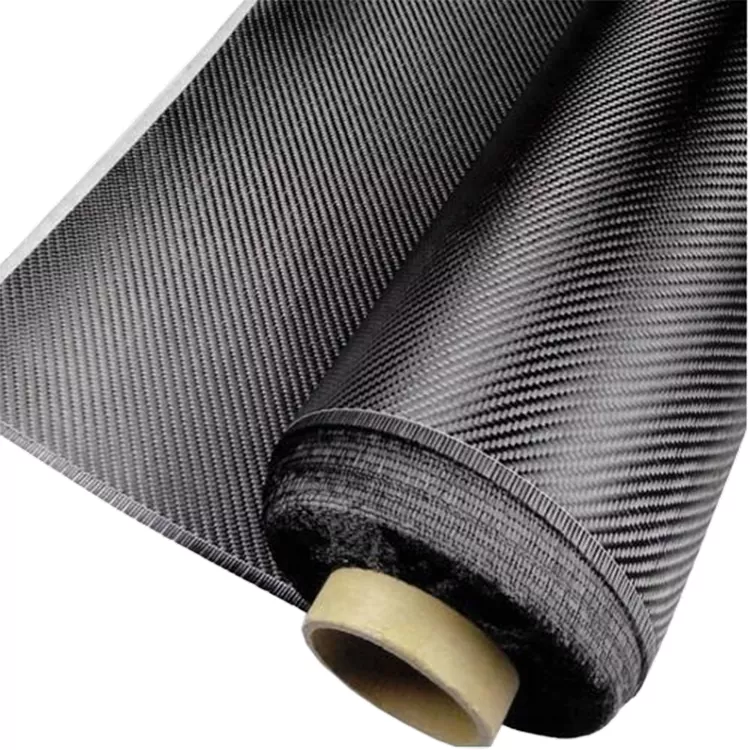
For manufacturers seeking a practical reinforcement solution for demanding composite structures, Yuruis provides the 480g Carbon Fiber Composite Mat as a combined material designed to deliver higher reinforcement loading per layer. With 450 g/m² chopped roving and a 30 g/m² carbon fiber surface mat, this configuration can simplify material handling while supporting consistent laminate construction.
A carbon fiber composite mat is selected not only by its total areal weight but also by how its reinforcement is distributed and integrated into the production process. The 480g Carbon Fiber Composite Mat from Yuruis combines 450 g/m² chopped roving with a 30 g/m² carbon fiber surface mat, producing a total areal weight of 480 g/m². This integrated structure can be considered for large composite panels, molded CFRP components, industrial composite parts, automotive components, housings, covers, and customized laminates.
The higher reinforcement loading can be particularly useful when manufacturers want to introduce more chopped reinforcement during each lay-up operation. Instead of handling separate lightweight reinforcement layers and a surface mat independently, the combined construction provides a defined material configuration. With available widths from 150 to 3200 mm, EMKC480 can also be evaluated for different mold sizes and production layouts.
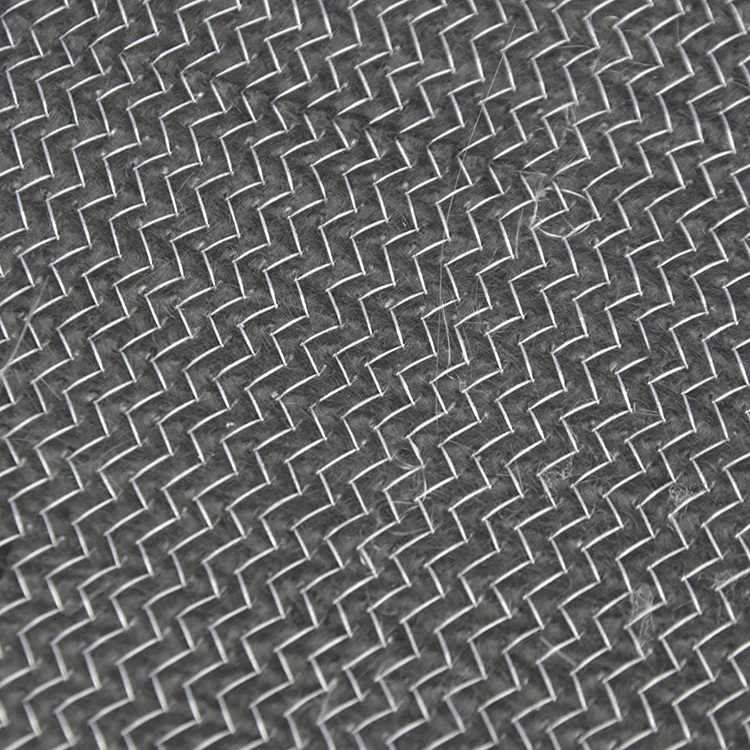
Table of Contents
What Is a 480g Carbon Fiber Composite Mat?
What Are the Technical Specifications?
How Does the 450 + 30 g/m² Structure Work?
Can It Improve Lay-Up Efficiency?
How Should Manufacturers Select the Right Grade?
What Should Be Confirmed Before Ordering?
What Is a 480g Carbon Fiber Composite Mat?
A 480g Carbon Fiber Composite Mat is a combined reinforcement material with a total areal weight of 480 g/m². The EMKC480 configuration consists of 450 g/m² chopped roving and 30 g/m² carbon fiber surface mat. This combination allows manufacturers to manage reinforcement and the carbon fiber-rich surface layer as one integrated material during lay-up.
The 480 g/m² specification is important because it defines the amount of material introduced per unit area. For composite manufacturers, this can make material planning and laminate scheduling more straightforward, particularly when a project requires relatively high reinforcement loading per layer.
Rather than assuming that a higher-weight mat is suitable for every application, manufacturers should evaluate it according to laminate thickness, resin system, fiber/resin ratio, mold dimensions, processing method, and finished-part requirements.
What Are the Technical Specifications?
The following specifications provide a practical reference when evaluating EMKC480 for a composite manufacturing project:
| Item | Specification |
|---|---|
| Product Name | 480g Carbon Fiber Composite Mat |
| Product Code | EMKC480 |
| Total Areal Weight | 480 g/m² |
| Chopped Roving | 450 g/m² |
| Carbon Fiber Surface Mat | 30 g/m² |
| Available Width | 150–3200 mm |
| Material Structure | Chopped Roving + Carbon Fiber Surface Mat |
| Brand | Yuruis |
| Origin | Taizhou, Jiangsu, China |
These defined specifications make the product easier to incorporate into a production material schedule. Width selection can also be matched with mold dimensions and cutting requirements to help reduce unnecessary material handling.
How Does the 450 + 30 g/m² Structure Work?
The primary reinforcement component is the 450 g/m² chopped roving. It accounts for most of the material weight and provides the main reinforcement portion of the composite mat.
The additional 30 g/m² carbon fiber surface mat remains integrated with the chopped reinforcement. Instead of purchasing and positioning the two materials as separate layers, manufacturers can handle the combined structure as a defined reinforcement layer.
This construction offers three practical considerations:
- Higher reinforcement loading: 450 g/m² of chopped roving provides substantial reinforcement content per material layer.
- Integrated surface component: The 30 g/m² carbon fiber mat is incorporated into the combined material structure.
- Defined material weight: The 480 g/m² total specification helps production teams identify and standardize the reinforcement schedule.
It is important to distinguish the functions of these components. The 30 g/m² carbon fiber mat is the surface component, while the 450 g/m² chopped roving represents the primary reinforcement portion of EMKC480.
Can It Improve Lay-Up Efficiency?
For repeated composite manufacturing, material handling can influence production efficiency. When a laminate requires substantial reinforcement, using several lighter layers may involve additional positioning, alignment, cutting, and handling operations.
The 480g Carbon Fiber Composite Mat provides another way to organize the reinforcement schedule by introducing a relatively high reinforcement weight in one combined layer. Depending on the engineering design, this may help reduce the number of individual reinforcement placements required to achieve a specified material construction.
However, fewer layers should never be treated as an automatic result. The final number of layers depends on the required laminate thickness, fiber/resin ratio, mechanical requirements, molding process, and structural design.
For manufacturers running repeated production, a defined 480 g/m² material can also simplify internal material identification. This is especially useful when purchasing, production, and quality teams need to work from the same standardized reinforcement specification.
Where Can It Be Used?
The 480g Carbon Fiber Composite Mat can be evaluated for applications where a higher reinforcement loading per layer and an integrated carbon fiber surface component fit the laminate design.
| Application | Potential Reason for Consideration |
|---|---|
| Large Composite Panels | Higher material weight per layer can support panel production requirements. |
| CFRP Molded Components | Combines reinforcement and carbon fiber surface material in one structure. |
| Industrial Composite Parts | Suitable for selected structures requiring higher chopped-roving loading. |
| Automotive Composite Components | Can be evaluated for selected molded composite parts. |
| Composite Housings and Covers | Provides an integrated reinforcement and surface layer. |
| Customized Laminates | Can be incorporated into customer-defined lay-up schedules. |
For large molded parts, the available width range of 150–3200 mm provides flexibility when manufacturers need to match material dimensions with molds, cutting layouts, or wider working areas.
How Should Manufacturers Select the Right Grade?
Choosing between different composite mat grades should begin with the reinforcement requirement rather than the product name alone. For example, Yuruis offers EMKC410 and EMKC480 configurations with the same 30 g/m² carbon fiber surface mat but different chopped-roving weights.
| Grade | Chopped Roving | Carbon Fiber Surface Mat | Total Areal Weight |
|---|---|---|---|
| EMKC410 | 380 g/m² | 30 g/m² | 410 g/m² |
| EMKC480 | 450 g/m² | 30 g/m² | 480 g/m² |
The key distinction is therefore the amount of chopped reinforcement contained in each grade. If the laminate design requires more reinforcement per layer, EMKC480 may be the more appropriate option for evaluation.
What Should Be Confirmed Before Ordering?
Total areal weight is only one factor in determining whether a composite mat will work for a particular production program. Before placing a bulk order, manufacturers should provide enough technical information for the material supplier to assess compatibility.
Important information includes:
- Required material width
- Estimated order quantity
- Part or mold dimensions
- Target laminate construction
- Resin system
- Lay-up method
- Finished-part application
- Expected production volume
For new projects, sample evaluation can be useful before regular production. It allows manufacturers to examine handling, cutting, lay-up behavior, resin compatibility, and the resulting laminate according to their actual process conditions.
For buyers looking for a carbon fiber composite mat, providing detailed application information at the quotation stage can also help suppliers recommend a more suitable material configuration.
Frequently Asked Questions About 480g Carbon Fiber Composite Mat
Is 480g Carbon Fiber Composite Mat suitable when fewer reinforcement layers are preferred?
It can be considered when the laminate design benefits from higher reinforcement weight per layer. Whether it actually reduces the number of layers depends on the required laminate thickness, fiber/resin ratio, structural design, and finished-part specifications.
Why does EMKC480 use 450 g/m² chopped roving?
The 450 g/m² configuration provides higher reinforcement loading while maintaining the integrated 30 g/m² carbon fiber surface structure. It is intended for applications where a lower reinforcement loading may not provide the required material weight per layer.
Is the 30 g/m² carbon fiber mat the main structural reinforcement?
No. The 30 g/m² carbon fiber mat is the surface component of the combined material. The main chopped reinforcement portion of EMKC480 is the 450 g/m² chopped roving.
Can this material be considered for large composite panels?
Yes. It can be evaluated for selected large-panel applications, particularly where higher reinforcement loading per layer is beneficial. The 150–3200 mm width range also provides flexibility for different mold and cutting layouts.
How should manufacturers choose between EMKC410 and EMKC480?
Start by determining the required chopped-roving loading in the laminate schedule. EMKC410 contains 380 g/m² chopped roving plus 30 g/m² carbon fiber surface mat, while EMKC480 contains 450 g/m² chopped roving plus the same 30 g/m² surface component.
Can Yuruis provide samples before a bulk order?
Yes. Sample evaluation can be discussed according to the intended application, required width, processing conditions, and project requirements before regular production.
Why Consider Yuruis for Composite Material Supply?
Yuruis manufactures composite materials in Taizhou, Jiangsu, China, with production capabilities covering molding, cutting, coating, and testing. Its stated carbon fiber surface mat production capacity reaches approximately 2 million m² per year, supporting both standard material supply and project-based requirements.
For manufacturers evaluating a 480g Carbon Fiber Composite Mat, the most important consideration is whether the 450 + 30 g/m² construction fits the engineering and production requirements of the finished composite part. A clearly defined material specification, suitable width, appropriate resin system, and validated lay-up schedule can help establish a more repeatable manufacturing process.
If you are planning a new composite project or looking for a reliable China manufacturer and supplier, contact us with your required width, quantity, laminate structure, resin system, and application details. Yuruis can help evaluate the 480g Carbon Fiber Composite Mat for your specific production requirements and discuss sample testing before a larger order.
Related News
- How Can a 480g Carbon Fiber Composite Mat Improve Composite Performance and Surface Quality
- How Can Custom Fiberglass Woven Roving Improve the Strength and Reliability of Composite Manufacturing
- Yuruis Strengthens Fiberglass Materials Supply with Expanded Production Capacity & New Product Grades
- Yuruis Launches High-Strength FRP Grating Solutions for Anti-Corrosion & Construction Engineering
- Yuruis Expands Carbon Fiber Materials Portfolio for Lightweight & High-Performance Applications
Leave me a message
News Recommendations





