
English
- English
- Español
- Português
- русский
- Français
- 日本語
- Deutsch
- tiếng Việt
- Italiano
- Nederlands
- ภาษาไทย
- Polski
- 한국어
- Svenska
- magyar
- Malay
- বাংলা ভাষার
- Dansk
- Suomi
- हिन्दी
- Pilipino
- Türkçe
- Gaeilge
- العربية
- Indonesia
- Norsk
- تمل
- český
- ελληνικά
- український
- Javanese
- فارسی
- தமிழ்
- తెలుగు
- नेपाली
- Burmese
- български
- ລາວ
- Latine
- Қазақша
- Euskal
- Azərbaycan
- Slovenský jazyk
- Македонски
- Lietuvos
- Eesti Keel
- Română
- Slovenski
- मराठी
- Srpski језик

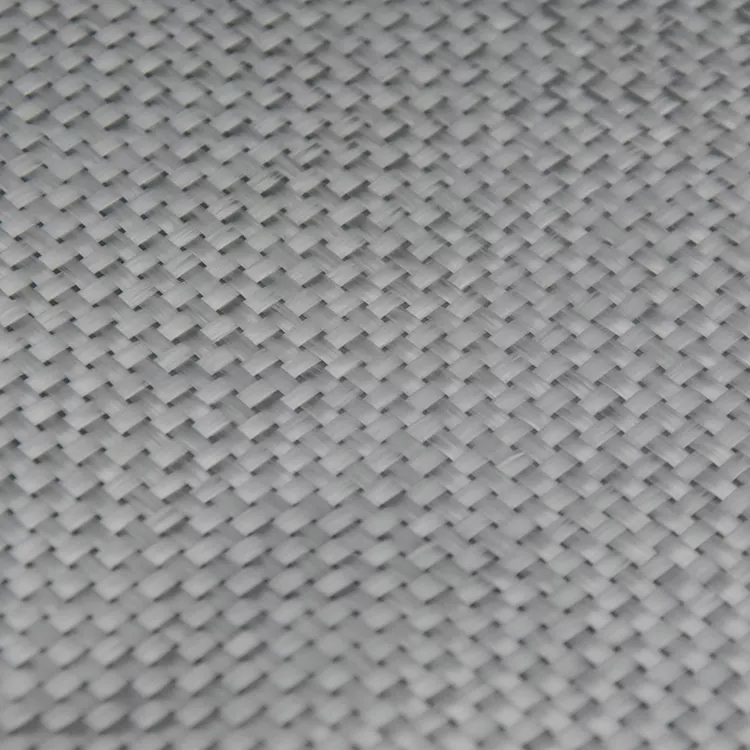
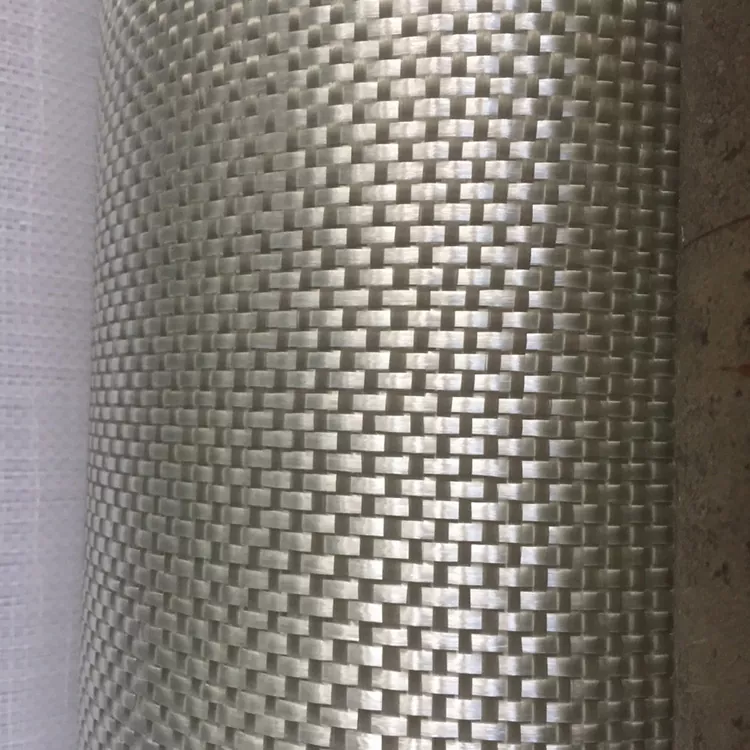
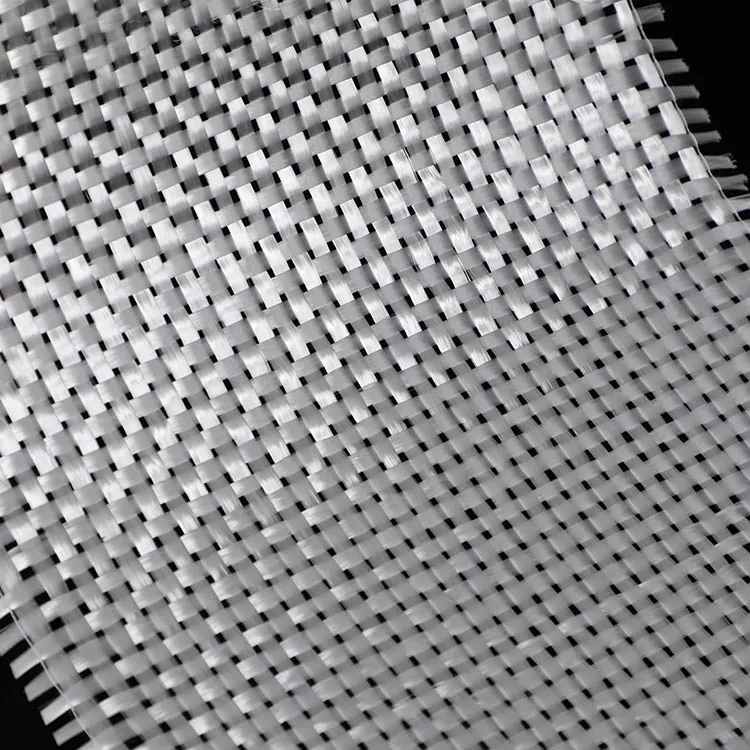
Corrosion-Resistant Insulation Fiberglass Fabric
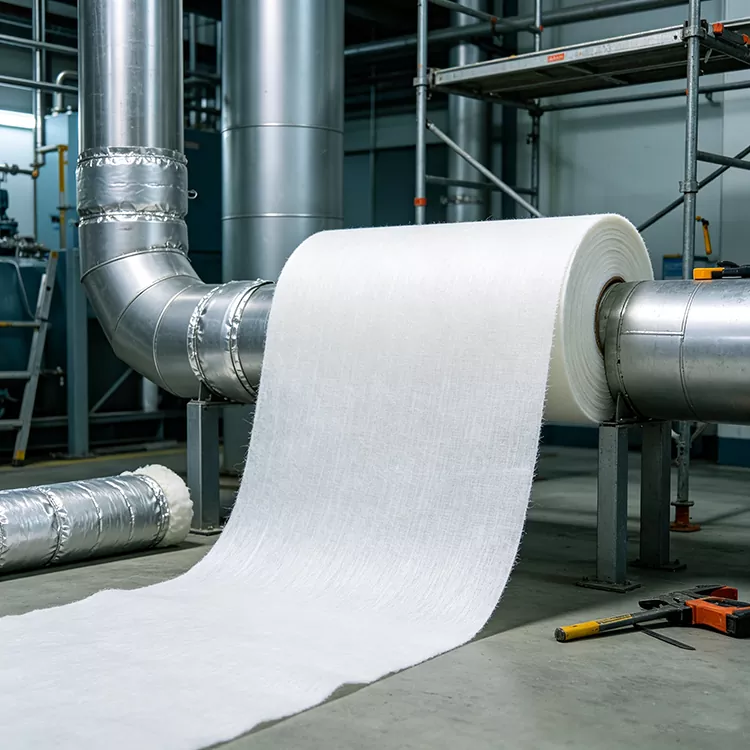
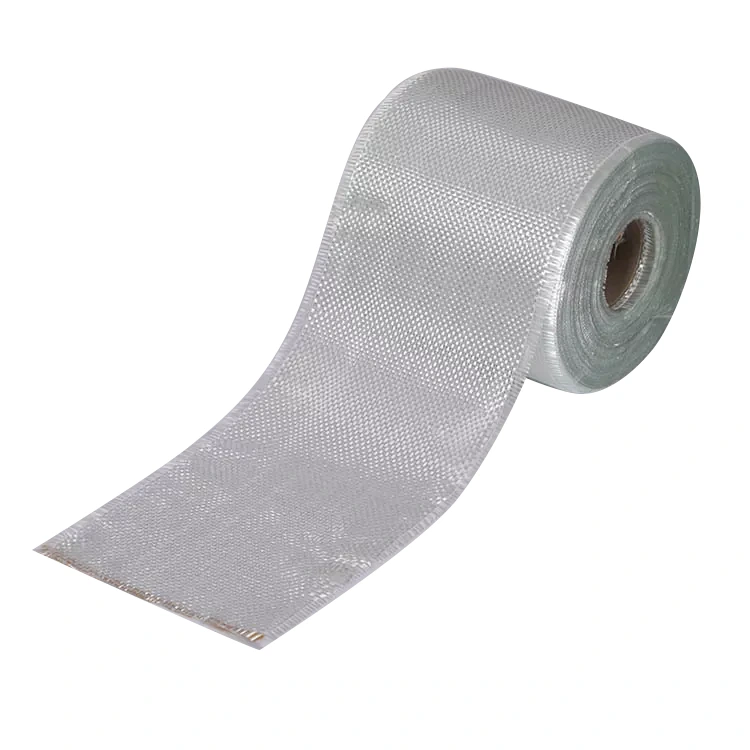
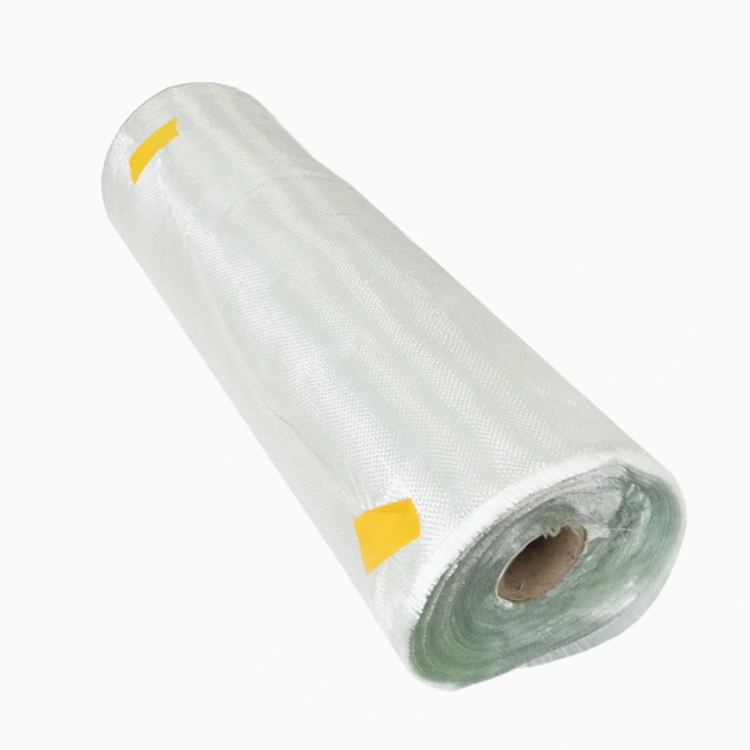
As a flexible reinforcement and protective layer, Corrosion-Resistant Insulation Fiberglass Fabric can be incorporated into composite and insulation structures where material handling and resistance to demanding environments are both important. Yuruis supplies this fiberglass fabric for industrial buyers, FRP manufacturers, and insulation product producers, with applications covering chemical equipment, electrical insulation, industrial insulation systems, and protective composite components.
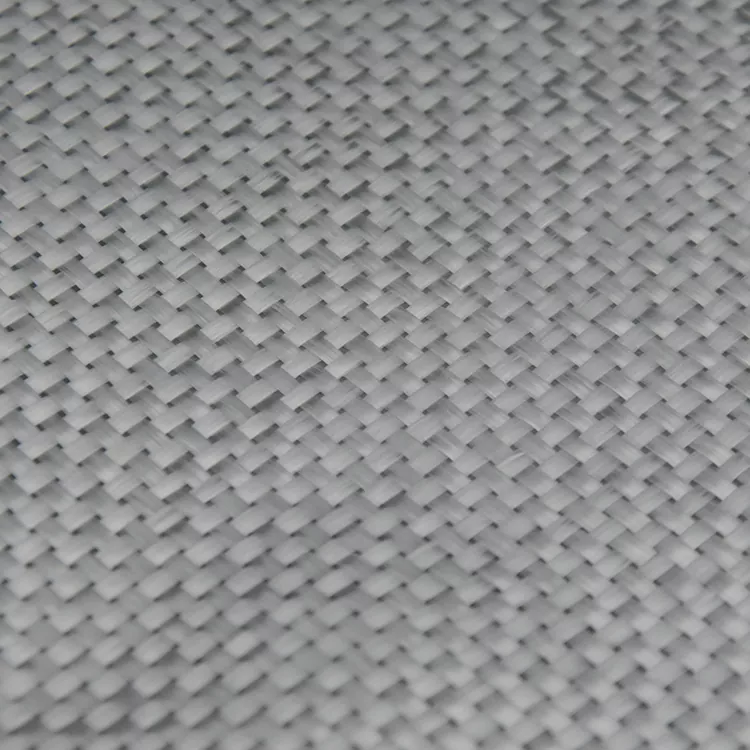
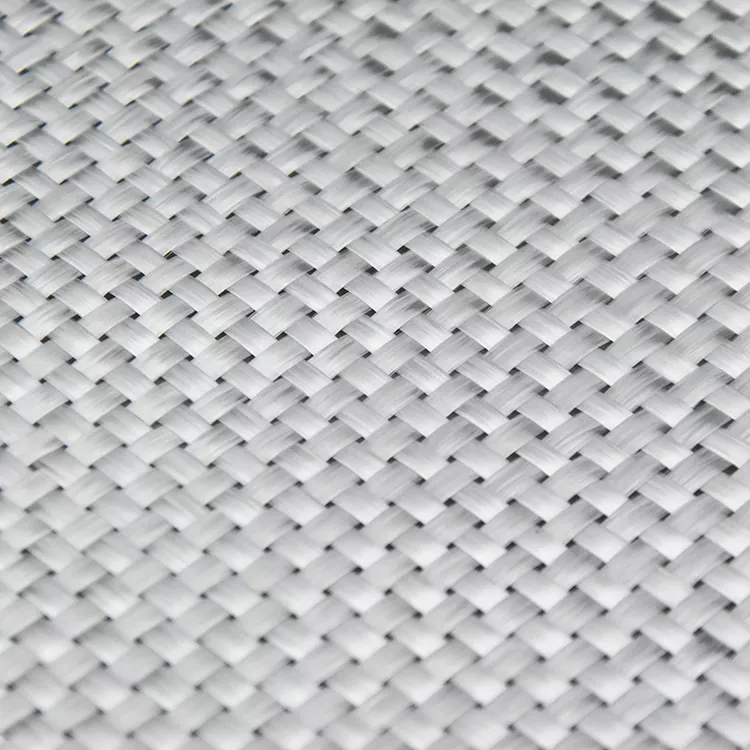
Corrosion-Resistant Insulation Fiberglass Fabric is an E-Glass reinforcement material designed for composite, insulation and protective applications where the material may be exposed to moisture, chemicals or electrical operating conditions. Its plain woven structure provides a stable fabric form that can be cut, layered, wrapped or incorporated into resin-based composite constructions.
The fabric can be used as a reinforcement layer, electrical insulation material or protective layer depending on the finished product design. For corrosion-resistant applications, the performance of the complete system depends on the fiberglass fabric, surface treatment, resin and the chemical environment in which the finished product operates.
Material Structure and Functional Properties
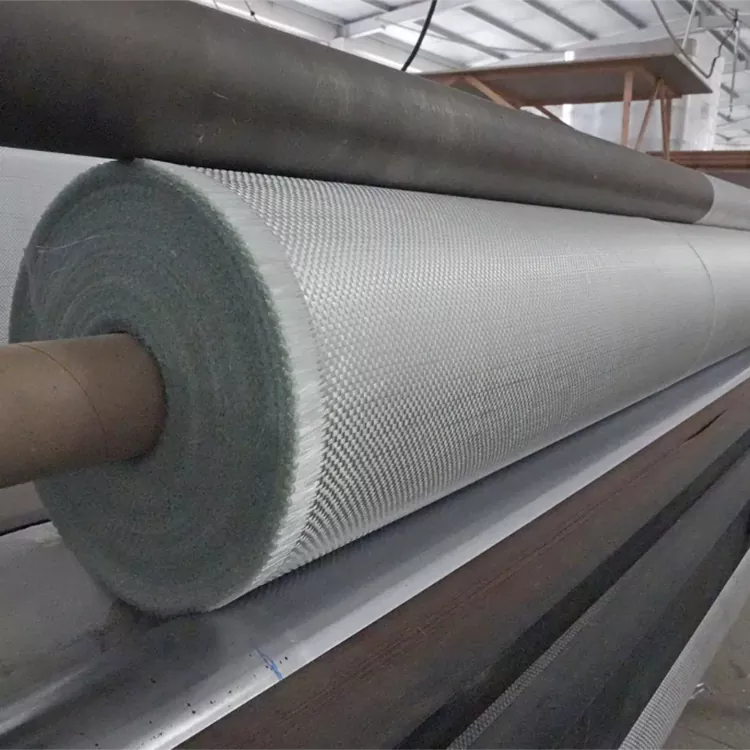
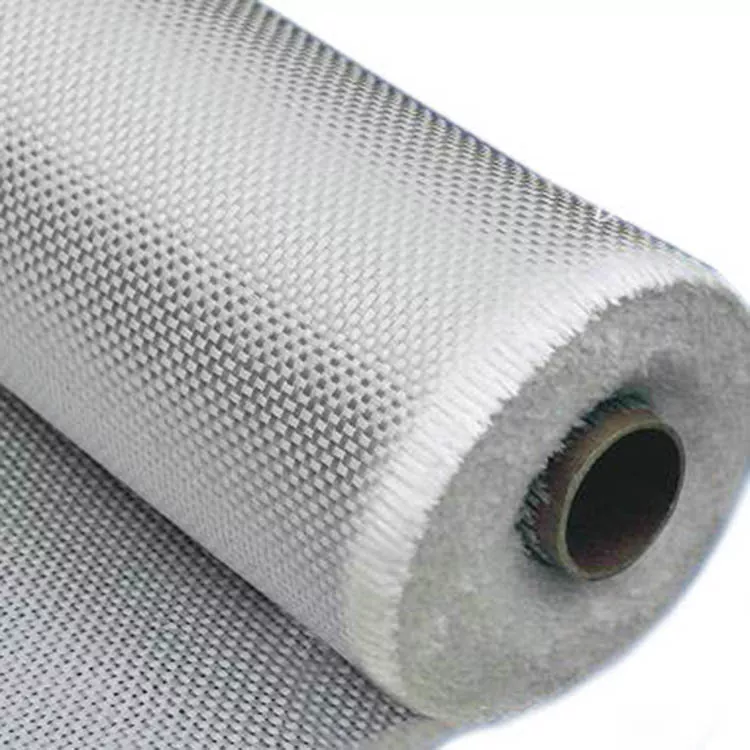
This Corrosion-Resistant Insulation Fiberglass Fabric uses E-Glass in a plain woven structure. The interlaced construction gives the material dimensional stability during cutting and fabrication while allowing it to be formed around suitable surfaces.
Key material characteristics include:
· E-Glass construction for composite reinforcement and insulation applications
· Plain woven structure for stable handling and consistent fabric formation
· Alkali-free fiberglass composition according to the listed specification
· Electrical insulation capability for suitable insulating structures
· Flexible fabric form for wrapping, layering, cutting and forming
· 0.1% moisture content according to the listed technical specification
· Impregnating agent surface treatment for use in selected composite processes
These characteristics make the material suitable for applications where a woven fiberglass reinforcement needs to be combined with insulation, protection or corrosion-resistant composite construction.
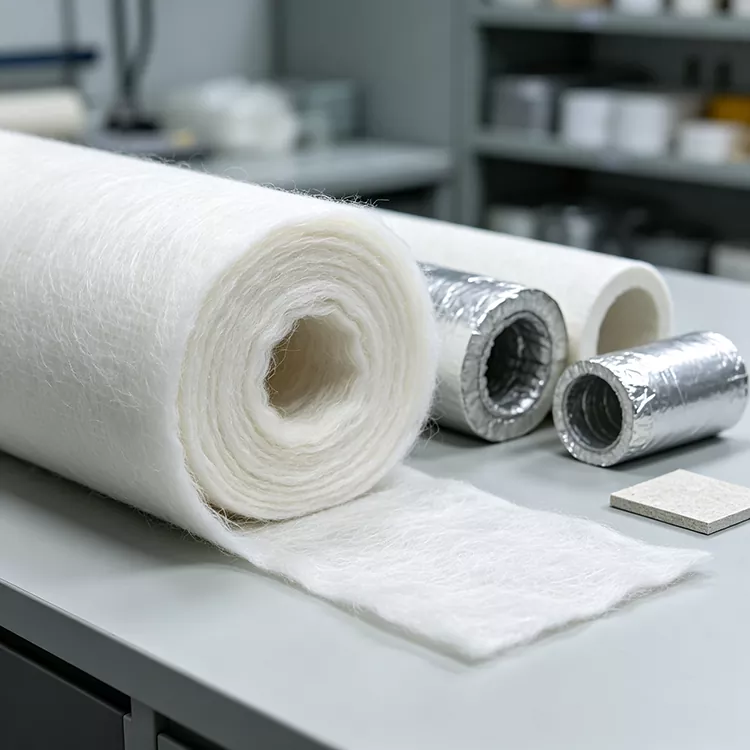
Applications in Composite and Insulation Products
The final use of the fabric depends on the laminate design, resin system, operating environment and required insulation properties. Typical applications include:
Chemical Equipment
Used as a reinforcement or protective layer in selected corrosion-resistant composite components, where the fabric is combined with a suitable resin system.
FRP Tanks and Pipes
Can be incorporated into fiberglass-reinforced plastic tanks, pipes, panels and other molded structures as part of the reinforcement system.
Electrical Insulation
Fiberglass fabric can be incorporated into electrical insulation structures where a woven inorganic reinforcement and insulating material are required.
Industrial Insulation
Used as a flexible fabric layer in selected insulation assemblies, protective coverings and barrier structures.
Environmental Equipment
Applicable to selected components used around moisture, wastewater and corrosive media when the fabric and resin system are matched to the operating conditions.
For chemical-service applications, material selection should consider the actual chemical medium, concentration, temperature, exposure time and resin formulation rather than relying on the fabric specification alone.
Technical Reference
|
Property |
Yuruis Specification |
|
Product |
Corrosion-Resistant Insulation Fiberglass Fabric |
|
Fiberglass Type |
E-Glass |
|
Weave Type |
Plain Woven |
|
Alkali Content |
Alkali Free |
|
Surface Treatment |
Impregnating Agent |
|
Color |
White |
|
Reference Width |
1 Meter |
|
Roll Length |
100 Meters |
|
Reel Weight |
40 kg |
|
Moisture Content |
0.1% |
|
Customization |
Available |
|
Certification |
ISO |
|
Packaging |
Paper Box |
|
Production Capacity |
3,000 Tons/Year |
|
Origin |
Taizhou, Jiangsu Province, China |
Specification and Customization Options
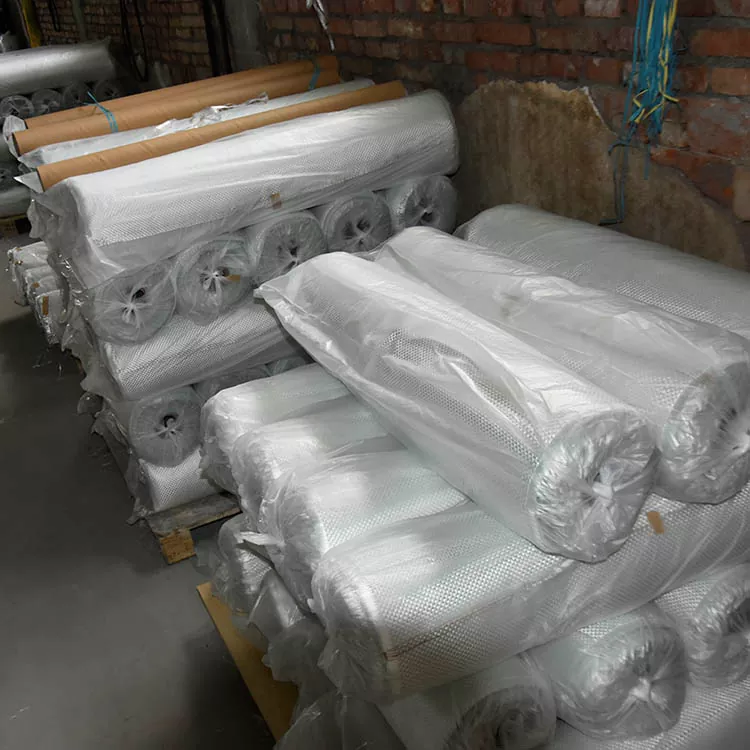
The reference specification is supplied in a 1-meter width with a 100-meter roll length and 40 kg reel weight. Customization is available when the standard configuration does not match the requirements of the finished product or production process.
Typical requirements that can be discussed include fabric width, weight, roll length, surface treatment and other production specifications. For composite applications, it is also useful to provide information about the resin system, laminate structure and forming process so that the fabric specification can be matched more accurately to the intended use.
Yuruis has a listed production capacity of 3,000 tons per year for this material category, supporting both regular supply and customized production arrangements.
Material Selection for Corrosive and Insulating Environments
When selecting fiberglass fabric for industrial equipment, the operating conditions should be considered together with the material specification. Chemical concentration, temperature, exposure duration, resin type and laminate thickness can all affect the performance of the finished composite.
For electrical or insulation applications, the required insulation structure, operating temperature and fabrication method should also be identified. Providing these details before production helps determine whether the listed E-Glass fabric and its surface treatment are appropriate for the intended construction.
This approach is particularly relevant when the Corrosion-Resistant Insulation Fiberglass Fabric will be incorporated into a finished FRP or insulation product rather than used as a standalone textile.
FAQ
1. What is Corrosion-Resistant Insulation Fiberglass Fabric used for?
It is used as a woven fiberglass reinforcement, insulation or protective layer in selected chemical equipment, FRP products, electrical insulation structures and industrial insulation applications.
2. Is fiberglass fabric resistant to all chemicals?
No material should be selected on that assumption. Chemical resistance depends on the fiberglass construction, resin system, chemical medium, concentration, temperature and exposure conditions. The complete composite system should be evaluated for specific chemical service.
3. What type of fiberglass is used?
The listed specification uses E-Glass with a plain woven structure and an alkali-free composition. The surface is treated with an impregnating agent.
4. Can the fabric be used for electrical insulation?
Yes. E-Glass is an electrically insulating material and can be incorporated into suitable insulation structures. The final insulation performance depends on the complete product construction and operating conditions.
5. Can the fabric be customized?
Yes. Custom requirements can be discussed for parameters such as width, weight, roll length, surface treatment and other specifications according to the manufacturing process.
6. What information is useful when requesting a quotation?
For an accurate material evaluation, manufacturers can provide the application, resin system, required width and weight, roll length, estimated quantity, operating temperature and chemical exposure. For electrical insulation, the required insulation conditions and fabrication process should also be specified.
Send Inquiry
Contact Info
-
Address
No. 18, Fuyuan Road, Dalun Town Industrial Concentration Zone, Jiangyan District, Taizhou City, Jiangsu Province, China
-
Tel
-
Email
Send your requirements to Yuruis for carbon fiber materials, FRP grating or fiberglass materials. Include product specifications, dimensions, quantity, application or other requirements so our team can review the details and respond accordingly.
News Recommendations





