
English
- English
- Español
- Português
- русский
- Français
- 日本語
- Deutsch
- tiếng Việt
- Italiano
- Nederlands
- ภาษาไทย
- Polski
- 한국어
- Svenska
- magyar
- Malay
- বাংলা ভাষার
- Dansk
- Suomi
- हिन्दी
- Pilipino
- Türkçe
- Gaeilge
- العربية
- Indonesia
- Norsk
- تمل
- český
- ελληνικά
- український
- Javanese
- فارسی
- தமிழ்
- తెలుగు
- नेपाली
- Burmese
- български
- ລາວ
- Latine
- Қазақша
- Euskal
- Azərbaycan
- Slovenský jazyk
- Македонски
- Lietuvos
- Eesti Keel
- Română
- Slovenski
- मराठी
- Srpski језик

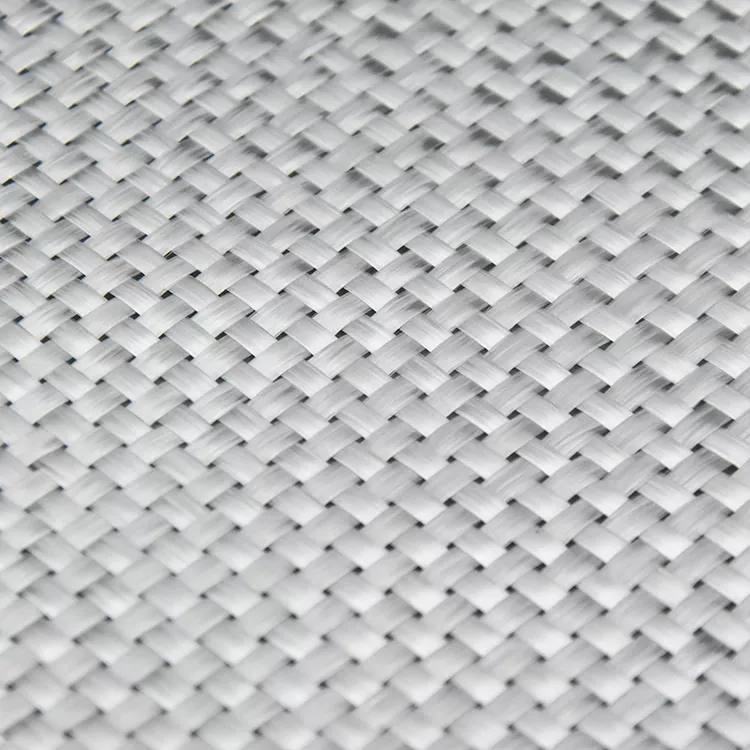
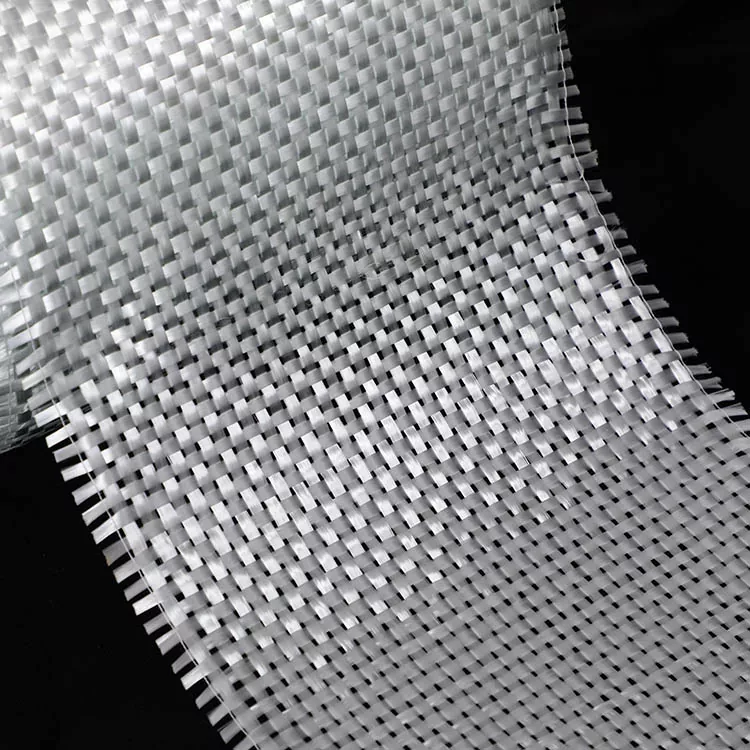
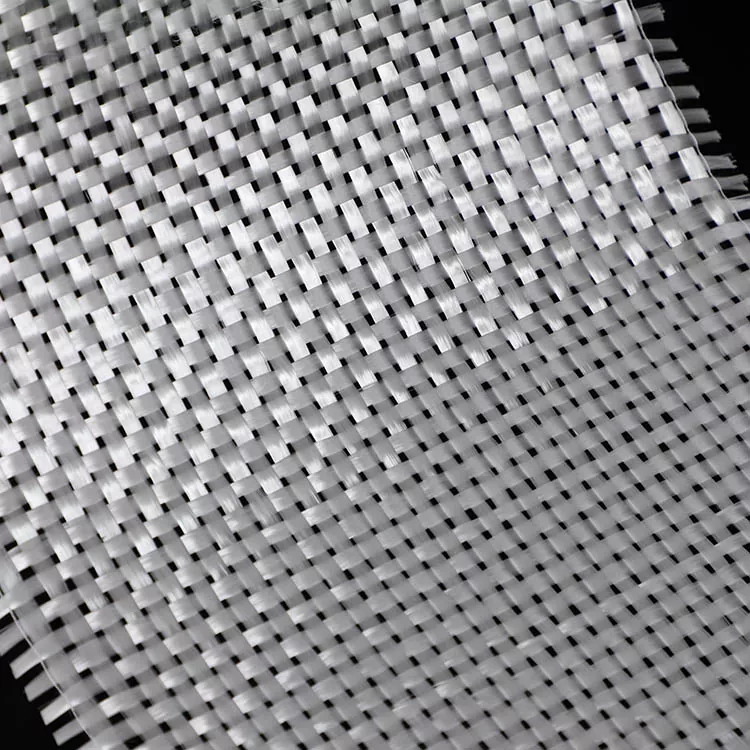
Fireproof High Temperature Resistant Fiberglass Fabric
Fire blankets, welding protection covers and thermal insulation products commonly use fiberglass fabric as a flexible protective layer. Yuruis Fireproof High Temperature Resistant Fiberglass Fabric features an alkali-free E-Glass plain woven structure and can be processed for heat protection, fire protection and other industrial applications.
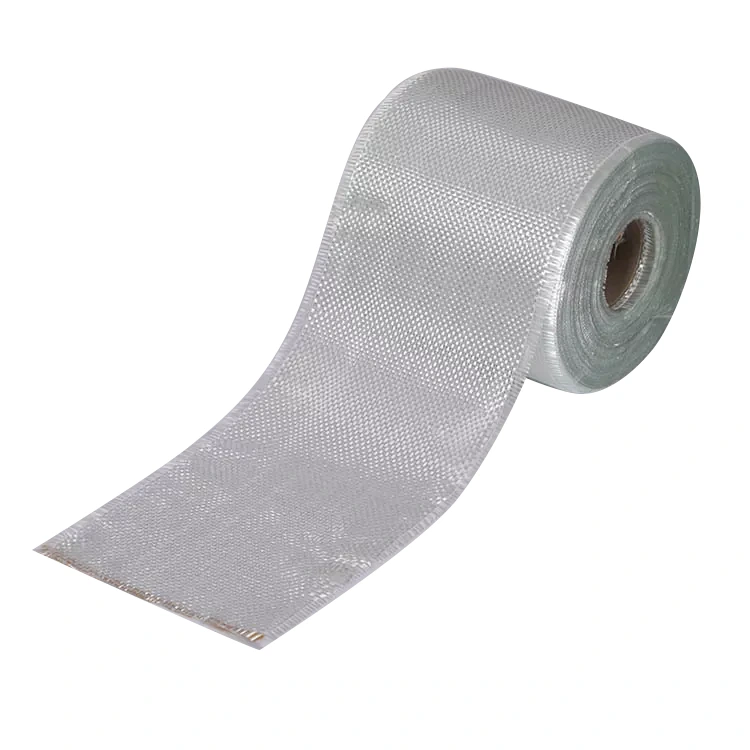
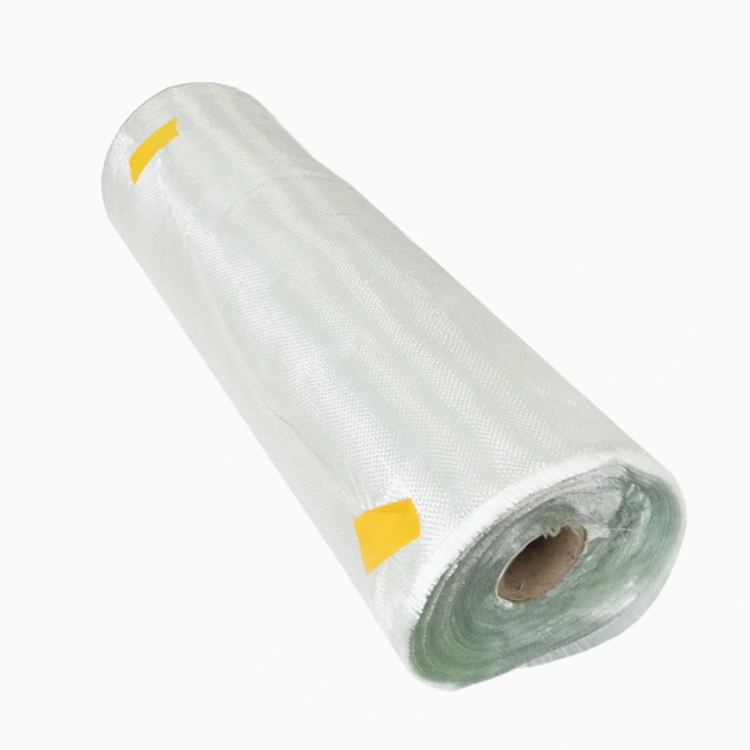
Fireproof High Temperature Resistant Fiberglass Fabric is a flexible E-Glass material supplied in roll form for heat protection, insulation and selected industrial applications. Unlike rigid insulation boards, the fabric can be cut, layered, wrapped or sewn into different finished products according to the required construction.
The material uses a plain woven structure with alkali-free fiberglass. Its actual performance in a finished product depends on the fabric construction, surface treatment, exposure temperature, duration of exposure and the way the fabric is combined with other insulation or protective materials.
Fiberglass Construction for Heat Protection
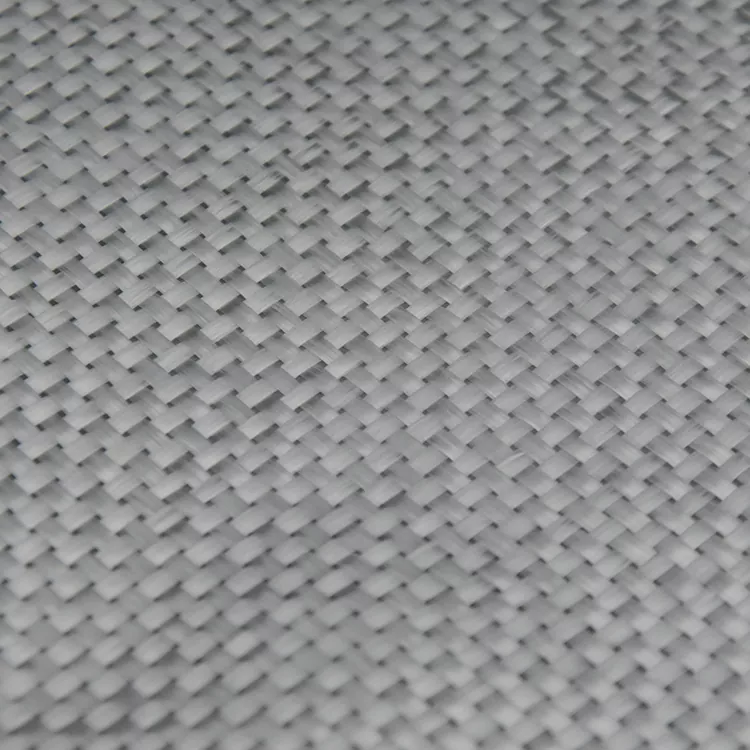
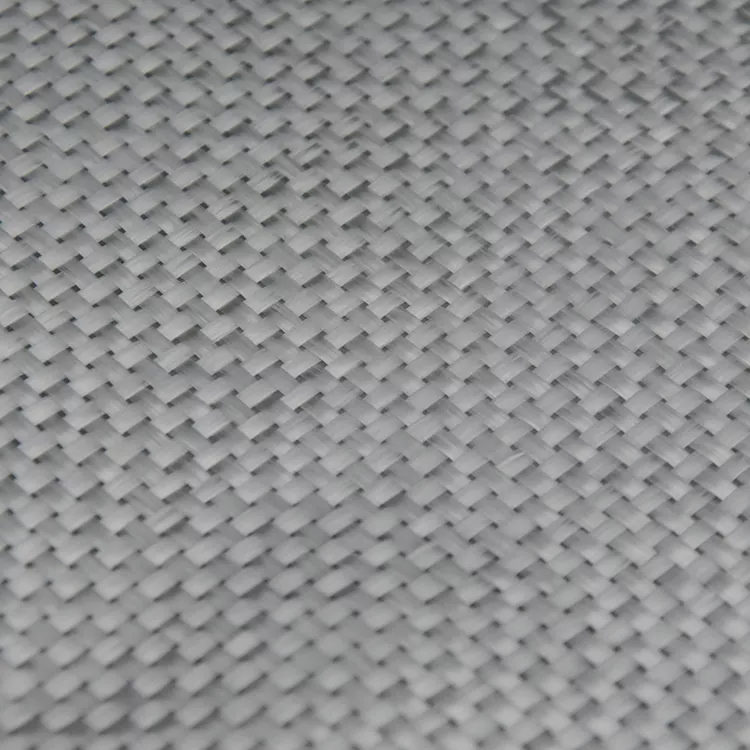
This Fireproof High Temperature Resistant Fiberglass Fabric is made from E-Glass yarns arranged in a plain woven structure. The regular warp and weft construction provides a stable textile form that can be handled during cutting, wrapping and fabrication.
The listed material uses alkali-free glass fiber and an impregnating agent surface treatment. These characteristics allow the fabric to be incorporated into flexible protective products where a woven fiberglass layer is required.
Common product constructions include:
· Welding blankets and spark protection covers
· Heat shields and flexible thermal barriers
· Equipment insulation covers
· Fire protection curtains and protective layers
· Flexible industrial insulation products
· Selected FRP and composite structures
The appropriate fabric specification should be selected according to the actual temperature and exposure conditions rather than assuming that every high-temperature application requires the same fabric construction.
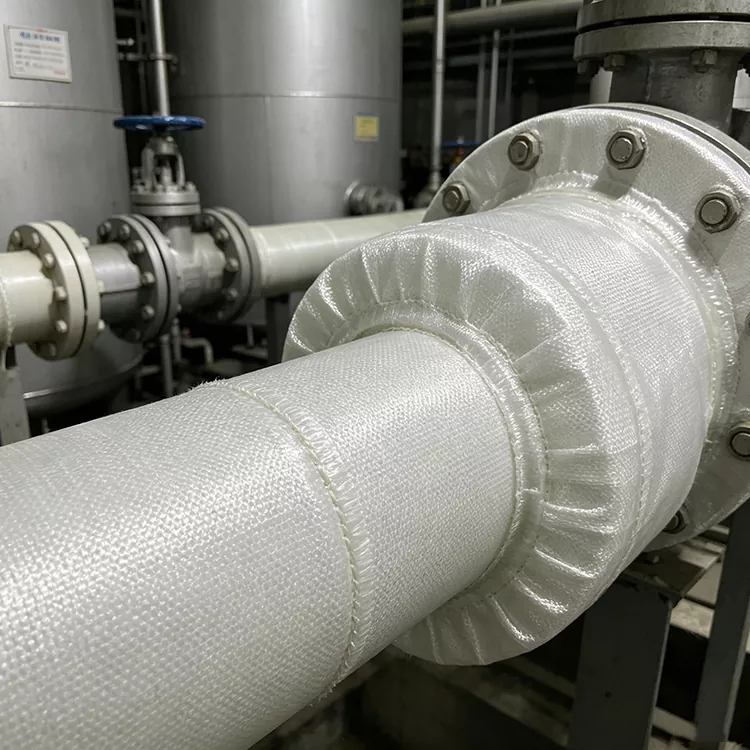
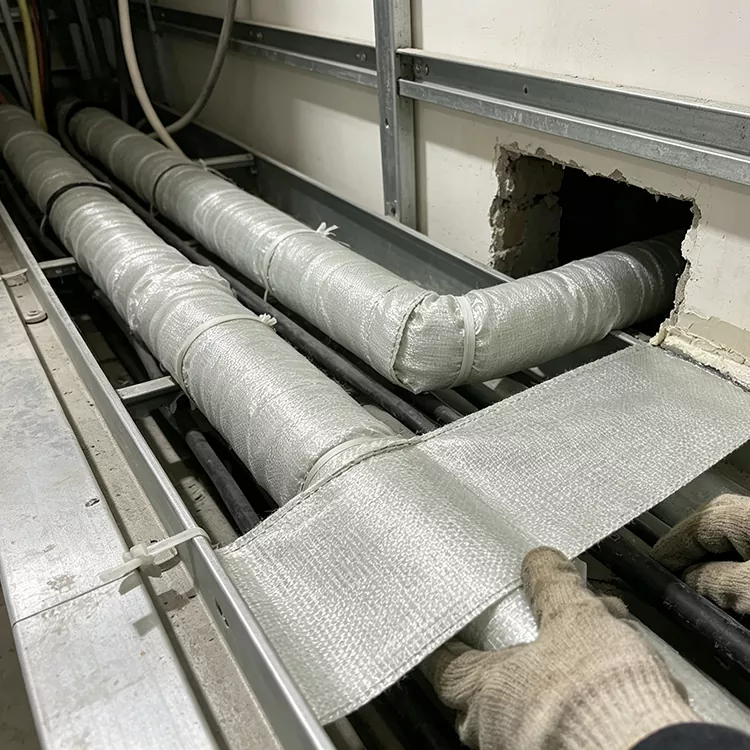
Plain Woven E-Glass Fabric Structure
Plain weaving places the warp and weft yarns in a regular interlaced pattern. Compared with a nonwoven fiberglass mat, this gives the fabric a defined textile structure that is useful for cutting, handling and forming during downstream fabrication.
The alkali-free E-Glass construction provides an inorganic fiberglass reinforcement material for industrial applications. The fabric itself is supplied as a flexible material, while the final thermal or fire-protection performance depends on the complete product design.
For applications involving direct flame, continuous high temperature or specific fire-performance requirements, the required standard and operating conditions should be confirmed before material selection.
Reference Construction
|
Property |
Details |
|
Fiberglass Type |
E-Glass |
|
Weave Type |
Plain Woven |
|
Alkali Content |
Alkali Free |
|
Surface Treatment |
Impregnating Agent |
|
Color |
White |
|
Reference Width |
1 meter |
|
Customization |
Available |
|
Certification |
ISO |
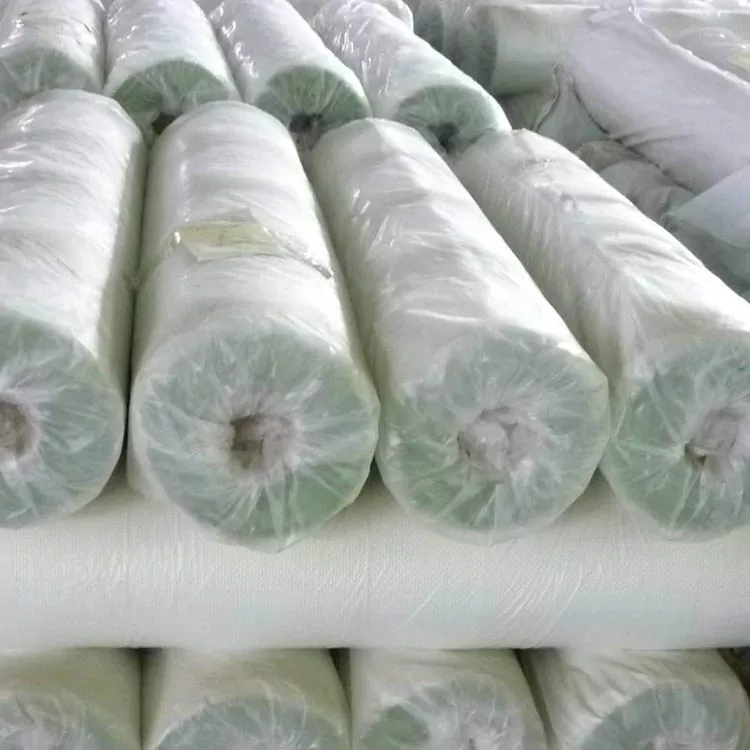
Applications and Selection Considerations
The same fiberglass fabric can be processed into different protective products, but the material requirements are not identical for every application. The finished product and its operating conditions should therefore be considered when determining the fabric specification.
Welding and Spark Protection
For welding blankets and spark shields, the relevant factors include the type of heat exposure, spark intensity, contact conditions and required coverage area.
Thermal Insulation
For insulation covers and flexible thermal barriers, the fiberglass fabric is normally used as one component of a larger insulation construction. Working temperature and the other insulation layers should be considered together.
Equipment Protection
For removable equipment covers and protective barriers, fabric width, flexibility, fabrication method and installation requirements can affect material selection.
Fire Protection Products
Fire curtains and related protective products may require specific flame-resistance or fire-test performance. Any required standard should be identified before production rather than inferred from the fiberglass material alone.
This application-based approach helps avoid using an unsuitable fabric specification simply because it is described as high-temperature resistant.
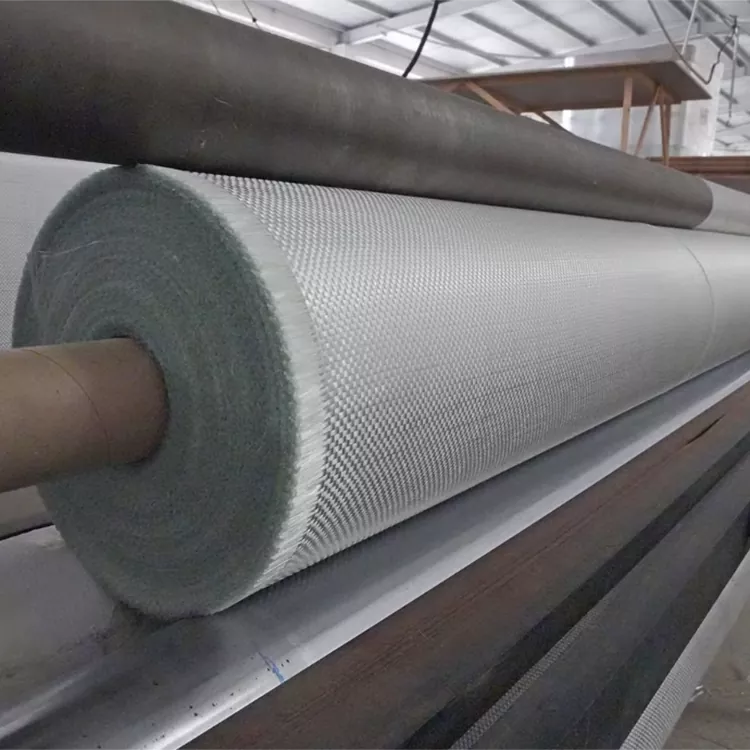
Specification and Supply
|
Item |
Yuruis Reference |
|
Product |
Fireproof High Temperature Resistant Fiberglass Fabric |
|
Material |
E-Glass |
|
Weave |
Plain Woven |
|
Alkali Content |
Alkali Free |
|
Color |
White |
|
Surface Treatment |
Impregnating Agent |
|
Application |
FRP Products / Industrial Uses |
|
Specification |
1 meter wide |
|
Customization |
Available |
|
Certification |
ISO |
|
Packaging |
Paper Box |
|
Production Capacity |
3,000 Tons/Year |
|
Origin |
Taizhou, Jiangsu Province, China |
Customization for Finished Product Requirements
The reference fabric is supplied at 1 meter wide, with customized specifications available for different production requirements. Depending on the application, the relevant parameters may include fabric width, fabric weight, roll configuration and surface treatment.
For OEM production, it is useful to provide the intended finished product and fabrication method together with the required material dimensions. This allows the fabric specification to be considered in relation to cutting, wrapping, sewing, layering or other downstream operations.
The listed production capacity is 3,000 tons per year. Actual production arrangements depend on the selected specification, order quantity and production schedule.
What to Confirm Before Material Selection
For heat-protection applications, temperature alone does not define the material requirement. The type of exposure is also important. A fabric used for intermittent welding sparks may have different requirements from one incorporated into continuous equipment insulation.
When requesting a quotation, the following information can help with specification evaluation:
· Application and finished product type
· Working temperature and exposure duration
· Direct flame, radiant heat, sparks or general thermal exposure
· Required fabric width and weight
· Roll length and estimated order quantity
· Required fire or thermal performance standard, if applicable
These details provide a more useful basis for selecting the appropriate fiberglass fabric than using the product name alone.
FAQ
1. What is Fireproof High Temperature Resistant Fiberglass Fabric used for?
It is used as a flexible fiberglass material in welding protection, heat shields, thermal insulation covers, fire protection products and selected industrial or FRP applications.
2. What type of fiberglass is used?
The listed construction uses alkali-free E-Glass with a plain woven structure and an impregnating agent surface treatment.
3. Can this fabric be used for welding blankets?
It can be incorporated into welding blankets and spark protection products. Suitability depends on the actual heat, spark and flame exposure of the finished product and should be evaluated against the intended operating conditions.
4. Does the listed specification have a specific temperature rating?
No specific continuous-use temperature is provided in the listed specification. If a project has a defined temperature range or thermal-performance requirement, this should be confirmed for the selected fabric construction before production.
5. Can the fabric width and other specifications be customized?
Yes. The reference width is 1 meter, and customized specifications can be discussed according to the finished product, fabrication process and production requirements.
6. What information should be provided for a quotation?
Provide the application, working temperature, type and duration of heat exposure, required width and weight, roll length, estimated quantity and any applicable fire or thermal-performance standard. This information helps determine whether the fabric specification matches the intended use.
Send Inquiry
Contact Info
-
Address
No. 18, Fuyuan Road, Dalun Town Industrial Concentration Zone, Jiangyan District, Taizhou City, Jiangsu Province, China
-
Tel
-
Email
Send your requirements to Yuruis for carbon fiber materials, FRP grating or fiberglass materials. Include product specifications, dimensions, quantity, application or other requirements so our team can review the details and respond accordingly.
News Recommendations





