
English
- English
- Español
- Português
- русский
- Français
- 日本語
- Deutsch
- tiếng Việt
- Italiano
- Nederlands
- ภาษาไทย
- Polski
- 한국어
- Svenska
- magyar
- Malay
- বাংলা ভাষার
- Dansk
- Suomi
- हिन्दी
- Pilipino
- Türkçe
- Gaeilge
- العربية
- Indonesia
- Norsk
- تمل
- český
- ελληνικά
- український
- Javanese
- فارسی
- தமிழ்
- తెలుగు
- नेपाली
- Burmese
- български
- ລາວ
- Latine
- Қазақша
- Euskal
- Azərbaycan
- Slovenský jazyk
- Македонски
- Lietuvos
- Eesti Keel
- Română
- Slovenski
- मराठी
- Srpski језик

Wholesale Carbon Fiber Surface Mat from China
Carbon Fiber Surface Mat is a non-woven carbon fiber reinforcement used as a surface or intermediate layer in composite manufacturing. Yuruis supplies 10g, 30g and 60g grades, as well as conductive and application-specific options for CFRP manufacturers and industrial composite processors.
The material is selected according to the required basis weight, fiber distribution, dimensions, electrical requirements and position within the laminate. These factors are more useful for material selection than choosing a grade by weight alone.
Material Structure
This material has a non-woven fiber structure rather than the defined weave pattern found in carbon fiber fabric. The fibers are distributed through the mat, allowing it to be incorporated into composite laminates as a surface or intermediate layer.
Its role depends on the design of the finished component. In some laminates, the material is used where a lightweight carbon fiber layer is required; in others, it forms part of a conductive or application-specific composite structure.
Available Weight Grades
Yuruis offers different basis weights for applications with different laminate and layer requirements. The main options are 10g, 30g and 60g, with the suitable grade depending on the required material weight, layer thickness and composite structure.
10g Carbon Fiber Surface Mat
The 10g grade is suitable for applications where a lightweight non-woven carbon fiber layer is required. It can be used as a thin surface or intermediate layer according to the laminate design.
30g Carbon Fiber Surface Mat
The 30g grade provides a higher basis weight than the 10g option and can be selected for composite structures requiring a more substantial mat layer. The final specification should match the laminate and processing conditions.
60g Carbon Fiber Surface Veil
The 60g grade is intended for applications requiring a higher-weight non-woven carbon fiber layer. Its use should be determined by the required laminate construction and the role of the material in the finished component.
|
Basis Weight |
Material Profile |
Typical Selection Consideration |
|
10g |
Low basis weight |
Thin or lightweight layers |
|
30g |
Medium basis weight |
General surface or intermediate layers |
|
60g |
Higher basis weight |
More substantial carbon fiber layers |
Conductive and Industrial Options
Some projects require more than a lightweight non-woven reinforcement. For conductive composites or industrial structures, the material specification needs to be matched to the function of the finished component and its manufacturing conditions.
Electrical Conductive Carbon Fiber Surface Mat
This grade is intended for composite applications where electrical conductivity is part of the material requirement. Electrical specifications should be confirmed according to the finished composite and its intended use.
Conductive Carbon Fiber Mat for Electric Vehicles
This option is intended for electric vehicle composite applications where conductive material requirements form part of the component specification. The appropriate grade should be confirmed with the complete composite design.
Industrial Carbon Fiber Surface Mat
For industrial composite production, selection can be based on the component structure, resin system, processing conditions and operating environment rather than basis weight alone.
Carbon Fiber Surface Mat for Industrial Storage Tanks
For composite storage tank applications, the material should be evaluated together with the resin system, laminate construction and service environment. These factors help determine whether the selected grade is suitable for the intended structure.
What to Confirm Before Ordering
For a quotation or technical review, the product name alone does not define the complete material requirement. Providing the following information can make specification and production discussions more precise.
|
Item |
Details to Confirm |
|
Basis weight |
Required gsm and acceptable tolerance |
|
Dimensions |
Roll width, length and cutting requirements |
|
Fiber specification |
Carbon fiber type and material construction |
|
Electrical properties |
Conductive requirements where applicable |
|
Resin and process |
Resin system, lay-up method and forming conditions |
|
End application |
Finished component, equipment or composite structure |
|
Order quantity |
Trial requirement, batch size or regular order volume |
Application Considerations
The material can be incorporated into composite components used in automotive and electric vehicle applications, industrial equipment, storage tank structures and other CFRP products. The specific grade should be determined by the role of the mat within the laminate rather than by the end-use category alone.
For conductive applications, the required electrical characteristics should be established before production. For industrial structures, the resin system, laminate construction and operating environment also need to be reviewed.
Yuruis Fiber Composite Materials
Taizhou Yuruis New Materials Co., Ltd. supplies carbon fiber and glass fiber reinforcement materials for composite manufacturing. Its product range covers surface mats, carbon fiber fabrics, composite mats and prepreg materials for different production requirements.
For sourcing and technical inquiries, customers can provide the required basis weight, dimensions, application, processing method and order quantity. Yuruis can discuss the applicable material specification based on the intended composite structure.
FAQ
What is a carbon fiber surface mat?
It is a non-woven carbon fiber reinforcement supplied in mat or veil form. Depending on the product specification, it can be incorporated into a composite laminate as a surface or intermediate layer.
How is it different from carbon fiber fabric?
The main structural difference is the fiber arrangement. A surface mat has a non-woven structure, while carbon fiber fabric uses a defined woven construction. Their roles within a composite laminate are therefore not necessarily the same.
How should I choose between 10g, 30g and 60g?
The choice should be based on the required basis weight, laminate design, layer position, material thickness and manufacturing process. The finished component should be considered before confirming the grade.
Are conductive options available?
Yes. Yuruis offers conductive carbon fiber mat options for applications where electrical characteristics are part of the material specification.
What specifications should be included in a quotation request?
Useful information includes basis weight, dimensions, fiber specification, electrical requirements if applicable, resin and processing method, end application and order quantity.
- View as
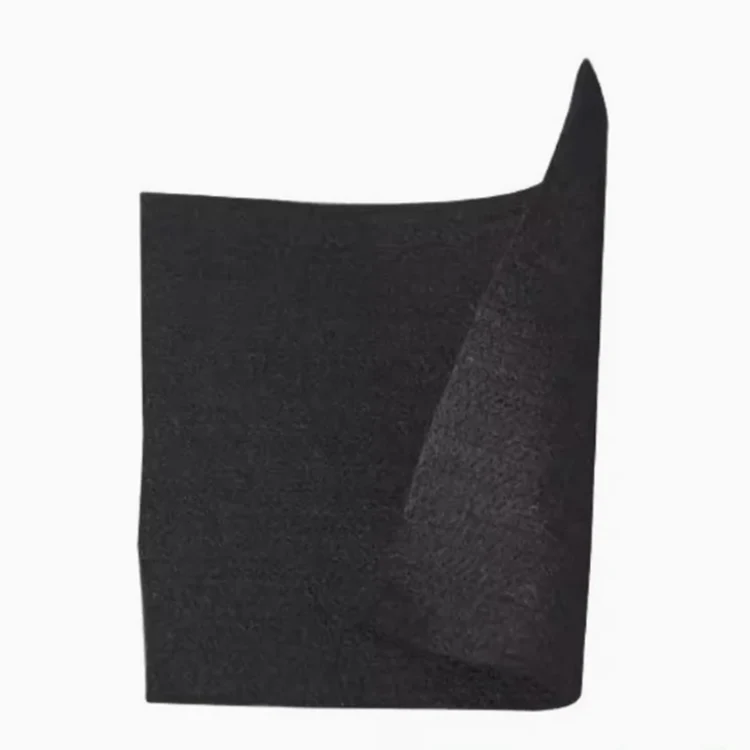
20g Carbon Fiber Surface Mat
20g Carbon Fiber Surface Mat from Yuruis is made from 100% chopped carbon fiber and produced by fiber dispersion and wet forming. The mat has a uniform fiber structure, smooth surface and good flexibility. It is mainly used as a surface layer for CFRP parts, as well as in selected FRP, chemical, electronic and other composite applications. Standard widths include 1 m and 1.25 m, with customized weight and specifications available for bulk orders.
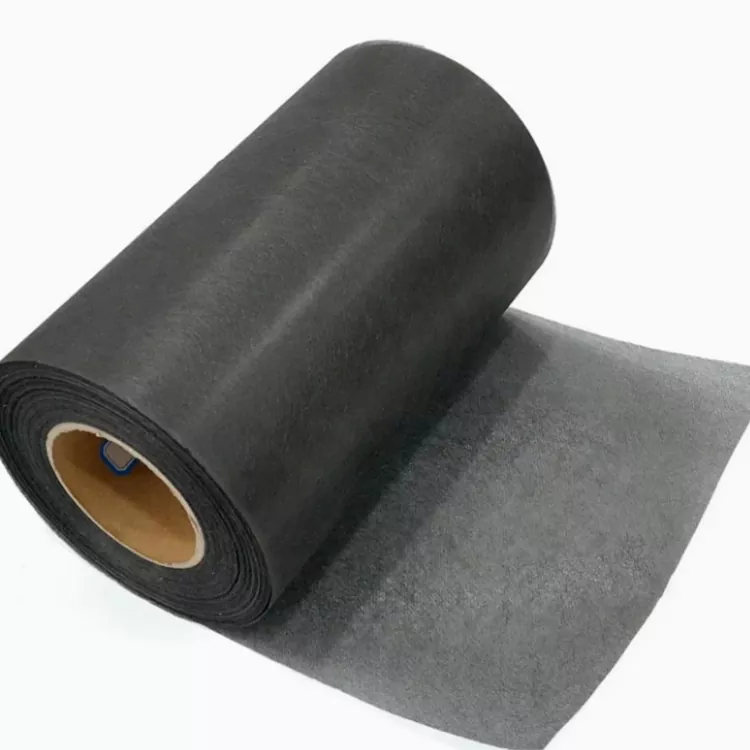
50g Electrically Conductive Carbon Fiber Felt
With an areal weight of 50g/m², 50g Electrically Conductive Carbon Fiber Felt provides a lightweight non-woven carbon fiber layer for conductive and functional composite applications. Made from PAN-based carbon fiber, it can be used in fuel cell components, electronic housings, electric heating products, EMI/RF shielding structures and automotive parts. Yuruis supports customized dimensions for production and bulk sourcing.
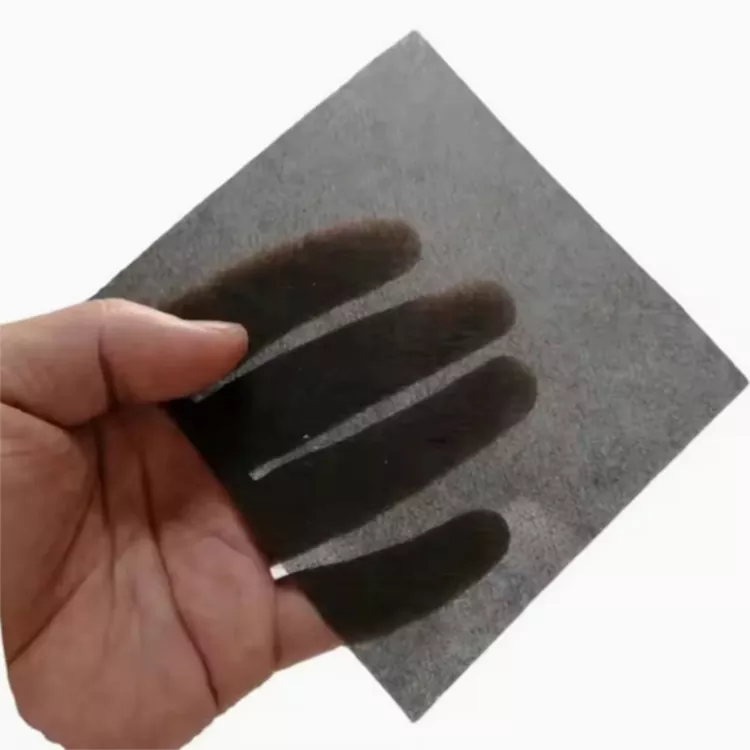
60g Carbon Fiber Surface Veil
With a nominal areal weight of 60g/m², Yuruis 60g Carbon Fiber Surface Veil is available in 1-meter and 1.25-meter widths, with customized thickness, dimensions and length. It is supplied from Taizhou, Jiangsu, with production capacity of up to 2 million m² per year for composite material orders with different specification requirements.
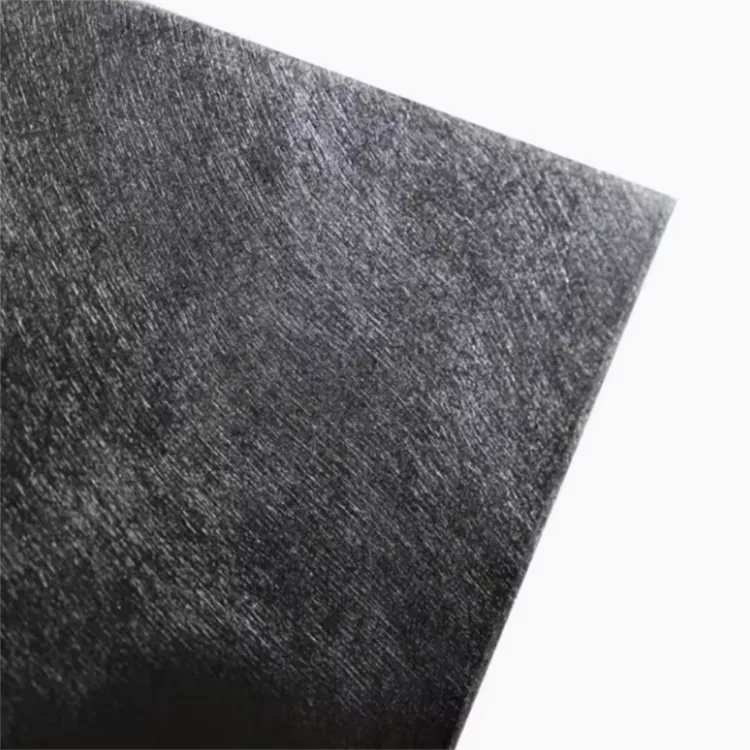
Carbon Fiber Surface Mat for Wet Electrostatic Precipitators
Yuruis Carbon Fiber Surface Mat for Wet Electrostatic Precipitators is intended for FRP tank manufacturers and industrial composite fabricators looking for a lightweight carbon fiber surface material that can improve the finish of molded tanks and integrate into corrosion-resistant composite structures. The chopped, non-woven carbon fiber mat offers uniform fiber distribution, good resin absorption, and flexible forming characteristics for chemical storage tanks, FRP vessels, process containers, and related industrial equipment.
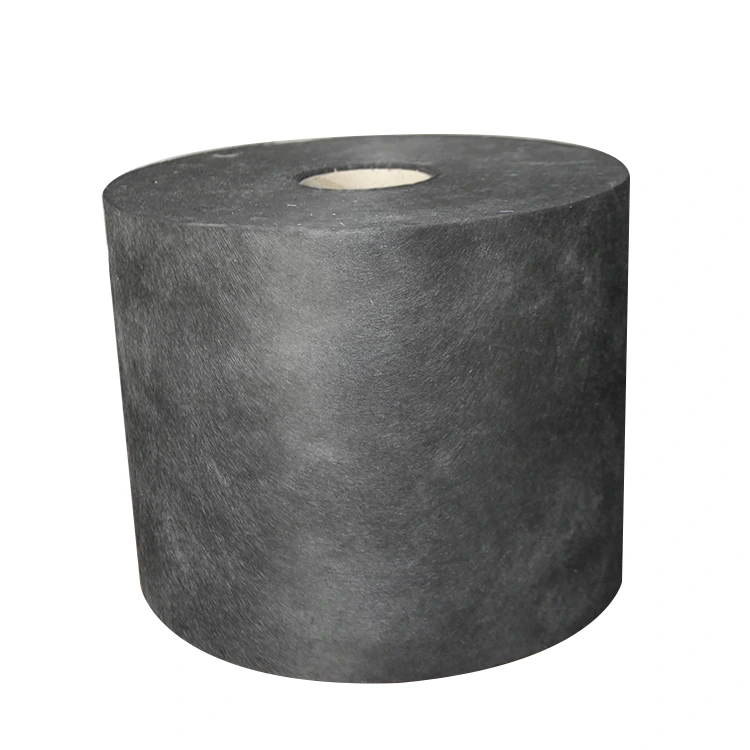
Industrial Carbon Fiber Surface Mat
Surface coverage and laminate configuration are key considerations when using Industrial Carbon Fiber Surface Mat in composite manufacturing. Available in 1 m and 1.25 m widths with customized thickness, length and dimensions, it can be used for FRP equipment, molded industrial parts, automotive components, electronic housings and sports products. Yuruis supports customized supply for different production requirements.
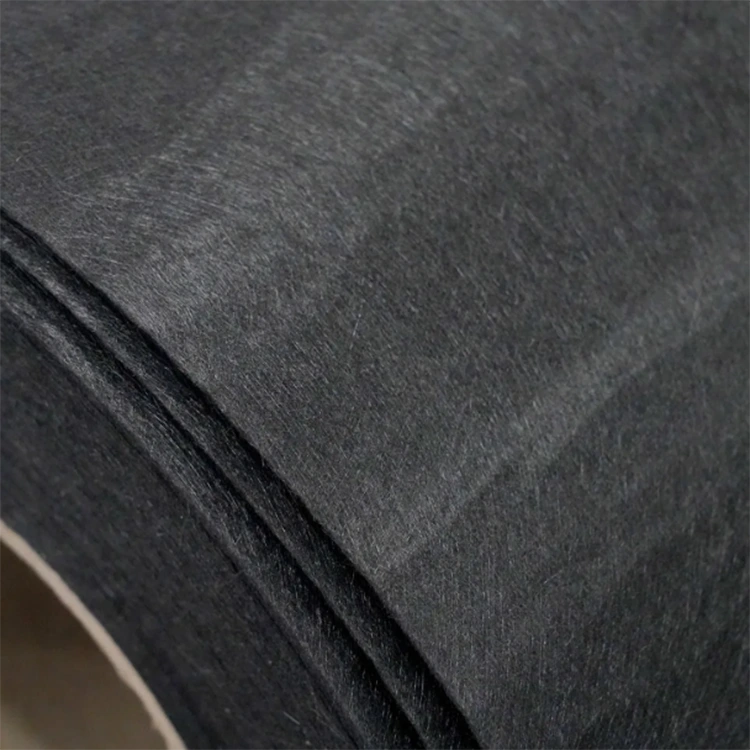
Electrically Conductive Carbon Fiber Surface Mat
Electrically Conductive Carbon Fiber Surface Mat adds a conductive carbon fiber layer to FRP structures used in chemical storage, water treatment and process equipment. Available in 1 m and 1.25 m widths with customized thicknesses and dimensions, it can be incorporated into tanks, vessels and other industrial composite equipment. Yuruis supports bulk supply for manufacturing and project requirements.
Yuruis is a professional Carbon Fiber Surface Mat manufacturer and supplier in China. Welcome to import quality products from our factory here.
News Recommendations





