
English
- English
- Español
- Português
- русский
- Français
- 日本語
- Deutsch
- tiếng Việt
- Italiano
- Nederlands
- ภาษาไทย
- Polski
- 한국어
- Svenska
- magyar
- Malay
- বাংলা ভাষার
- Dansk
- Suomi
- हिन्दी
- Pilipino
- Türkçe
- Gaeilge
- العربية
- Indonesia
- Norsk
- تمل
- český
- ελληνικά
- український
- Javanese
- فارسی
- தமிழ்
- తెలుగు
- नेपाली
- Burmese
- български
- ລາວ
- Latine
- Қазақша
- Euskal
- Azərbaycan
- Slovenský jazyk
- Македонски
- Lietuvos
- Eesti Keel
- Română
- Slovenski
- मराठी
- Srpski језик

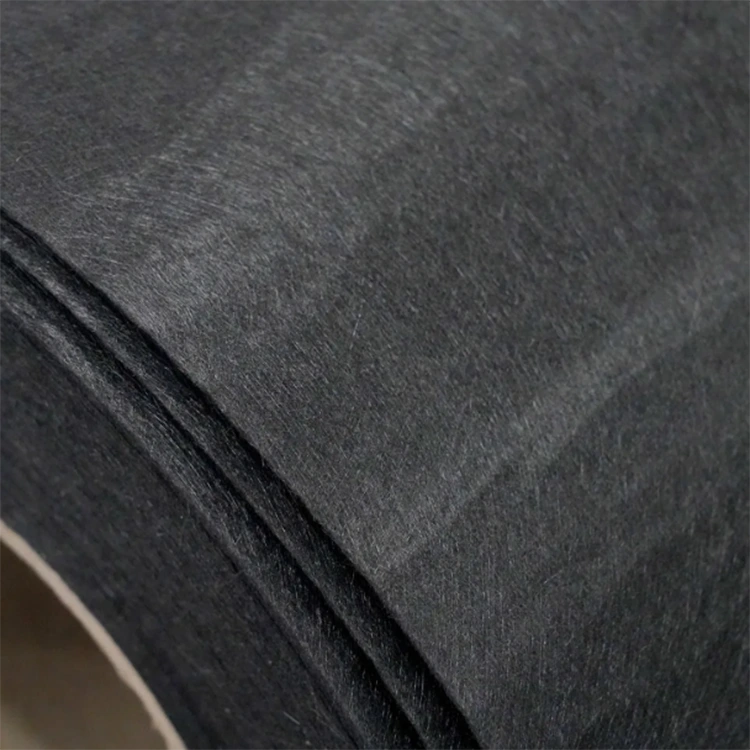
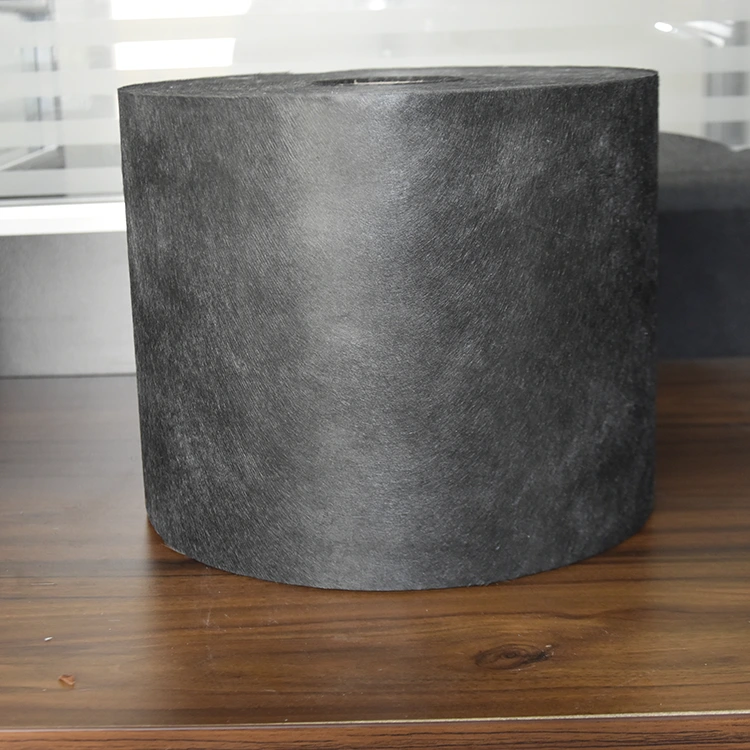
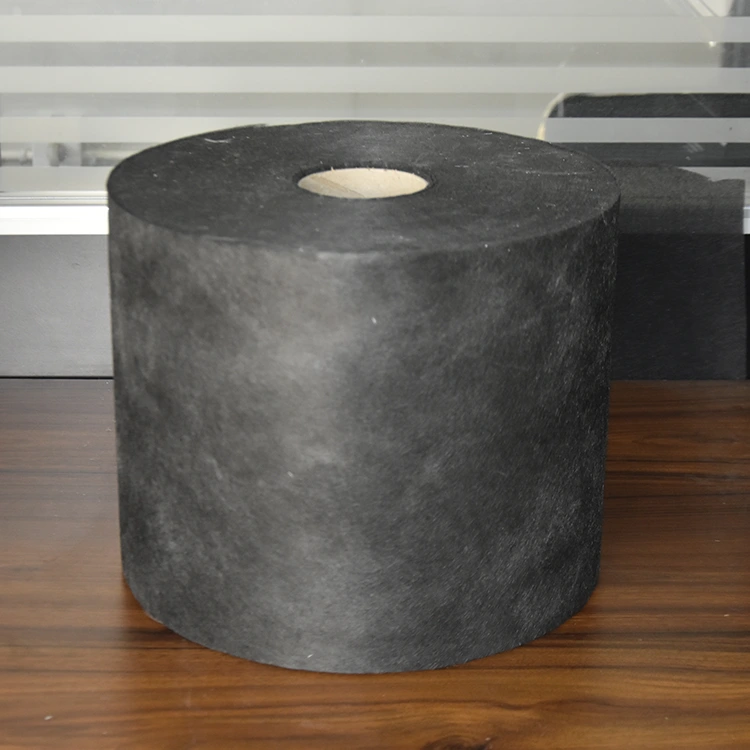
Electrically Conductive Carbon Fiber Surface Mat
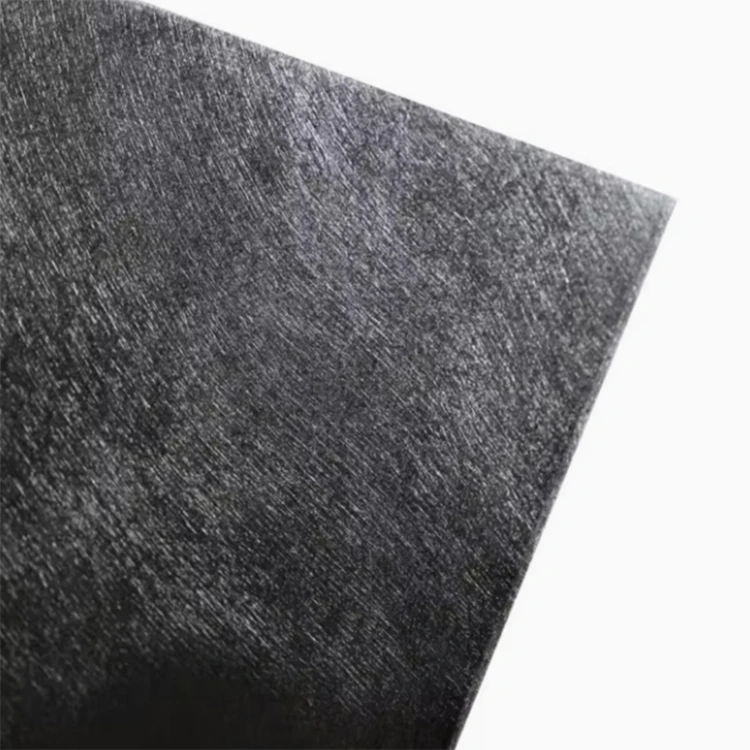
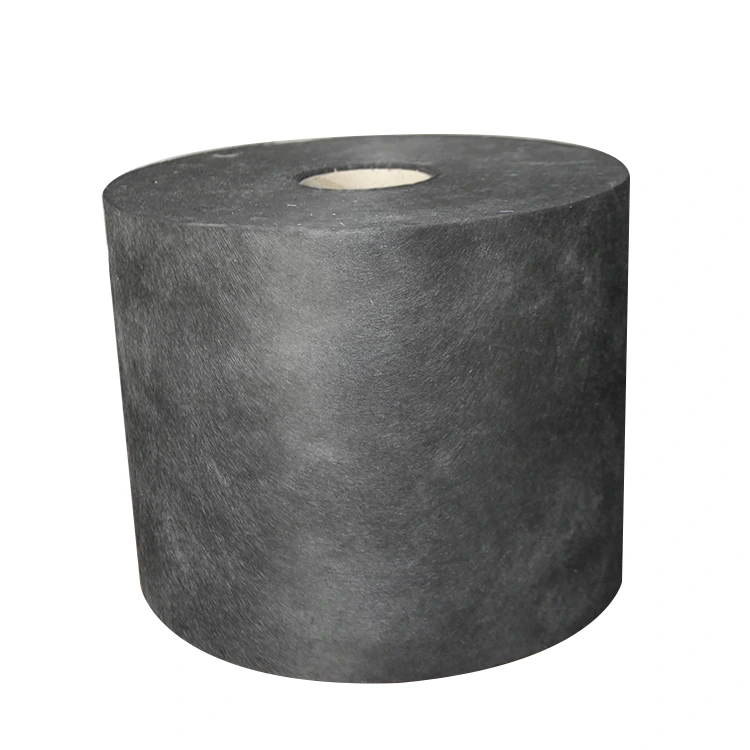
Electrically Conductive Carbon Fiber Surface Mat adds a conductive carbon fiber layer to FRP structures used in chemical storage, water treatment and process equipment. Available in 1 m and 1.25 m widths with customized thicknesses and dimensions, it can be incorporated into tanks, vessels and other industrial composite equipment. Yuruis supports bulk supply for manufacturing and project requirements.
Electrically Conductive Carbon Fiber Surface Mat is designed for composite components that require a non-woven carbon fiber layer with conductive properties. In FRP tanks, vessels, and industrial equipment, it can be incorporated into selected laminate layers where surface coverage and electrical continuity are part of the component design.
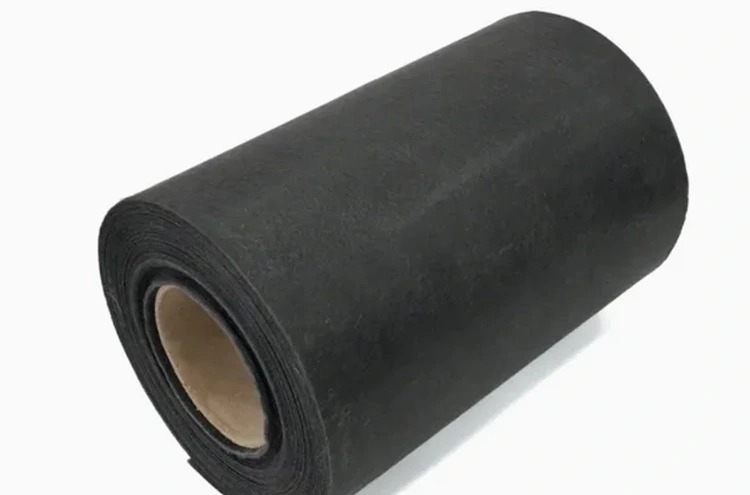
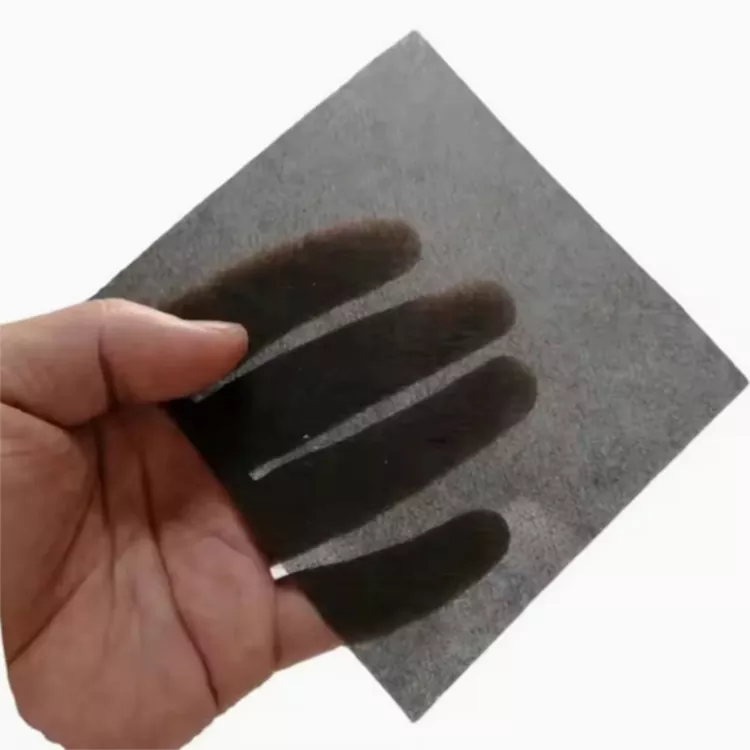
Made from chopped polyacrylonitrile-based carbon fibers, the mat has a random fiber structure rather than the fixed yarn directions of woven fabric. This construction allows the sheet to follow curved surfaces and irregular sections during composite forming.
For FRP manufacturers, the material is used mainly in surface-layer construction. It does not replace the primary structural reinforcement, but can be combined with glass fiber, carbon fiber fabric, and compatible resin systems as part of a complete laminate.
Surface Layer Construction in FRP Tanks
An FRP tank is normally built from multiple reinforcement and resin layers, with each layer serving a different purpose. Structural reinforcement provides the required mechanical support, while the surface construction is selected according to the service medium, finishing method, electrical requirements, and production process.
A chopped-fiber mat can follow the curved wall of a tank without maintaining a specific fiber direction. This is useful around curved sections, fittings, openings, and transitions where material placement can be more difficult with directional reinforcement.
The position of the mat should be determined as part of the laminate design. For pressure-bearing or mechanically loaded tanks, the main structural reinforcement still needs to be selected separately according to the required strength and operating conditions.
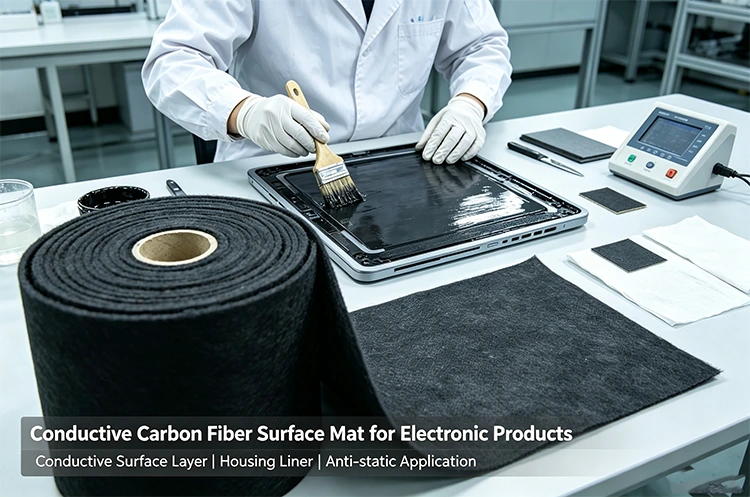
Electrical Conductivity in Composite Structures
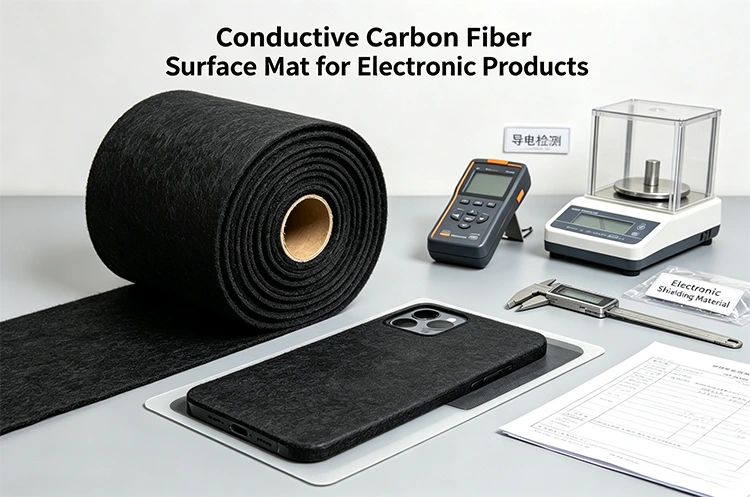
Carbon fiber provides an electrically conductive path within a composite, making carbon fiber layers relevant to applications involving static charge control, electrical continuity, or defined surface conductivity.
The electrical performance of the finished FRP component is not determined by the dry fiber alone. Fiber distribution, resin content, contact between conductive areas, laminate thickness, connections, grounding, and component geometry can all affect the resistance measured on the finished part.
Where a specific resistance or grounding value is required, testing should be carried out on the actual laminate construction. The location and continuity of the carbon fiber layer also need to be considered during laminate design.
The non-woven structure provides relatively even fiber coverage across the sheet. This can also be useful when the molded surface will receive a coating, finish, or other treatment after curing.
Selection for Chemical and Process Equipment
FRP tanks and vessels may be exposed to water, acids, alkalis, solvents, or industrial process liquids. The service conditions determine the resin and laminate construction required for the finished equipment.
Electrically Conductive Carbon Fiber Surface Mat can be included in a laminate when a carbon fiber conductive layer is required alongside the selected surface construction. The carbon fiber itself should not be regarded as the chemical barrier of the tank. Resistance to the stored medium is principally related to the resin, corrosion barrier, laminate sequence, operating temperature, and exposure conditions.
Material selection should therefore begin with the actual service environment. Resin compatibility, wet-out behavior, curing conditions, fiber loading, and the position of the mat within the laminate are important when determining whether the material fits the intended construction.
Processing and Surface Coverage
The chopped-fiber construction has no fixed warp or weft direction, allowing the sheet to be placed over curved and irregular sections of composite equipment. During lay-up, the material follows the mold surface while resin fills the spaces between the fibers.
Resin wet-out is an important processing factor. Resin viscosity, application method, consolidation, fiber loading, and curing conditions influence how the mat becomes integrated into the laminate. Process suitability should therefore be checked against the resin formulation and equipment used by the manufacturer.
The material can be considered for hand lay-up and other resin-based composite processes where a non-woven carbon fiber layer is required. For large tanks and customized vessels, sheet width can also affect cutting, placement, overlap, and material utilization.
Yuruis supplies widths of 1 m and 1.25 m, while thickness and dimensions can be customized according to the component and production process.
Application
Chemical Storage Tanks
Used as a surface layer material in composite tanks designed for storing chemical liquids, acids, alkalis, and industrial solutions.
Water Treatment Equipment
Suitable for FRP tanks and composite structures used in filtration and water treatment systems.
Industrial Composite Vessels
Applied in composite equipment requiring improved surface quality and corrosion-resistant performance.
Product Specifications
|
Item |
Specification |
|
Product Name |
Electrically Conductive Carbon Fiber Surface Mat |
|
Brand |
Yuruis |
|
Material |
100% Carbon Fiber |
|
Raw Material |
Polyacrylonitrile-Based Carbon Fiber |
|
Fiber Form |
Chopped Fiber |
|
Structure |
Non-Woven Carbon Fiber Mat |
|
Surface Finish |
Glossy / Matte / 50% Glossy |
|
Thickness |
Customized |
|
Width |
1m / 1.25m |
|
Packaging |
Paper Box |
|
HS Code |
6815993100 |
|
Production Capacity |
2 Million Square Meters/Year |
Supply and Customization
Yuruis supplies carbon fiber and other composite materials from Taizhou, Jiangsu. Its product range includes carbon fiber products, fiberglass materials, and FRP-related materials for industrial composite applications.
Electrically Conductive Carbon Fiber Surface Mat is available in 1 m and 1.25 m widths. Thickness and dimensions can be customized according to the component design and processing conditions. Paper box packaging is used for shipment.
For specification confirmation, manufacturers can provide the application, resin system, molding method, required width and thickness, order quantity, and electrical requirements. This information helps establish whether the material fits the intended laminate and production process.
FAQ
What is carbon fiber surface mat used for in FRP storage tanks?
It is used as a non-woven carbon fiber layer within the laminate, particularly where surface coverage and electrical characteristics are required. It is not a substitute for the main structural reinforcement of the tank.
Does the mat provide corrosion resistance?
The carbon fiber layer is not the primary chemical barrier. Corrosion resistance of an FRP tank depends on the resin, corrosion barrier, laminate structure, operating medium, temperature, and exposure conditions.
How is surface mat different from woven carbon fiber fabric?
Surface mat consists of randomly distributed chopped fibers, while woven fabric contains fibers arranged in defined directions. The former is generally used for surface coverage and conformability, while woven fabric is more commonly selected when directional reinforcement is required.
Can it be used in conductive FRP equipment?
Yes. It can be incorporated into a composite where a carbon fiber conductive layer is required. The electrical performance of the finished part depends on laminate structure, fiber distribution, resin content, connections, grounding, and component geometry.
Can the specifications be customized?
Yuruis provides customized thickness and dimensions, with 1 m and 1.25 m widths available. Surface finish and packaging requirements can also be discussed according to the production process.
What information is needed for a quotation?
Useful details include the application, resin system, molding method, required dimensions, thickness or material weight, order quantity, and any defined electrical or surface requirements.
Send Inquiry
Contact Info
-
Address
No. 18, Fuyuan Road, Dalun Town Industrial Concentration Zone, Jiangyan District, Taizhou City, Jiangsu Province, China
-
Tel
-
Email
Send your requirements to Yuruis for carbon fiber materials, FRP grating or fiberglass materials. Include product specifications, dimensions, quantity, application or other requirements so our team can review the details and respond accordingly.
Related Products
News Recommendations





