
English
- English
- Español
- Português
- русский
- Français
- 日本語
- Deutsch
- tiếng Việt
- Italiano
- Nederlands
- ภาษาไทย
- Polski
- 한국어
- Svenska
- magyar
- Malay
- বাংলা ভাষার
- Dansk
- Suomi
- हिन्दी
- Pilipino
- Türkçe
- Gaeilge
- العربية
- Indonesia
- Norsk
- تمل
- český
- ελληνικά
- український
- Javanese
- فارسی
- தமிழ்
- తెలుగు
- नेपाली
- Burmese
- български
- ລາວ
- Latine
- Қазақша
- Euskal
- Azərbaycan
- Slovenský jazyk
- Македонски
- Lietuvos
- Eesti Keel
- Română
- Slovenski
- मराठी
- Srpski језик

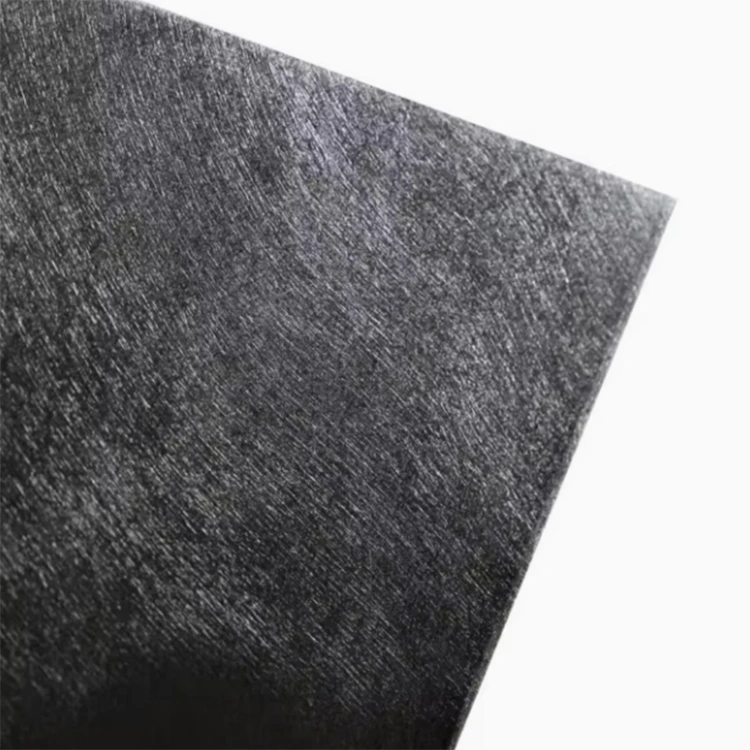
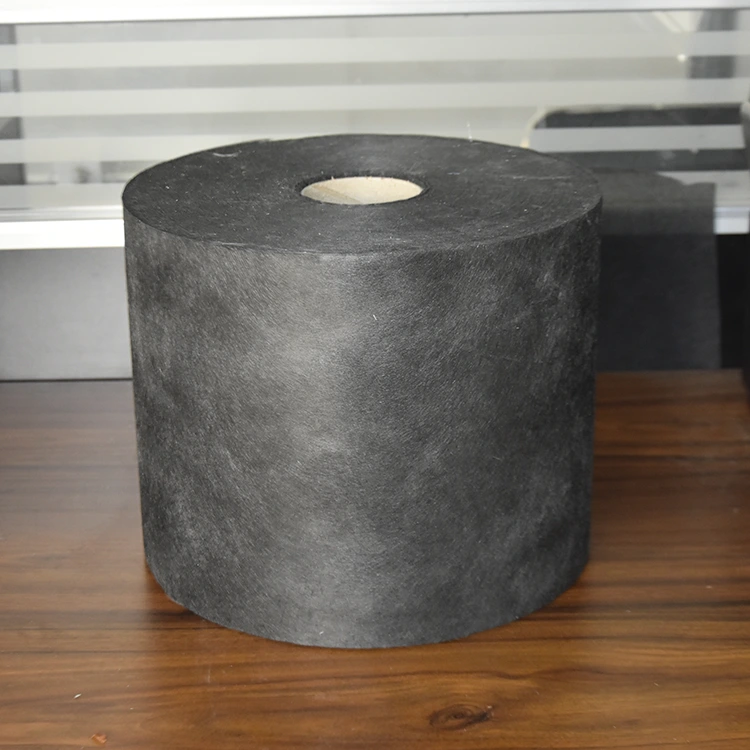
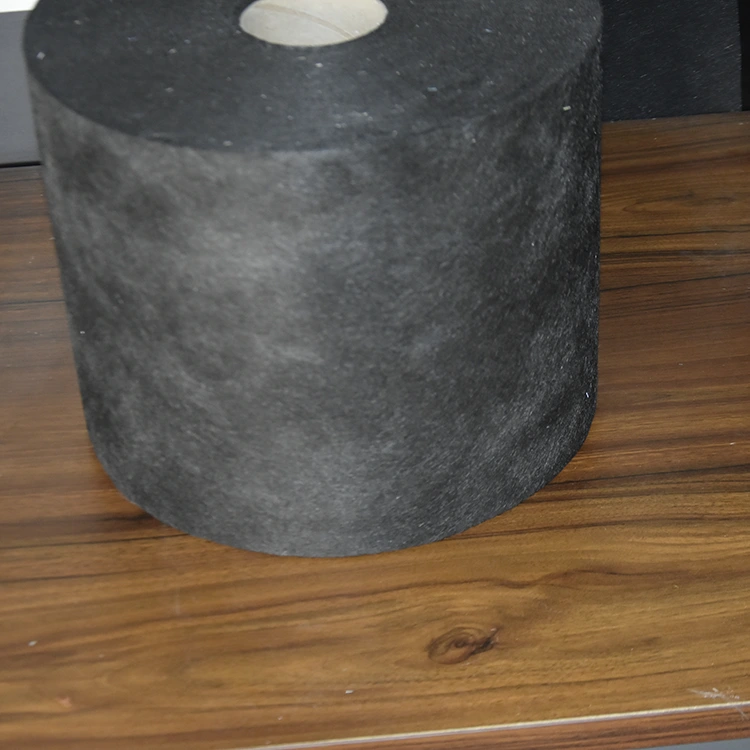
Conductive Carbon Fiber Mat for Electric Vehicles
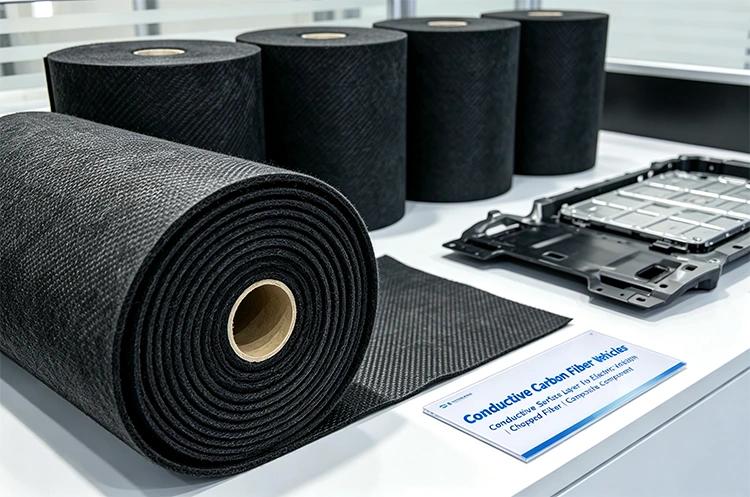
Yuruis Conductive Carbon Fiber Mat for Electric Vehicles are developed for electric vehicle manufacturers, fuel cell companies, and electronic component suppliers. Designed for applications requiring electrical conductivity, electromagnetic shielding, lightweight construction, and corrosion resistance, this carbon fiber mat provides a flexible composite material option for EV battery-related components, electronic housings, and advanced industrial applications.
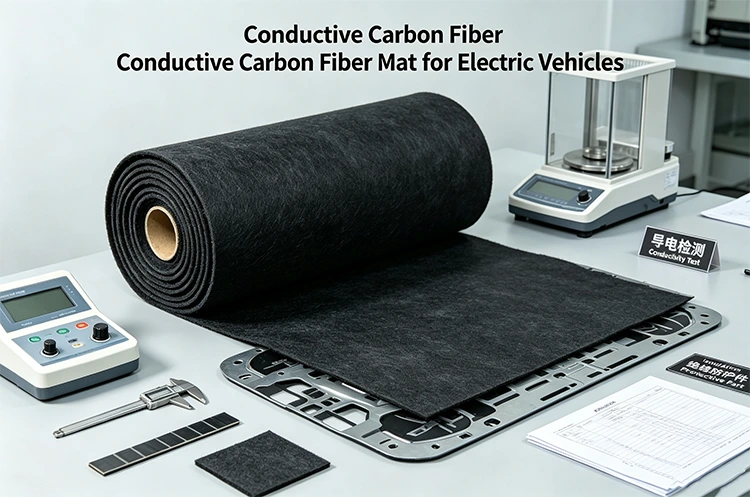
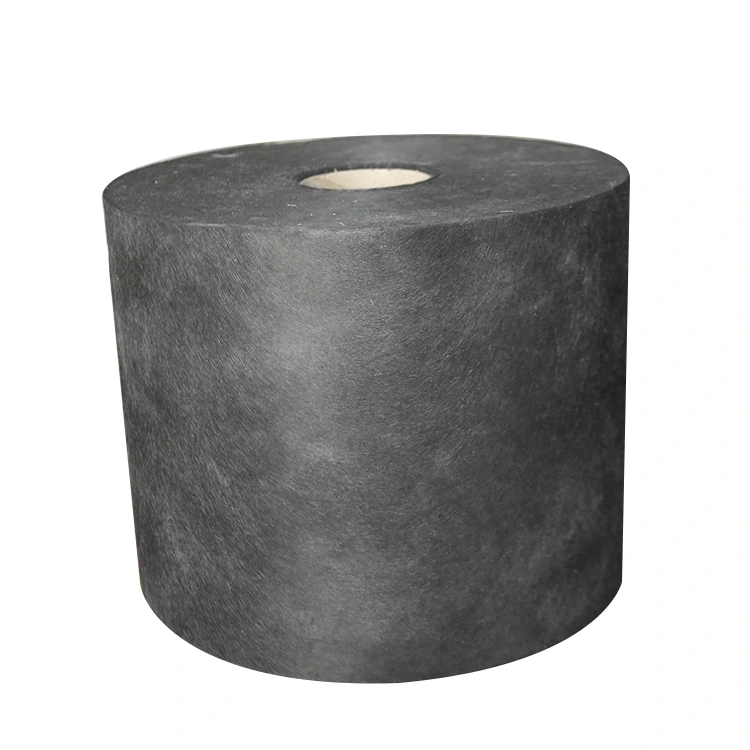
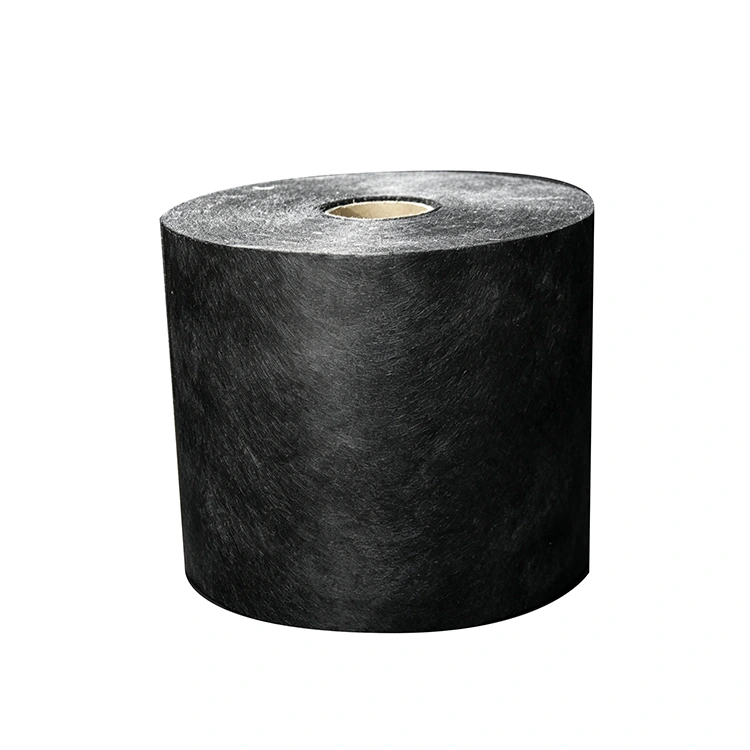
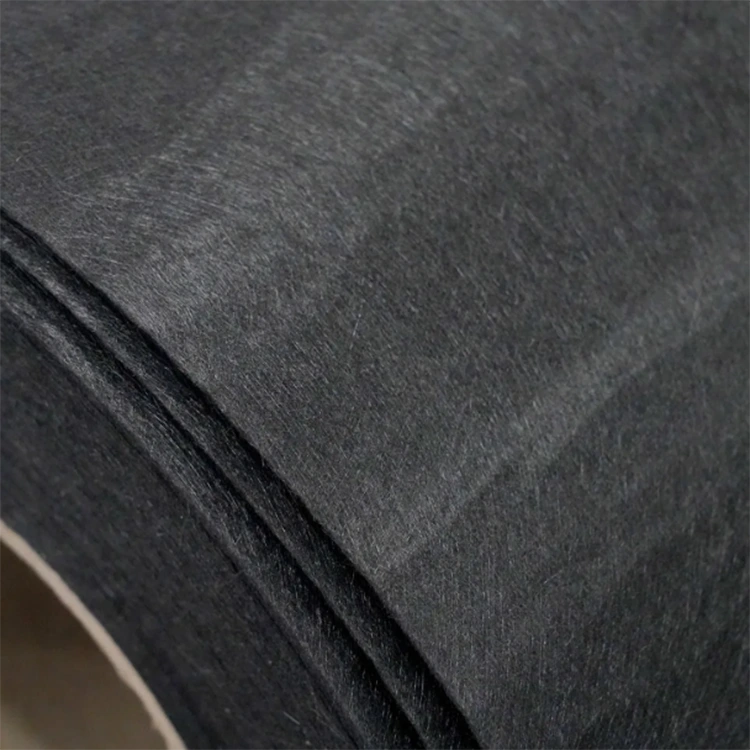
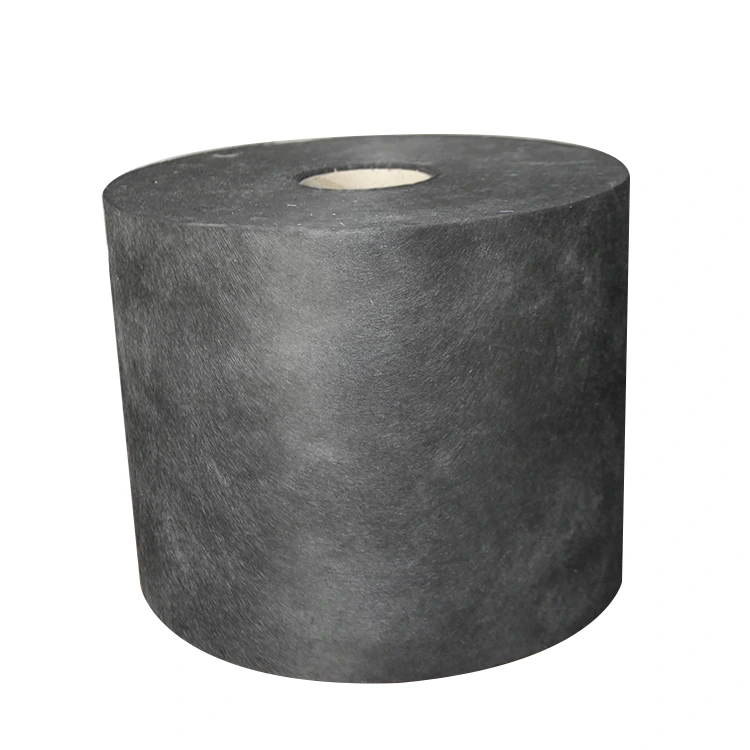
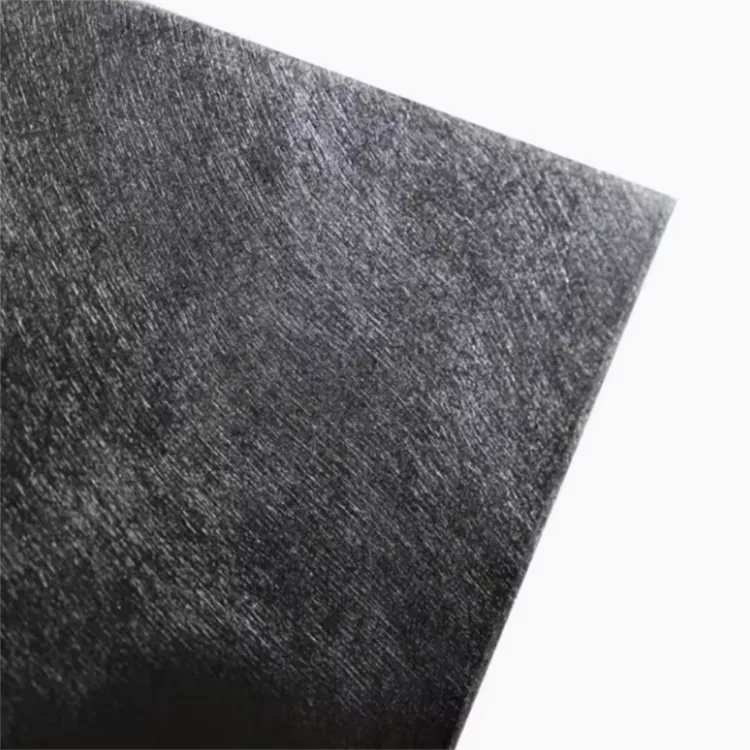
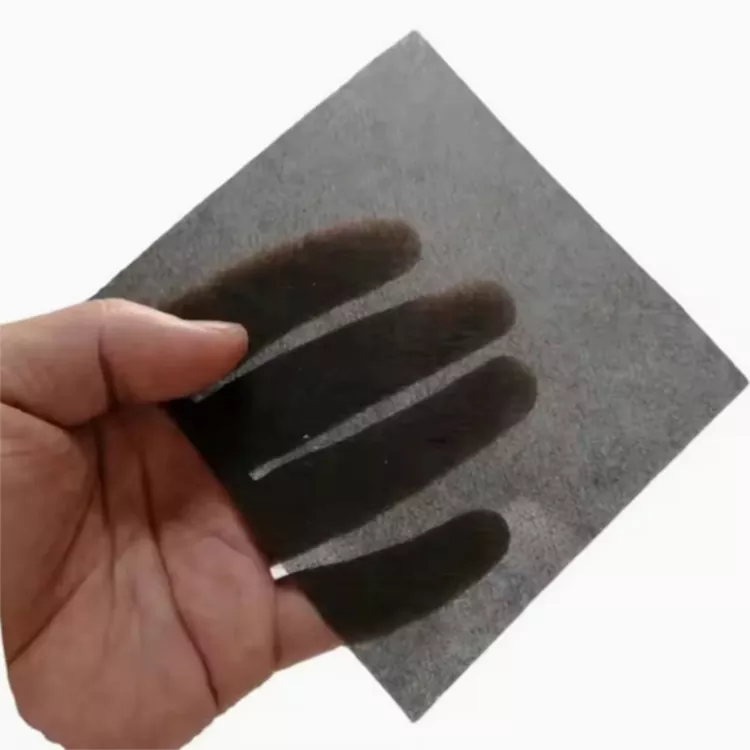
Conductive carbon fiber mat is a non-woven carbon fiber material produced from chopped polyacrylonitrile-based carbon fibers. The fibers are dispersed and formed into a continuous sheet, creating a random fiber structure without the fixed orientation found in woven fabrics. This format is suited to composite components that require a thin carbon fiber layer for functional or surface-related purposes.
Yuruis supplies Conductive Carbon Fiber Mat for Electric Vehicles in a 26g specification for lightweight composite applications. The material can be laminated with suitable resin systems and combined with other reinforcement materials according to the construction of the finished part. Its electrical behavior in a composite is influenced by fiber distribution, resin content, laminate thickness, contact design, and processing conditions.
EV Composite Applications
The 26g specification is designed for applications that require a light carbon fiber layer rather than heavy structural reinforcement. It can be positioned within a composite laminate to add carbon fiber coverage while keeping the overall layer structure relatively thin.
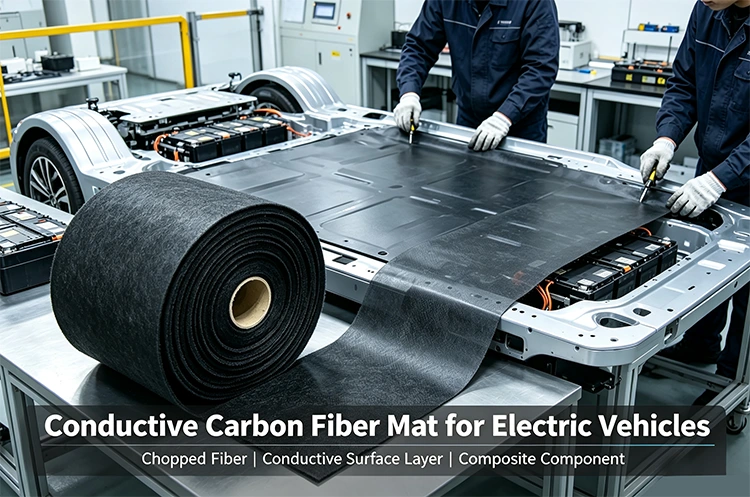
Typical EV applications include battery-related covers, electronic housings, interior composite parts, and protective panels. The final laminate is determined by the component design, resin system, mechanical requirements, and production process.
Conductive Carbon Fiber Mat for Electric Vehicles uses chopped fibers rather than continuous woven yarns. The fibers are randomly distributed, so the material does not have a fixed warp or weft direction. This makes it easier to use as a functional or surface layer in different composite constructions.
Electrical and EMI Performance
Carbon fibers form conductive paths through contact between individual fibers. Once the mat is combined with resin, the actual electrical performance depends on the fiber distribution and the construction of the finished composite.
This makes the material suitable for applications involving static dissipation, electrical continuity, or electromagnetic interference (EMI) control. The shielding effect, however, is not determined by the dry mat alone.
Laminate thickness, resin content, fiber continuity, joints, grounding, component geometry, and operating frequency can all affect the measured result. For a defined electrical target, testing the finished component under its actual laminate and processing conditions provides more meaningful data.
Non-Woven Structure and Processing Characteristics
The chopped fibers are distributed throughout the sheet rather than woven into continuous yarn directions. As a result, the material provides relatively uniform fiber coverage across the surface and does not introduce a defined 0°/90° reinforcement orientation. This is useful when the function of the material is related to coverage rather than directional load carrying.
During composite production, the mat needs sufficient resin wet-out to form a consistent laminate. Resin viscosity, application method, fiber distribution, pressure, curing temperature, and the position of the mat within the laminate can all affect the finished part. For this reason, process parameters are normally established with the selected resin and component design rather than treating the mat as an independent structural material.
The standard width is available in 1m and 1.25m formats. These widths can be used for different sheet layouts and cutting plans, helping composite manufacturers select a material format that fits the dimensions of the intended part.
Application Areas
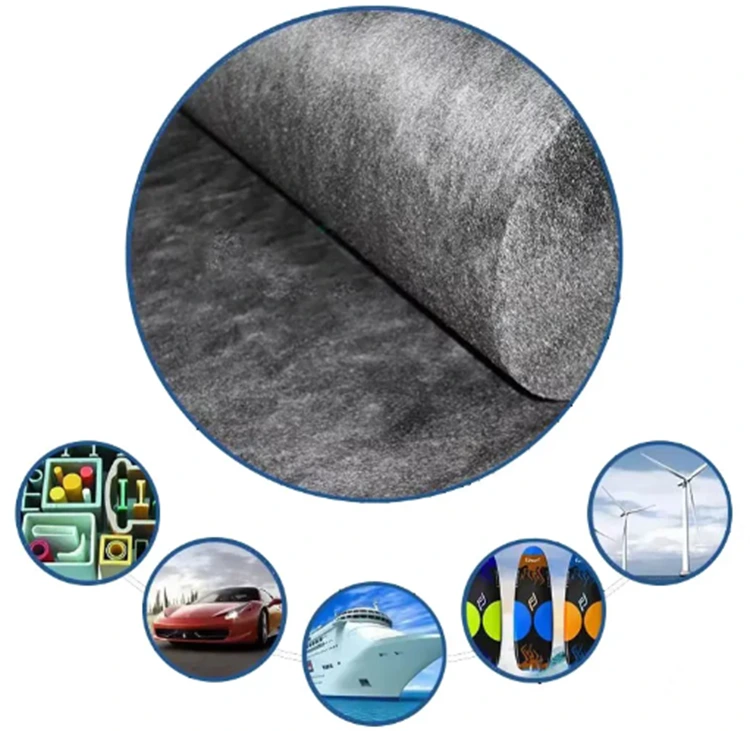
The material is mainly relevant to composite applications in which carbon fiber conductivity is useful alongside a non-woven sheet structure. Automotive and EV components are one application area, while electronic and industrial composite parts may use the same material concept for different functional requirements.
Typical applications include:
EV battery-related composite covers and panels
Electronic and electrical equipment housings
EMI shielding components
Functional composite panels
Selected fuel-cell-related composite parts
Industrial components requiring a conductive carbon fiber layer
For chemical or fuel-cell environments, material selection should cover the complete composite system. Carbon fiber provides the reinforcement and conductive element, while the resin and any barrier layer determine much of the finished component's chemical resistance and service temperature.
Technical Specifications
|
Item |
Specification |
|
Product Name |
Conductive Carbon Fiber Mat for Electric Vehicles |
|
Brand |
Yuruis |
|
Model |
26g |
|
Material |
Polyacrylonitrile-Based Carbon Fiber |
|
Fiber Form |
Chopped Fiber |
|
Structure |
Non-Woven Carbon Fiber Mat |
|
Width |
1m / 1.25m |
|
Performance |
Superior Modulus Type |
|
Mechanical Property |
High-Performance Type |
|
Packaging |
Paper Box |
|
Production Capacity |
2 Million Square Meters/Year |
Manufacturing and Supply by Yuruis
Taizhou Yuruis New Materials Co., Ltd. has been engaged in fiber composite materials since 2017. Its product range covers carbon fiber materials, fiberglass materials, and FRP-related products for automotive, construction, new energy, and industrial applications.
The production process is supported by material forming, cutting, and inspection equipment for composite materials. For carbon fiber mat orders, production can be arranged according to the specified material weight, width, packaging format, and other confirmed requirements.
For an EV or electronic component project, the quotation information can include the intended application, component dimensions, required material weight, resin system, molding process, electrical requirements, and estimated order quantity. These details provide a practical basis for reviewing the material specification before production.
Specification and Order Requirements
The standard product is supplied as a 26g carbon fiber mat in 1m or 1.25m width. Other requirements can be discussed according to the production process and final component design.
When the material is being developed for a new composite part, information about the required areal weight, sheet dimensions, laminate position, resin type, forming method, and electrical function is useful for specification confirmation. This is especially important when the finished component has a defined shielding, conductivity, or weight requirement.
The material is packaged in paper boxes for shipment and can be prepared according to the confirmed order specification.
FAQ
1. What is Conductive Carbon Fiber Mat for Electric Vehicles used for?
This material is intended for EV and other composite applications that require a lightweight non-woven carbon fiber layer with electrical functionality. Applications may include battery-related covers, electronic housings, EMI shielding parts, panels, and selected functional composite components.
2. Does the carbon fiber mat provide EMI shielding?
It can contribute to EMI shielding when incorporated into a properly designed composite structure. The actual shielding performance is affected by fiber distribution, laminate thickness, resin content, grounding, joints, component geometry, and test conditions. A finished-part test is required when a specific shielding target applies.
3. What is the difference between carbon fiber mat and woven carbon fiber fabric?
Woven carbon fiber fabric consists of continuous yarns arranged in defined directions and is commonly used for directional reinforcement. Carbon fiber mat uses chopped fibers in a non-woven structure, making it more suitable for uniform coverage and functional layers where directional reinforcement is not the primary requirement.
4. Can the material be used in fuel cell-related components?
It may be used in selected fuel-cell-related composite applications where conductivity and low material weight are relevant. The complete composite must also be evaluated for resin compatibility, operating temperature, chemical exposure, electrical requirements, and the service conditions of the component.
5. What is the standard specification of this product?
The listed model is 26g, with standard widths of 1m and 1.25m. The product specification can be reviewed against the required application, laminate design, dimensions, and production process before an order is confirmed.
6. What information is needed for a quotation?
Useful information includes the application, required material weight, width or dimensions, resin system, molding process, electrical or EMI requirements, estimated quantity, and packaging requirements. For new component development, drawings or basic laminate information can also help with specification review.
Send Inquiry
Contact Info
-
Address
No. 18, Fuyuan Road, Dalun Town Industrial Concentration Zone, Jiangyan District, Taizhou City, Jiangsu Province, China
-
Tel
-
Email
Send your requirements to Yuruis for carbon fiber materials, FRP grating or fiberglass materials. Include product specifications, dimensions, quantity, application or other requirements so our team can review the details and respond accordingly.
Related Products
News Recommendations





