
English
- English
- Español
- Português
- русский
- Français
- 日本語
- Deutsch
- tiếng Việt
- Italiano
- Nederlands
- ภาษาไทย
- Polski
- 한국어
- Svenska
- magyar
- Malay
- বাংলা ভাষার
- Dansk
- Suomi
- हिन्दी
- Pilipino
- Türkçe
- Gaeilge
- العربية
- Indonesia
- Norsk
- تمل
- český
- ελληνικά
- український
- Javanese
- فارسی
- தமிழ்
- తెలుగు
- नेपाली
- Burmese
- български
- ລາວ
- Latine
- Қазақша
- Euskal
- Azərbaycan
- Slovenský jazyk
- Македонски
- Lietuvos
- Eesti Keel
- Română
- Slovenski
- मराठी
- Srpski језик

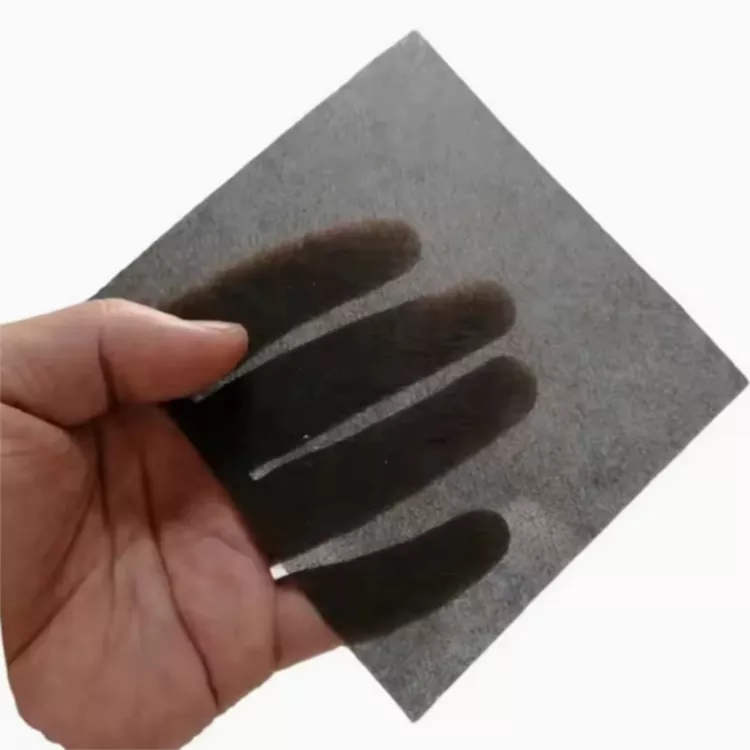
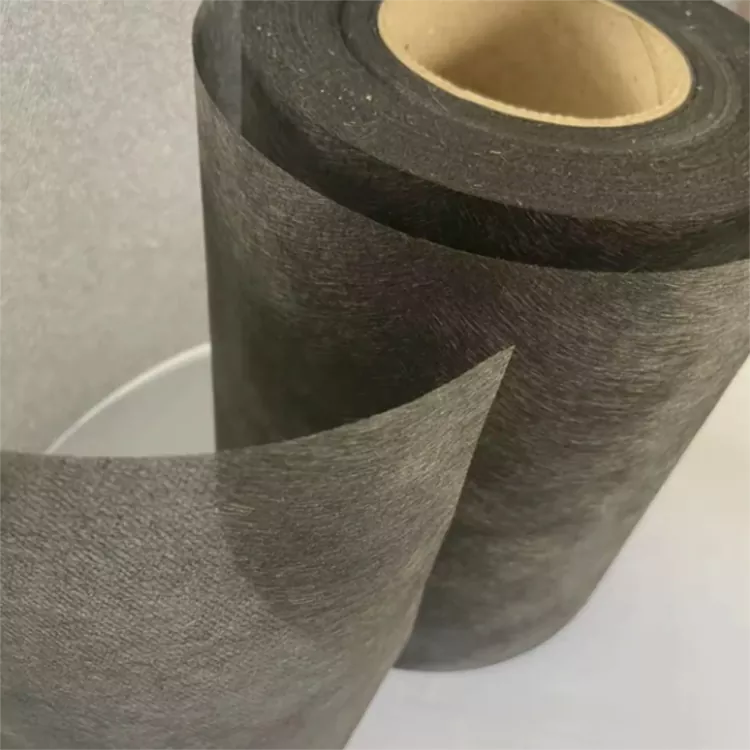
60g Carbon Fiber Surface Veil
With a nominal areal weight of 60g/m², Yuruis 60g Carbon Fiber Surface Veil is available in 1-meter and 1.25-meter widths, with customized thickness, dimensions and length. It is supplied from Taizhou, Jiangsu, with production capacity of up to 2 million m² per year for composite material orders with different specification requirements.
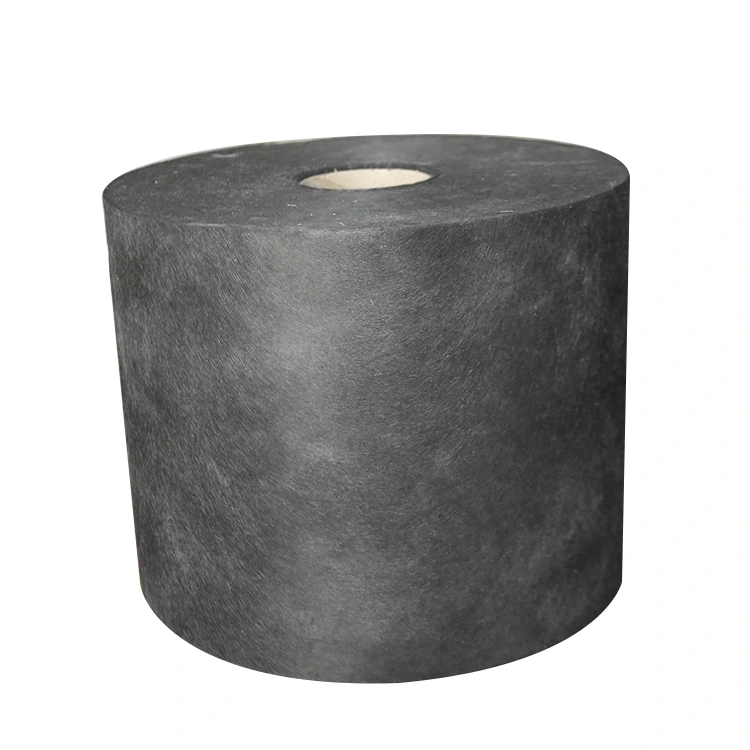
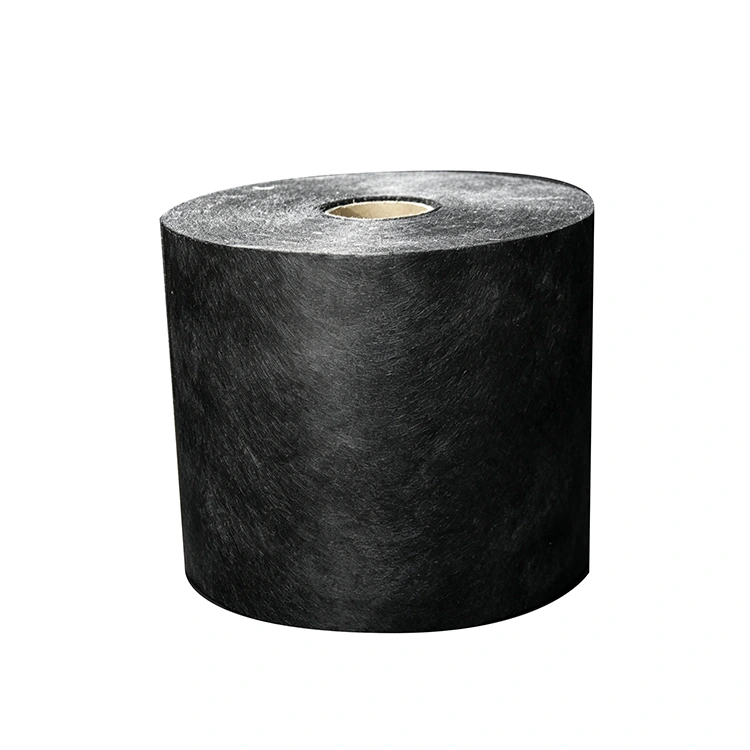
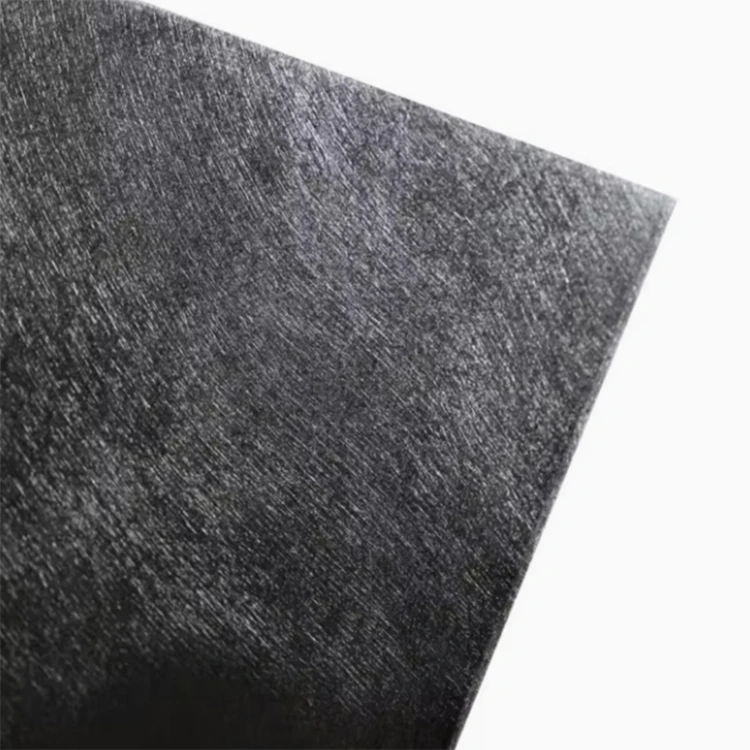
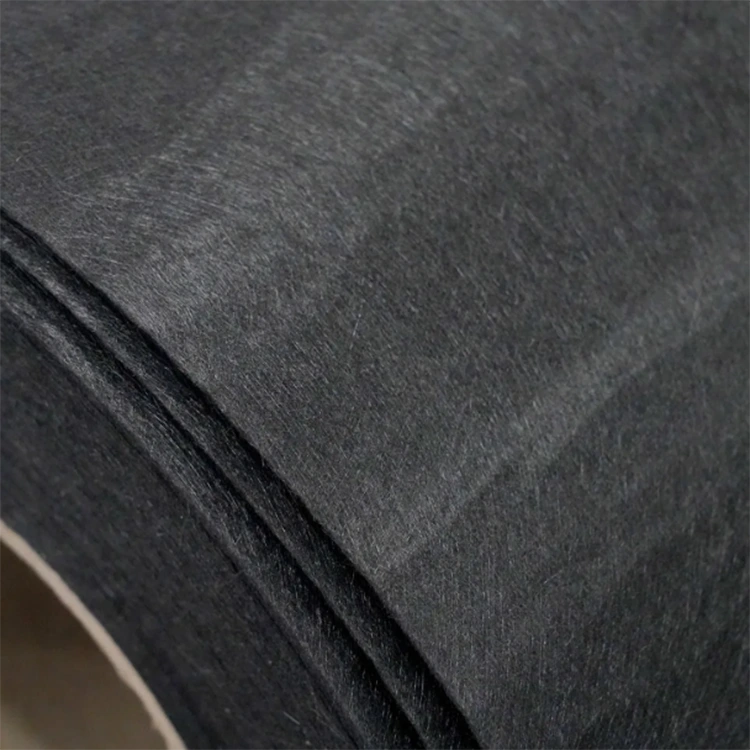
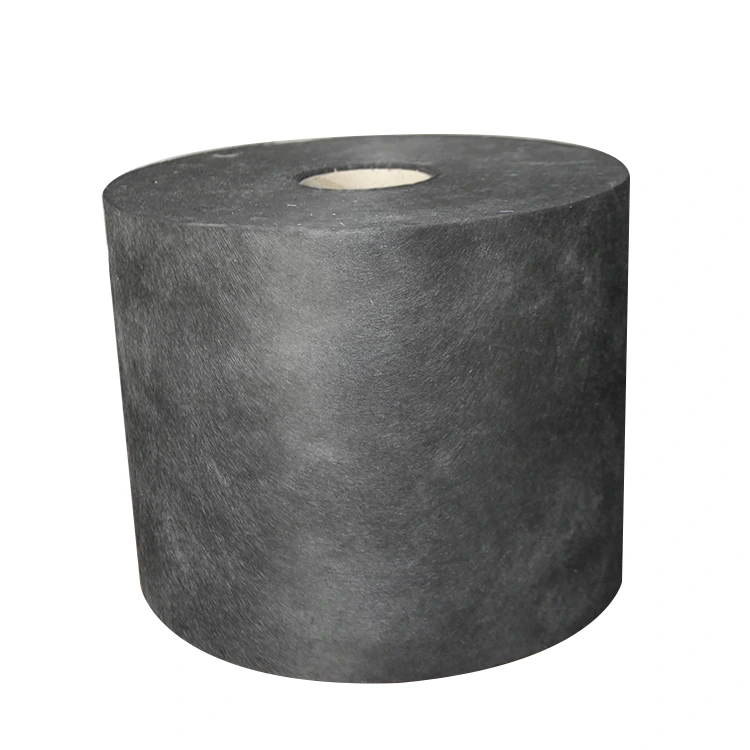
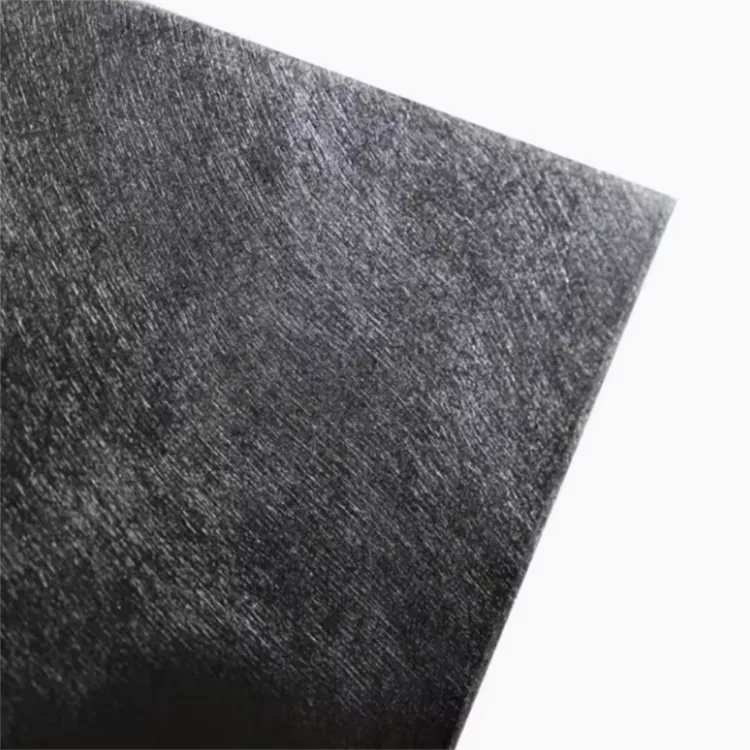
60g Carbon Fiber Surface Veil is a non-woven surface material made from chopped polyacrylonitrile-based carbon fiber. With a nominal areal weight of 60g per square meter, it is mainly used as a surface or secondary layer in composite laminates rather than as the primary structural reinforcement. The chopped-fiber structure provides a flexible sheet format for covering composite surfaces and following curved or irregular contours.
Surface Layer Function
The main purpose of a carbon fiber surface veil is to form a fiber layer close to the surface of a composite laminate. It can cover the underlying reinforcement and help reduce the visual influence of the fabric pattern after molding. Its function is therefore different from that of woven or unidirectional carbon fiber reinforcement, which is normally selected for structural load transfer.
The fibers are distributed through a non-woven structure rather than arranged in fixed warp and weft directions. This construction allows the material to adapt to corners, transitions, openings and other irregular areas where maintaining the orientation of a woven fabric may require additional cutting or fitting.
The 60g designation refers to nominal mass per unit area. It should not be treated as a direct measurement of tensile strength, electrical conductivity or the mechanical performance of the finished composite. Those properties are determined by the complete laminate design, including reinforcement type, resin content, fiber distribution, processing method and curing conditions.
Processing and Composite Integration
During composite molding, the veil needs to become sufficiently impregnated with the selected resin and remain integrated with the surrounding laminate. Resin viscosity, application method, pressure, temperature and curing conditions can all influence wet-out and the final surface structure.
60g Carbon Fiber Surface Veil can be incorporated into processes such as hand lay-up and vacuum-assisted molding, depending on the resin system and laminate construction. It is normally positioned close to the outer surface or at another specified location within the laminate rather than being used as the main structural reinforcement.
The chopped-fiber structure is also useful when the laminate contains curved or irregular sections. Instead of maintaining a fixed fabric orientation, the surface material can be fitted around contours and transitions with less concern about warp and weft alignment.
Applications and Selection
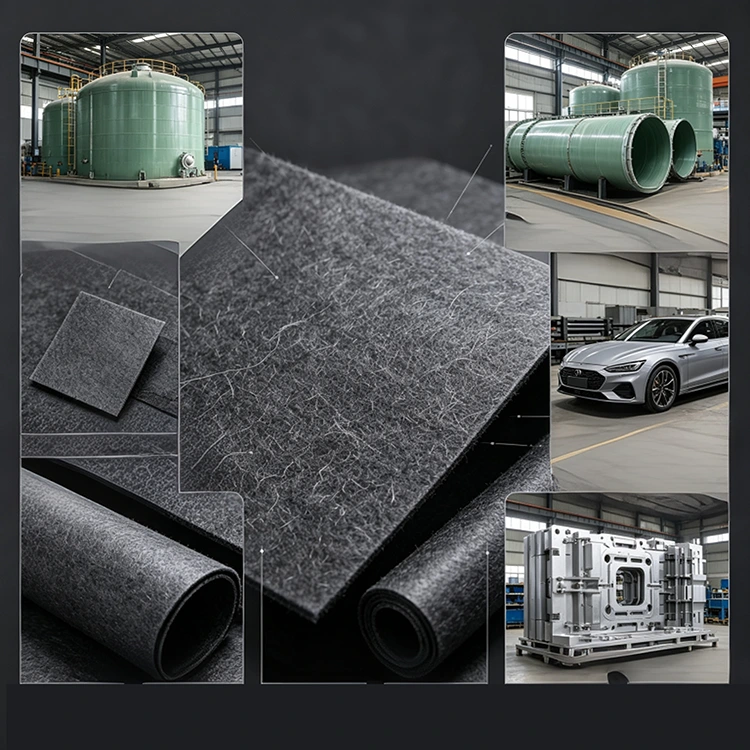
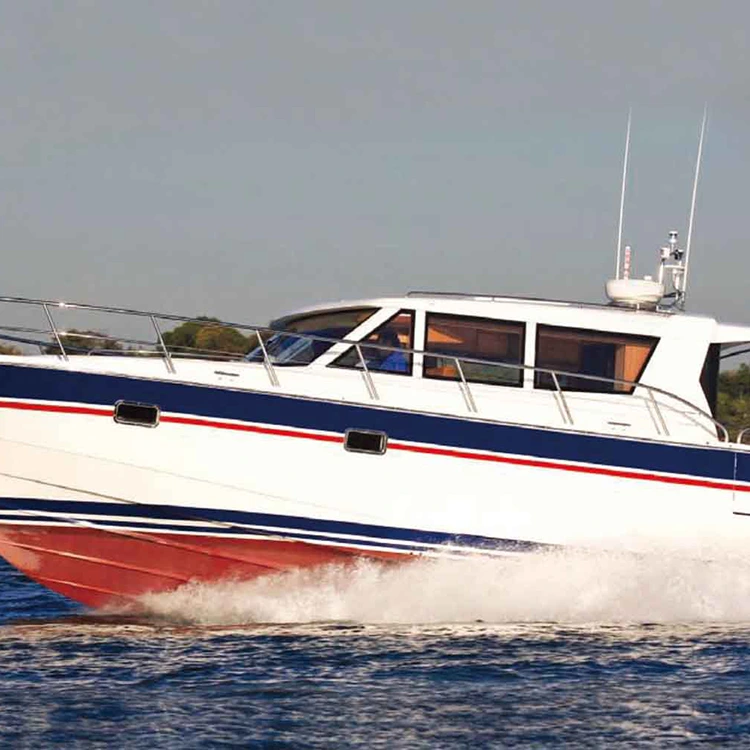
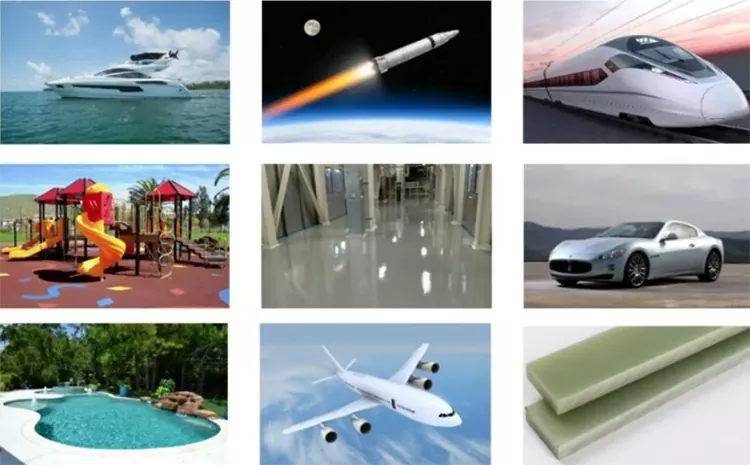
60g Carbon Fiber Surface Veil is suitable for composite structures where a non-woven carbon fiber surface layer is required. Typical applications include CFRP components, FRP pipes and tanks, industrial composite equipment, electronic housings, and selected automotive or sports composite parts.
For electronic and electrical components, carbon fiber may form part of a conductive composite layer. However, shielding effectiveness and electrical continuity depend on the complete component design, including fiber continuity, resin content, grounding, joints, openings and overall geometry. The veil should therefore be evaluated together with the other laminate materials rather than as an independent shielding specification.
Material selection should consider the intended position within the laminate, required surface coverage, resin compatibility and molding process. When the veil is combined with woven, stitched or unidirectional reinforcement, the complete laminate sequence should also be considered before production.
Specification and Supply
The material is supplied in standard widths, with customized thickness, dimensions and length available for different composite production requirements. Specification selection can be based on laminate construction, cutting requirements, molding equipment and the intended position of the surface layer.
| Product Name | 60g Carbon Fiber Surface Veil |
| Brand | Yuruis |
| Material | 100% Carbon Fiber |
| Raw Material | Polyacrylonitrile-Based Carbon Fiber |
| Fiber Form | Chopped Fiber |
| Structure | Non-Woven Carbon Fiber Veil |
| Performance | Superior Modulus Type |
| Mechanical Property | High-Performance Type |
| Surface | Glossy / Matte / 50% Glossy |
| Color | Black |
| Standard Width | 1 meter / 1.25 meters |
| Thickness | Customized |
| Dimensions | Custom |
| Length | Customer's Request |
| Packaging | Paper Box |
| Origin | Taizhou, Jiangsu Province, China |
| HS Code | 6815993100 |
| Production Capacity | 2 Million m²/Year |
For production inquiries, useful information includes the required width and length, thickness, laminate structure, resin system, molding process and intended application. These details provide a practical basis for confirming material compatibility and determining whether a customized specification is required.
Frequently Asked Questions
What is 60g Carbon Fiber Surface Veil used for?
It is mainly used as a non-woven surface or secondary carbon fiber layer in composite laminates. The material can provide fiber coverage near the laminate surface and conform to curved or irregular areas.
Does 60g indicate the strength of the material?
No. The 60g value indicates nominal areal weight. The mechanical properties of the finished composite depend on the complete reinforcement system, resin formulation, fiber content, laminate structure and processing conditions.
Can the surface veil replace structural carbon fiber fabric?
They normally serve different functions. A chopped-fiber veil is primarily used as a surface or secondary layer, while woven and unidirectional carbon fiber materials are generally selected when directional structural reinforcement is required.
Is it suitable for curved composite parts?
Yes. Its non-woven structure allows the material to follow curved surfaces, corners, transitions and irregular contours without maintaining a fixed warp and weft orientation.
Can the specification be customized?
Yes. Width, thickness, dimensions and length can be customized according to the production requirements and laminate design.
Send Inquiry
Contact Info
-
Address
No. 18, Fuyuan Road, Dalun Town Industrial Concentration Zone, Jiangyan District, Taizhou City, Jiangsu Province, China
-
Tel
-
Email
Send your requirements to Yuruis for carbon fiber materials, FRP grating or fiberglass materials. Include product specifications, dimensions, quantity, application or other requirements so our team can review the details and respond accordingly.
Related Products
News Recommendations





