
English
- English
- Español
- Português
- русский
- Français
- 日本語
- Deutsch
- tiếng Việt
- Italiano
- Nederlands
- ภาษาไทย
- Polski
- 한국어
- Svenska
- magyar
- Malay
- বাংলা ভাষার
- Dansk
- Suomi
- हिन्दी
- Pilipino
- Türkçe
- Gaeilge
- العربية
- Indonesia
- Norsk
- تمل
- český
- ελληνικά
- український
- Javanese
- فارسی
- தமிழ்
- తెలుగు
- नेपाली
- Burmese
- български
- ລາວ
- Latine
- Қазақша
- Euskal
- Azərbaycan
- Slovenský jazyk
- Македонски
- Lietuvos
- Eesti Keel
- Română
- Slovenski
- मराठी
- Srpski језик

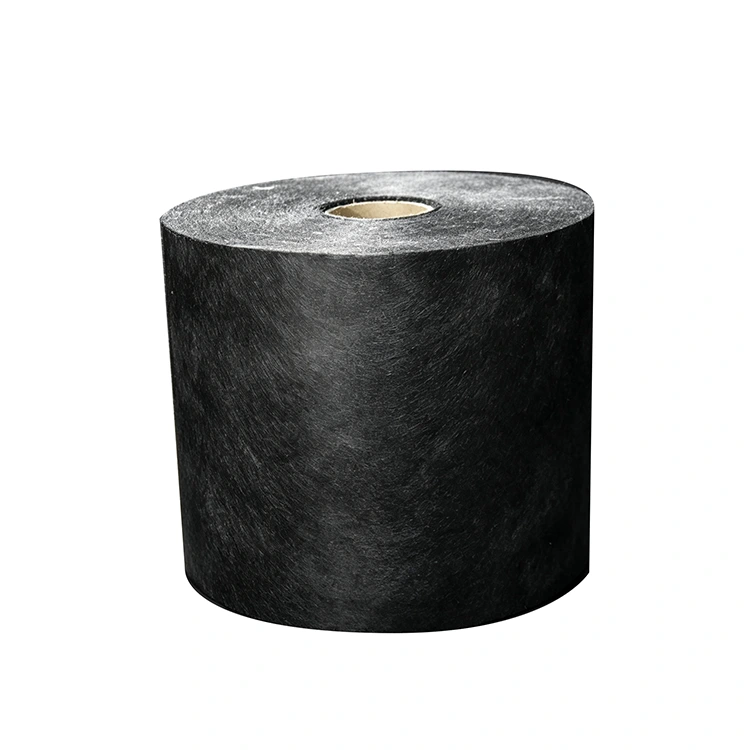
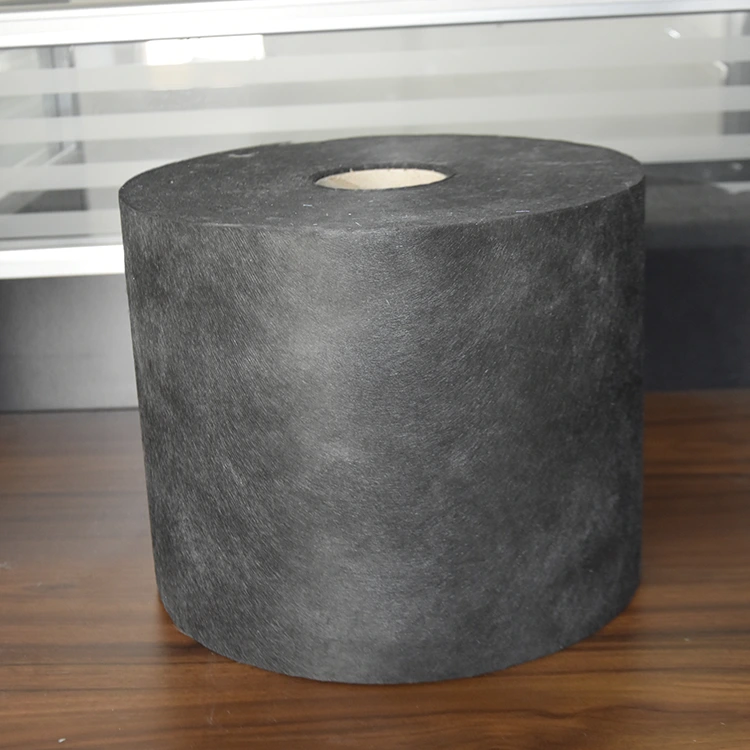
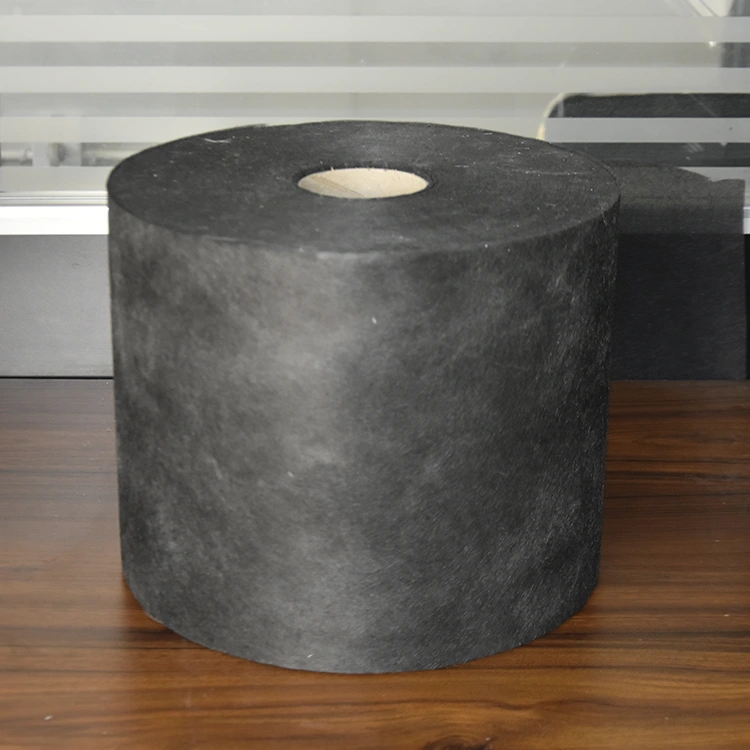
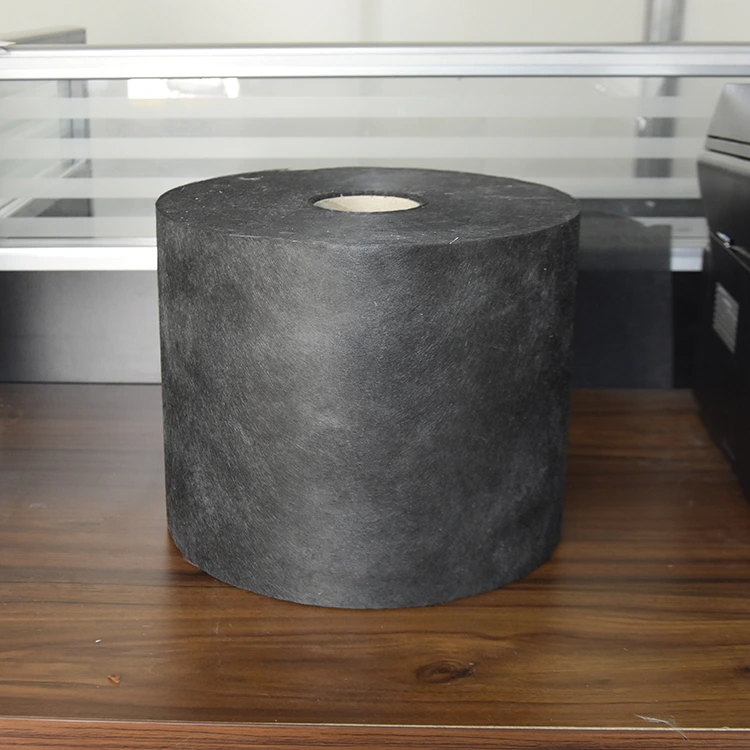
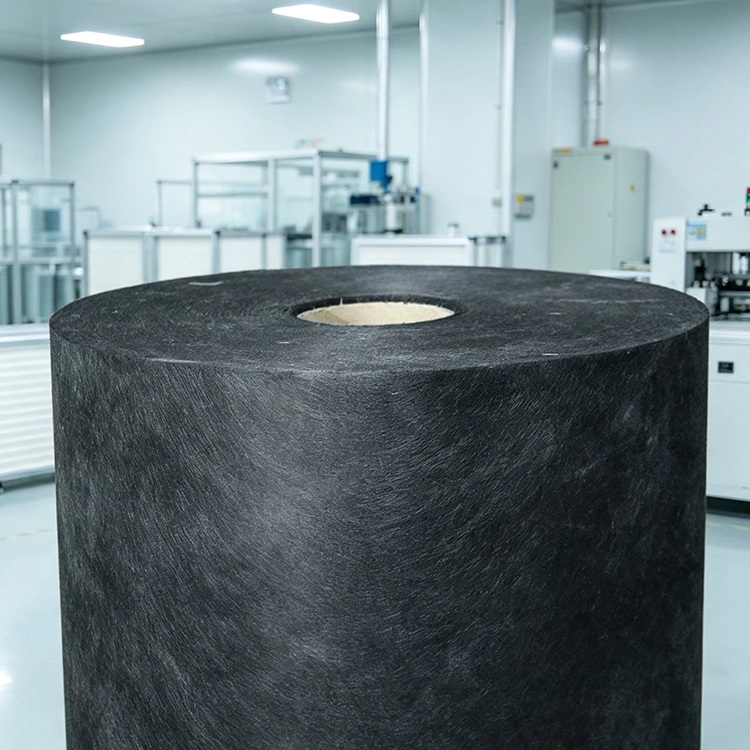
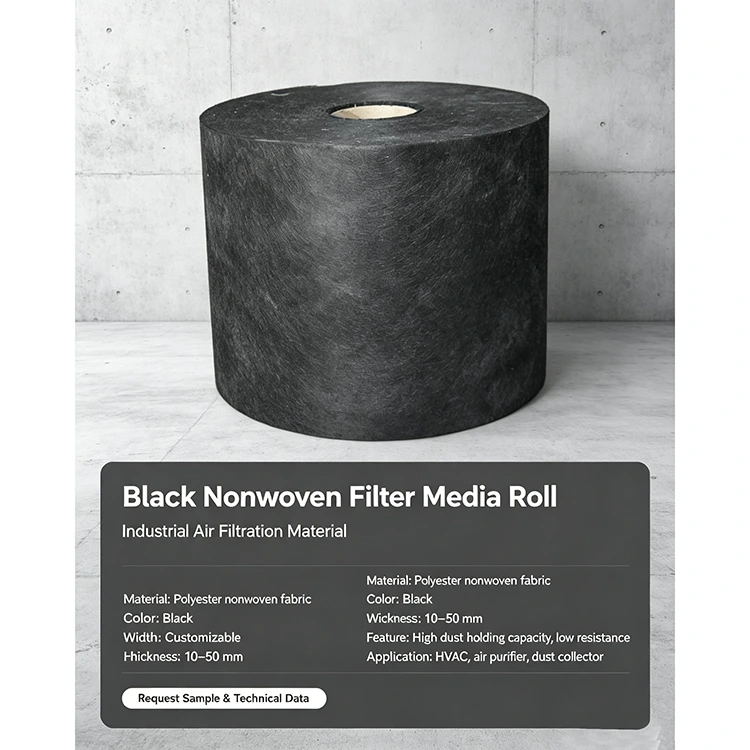
10g Carbon Fiber Surface Mat
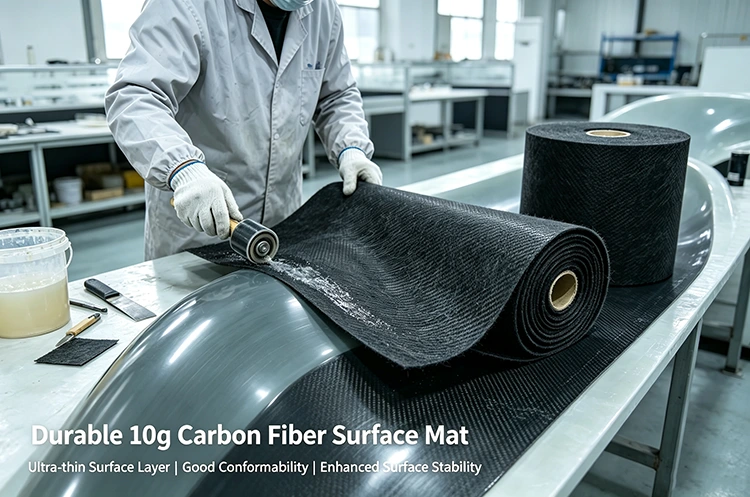
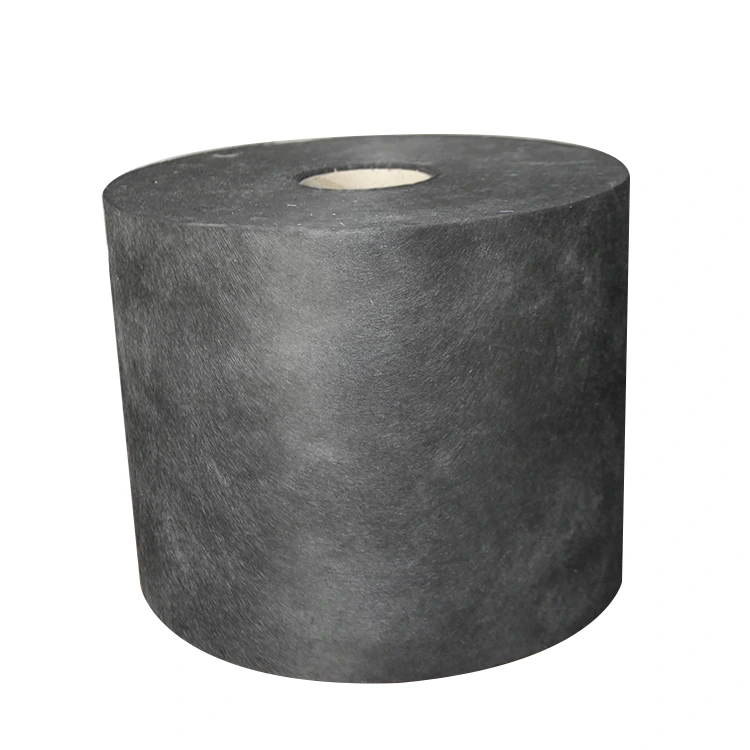
At 10g/m², 10g Carbon Fiber Surface Mat forms a thin, lightweight layer for CFRP and other composite structures. The chopped carbon fibers can help cover woven texture, improve surface uniformity, and add conductive or EMI-related functionality. It is used in automotive, aerospace, electronics, FRP and new energy applications, with Yuruis supporting customized specifications and bulk supply.
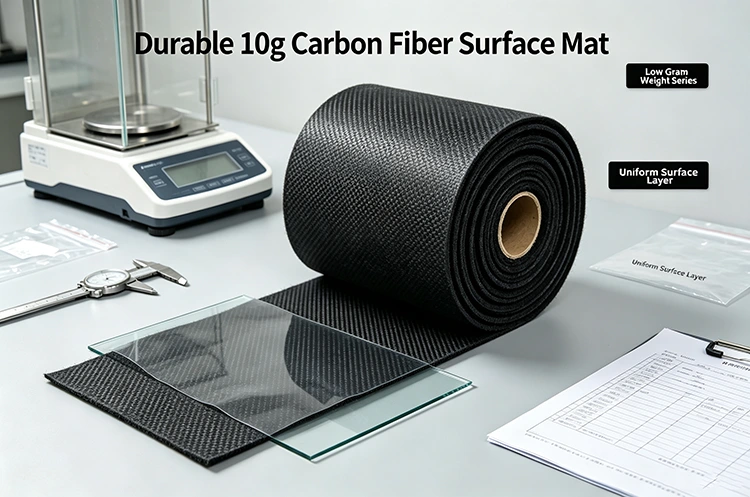
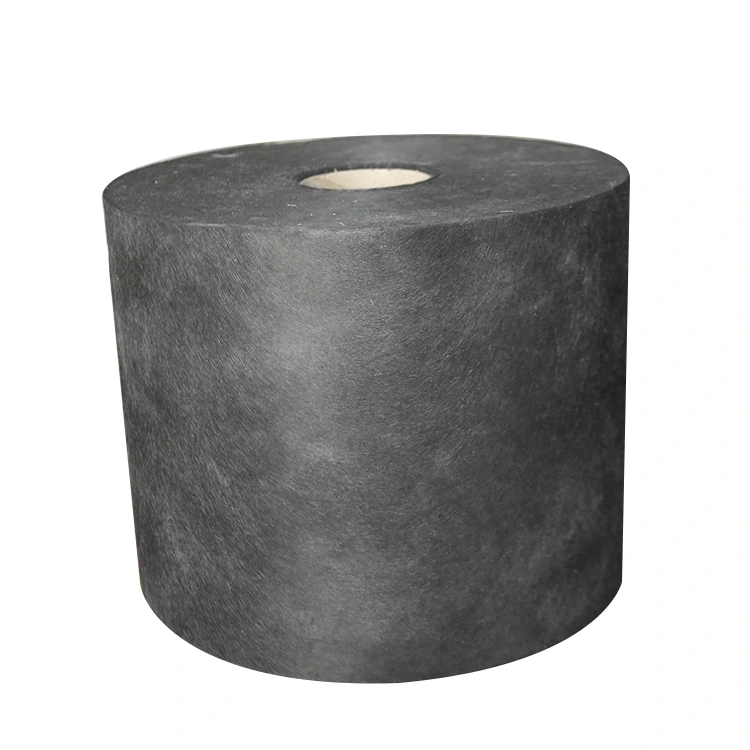
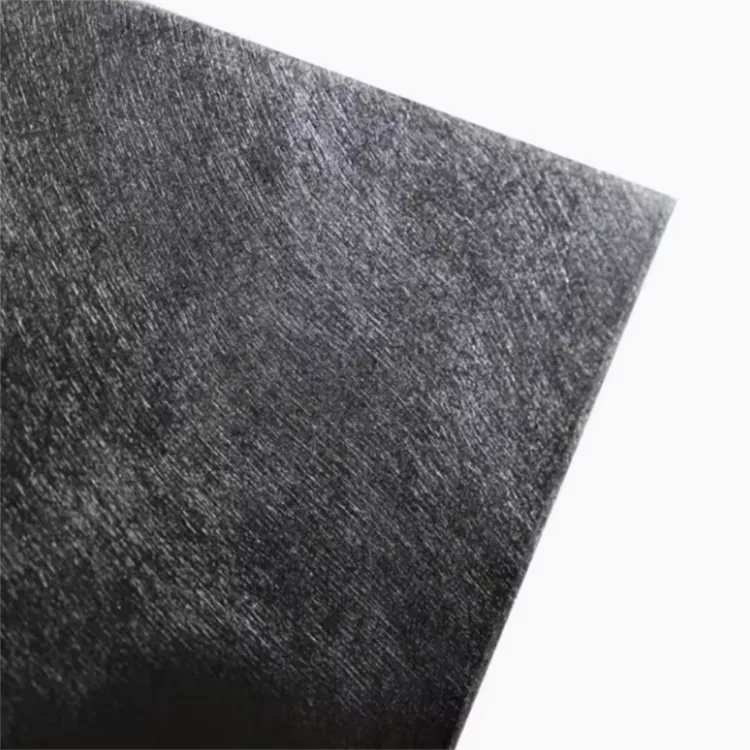
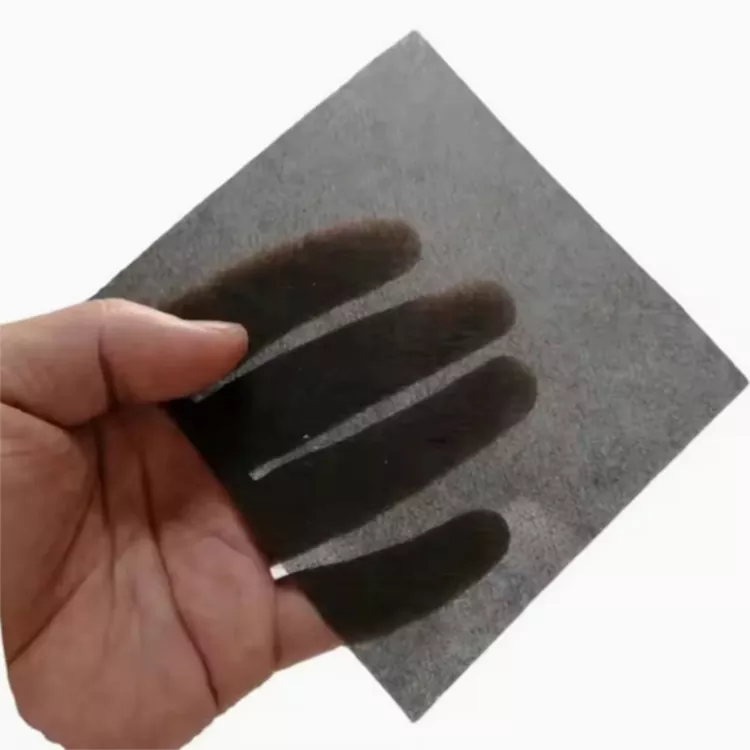
10g Carbon Fiber Surface Mat is a lightweight non-woven material made from chopped carbon fibers. With an areal weight of 10g/m², it is primarily used as a surface or functional layer in composite laminates rather than as the main structural reinforcement.
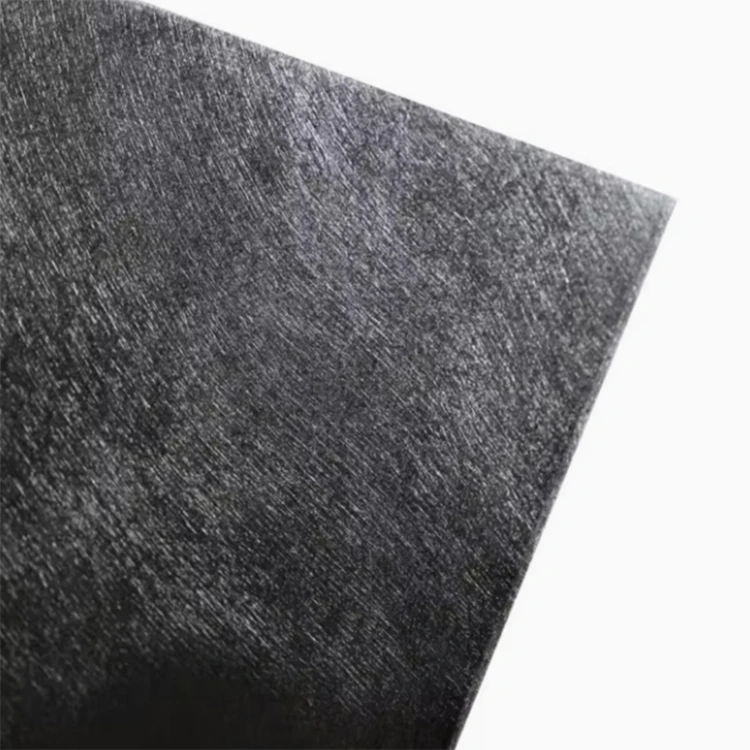
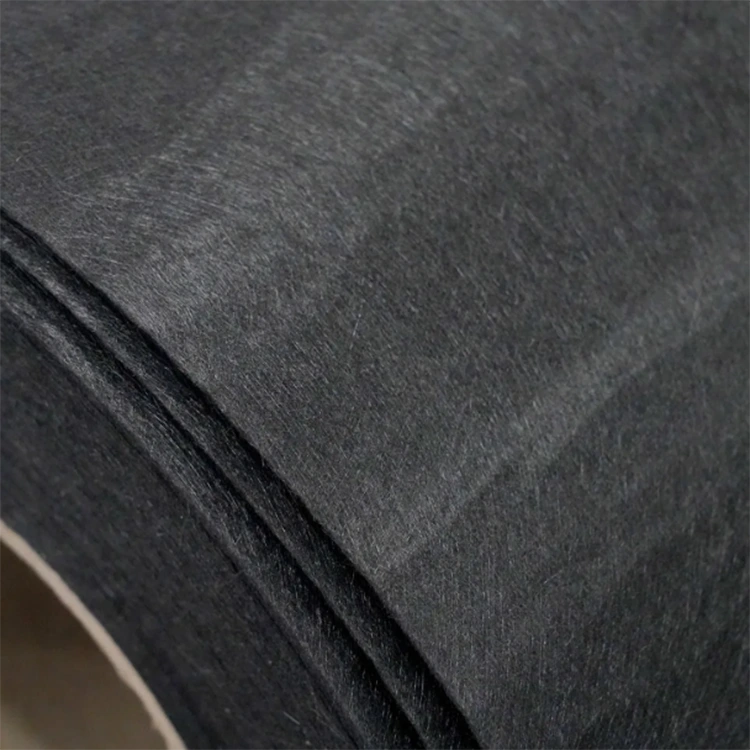
The material is formed through a wet forming process, which distributes the chopped fibers across the sheet without the fixed warp and weft structure of woven carbon fiber fabric. After resin impregnation, it can provide a more consistent carbon fiber surface while adding very little material thickness and weight.
This makes the 10g specification suitable for CFRP parts where surface appearance, thin-layer coverage, electrical functionality, or material efficiency needs to be considered together.
Surface Layer in Composite Manufacturing
Unlike woven carbon fiber fabric, which is generally selected for directional reinforcement, this surface mat is designed for the outer or near-surface part of a composite laminate. It can cover the underlying reinforcement and help create a more uniform resin-rich surface after molding.
The 10g/m² weight is particularly suited to thin surface coverage. It adds only a small amount of material while helping to reduce the visual influence of the woven pattern underneath.
Typical functions include:
· Improving surface uniformity
· Reducing visible weave texture
· Providing a consistent carbon fiber surface layer
· Adding limited conductive functionality
The actual surface result depends on resin type, fiber distribution, laminate construction, mold condition, and the finishing process used on the finished part.
Material Structure and Processing
The production sequence is based on chopped fiber dispersion rather than yarn weaving:
Chopped Carbon Fiber Preparation
↓
Fiber Dispersion and Uniform Distribution
↓
Wet Forming Process
↓
Non-Woven Carbon Fiber Mat Formation
↓
Resin Impregnation During Composite Processing
This structure gives the sheet no fixed fiber direction. During molding, resin can penetrate the dispersed fiber network and bond the mat to the surrounding laminate.
For CFRP production, the mat can be placed over woven fabric, between selected reinforcement layers, or at another defined position in the laminate. The placement should match the intended surface and functional requirements rather than treating the mat as a replacement for the main structural reinforcement.
Surface Finish and Functional Properties
Smoother Composite Surface
The dispersed carbon fibers can help cover the texture of the reinforcement underneath. This is useful when a molded CFRP part needs a more consistent visual surface before painting, coating, or other finishing operations.
Low Material Weight
At 10g/m², the mat is intended for applications where surface coverage is more important than adding a substantial reinforcement layer. It can therefore be incorporated into lightweight composite designs without significantly increasing the material load of the laminate.
Electrical Functionality
Carbon fiber is electrically conductive, so the mat can contribute to conductive composite structures. Depending on the laminate design, potential functions include static dissipation, electrical continuity, and electromagnetic interference control.
For a defined electrical or EMI requirement, the performance should be evaluated on the finished composite. Resin content, fiber contact, laminate thickness, grounding, joints, and component geometry all influence the final result.
Reduced Need for Surface Correction
A more uniform surface layer can reduce the amount of texture correction required after molding. The actual finishing requirement still depends on the mold surface, resin system, curing process, and appearance specification of the final component.
Applications
CFRP Components
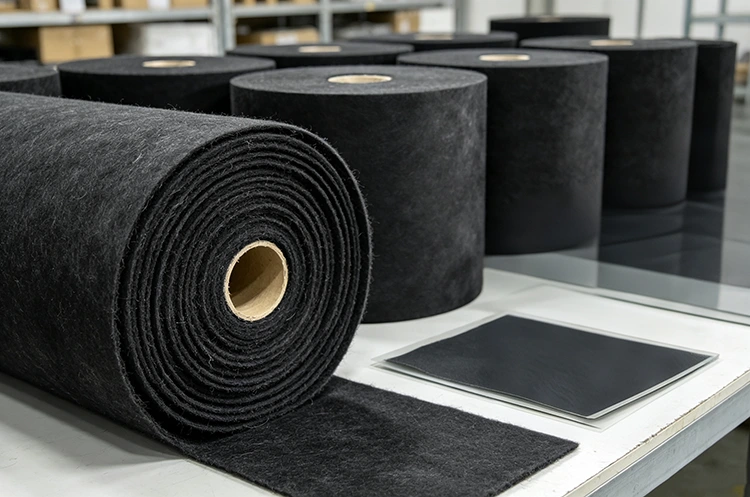
The mat can be used as a surface layer in carbon fiber reinforced plastic components where appearance and lightweight construction are important.
Examples include:
· Automotive composite components
· Lightweight vehicle parts
· Sports equipment
· Carbon fiber housings and panels
Electronic and EMI Components
The conductive nature of carbon fiber allows the material to be considered for selected electronic composite structures. It may form part of housings, panels, or enclosures where surface conductivity or EMI control is required.
The shielding performance comes from the complete composite construction, not from the mat in isolation.
Industrial FRP Products
For industrial composite equipment, the mat can serve as a lightweight carbon fiber surface layer. Its suitability for chemical or corrosion-related applications depends on the complete laminate, particularly the resin and any dedicated corrosion barrier.
Potential applications include selected FRP pipes, tanks, containers, filtration equipment, and industrial panels where the composite design calls for a carbon fiber surface layer.
Conductive Composite Structures
The material can also be considered for lightweight conductive composite components used in electrical, energy, and other functional-material applications. Final suitability depends on the required electrical properties and operating environment.
Technical Specifications
|
Item |
Specification |
|
Product Name |
10g Carbon Fiber Surface Mat |
|
Brand |
Yuruis |
|
Material |
Carbon Fiber |
|
Fiber Type |
Chopped Fiber |
|
Structure |
Non-Woven Carbon Fiber Mat |
|
Production Method |
Wet Forming Process |
|
Weight |
10g/m² |
|
Performance Type |
Superior Modulus Type |
|
Mechanical Property |
High-Performance Type |
|
Width |
1 meter / 1.25 meters |
|
Packaging |
Paper Box |
|
HS Code |
6815993100 |
|
Production Capacity |
2 Million Square Meters/Year |
|
Origin |
Taizhou, Jiangsu Province, China |
Production and Supply
Taizhou Yuruis New Materials Co., Ltd. was founded in 2017 and focuses on fiber composite materials, including carbon fiber products, fiberglass materials, and FRP-related products.
The production process for this mat involves fiber preparation, dispersion, wet forming, sheet formation, cutting, and inspection. Production capacity is listed at 2 million square meters per year, supporting standard orders as well as larger composite material requirements.
For technical inquiries, information about the intended laminate, resin system, processing method, required width, and order quantity helps determine whether the 10g specification matches the application.

Customization
The standard product is supplied at 10g/m² with widths of 1 meter and 1.25 meters. Depending on the production requirement, packaging and other specification details can be discussed before order confirmation.
For a quotation, it is useful to provide the required width, quantity, application, resin system, molding process, and any specific surface or electrical requirements. These details allow the material specification to be reviewed against the actual composite process.
Frequently Asked Questions
Is 10g Carbon Fiber Surface Mat a structural reinforcement?
It is mainly used as a surface or functional layer rather than as the primary structural reinforcement. Woven or unidirectional carbon fiber materials are generally used where defined directional load-bearing properties are required.
What does the 10g/m² specification mean?
It refers to the nominal areal weight of the mat. At 10g/m², the material is intended for lightweight surface coverage where adding a thick reinforcement layer is unnecessary.
Can the mat be used with resin systems?
Yes. The non-woven chopped-fiber structure is designed to be impregnated with resin during composite processing. Wet-out and final surface quality depend on the resin, processing method, pressure, curing conditions, and laminate construction.
Can it improve the surface of woven carbon fiber laminates?
Yes. When placed over woven reinforcement, the mat can help reduce the visibility of the underlying weave pattern and create a more consistent surface. The final appearance also depends on mold and resin conditions.
Does carbon fiber surface mat provide EMI shielding?
It can contribute to conductive and EMI-related composite structures. However, shielding effectiveness must be evaluated on the finished laminate because fiber distribution, resin content, thickness, grounding, joints, and component geometry all influence the result.
Can Yuruis supply different specifications?
The standard specification is 10g/m² with widths of 1 meter and 1.25 meters. Project-specific requirements can be discussed based on the intended application, processing conditions, and order quantity.
Send Inquiry
Contact Info
-
Address
No. 18, Fuyuan Road, Dalun Town Industrial Concentration Zone, Jiangyan District, Taizhou City, Jiangsu Province, China
-
Tel
-
Email
Send your requirements to Yuruis for carbon fiber materials, FRP grating or fiberglass materials. Include product specifications, dimensions, quantity, application or other requirements so our team can review the details and respond accordingly.
Related Products
News Recommendations





