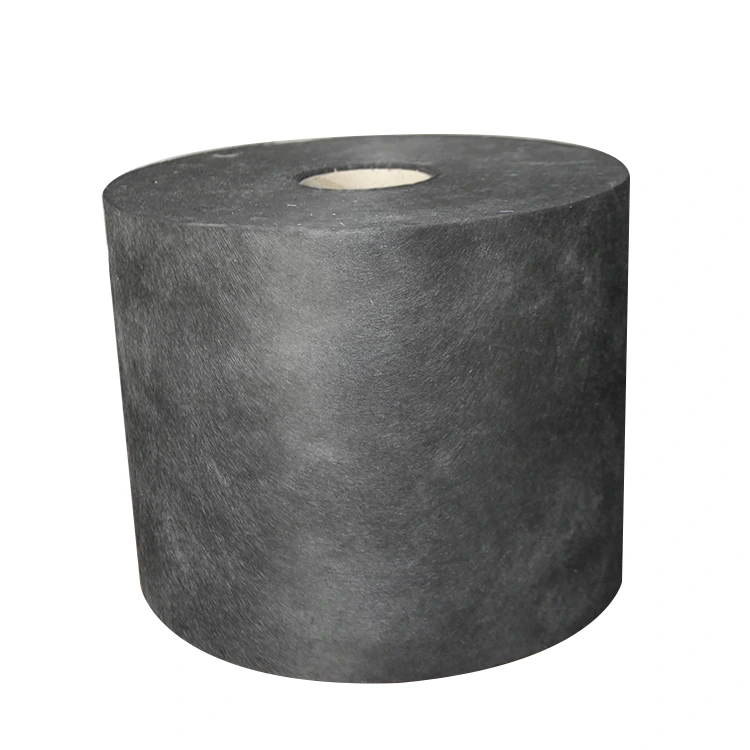
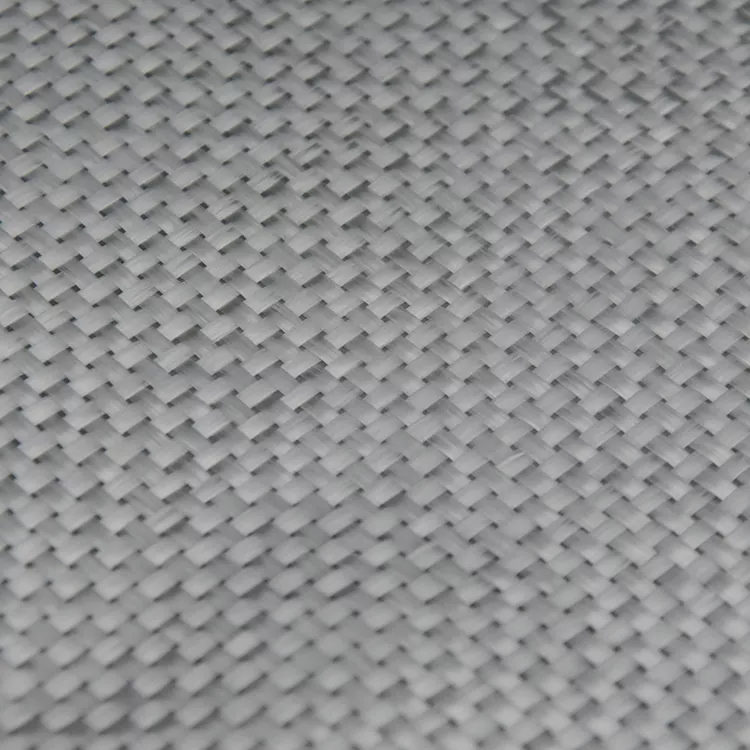
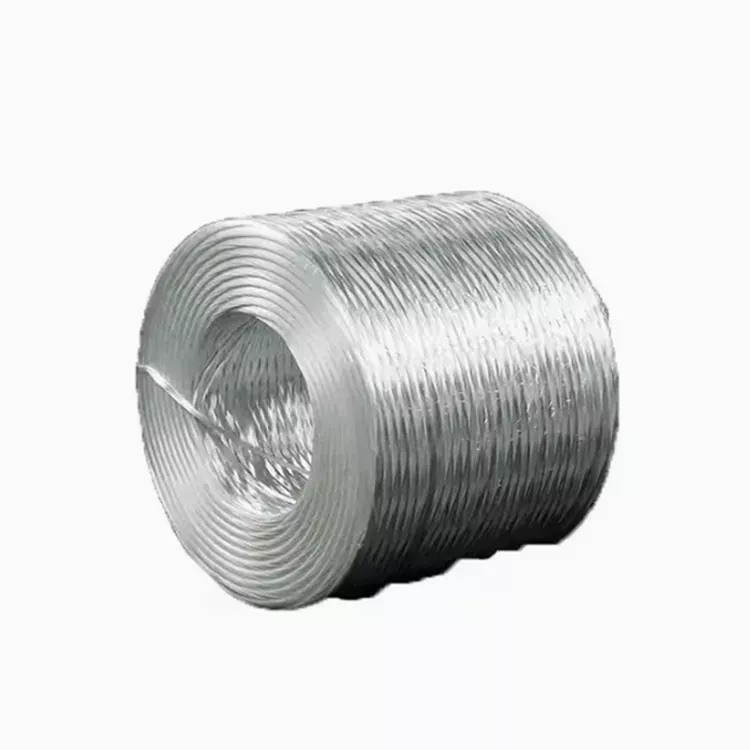
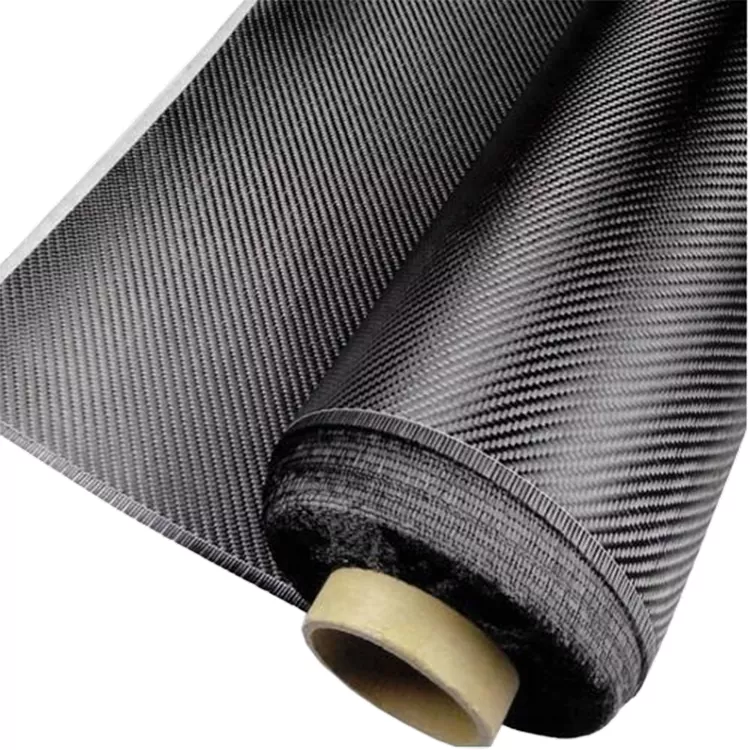
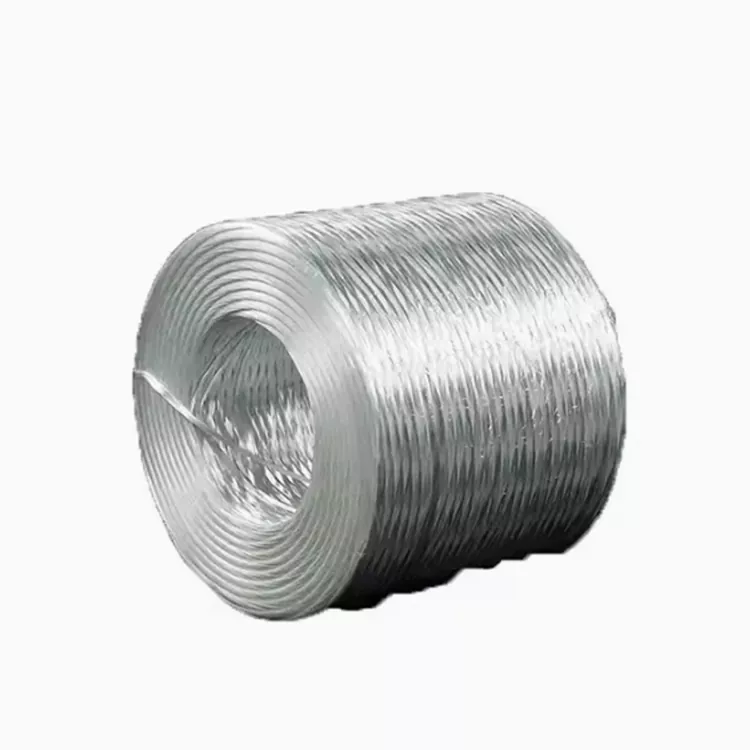
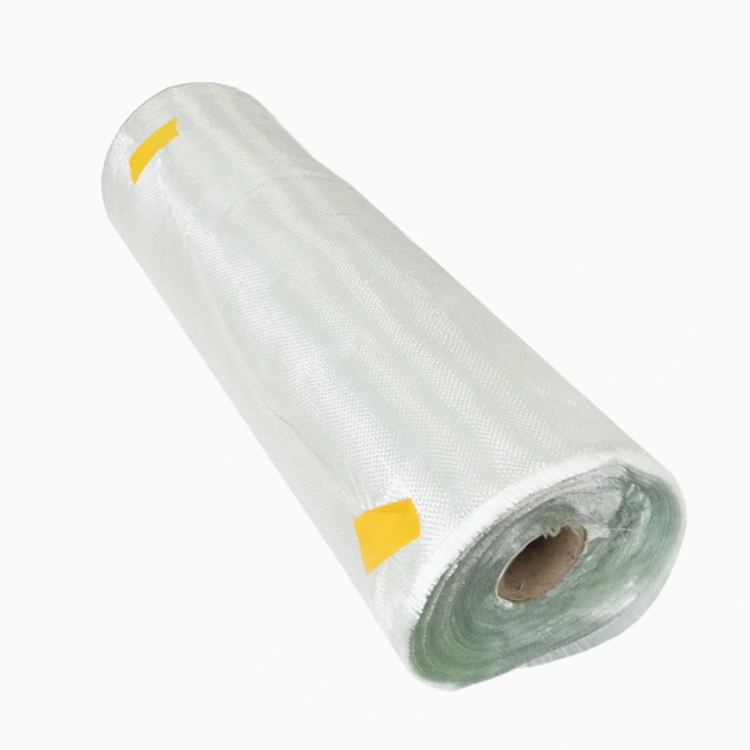
Yuruis Custom Fiberglass Woven Roving is an E-Glass reinforcement material designed for FRP and composite manufacturing where controlled fabric structure, resin impregnation, and application-specific specifications matter. Manufactured in Taizhou, China, this woven reinforcement uses continuous fiberglass rovings in a balanced plain-weave structure and can be discussed according to width, yarn size, density, roll configuration, surface treatment, and application requirements.
Custom fiberglass woven roving is a practical reinforcement solution for composite manufacturers that need consistent glass-fiber reinforcement in both warp and weft directions. Yuruis supplies E-Glass plain woven roving with a standard 300 tex warp and 300 tex weft configuration, 35 × 32 yarn density, 1-meter standard width, and 200-meter roll length. Project-based specifications can also be discussed according to laminate design, mold dimensions, resin system, production method, and logistics requirements. From FRP panels and tanks to pipes, industrial components, marine parts, and customized structures, selecting the appropriate woven roving specification can help manufacturers establish a more predictable composite production process.
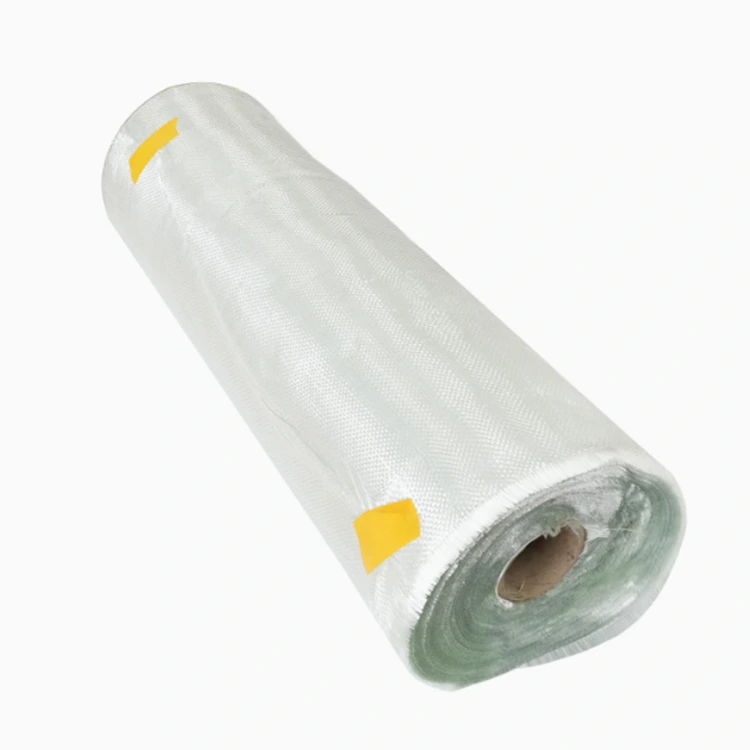
Table of Contents
- What Is Custom Fiberglass Woven Roving?
- What Are the Technical Specifications?
- Why Does Customization Matter in Composite Manufacturing?
- Where Is Fiberglass Woven Roving Used?
- How Should Buyers Select the Right Woven Roving?
- What Can Yuruis Provide for Industrial Buyers?
- Frequently Asked Questions
- Conclusion
What Is Custom Fiberglass Woven Roving?
Fiberglass woven roving is a reinforcement fabric produced by weaving continuous fiberglass rovings into a regular fabric structure. Unlike randomly oriented chopped fibers, woven roving provides an organized reinforcement pattern that can be incorporated into composite laminates according to the design of the finished component.
The standard Yuruis construction uses E-Glass fiber with 300 tex warp and 300 tex weft yarns in a plain woven pattern. The balanced structure provides reinforcement across two principal directions while remaining practical to cut, handle, position, and impregnate during composite production.
The actual mechanical performance of a finished FRP component should not be attributed to the fabric alone. Resin chemistry, fiber content, laminate thickness, fiber orientation, molding technique, curing conditions, and component design all influence final composite performance. Therefore, the woven roving specification should be considered as one part of the complete laminate engineering process.
What Are the Technical Specifications?
Understanding the basic specifications helps purchasing teams and composite engineers determine whether a particular woven roving is suitable for their production process. The following specifications represent the current standard configuration offered by Yuruis.
| Item | Standard Specification |
|---|---|
| Product Name | Custom Fiberglass Woven Roving |
| Fiberglass Type | E-Glass |
| Alkali Content | Alkali Free |
| Weave Type | Plain Woven |
| Warp Yarn | 300 tex |
| Weft Yarn | 300 tex |
| Warp / Weft Density | 35 × 32 |
| Standard Width | 1 meter |
| Standard Roll Length | 200 meters |
| Reel Weight | 40 kg |
| Moisture Content | 0.1 |
| Production Capacity | 3,000 tons/year |
| Origin | Taizhou, Jiangsu, China |
For buyers with different production requirements, specifications such as fabric width, yarn configuration, density, roll length, surface treatment, and impregnating agent can be discussed according to the intended application and resin system.
Why Does Customization Matter in Composite Manufacturing?
Composite manufacturing rarely follows one universal specification. A woven reinforcement suitable for a relatively large FRP panel may not be the most efficient choice for a narrow molded component, curved marine part, or specialized industrial structure. Customization allows the reinforcement material to be considered together with the dimensions and production characteristics of the finished component.
Several parameters are particularly important when discussing a custom specification:
- Yarn size: Determines the basic roving configuration and influences fabric handling and laminate construction.
- Fabric density: Affects the amount and distribution of reinforcement within the woven structure.
- Fabric width: Can be matched with mold dimensions and production layouts to reduce unnecessary cutting and handling.
- Roll configuration: Helps manufacturers align material packaging with their production volume and storage requirements.
- Surface treatment: Should be considered together with the resin and composite manufacturing process.
- Impregnating agent: Requires confirmation according to the intended resin system and application.
This project-based approach can be especially useful for industrial buyers who require repeatable material specifications rather than simply purchasing a generic fiberglass fabric.
Where Is Fiberglass Woven Roving Used?
The versatility of fiberglass reinforcement makes woven roving suitable for a broad range of FRP and composite applications. The appropriate grade should always be confirmed against the specific laminate design, resin system, manufacturing method, and service environment.
FRP Panels and Molded Products
Woven roving can serve as a reinforcement layer in FRP panels and molded products. Its regular woven structure makes it convenient to cut and position according to the required lay-up sequence.
FRP Tanks and Pipes
Fiberglass woven reinforcement can be incorporated into selected tanks, pipes, and other corrosion-resistant composite structures. The final laminate design should consider the resin system, reinforcement arrangement, wall thickness, and operating conditions.
Industrial Composite Components
Industrial covers, housings, profiles, and molded FRP components can use woven roving where continuous glass-fiber reinforcement is required. The balanced warp and weft structure provides reinforcement in two directions.
Marine Composite Parts
Marine composite manufacturing may use fiberglass woven roving as part of a multilayer laminate. Hull components and other marine parts require careful material selection based on geometry, loading conditions, resin compatibility, and manufacturing process.
Customized FRP Structures
For application-specific composite structures, buyers can discuss the required width, yarn size, density, roll arrangement, surface treatment, and resin compatibility before confirming production specifications.
How Should Buyers Select the Right Woven Roving?
Choosing a woven reinforcement should begin with the finished composite component rather than the fabric alone. Procurement teams can prepare a technical requirement sheet before requesting samples or quotations.
- Define the application. Identify whether the material will be used for panels, tanks, pipes, marine components, industrial housings, or another FRP structure.
- Review the laminate design. Consider the required reinforcement orientation, number of layers, target thickness, and overall composite construction.
- Confirm resin compatibility. Discuss the intended resin system and required surface treatment or impregnating agent.
- Specify dimensions. Provide preferred fabric width, roll length, and packaging requirements.
- Evaluate handling requirements. The fabric should be practical for cutting, positioning, wet-out, and the selected production method.
- Confirm production consistency. For recurring orders, buyers should establish clear specifications so subsequent batches can be compared against the same requirements.
- Consider logistics. Quantity, destination, packaging, roll configuration, and shipping requirements should be discussed before final quotation.
For technical buyers, requesting a sample before placing a larger order can also provide an opportunity to evaluate handling, resin wet-out, fabric stability, and compatibility with the existing production process.
What Can Yuruis Provide for Industrial Buyers?
Yuruis manufactures fiberglass and other composite materials at its production base in Taizhou, Jiangsu Province, China. The stated production capacity for this woven roving product is 3,000 tons per year, supporting both standard specifications and project-based requirements.
For buyers evaluating a long-term China fiberglass manufacturer and supplier, production capability is only one consideration. Material preparation, weaving, inspection, roll handling, packaging, and communication about technical specifications can all affect the practicality of long-term procurement.
Yuruis supports specification discussions around several key parameters, including:
- E-Glass fiber selection
- Plain woven construction
- Warp and weft yarn configuration
- Fabric density
- Customized fabric width
- Roll length and reel configuration
- Surface treatment
- Application-specific impregnating agent
- Paper box transportation packaging
For overseas procurement, buyers can provide their destination, estimated quantity, required specifications, and application details so that product configuration and shipping arrangements can be evaluated together.
For additional fiberglass material options, buyers can also explore Yuruis fiberglass woven roving and related fiberglass and composite materials.
Frequently Asked Questions
1. What is Custom Fiberglass Woven Roving used for?
It is primarily used as a continuous fiberglass reinforcement material in FRP and composite manufacturing. Typical applications include FRP panels, tanks, pipes, industrial components, marine composite parts, and customized molded structures.
2. What type of fiberglass does Yuruis use?
The standard product uses E-Glass fiberglass and an alkali-free construction. The current standard configuration uses 300 tex warp and 300 tex weft yarns in a plain woven structure.
3. Can the width of fiberglass woven roving be customized?
Yes. The standard width is 1 meter, while customized width requirements can be discussed according to the customer's application, mold dimensions, production method, and material utilization requirements.
4. Can surface treatment be adjusted for different resin systems?
Surface treatment and the impregnating agent can be confirmed according to the intended application and resin system. Buyers should provide the resin and processing information when requesting a customized specification.
5. What information should I provide when requesting a quotation?
For an accurate quotation, it is useful to provide the required fabric specification, width, roll length, estimated quantity, application, resin system, destination, and any special surface-treatment or packaging requirements.
Conclusion
Custom fiberglass woven roving provides composite manufacturers with a structured reinforcement option that can be adapted to different laminate designs and production requirements. Yuruis combines a standard E-Glass plain woven configuration with project-based specification discussions covering yarn size, density, width, roll arrangement, surface treatment, and application requirements. For buyers planning regular FRP production or evaluating a new reinforcement material, clearly defining the application and technical requirements is an important step toward selecting a suitable woven roving specification. If you are sourcing reliable fiberglass reinforcement for an industrial composite project, contact us with your specifications, application, quantity, and destination to discuss the appropriate Custom Fiberglass Woven Roving solution with Yuruis.