
English
- English
- Español
- Português
- русский
- Français
- 日本語
- Deutsch
- tiếng Việt
- Italiano
- Nederlands
- ภาษาไทย
- Polski
- 한국어
- Svenska
- magyar
- Malay
- বাংলা ভাষার
- Dansk
- Suomi
- हिन्दी
- Pilipino
- Türkçe
- Gaeilge
- العربية
- Indonesia
- Norsk
- تمل
- český
- ελληνικά
- український
- Javanese
- فارسی
- தமிழ்
- తెలుగు
- नेपाली
- Burmese
- български
- ລາວ
- Latine
- Қазақша
- Euskal
- Azərbaycan
- Slovenský jazyk
- Македонски
- Lietuvos
- Eesti Keel
- Română
- Slovenski
- मराठी
- Srpski језик

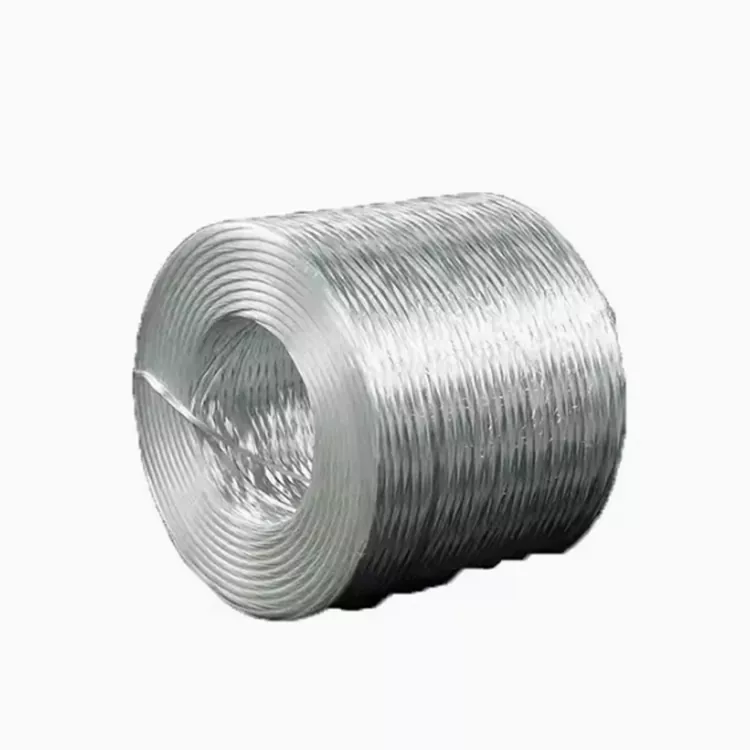
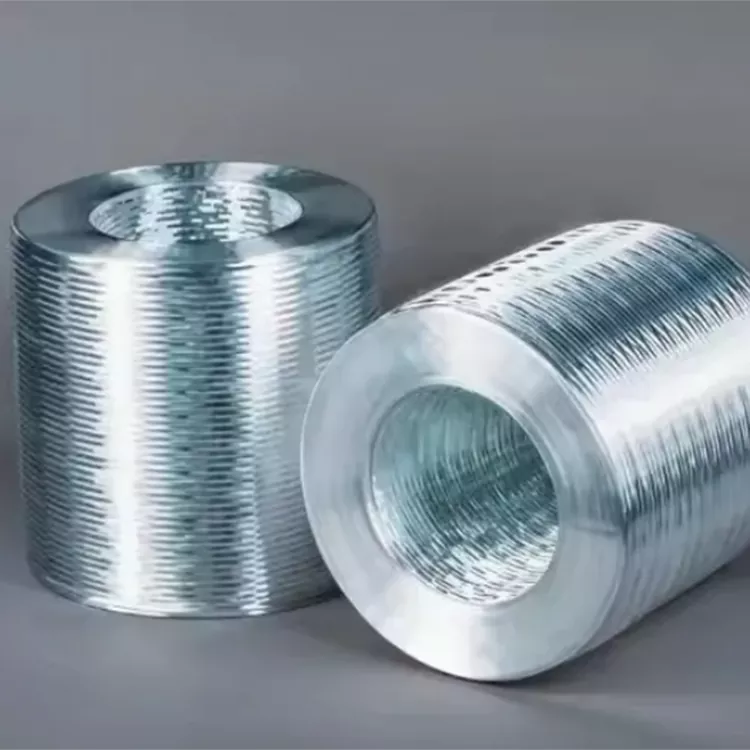
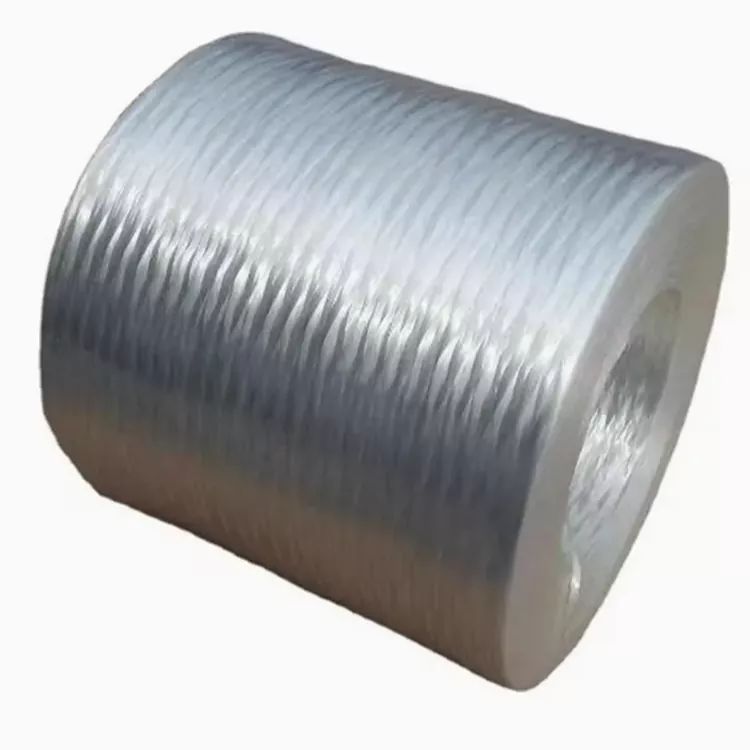
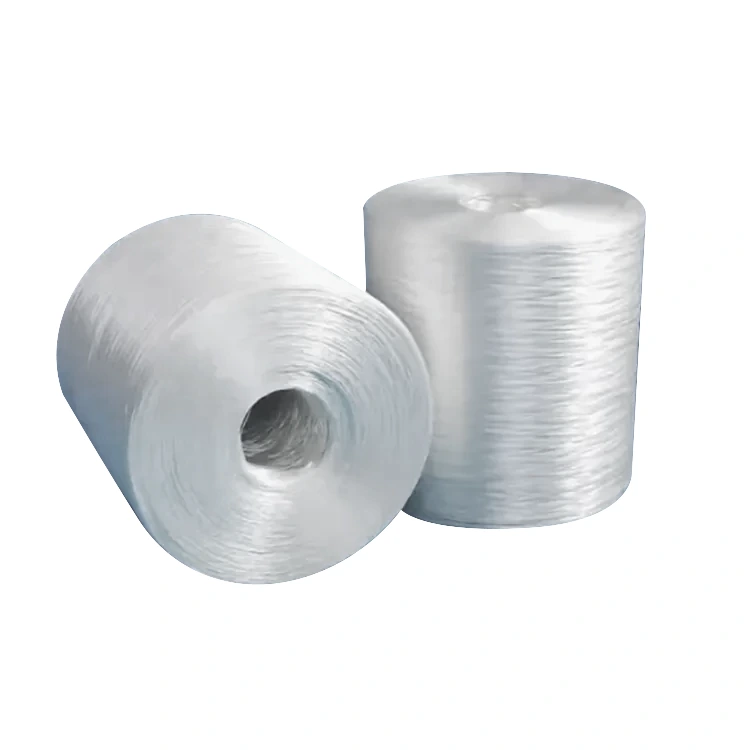
AR Fiberglass Spray-up Roving
Yuruis supplies AR Fiberglass Spray-up Roving for FRP manufacturers producing molded composite components through spray-up processes. The E-Glass reinforcement is supplied in a continuous roving form and can be matched with UP or VE resin systems. Typical applications include boat and marine parts, sanitary ware, tanks, automotive components and other fiberglass-reinforced products requiring flexible reinforcement supply during molding.
AR Fiberglass Spray-up Roving is an E-Glass reinforcement material supplied as a bulk, multi-strand yarn for spray-up molding. The untwisted roving is designed to pass continuously through spray equipment, where it is cut into short glass fiber strands and distributed over the mold together with resin.
Unlike fiberglass mat, which is supplied as a pre-formed reinforcement layer, spray-up roving allows fiber cutting and deposition to take place during production. Its processing characteristics therefore depend strongly on cutability, fiber opening, dispersion, mold coverage and compatibility with the selected resin system.
Spray-Up Processing Sequence
The performance of AR Fiberglass Spray-up Roving is closely related to what happens between the supply package and the finished laminate. The material passes through several processing stages, and each stage affects fiber distribution and production consistency.
01 — Continuous Feeding
The roving is drawn from the supply package and fed continuously through the spray gun and fiber delivery system. Consistent roving density helps maintain stable feeding as the equipment operates.
02 — High-Speed Cutting
The roving is converted into short fiber strands by the cutting mechanism. Good cutability and relatively low static generation can help reduce interruptions during continuous spray-up production.
03 — Fiber Opening and Mold Coverage
After cutting, the untwisted multi-strand structure allows the short fibers to disperse across the mold surface. This is important when the reinforcement needs to reach curved sections, corners and other areas that are difficult to cover with concentrated fiber bundles.
A bunching rate of more than 90% is generally required for this type of spray-up roving, subject to the applicable product specification and test method.
04 — Resin Wet-Out and Air Removal
The chopped fibers are deposited together with resin and then distributed across the mold. Efficient resin penetration helps wet the reinforcement, while rolling during lay-up can flatten the fiber layer and remove trapped air before curing.
Processing Characteristics
For spray-up production, the useful characteristics of a roving are closely connected to how consistently it moves through the equipment and how the chopped fibers behave after leaving the cutting system.
|
Processing Requirement |
Roving Performance |
|
Continuous cutting |
Good cutability for continuous cutting operations |
|
Static control |
Relatively low static generation during cutting |
|
Fiber dispersion |
Untwisted strands open after cutting for fiber distribution |
|
Mold coverage |
Short-cut fibers can cover flat, curved and corner areas |
|
Resin impregnation |
Fast resin penetration during composite processing |
|
Air removal |
Fiber layer can be rolled to help remove trapped air |
|
Equipment compatibility |
Suitable for spray guns and fiber delivery systems used for spray-up molding |
|
Roving consistency |
Uniform roving density |
UP and VE Resin Compatibility
This spray-up roving is mainly used with unsaturated polyester (UP) and vinyl ester (VE) resin systems. The vinyl-coated surface treatment is intended to support the interaction between the glass fiber reinforcement and the selected resin during composite processing.
During spray-up molding, chopped glass fibers and resin are deposited onto the mold at the same time. The fiber layer is then distributed and rolled to improve contact between the reinforcement and resin and to reduce trapped air before curing.
This process is commonly used for relatively large FRP components because reinforcement can be deposited directly onto the mold without manually positioning individual pre-formed reinforcement layers.
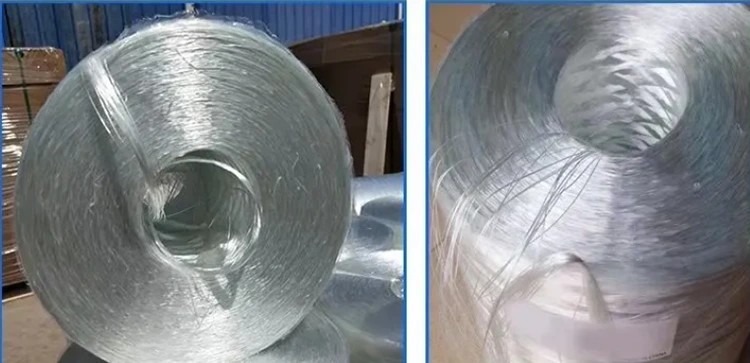
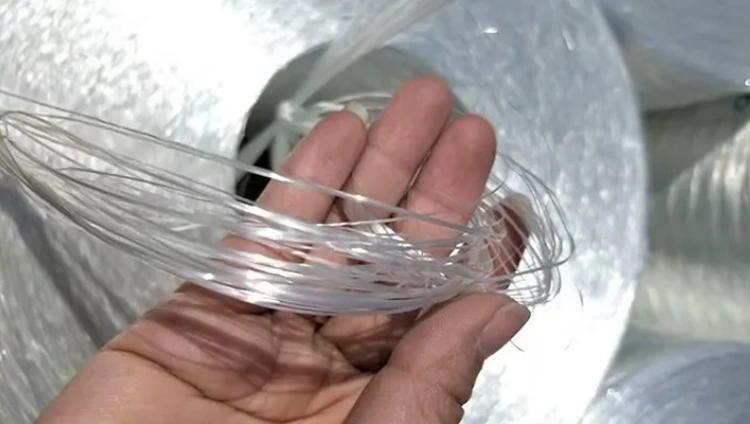
Technical Specifications
|
Item |
Details |
|
Product Name |
AR Fiberglass Spray-up Roving |
|
Model No. |
Fiberglass Yarn |
|
Fiberglass Type |
E-Glass |
|
Yarn Structure |
Bulk Yarn |
|
Roving Structure |
Multi-strand, Untwisted |
|
Surface Treatment |
Vinyl Coated |
|
Color |
White |
|
Main Function |
Reinforcement |
|
Main Application |
Insulation / FRP Reinforcement |
|
Resin System |
UP / VE |
|
Processing Method |
Spray-up Molding |
|
Specification |
One Meter Wide |
|
Transport Package |
Pallet |
|
Trademark |
Yuruis |
|
Origin |
Taizhou, Jiangsu Province, China |
|
HS Code |
70191900 |
|
Stated Production Capacity |
320,000 Tons/Year |
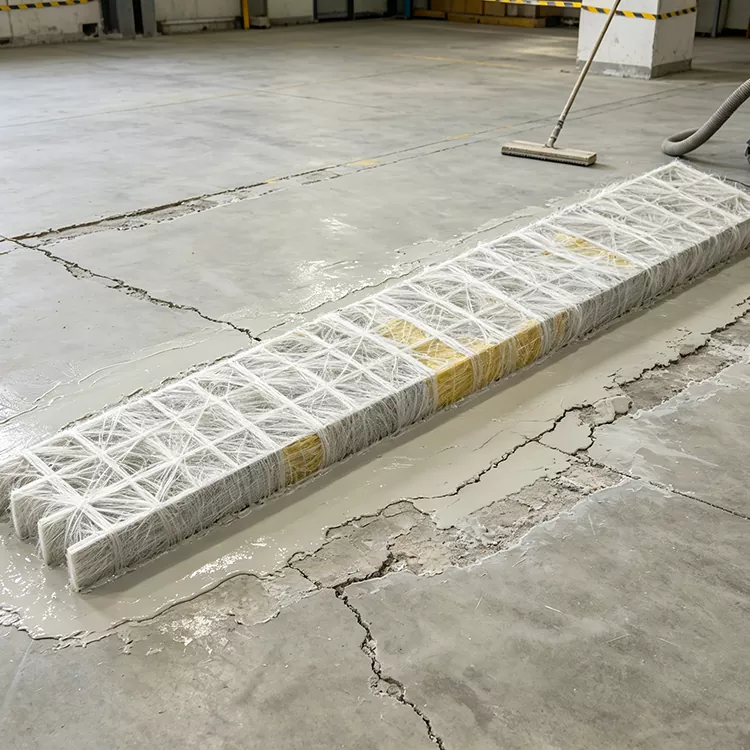
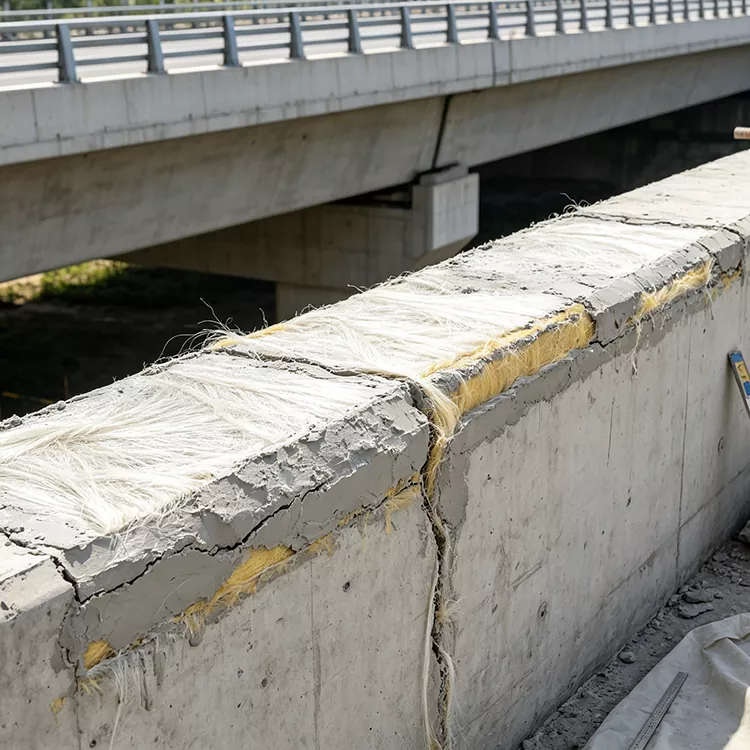
Applications in FRP Manufacturing
FRP Boats and Hulls
Boat hulls and other marine structures often contain large mold surfaces with curved sections. The ability of the chopped fibers to disperse across the mold makes spray-up reinforcement suitable for these production environments.
Bathtubs and Sanitary Ware
The material can be used in fiberglass sanitary products where reinforcement needs to follow curved mold surfaces and become impregnated with resin during production.
Storage Tanks, Pipes and Cooling Towers
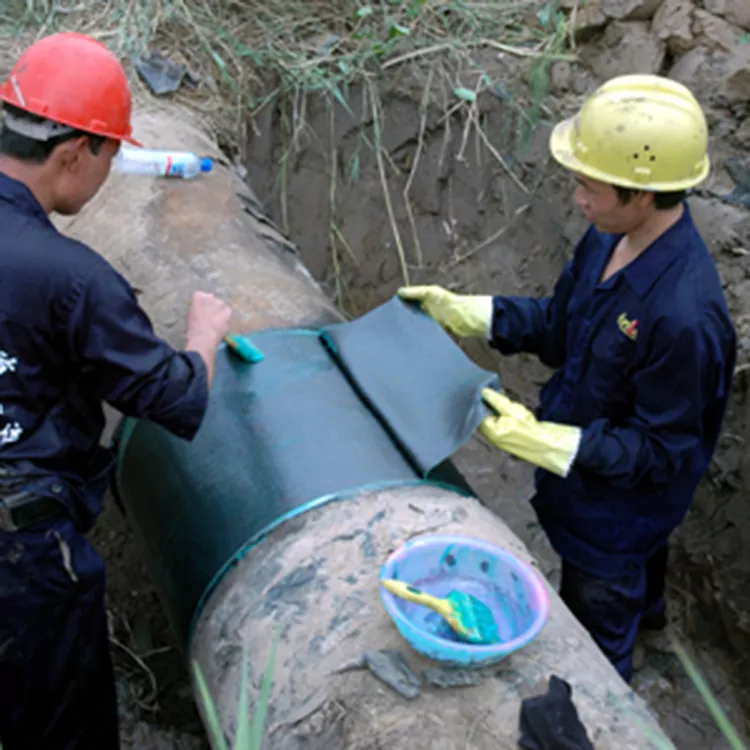
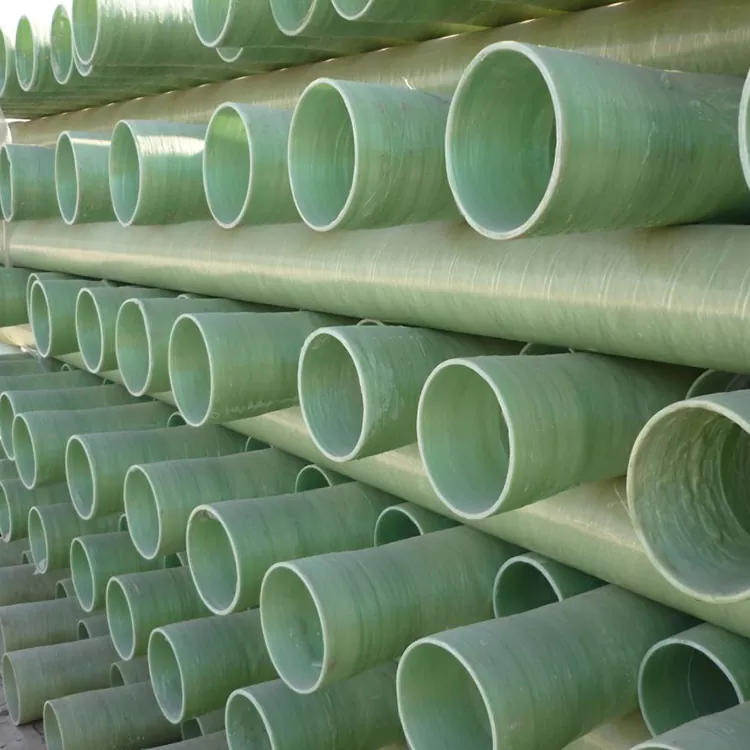
Spray-up fiberglass reinforcement can be incorporated into resin-based composite tanks, pipes and cooling tower components. The final material selection should consider the resin system and service environment.
Automotive Components
The roving can be used for selected automotive composite parts, including structural and exterior components manufactured through suitable FRP molding processes.
Electrical and Building Products
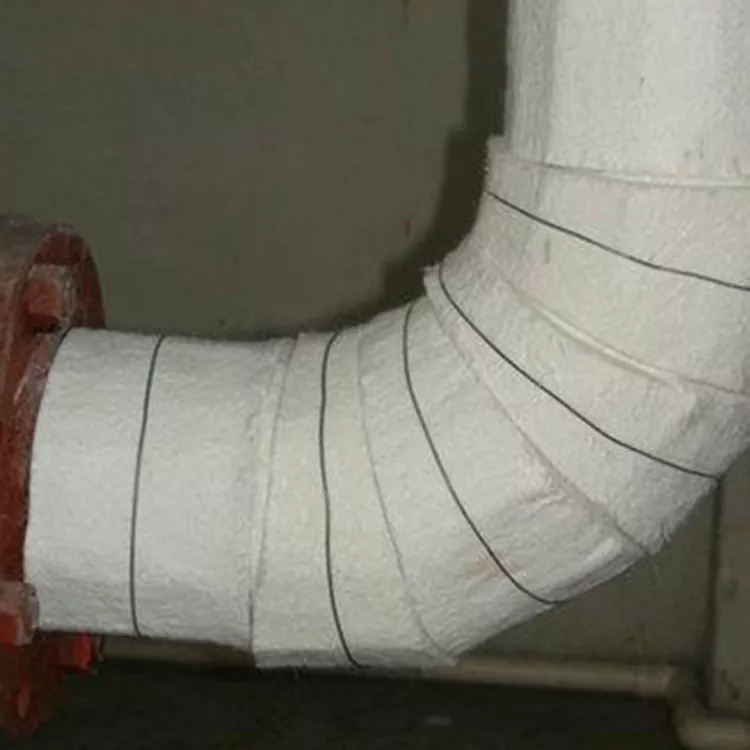
Other stated applications include waterproof boards, water tanks, electrical cabinets, electrical parts and selected building decoration components where spray-up or related fiberglass molding is appropriate.

Material Selection and Process Matching
For manufacturers replacing an existing spray roving or starting a new FRP production line, the material should be evaluated together with the spray gun, cutter, resin and mold design. A roving that works well in one production setup may require different cutting or feeding conditions in another.
The main points to confirm include the fiberglass type, roving structure, surface treatment, resin system, cutting behavior, required fiber distribution and finished component design. Existing production parameters can also be used when comparing an alternative material.
The supplied specification identifies this product as E-Glass with a vinyl-coated surface treatment and UP / VE resin compatibility. If a project requires specific mechanical, electrical, chemical or alkali-resistance performance, the corresponding technical specification and test data should be confirmed before production.
For bulk sourcing, manufacturers can provide the application, resin system, spray equipment, current roving specification, estimated quantity and delivery requirements so the material can be matched more accurately to the production process.
Packaging and Supply
The roving is supplied in palletized packaging for transportation and handling. For overseas orders, production scheduling, inspection, packaging and shipment preparation can be coordinated according to the order requirements.
The product originates from Taizhou, Jiangsu Province, China. Yuruis's composite-material range also includes E-Glass roving, fiberglass mats, FRP grilles and carbon fiber products.
For industrial orders, customers can provide their existing material specification, application, resin system, expected quantity and destination so that product details can be reviewed before bulk production.
Yuruis Manufacturing and Supply Capabilities
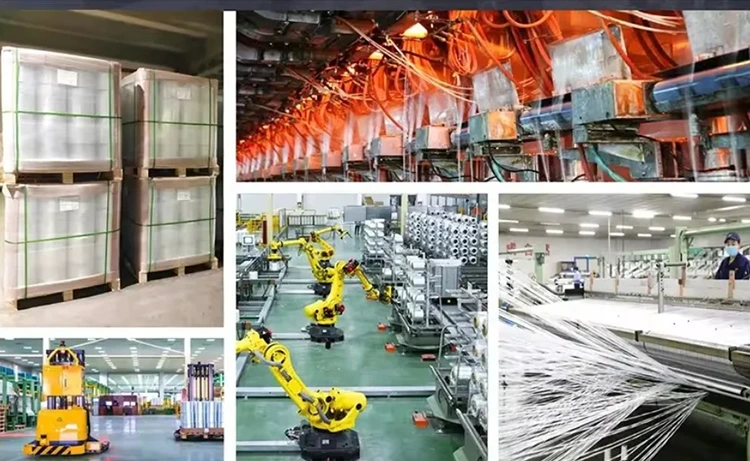
Yuruis has focused on fiber composite materials since 2017, with its product range covering E-Glass roving, fiberglass mats, FRP grilles and carbon fiber products.
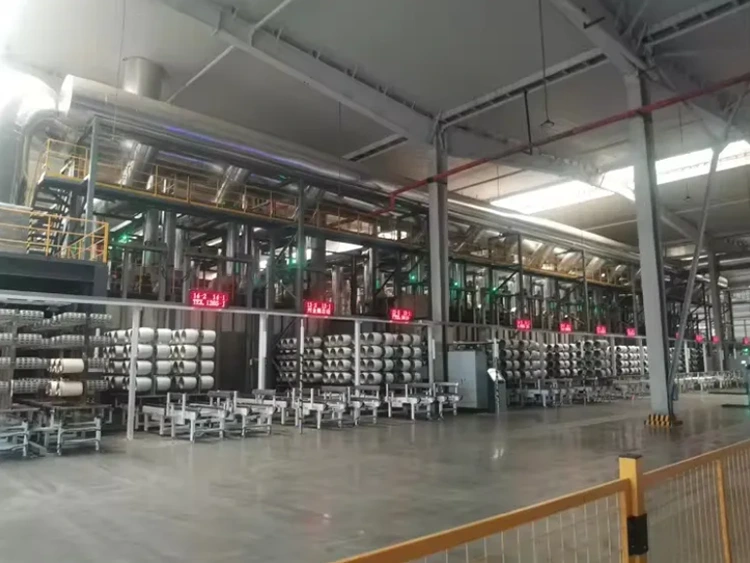
The company operates production lines together with molding, cutting, coating and testing equipment for composite materials. This provides a production and inspection system for different reinforcement materials and supports specification matching for industrial applications.
Yuruis supplies composite materials to customers in more than 20 countries and regions across Asia, Europe, Africa and the Americas. For overseas orders, the company provides product consultation, sample testing, production coordination and logistics support.
FAQ
What is AR Fiberglass Spray-up Roving used for?
It is used as glass fiber reinforcement in spray-up FRP molding, including boats, sanitary ware, storage tanks, automotive components and other molded composite products.
Is this an E-Glass roving?
Yes. The supplied specification identifies the fiberglass type as E-Glass.
Which resin can be used with this roving?
It is mainly intended for UP and VE resin systems.
What makes this roving suitable for spray-up equipment?
Its good cutability, low-static behavior, efficient dispersion after cutting and uniform roving density are designed around continuous spray-up processing.
How many filaments are contained in each strand?
The supplied technical description states that each strand contains 200 glass fiber monofilaments.
Can the roving cover complex mold surfaces?
The short-cut fibers have good mold-covering characteristics and can be distributed across corners and curved areas of the mold.
Is it an alkali-resistant fiberglass?
The supplied data describes it as E-Glass / alkali-free glass fiber. Specific Alkali Resistant performance should only be claimed if corresponding technical test data is available.
Send Inquiry
Contact Info
-
Address
No. 18, Fuyuan Road, Dalun Town Industrial Concentration Zone, Jiangyan District, Taizhou City, Jiangsu Province, China
-
Tel
-
Email
Send your requirements to Yuruis for carbon fiber materials, FRP grating or fiberglass materials. Include product specifications, dimensions, quantity, application or other requirements so our team can review the details and respond accordingly.
News Recommendations





