
English
- English
- Español
- Português
- русский
- Français
- 日本語
- Deutsch
- tiếng Việt
- Italiano
- Nederlands
- ภาษาไทย
- Polski
- 한국어
- Svenska
- magyar
- Malay
- বাংলা ভাষার
- Dansk
- Suomi
- हिन्दी
- Pilipino
- Türkçe
- Gaeilge
- العربية
- Indonesia
- Norsk
- تمل
- český
- ελληνικά
- український
- Javanese
- فارسی
- தமிழ்
- తెలుగు
- नेपाली
- Burmese
- български
- ລາວ
- Latine
- Қазақша
- Euskal
- Azərbaycan
- Slovenský jazyk
- Македонски
- Lietuvos
- Eesti Keel
- Română
- Slovenski
- मराठी
- Srpski језик

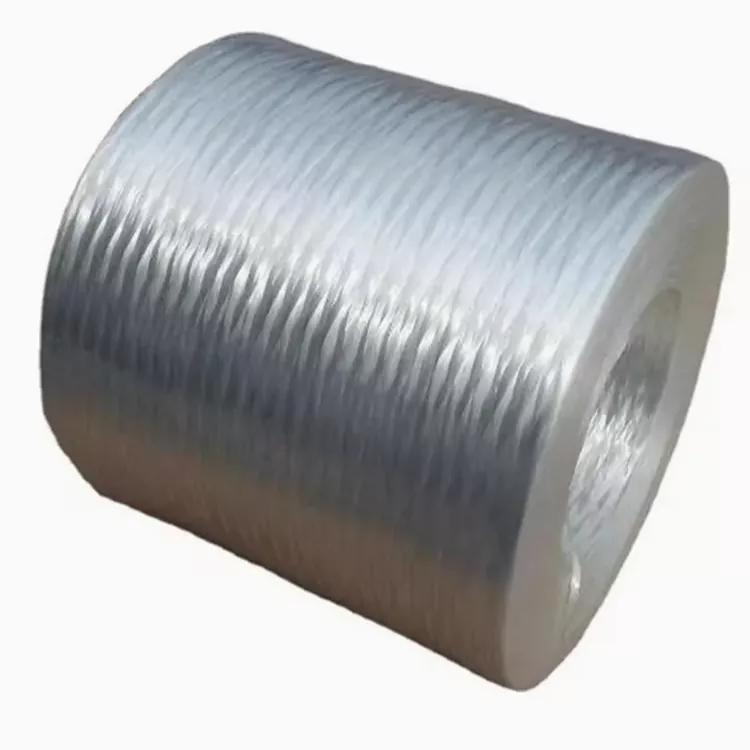
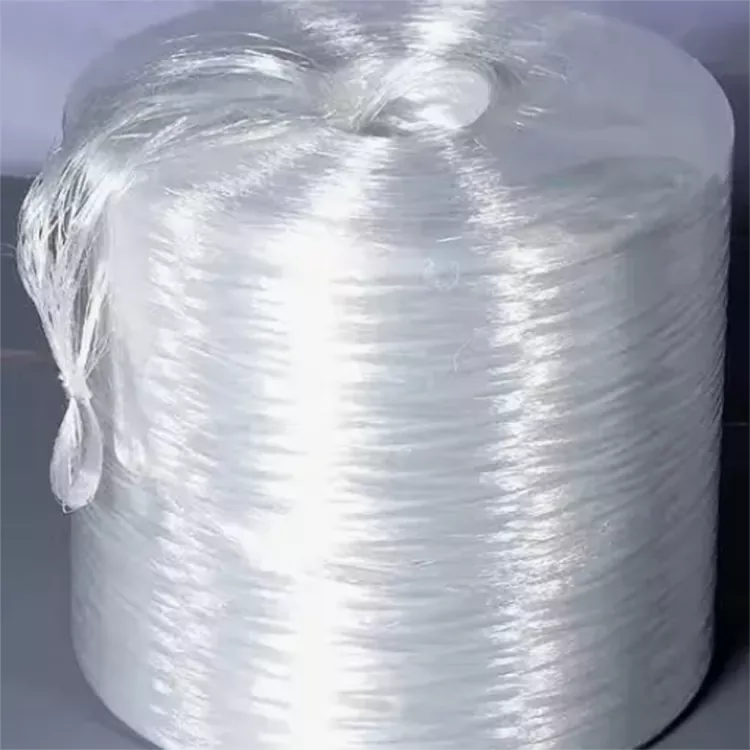
Alkali-Free Glass Fiber Spray Roving
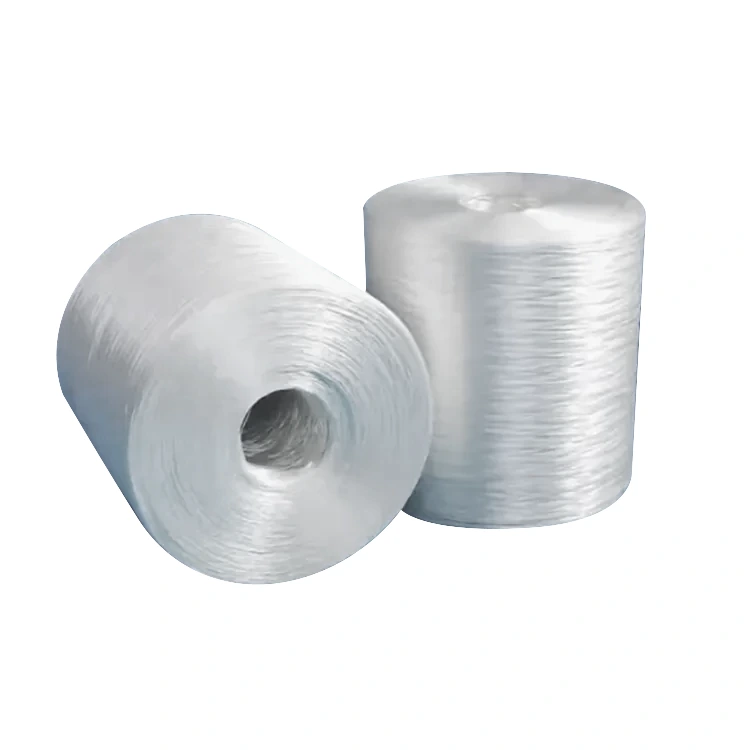
For FRP manufacturers, the reinforcement material needs to work reliably from the moment it enters the spray gun to the point where the laminate is cured. Yuruis Alkali-Free Glass Fiber Spray Roving uses E-Glass with a vinyl-coated surface treatment and a multi-strand bulk yarn structure, providing a practical reinforcement option for spray-up molding with UP and VE resins.
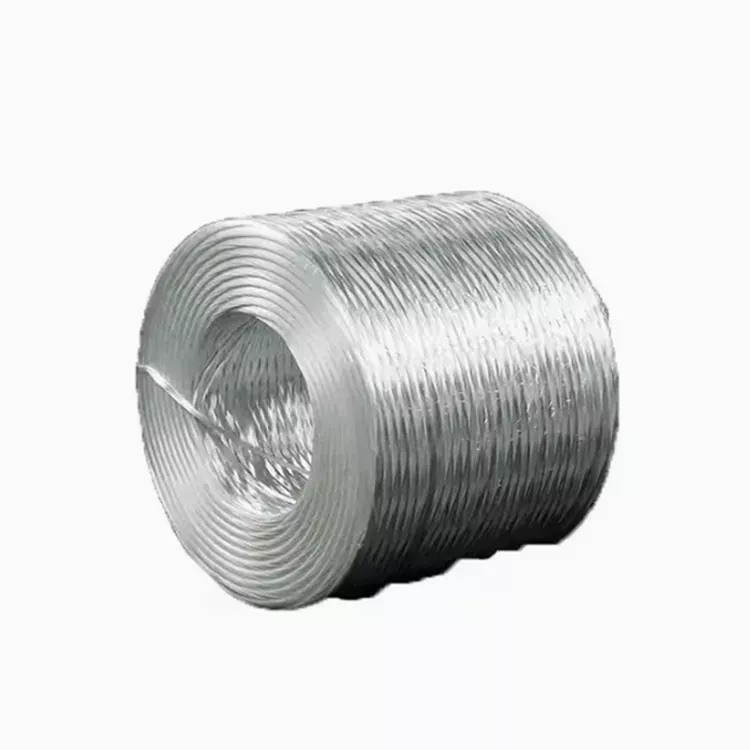
Alkali-Free Glass Fiber Spray Roving is an E-Glass reinforcement material developed for spray-up molding and other short-cut fiberglass processes. The roving is supplied as a bulk yarn made from multiple glass fiber strands, allowing it to be fed into a cutter and converted into short fibers during production.
Unlike pre-formed fiberglass mats or woven reinforcements, this material is supplied as roving so the fiber length and placement can be determined during the spray-up process. It is mainly used with UP and VE resin systems to introduce glass fiber reinforcement into molded FRP structures.
Material and Construction
The roving uses E-Glass fiber with a vinyl-coated surface treatment. Its bulk yarn structure consists of multiple strands and is intended for continuous feeding through spray-up equipment, where the roving is cut into shorter fibers and deposited together with resin.
· E-Glass fiber
· Bulk yarn construction
· Vinyl-coated surface treatment
· White appearance
· Reinforcement material for FRP
· Suitable for UP and VE resin systems
· Designed for spray-up molding
The roving is supplied as a reinforcement material rather than a finished composite product. After cutting, resin impregnation, molding and curing, the glass fibers become part of the final FRP structure. Final composite performance therefore depends on the selected resin, fiber content, laminate design and processing conditions.
Spray-Up Processing Performance
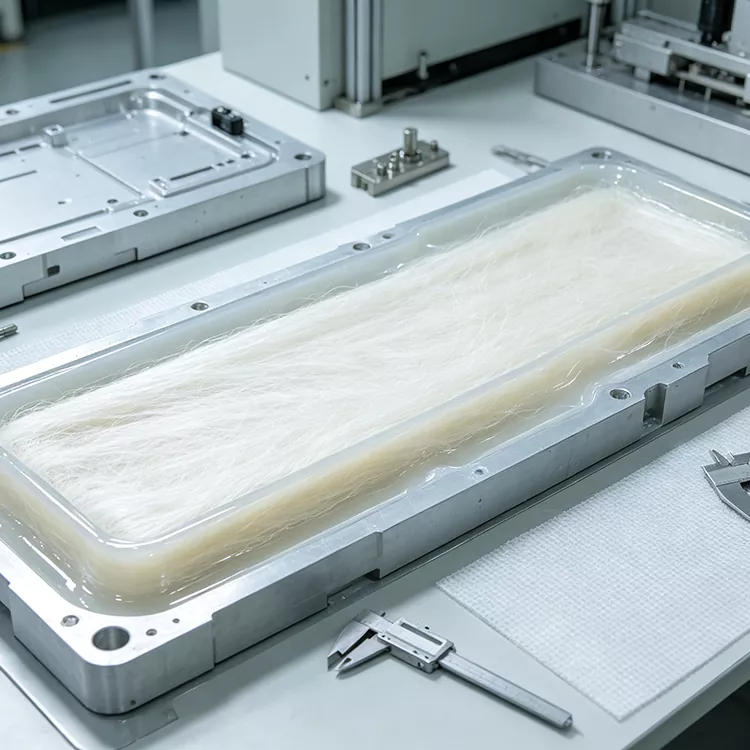
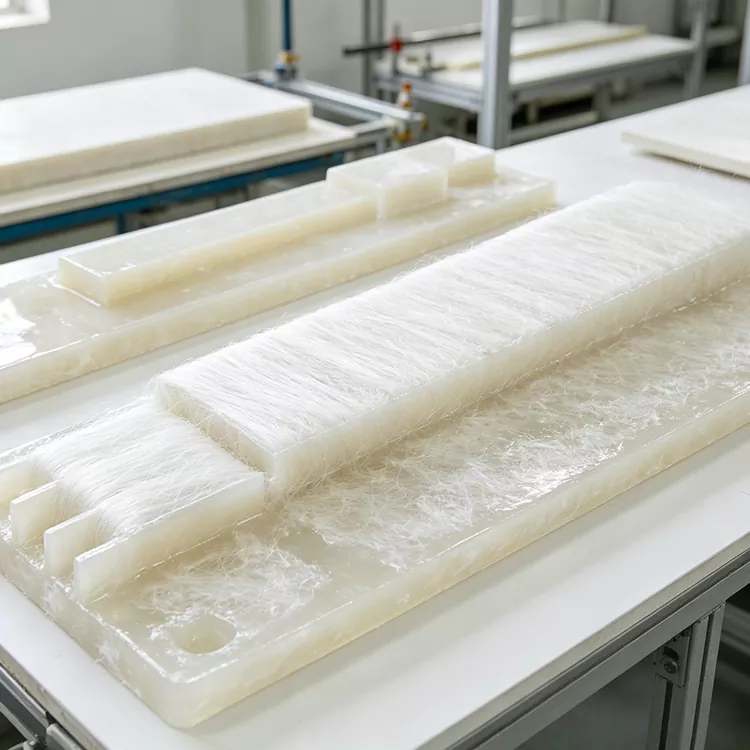
The main processing requirement for spray roving is stable feeding and cutting. During spray-up molding, continuous roving passes through a cutting system and is converted into shorter glass fiber strands before being distributed over the mold surface with resin.
Yuruis's product is specified with good short-cut performance for this type of processing. The supplied technical information also identifies uniform thickness and high strength as material characteristics, which are relevant when consistent fiber placement is required during production.
The actual cutting length, feed rate, resin ratio and spray equipment should be matched to the production process. These factors can influence fiber distribution, wet-out and the reinforcement content of the finished FRP component.

Product Specifications
|
Item |
Specification |
|
Product |
Alkali-Free Glass Fiber Spray Roving |
|
Model No. |
Fiberglass Yarn |
|
Fiberglass Type |
E-Glass |
|
Yarn Structure |
Bulk Yarn |
|
Surface Treatment |
Vinyl Coated |
|
Color |
White |
|
Main Function |
Reinforcement |
|
Main Process |
Spray-up Molding |
|
Main Resin |
UP / VE |
|
Specification |
One Meter Wide |
|
Transport Package |
Pallet |
|
Trademark |
Yuruis |
|
Origin |
Taizhou, Jiangsu Province, China |
|
HS Code |
70191900 |
|
Stated Production Capacity |
320,000 Tons/Year |
Industrial Applications
FRP Building Products
The roving can be introduced into molded FRP products where chopped glass fiber reinforcement is required during spray-up production.
Tanks and Chemical Equipment
FRP tanks, vessels and related equipment can use fiberglass reinforcement as part of corrosion-resistant composite structures. Resin selection and service conditions should be checked for the specific chemical environment.
Marine Components
Spray-up fiberglass reinforcement is used in selected boats and marine components where molded composite construction is suitable for the product design.
Sanitary Ware
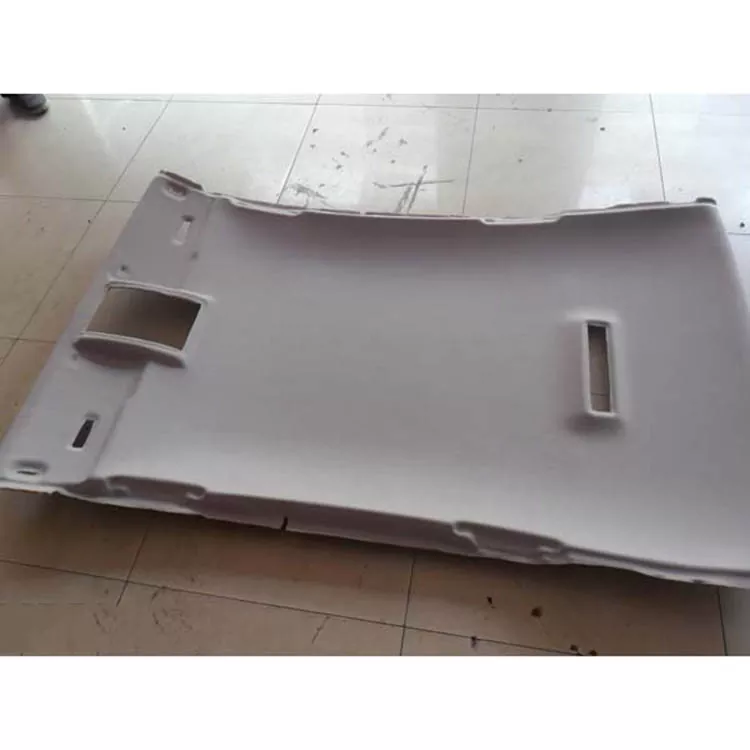
The material can be used in spray-up and related molding processes for bathtubs, sanitary ware and other molded fiberglass products.
Automotive Components
Automotive and transportation-related FRP components may use chopped fiberglass reinforcement where the molding process and material specification are appropriate.
Electrical and Industrial Parts
Fiberglass-reinforced composites are also used for selected electrical housings and industrial components. Final suitability should be evaluated according to the required resin, mechanical properties and operating environment.

Material Selection for Spray-Up Molding
Selecting spray roving involves more than confirming the fiberglass type. The cutting equipment, resin system, fiber deposition method and finished laminate structure all affect how the reinforcement performs during production.
For this product, the main points to confirm include the UP or VE resin system, spray-up equipment, required cutting conditions, material supply format and dimensions of the finished FRP component.
The vinyl-coated surface treatment should also be considered together with the resin system because the fiber-resin interface influences how the reinforcement integrates into the cured laminate. When replacing an existing roving, the original product specification and current processing conditions provide useful references for material matching.
For new projects, manufacturers can also provide the intended application, resin type, molding method, required order quantity and production requirements so the material specification can be reviewed before bulk supply.
Packaging and Supply
The roving can be supplied in palletized packaging for transportation and handling. For overseas orders, production scheduling, quality inspection, packaging and shipment preparation can be coordinated according to the order requirements.
The product is manufactured in Taizhou, Jiangsu Province, China, where Yuruis's composite-material product range also covers E-Glass roving, fiberglass mats, FRP grilles and carbon fiber products.
For industrial sourcing, customers can provide the required resin system, application, existing material specification, expected order quantity and delivery destination so that the appropriate product information can be confirmed before bulk production.
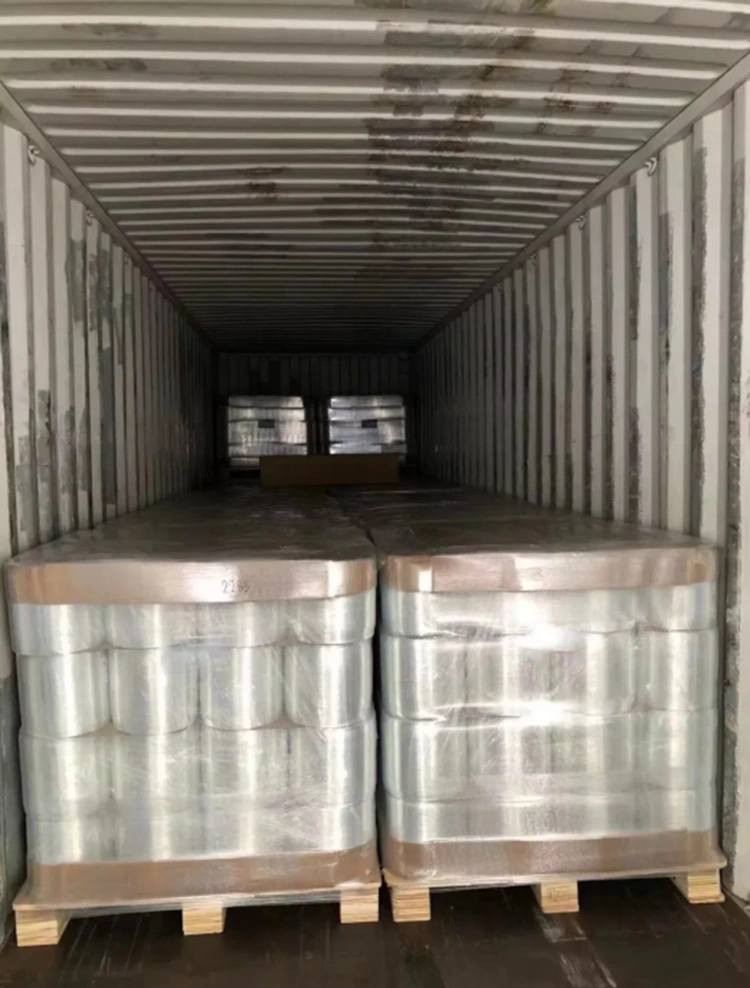
Yuruis Manufacturing and Supply Capabilities
Yuruis has focused on fiber composite materials since 2017, with its product range covering E-Glass roving, fiberglass mats, FRP grilles and carbon fiber products.
The company operates production lines together with molding, cutting, coating and testing equipment for composite materials. This provides a production and quality-control system for different types of fiber reinforcement, while product specifications can be discussed according to the customer's processing requirements.
Yuruis supplies composite materials to customers in more than 20 countries and regions across Asia, Europe, Africa and the Americas. For overseas orders, the company provides product consultation, sample testing, production coordination and logistics support.
FAQ
What is Alkali-Free Glass Fiber Spray Roving used for?
It is mainly used as glass fiber reinforcement for spray-up FRP molding. Typical applications include molded tanks, marine components, sanitary ware, automotive parts and other fiberglass-reinforced products.
Is the roving made from E-Glass?
Yes. The supplied product specification identifies E-Glass as the fiberglass type.
Which resin systems are compatible?
The current specification lists unsaturated polyester (UP) and vinyl ester (VE) resin systems as the main applications.
How does spray roving differ from fiberglass mat?
Roving is supplied as continuous yarn and is chopped during the spray-up process, while fiberglass mat is supplied as a pre-formed nonwoven reinforcement. They therefore enter the molding process in different forms and are selected according to the production method.
What is the surface treatment?
The supplied specification identifies a vinyl-coated surface treatment.
What is the main processing feature?
The supplied product information highlights good short-cut performance, together with uniform thickness and high strength, for applications requiring consistent fiber feeding and placement.
Can it be used for FRP tanks and chemical equipment?
It can be used in selected FRP tank and chemical-equipment applications. Final suitability depends on the resin system, service medium, temperature, laminate design and other project requirements.
Can samples be requested before bulk production?
Yes. Sample testing can be arranged so the material can be evaluated against the customer's existing production process and technical requirements.
What information is needed for a quotation?
Useful information includes the intended application, resin system, spray-up process, required specification, estimated order quantity, packaging requirements and delivery destination.
Send Inquiry
Contact Info
-
Address
No. 18, Fuyuan Road, Dalun Town Industrial Concentration Zone, Jiangyan District, Taizhou City, Jiangsu Province, China
-
Tel
-
Email
Send your requirements to Yuruis for carbon fiber materials, FRP grating or fiberglass materials. Include product specifications, dimensions, quantity, application or other requirements so our team can review the details and respond accordingly.
News Recommendations





