
English
- English
- Español
- Português
- русский
- Français
- 日本語
- Deutsch
- tiếng Việt
- Italiano
- Nederlands
- ภาษาไทย
- Polski
- 한국어
- Svenska
- magyar
- Malay
- বাংলা ভাষার
- Dansk
- Suomi
- हिन्दी
- Pilipino
- Türkçe
- Gaeilge
- العربية
- Indonesia
- Norsk
- تمل
- český
- ελληνικά
- український
- Javanese
- فارسی
- தமிழ்
- తెలుగు
- नेपाली
- Burmese
- български
- ລາວ
- Latine
- Қазақша
- Euskal
- Azərbaycan
- Slovenský jazyk
- Македонски
- Lietuvos
- Eesti Keel
- Română
- Slovenski
- मराठी
- Srpski језик

Factory Direct Carbon Fiber Fabric for Lightweight Strength and Durability
Yuruis Carbon Fiber Fabric includes woven reinforcement materials for composite manufacturers, CFRP fabricators and industrial applications. Taizhou Yuruis New Materials Co., Ltd. supplies twill, plain and jacquard constructions for composite production. Material selection can be based on weave structure, fabric weight, width, handling requirements and the design of the finished component.
Woven Carbon Fiber
Woven carbon fiber reinforcement is produced by interlacing carbon fiber yarns in a defined pattern. The weave influences fabric stability, drape, fiber orientation and surface appearance during lay-up. These characteristics are considered together with fiber type, material weight, resin system and the requirements of the finished part.
The dry reinforcement can be cut and positioned before being combined with a compatible resin system. It can be used in hand lay-up, vacuum-assisted and other CFRP manufacturing processes according to the selected material and production conditions.
Material Options
Different weave constructions provide different handling and surface characteristics. Yuruis offers the following options:
|
Material Type |
Typical Characteristics |
|
A diagonal weave pattern with good drape, suitable when surface appearance and handling are important. |
|
|
A regular over-and-under structure that provides a stable construction for cutting and lay-up. |
|
|
Jacquard Carbon Fiber Fabric |
A patterned woven construction for applications where the visible surface design is part of the product requirement. |
|
Can be discussed according to the required construction, dimensions and composite manufacturing process. |
Key Specifications
For composite production, material selection should consider both the manufacturing process and the finished component. Common purchasing specifications include:
|
Specification |
What to Consider |
|
Weave construction |
Influences fabric stability, drape, fiber orientation and laminate appearance. |
|
Fabric weight |
Helps determine reinforcement quantity and laminate layer requirements. |
|
Roll width |
Affects cutting layout, material utilization and production efficiency. |
|
Resin compatibility |
Should match the selected resin system and composite manufacturing process. |
|
Part geometry |
Complex shapes may require suitable drape and handling characteristics during lay-up. |
|
Order quantity |
Supports material planning for prototypes, trial production and regular manufacturing. |
Applications
Woven carbon reinforcement is used in composite manufacturing where controlled fiber placement and lightweight construction are required. Common application areas include:
Automotive and transportation components
Sports and recreational equipment
Industrial composite products
Lightweight structural components
Electronic and equipment housings
Customized CFRP parts
The appropriate material depends on the component geometry, laminate structure, production method and other engineering requirements.
Manufacturing Process
The material is generally supplied as a dry reinforcement rather than a finished composite. During production, it can be cut to size, arranged in one or more layers and combined with a selected resin system before curing and forming.
This allows manufacturers to control the reinforcement layout and resin system separately. For processes where resin content needs to be predetermined before lay-up, prepreg may be a more suitable material format.
Yuruis Supply
Taizhou Yuruis New Materials Co., Ltd. develops and supplies fiber composite materials for customers in automotive, construction, new energy and other industrial sectors. Its product range also includes E-glass roving, glass fiber mats and other reinforcement materials.
When sourcing carbon fiber cloth, customers can specify the required weave, fabric weight, width, application, quantity and manufacturing process. Yuruis can evaluate these requirements and provide a suitable material configuration for the intended composite production.
- View as
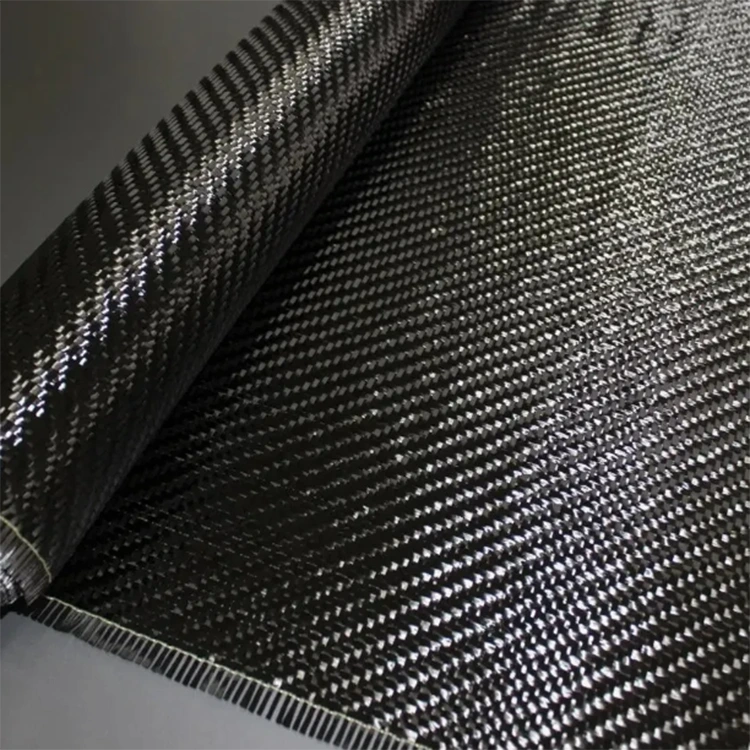
Unidirectional Carbon Fiber Fabric
A carbon fiber surface does not always have to follow the familiar plain or diagonal weave. Yuruis Unidirectional Carbon Fiber Fabric uses a more elaborate weaving method to create a distinctive surface pattern, making the fabric suitable for composite manufacturers who want the carbon fiber itself to contribute to the appearance of the finished product.
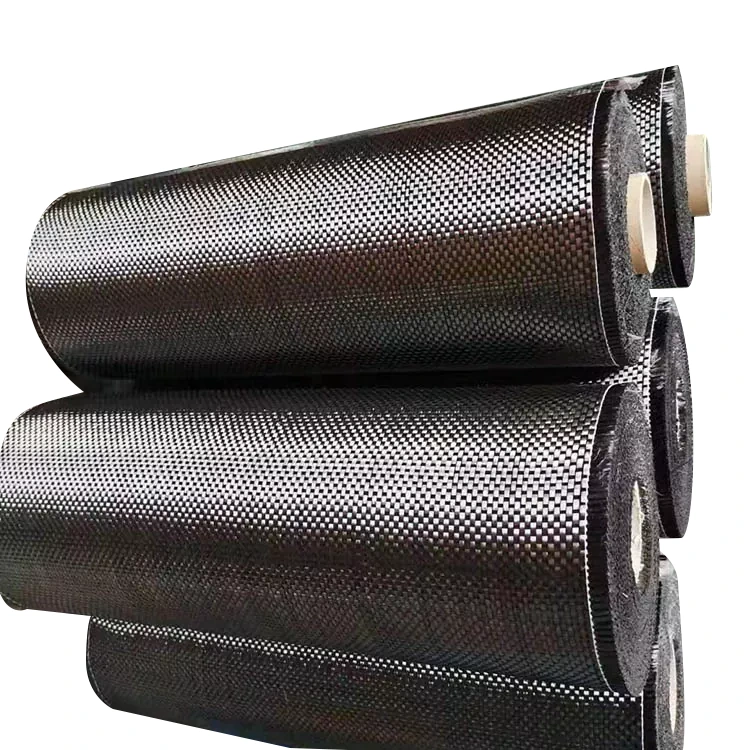
Plain Weave Carbon Fiber Fabric
Plain Weave Carbon Fiber Fabric is a PAN-based woven carbon fiber material supplied in customized weights, widths and roll lengths. Yuruis provides it for automotive, bicycle, sports, electronic and industrial composite applications, with specifications matched to the required component and manufacturing process.
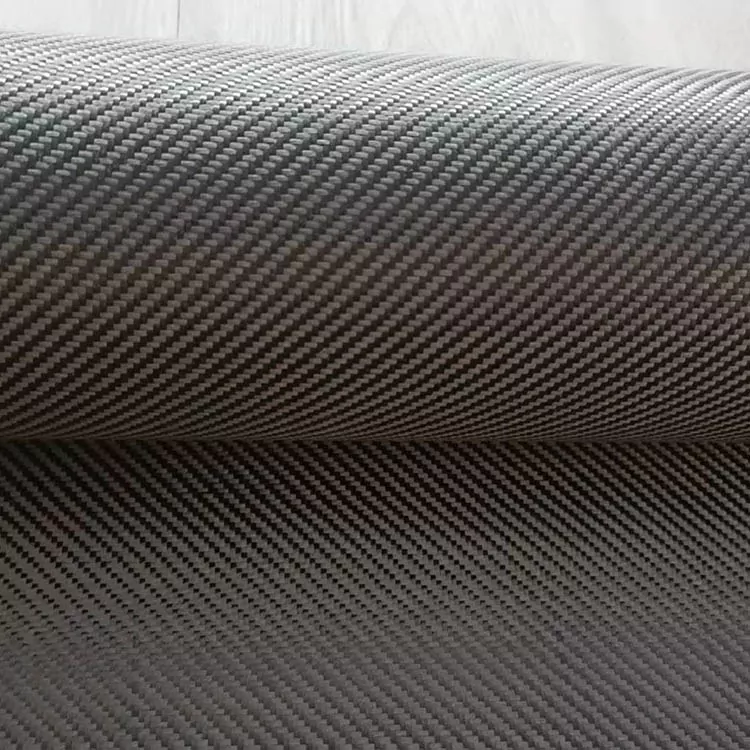
Twill Weave Carbon Fiber Fabric
Yuruis supplies Twill Weave Carbon Fiber Fabric in different fabric weights, widths and roll lengths for composite production. Material specifications can be matched to the required carbon fiber grade, laminate design and manufacturing process, with customized dimensions available for automotive, sports, bicycle and industrial applications.
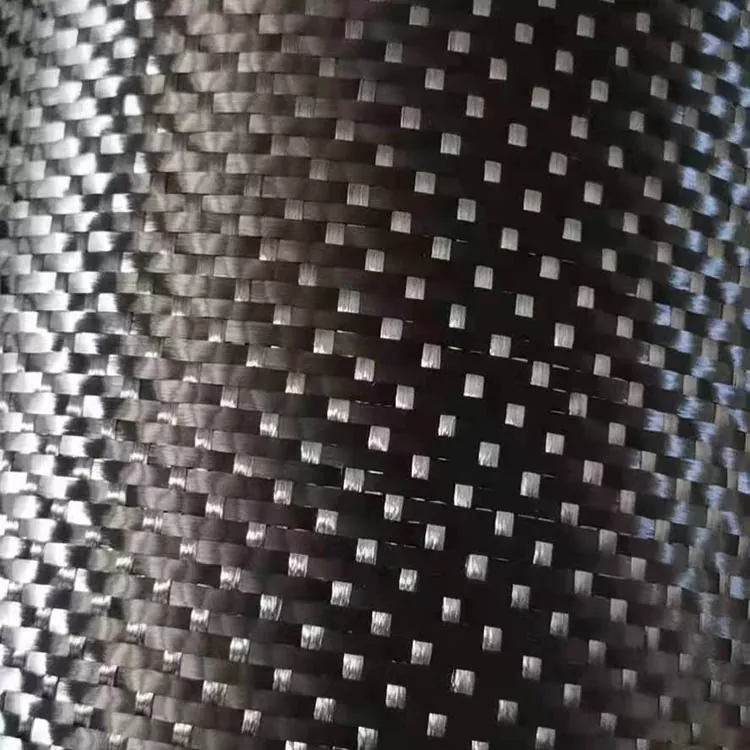
Carbon Fiber Cloth for Sports Equipment
Carbon Fiber Cloth for Sports Equipment is a PAN-based carbon fiber material supplied for molded sporting goods and composite components. Yuruis offers customized weight, thickness, dimensions and length, with glossy, matte and 50% glossy surface options. Typical applications include bicycle components, racket frames, paddles, protective equipment and other carbon fiber sports products.
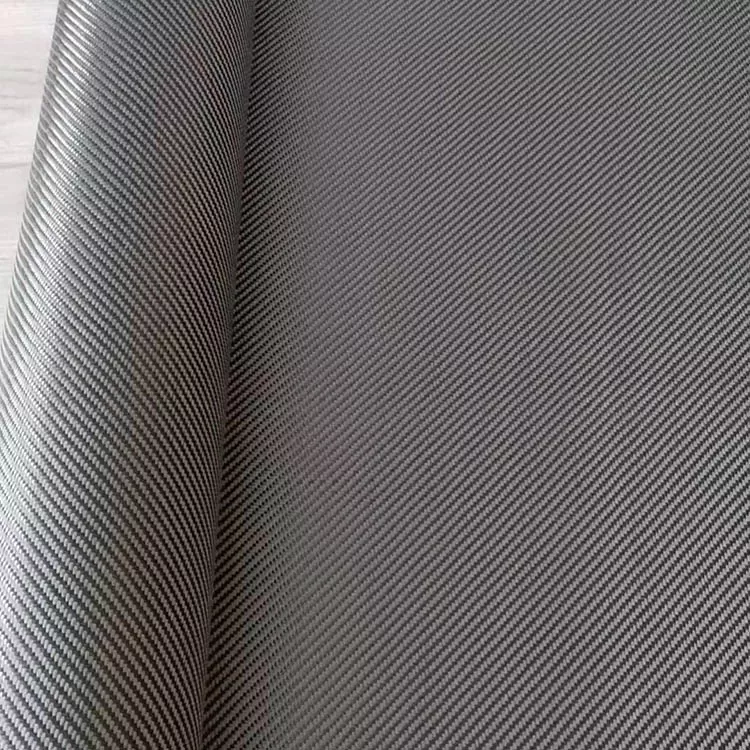
Custom Fire-Resistant Carbon Fiber Cloth
Custom Fire-Resistant Carbon Fiber Cloth by Yuruis is positioned for buyers who need a woven fiber fabric adapted to a specific fire-resistant, heat-resistant or composite construction rather than a fixed off-the-shelf roll. Yuruis can discuss width, roll configuration, surface treatment and other production requirements for different industrial applications.
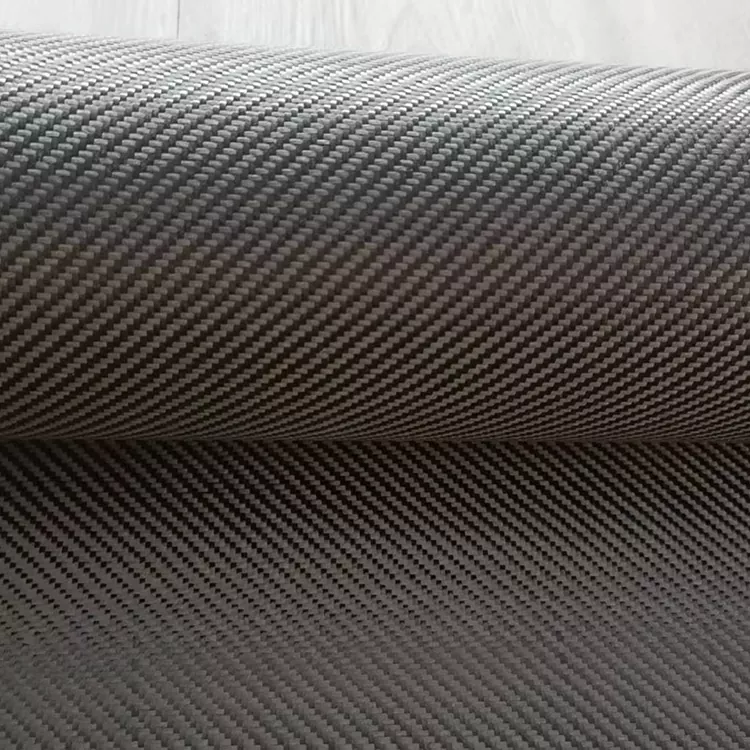
Carbon Fiber Tissue for Lightweight Composite Reinforcement
Yuruis Carbon Fiber Tissue for Lightweight Composite Reinforcement is made from 100% carbon fiber chopped strands and is designed for use in lightweight composite structures, surface reinforcement and selected CFRP molding applications. Its weight can be customized to suit different laminate designs, while the material can be supplied in widths of 1 m or 1.25 m. Yuruis has been supplying fiber composite materials since 2017 and has received positive feedback from customers in overseas markets for material consistency and service.
Yuruis is a professional Carbon Fiber Fabric manufacturer and supplier in China. Welcome to import quality products from our factory here.
News Recommendations





