
English
- English
- Español
- Português
- русский
- Français
- 日本語
- Deutsch
- tiếng Việt
- Italiano
- Nederlands
- ภาษาไทย
- Polski
- 한국어
- Svenska
- magyar
- Malay
- বাংলা ভাষার
- Dansk
- Suomi
- हिन्दी
- Pilipino
- Türkçe
- Gaeilge
- العربية
- Indonesia
- Norsk
- تمل
- český
- ελληνικά
- український
- Javanese
- فارسی
- தமிழ்
- తెలుగు
- नेपाली
- Burmese
- български
- ລາວ
- Latine
- Қазақша
- Euskal
- Azərbaycan
- Slovenský jazyk
- Македонски
- Lietuvos
- Eesti Keel
- Română
- Slovenski
- मराठी
- Srpski језик

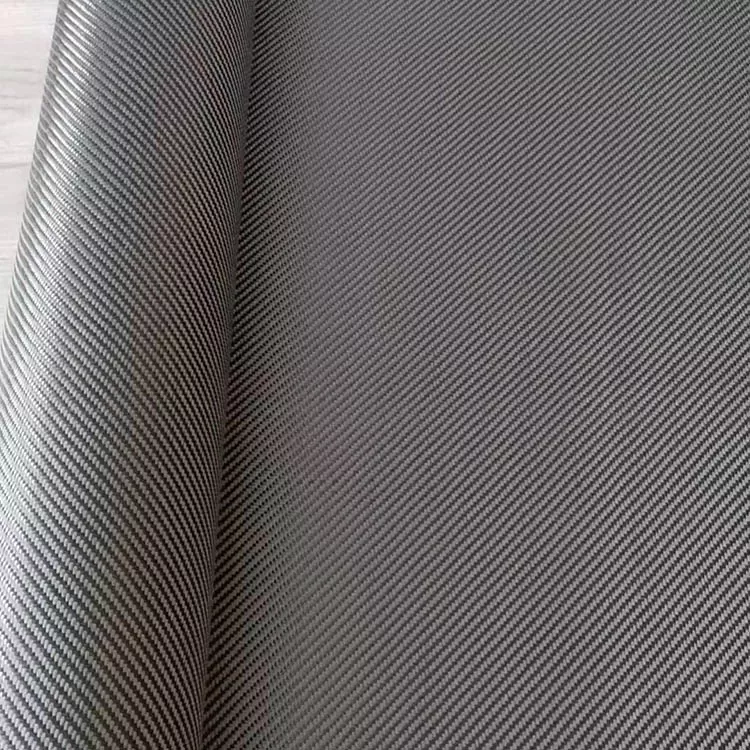
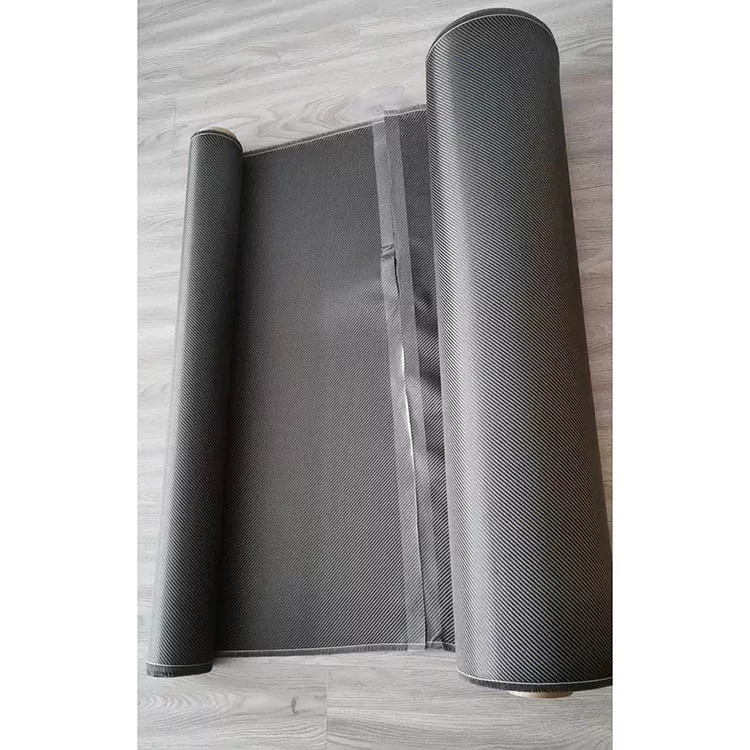
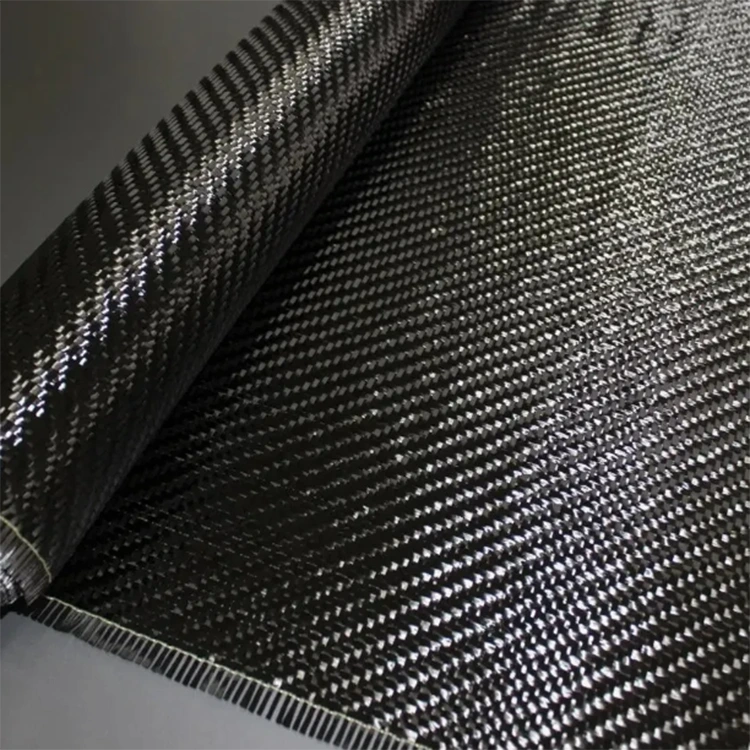
Custom Fire-Resistant Carbon Fiber Cloth
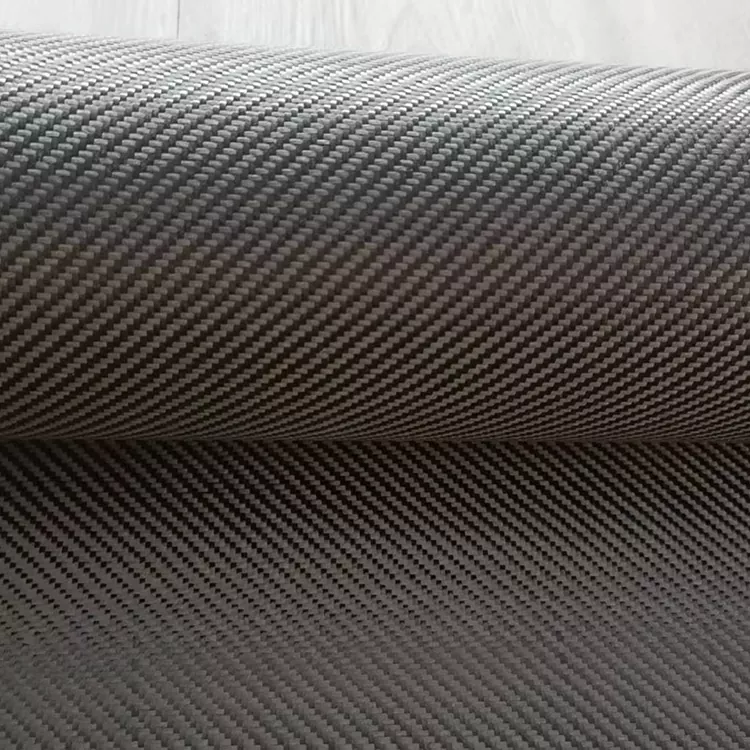
Custom Fire-Resistant Carbon Fiber Cloth by Yuruis is positioned for buyers who need a woven fiber fabric adapted to a specific fire-resistant, heat-resistant or composite construction rather than a fixed off-the-shelf roll. Yuruis can discuss width, roll configuration, surface treatment and other production requirements for different industrial applications.
Custom Fire-Resistant Carbon Fiber Cloth is used here as the product keyword for a customizable woven reinforcement supplied for fire-resistant, insulation and composite applications. The current technical specification identifies the actual fiber as alkali-free E-glass, so the fiber type should be confirmed before ordering if carbon fiber is specifically required.
The main value of customization is the ability to match the fabric to an existing production setup. Width, roll length, weave, yarn density and surface treatment can affect cutting, handling, resin impregnation and subsequent processing.
For a new project, the required fabric can be defined from the end application and the existing material specification rather than from a general fire-resistant material description.
|
Customization Point |
What Can Be Discussed |
|
Fabric Width |
Standard 1 m or project-specific width requirement |
|
Roll Length |
Standard 100 m or production requirement |
|
Weave Construction |
Plain woven configuration |
|
Fiber Type |
Alkali-free E-glass specification |
|
Warp & Weft Density |
Current specification: 36 × 30 |
|
Surface Treatment |
Impregnating agent or treatment requirements |
|
Packaging |
Roll and paper-box packaging requirements |
|
Application |
FRP, insulation, fire-resistant composite or industrial use |
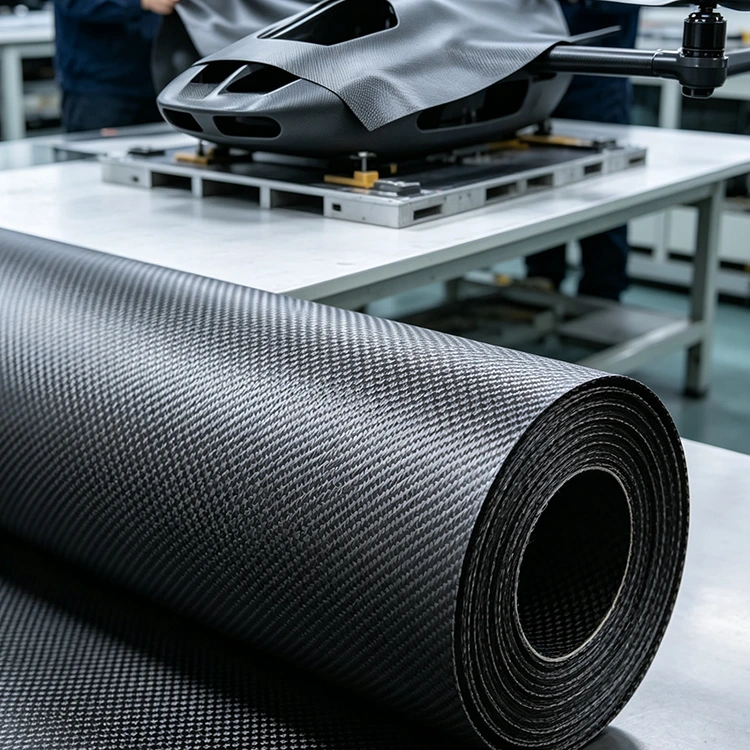
Material and Construction
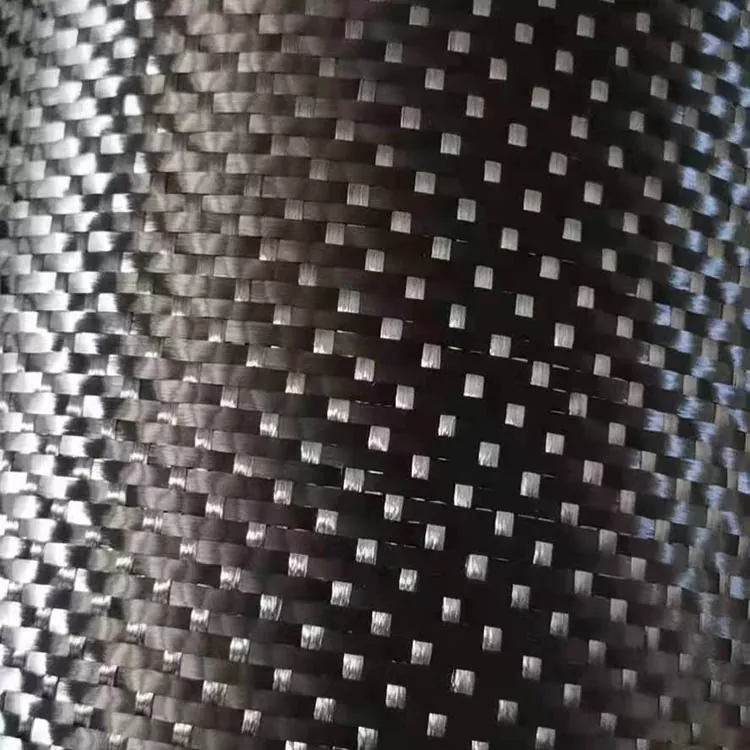
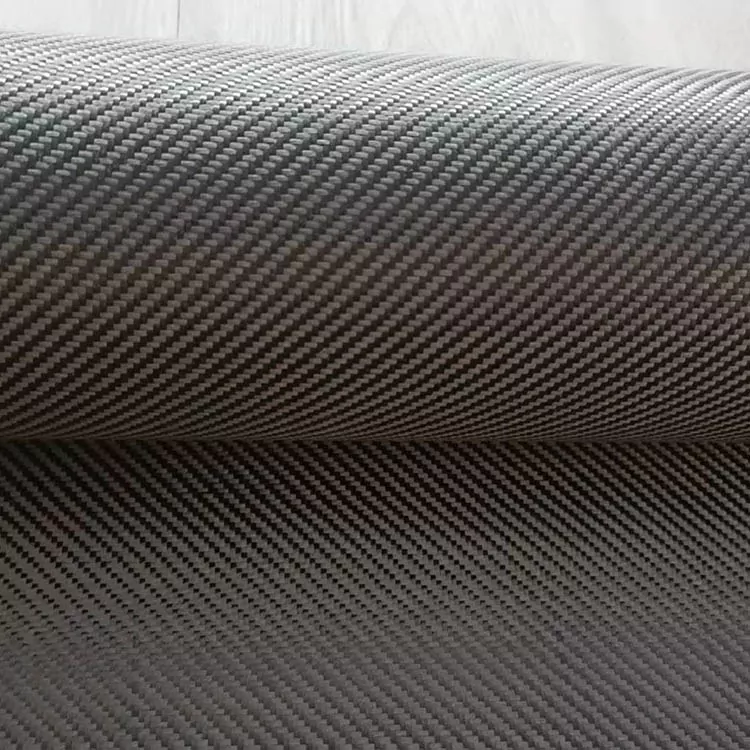
The supplied fabric uses an alkali-free E-glass fiber specification with a plain woven construction. Warp and weft yarns form a regular structure, giving the material a defined fabric geometry for cutting, handling and incorporation into composite or insulation systems.
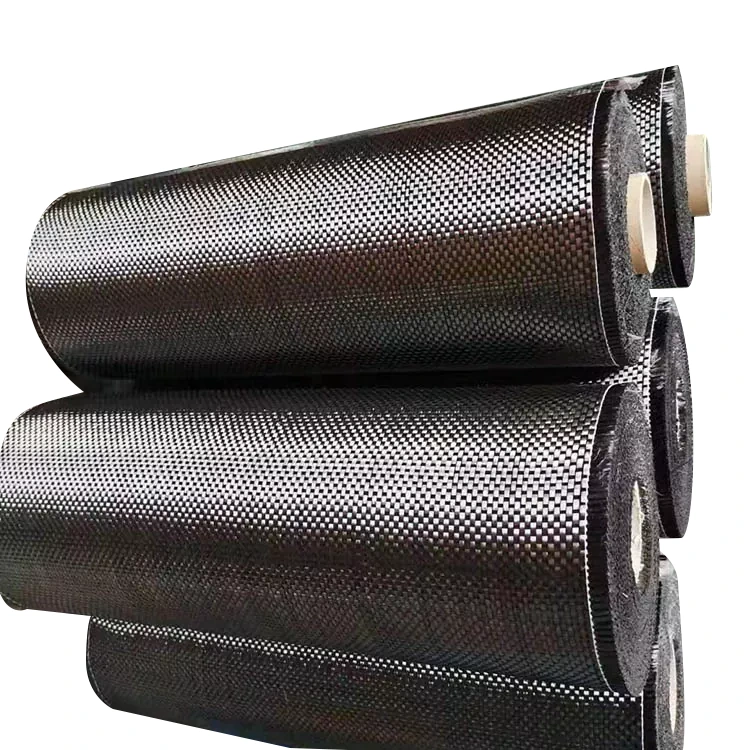
The current density is 36 × 30, with a standard width of 1 meter and a listed roll length of 100 meters. These values provide the reference configuration for the supplied material; project-specific requirements can be reviewed separately.
The fabric should be selected together with the resin, coating or insulation system in which it will be used. The fiber itself does not determine the fire classification of the finished assembly.
Applications for the Woven Reinforcement
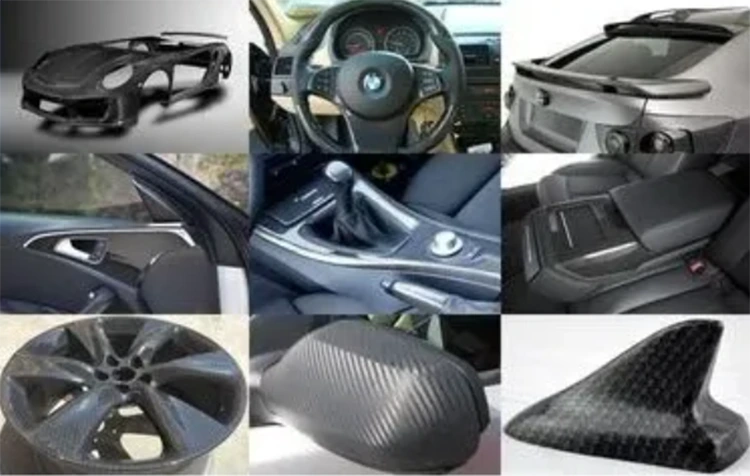
Custom Fire-Resistant Carbon Fiber Cloth can be considered for applications where a woven glass fiber layer is required within a heat-resistant, insulation or composite structure. Typical uses include fire-resistant composite panels, thermal insulation, industrial equipment insulation, pipe insulation and selected FRP components.
The required fabric construction may differ between applications. Insulation products may place greater emphasis on width and roll length, while composite manufacturers may need to match the weave, density and surface treatment to their resin system.
For electrical insulation or other heat-related applications, the suitability of the complete system should be evaluated rather than relying on the fabric description alone.
Plain Weave for Consistent Fabric Handling
The current material uses a plain woven structure rather than a non-woven mat. The regular crossing of warp and weft yarns gives the fabric a stable, defined construction during cutting and lay-up.
For a production line using an established fabric, matching the weave and yarn density can help maintain the existing handling and impregnation process. The appropriate construction should therefore be compared with the material already in use where this is a replacement project.
Current Production Specification
|
Property |
Specification |
|
Product Keyword |
Custom Fire-Resistant Carbon Fiber Cloth |
|
Actual Fiber Specification Provided |
E-Glass |
|
Alkali Content |
Alkali Free |
|
Weave Type |
Plain Woven |
|
Warp Density |
36 |
|
Weft Density |
30 |
|
Standard Width |
1 meter |
|
Roll Length |
100 meters |
|
Reel Weight |
40 kg |
|
Moisture Content |
0.1 |
|
Surface Treatment |
Impregnating Agent |
|
Packaging |
Paper Box |
|
Brand |
Yuruis |
|
Origin |
Taizhou, Jiangsu Province, China |
|
HS Code |
7019400000 |
|
Production Capacity |
3,000 tons/year |
Defining a Custom Fabric
A custom order can start from the dimensions of the existing production line. Width and roll length are particularly relevant when the fabric is used for insulation wrapping or continuous processing.
For composite applications, weave, yarn density and surface treatment may need to match the resin and impregnation method already being used.
For a fire-resistant assembly, the end-use environment and the other materials in contact with the fabric should also be identified. This helps determine whether the current E-glass configuration is appropriate for evaluation.
A useful inquiry can include:
Required width + roll length + fiber type + weave + density + treatment + end application
Providing these details allows the current configuration to be compared with the requested material rather than treating customization as a change to dimensions alone.

Sample Evaluation and Repeat Orders
For a customized woven fabric, confirming the material before regular supply can reduce differences between the requested and existing construction. A sample can be evaluated for dimensions, weave, handling, surface treatment and compatibility with the customer's process.
Yuruis has been working with fiber composite materials since 2017 and supplies glass fiber and carbon fiber-related products to customers in more than 20 countries and regions.
Once the material construction and dimensions have been confirmed, the approved specification can be retained as the reference for subsequent orders.
FAQ
What does Custom Fire-Resistant Carbon Fiber Cloth refer to?
The supplied product information uses this phrase as the product keyword. However, the current technical specification identifies the actual fiber as alkali-free E-glass. If carbon fiber is required, the fiber type should be confirmed before an order is placed.
Can the fabric be customized?
Yes. Width, roll length, weave, density and surface treatment can be discussed according to the intended application and production requirements.
Is the current material carbon fiber or E-glass?
The current technical specification identifies the material as E-glass with an alkali-free specification. The product keyword should not be taken as confirmation that the supplied fabric is carbon fiber.
Can the fabric be used in fire-resistant applications?
It can be considered as a woven glass fiber reinforcement in suitable heat-resistant or fire-resistant constructions. The final fire performance depends on the complete assembly, including the resin, coating, insulation and construction method.
What is the standard fabric width?
The current specification lists a standard width of 1 meter. Project-specific width requirements can be discussed.
What is the standard roll length?
The listed roll length is 100 meters, with a reel weight of 40 kg.
What surface treatment is currently specified?
The current specification lists an impregnating agent. If a different treatment or coating compatibility is required, it should be included in the material inquiry.
Can Yuruis provide samples?
Sample evaluation can be discussed before bulk production, particularly when the fabric needs to be checked against an existing resin, coating, insulation or handling process.
Send Inquiry
Contact Info
-
Address
No. 18, Fuyuan Road, Dalun Town Industrial Concentration Zone, Jiangyan District, Taizhou City, Jiangsu Province, China
-
Tel
-
Email
Send your requirements to Yuruis for carbon fiber materials, FRP grating or fiberglass materials. Include product specifications, dimensions, quantity, application or other requirements so our team can review the details and respond accordingly.
News Recommendations





