English
- English
- Español
- Português
- русский
- Français
- 日本語
- Deutsch
- tiếng Việt
- Italiano
- Nederlands
- ภาษาไทย
- Polski
- 한국어
- Svenska
- magyar
- Malay
- বাংলা ভাষার
- Dansk
- Suomi
- हिन्दी
- Pilipino
- Türkçe
- Gaeilge
- العربية
- Indonesia
- Norsk
- تمل
- český
- ελληνικά
- український
- Javanese
- فارسی
- தமிழ்
- తెలుగు
- नेपाली
- Burmese
- български
- ລາວ
- Latine
- Қазақша
- Euskal
- Azərbaycan
- Slovenský jazyk
- Македонски
- Lietuvos
- Eesti Keel
- Română
- Slovenski
- मराठी
- Srpski језик
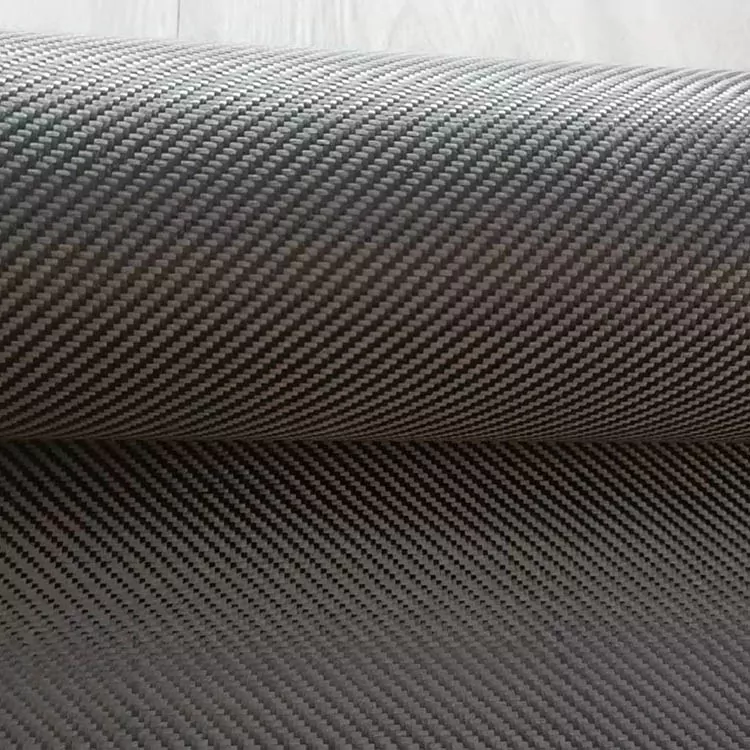
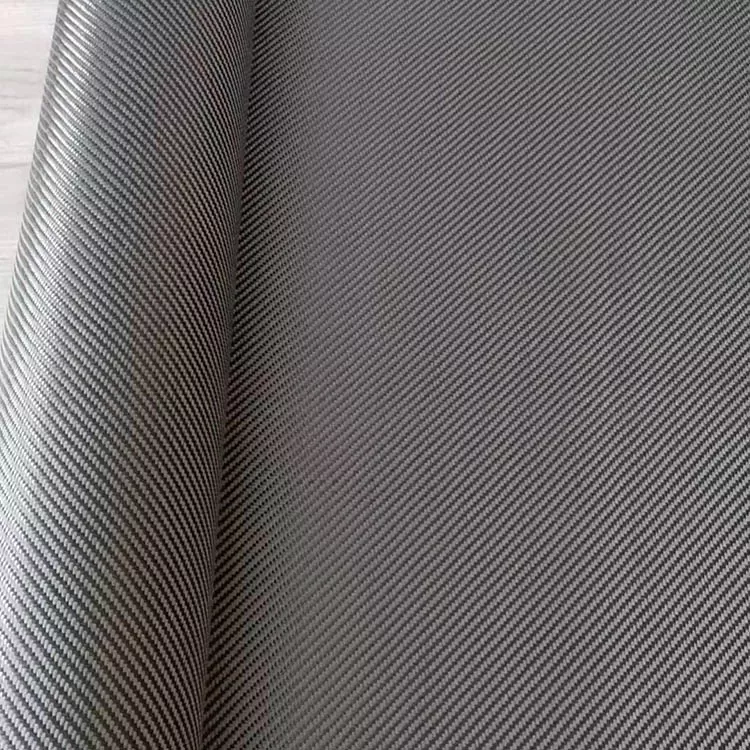
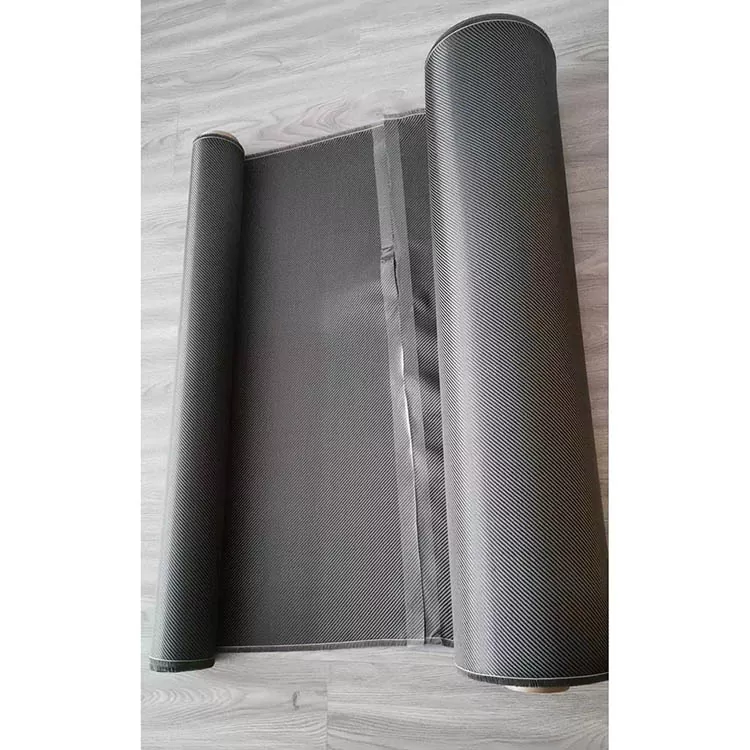
Twill Weave Carbon Fiber Fabric
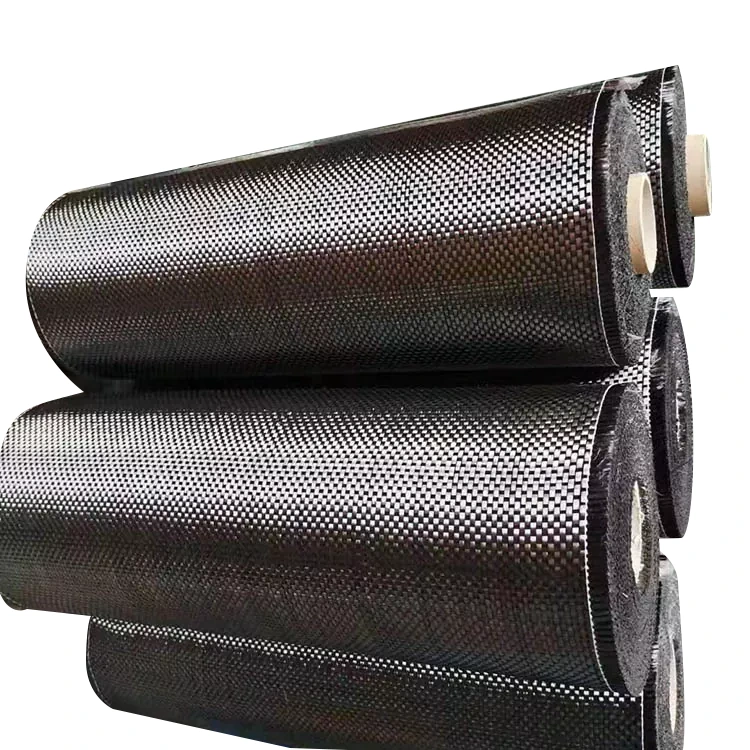
Yuruis supplies Twill Weave Carbon Fiber Fabric in different fabric weights, widths and roll lengths for composite production. Material specifications can be matched to the required carbon fiber grade, laminate design and manufacturing process, with customized dimensions available for automotive, sports, bicycle and industrial applications.
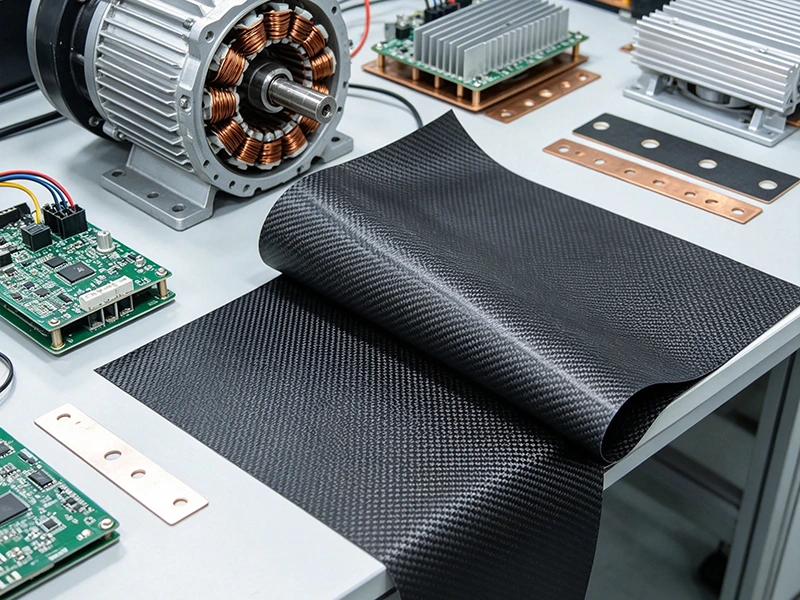
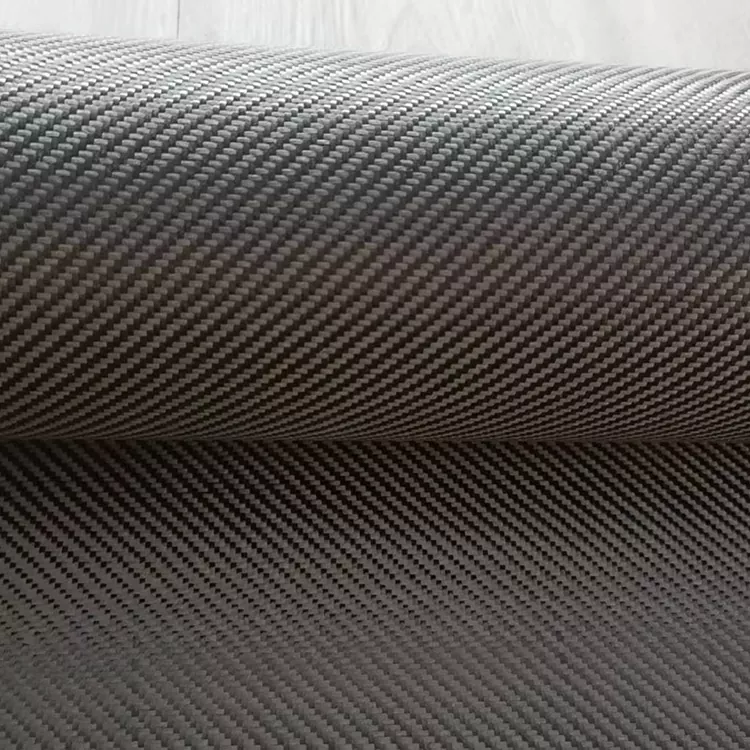
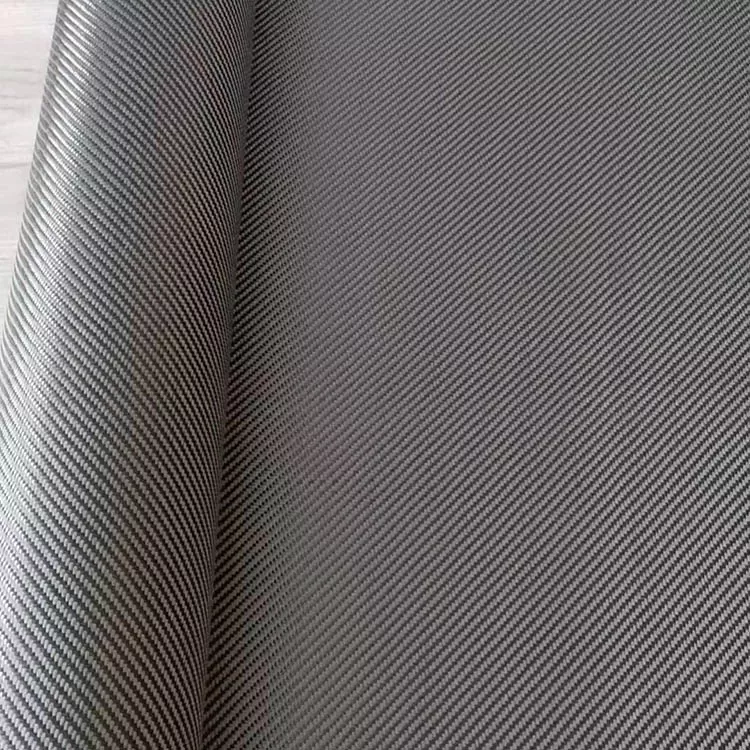
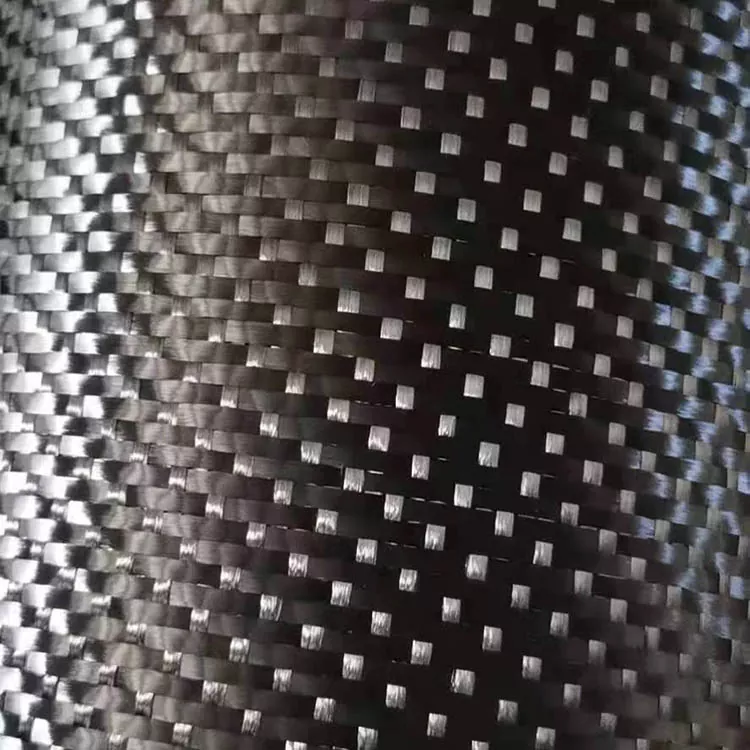
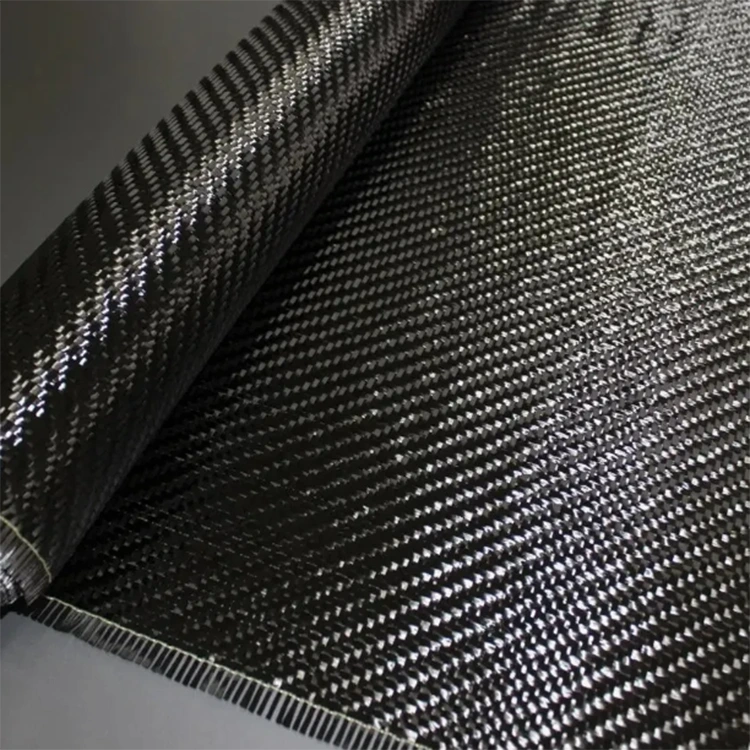
Twill Weave Carbon Fiber Fabric is a woven reinforcement in which the warp and weft yarns interlace to form a diagonal surface pattern. Compared with plain weave, the interlacing structure allows more movement between the yarns, which can help the fabric follow moderate curves during lay-up. The same diagonal pattern is also commonly retained on molded parts where the carbon fiber surface is left visible.
The weave is only one part of the material specification. Carbon fiber grade, areal weight, resin system and laminate construction determine how the fabric contributes to the finished composite, while mold geometry and the forming process affect how it can be handled during production.
What the Twill Structure Changes
In a twill construction, the interlacing points move progressively across the fabric rather than forming the repeated one-over, one-under pattern of plain weave. This gives the yarns more freedom to shift relative to each other when the fabric is placed over a curved surface.
The difference becomes more noticeable on parts with changing contours. A fabric that can accommodate some in-plane movement may be easier to position around a moderate curve than a more tightly interlaced construction. However, this does not mean every twill fabric will drape in the same way. Yarn size, fabric weight, weave tightness and surface geometry all affect the result.
For tight radii or deep three-dimensional shapes, a forming trial is useful because local wrinkling or yarn distortion can only be assessed accurately against the actual geometry.
Diagonal Weave for Visible Surfaces
The diagonal pattern is one of the most recognizable features of twill carbon fiber fabric. When the cured laminate is finished with a clear coating, the weave can remain visible across the surface of the component.
Pattern direction needs to be controlled during cutting and lay-up. If two fabric sections meet with different orientations, the diagonal lines will not continue evenly across the joint. On visible panels, the cutting layout and ply placement therefore need to be considered before molding.
The final appearance is also affected by resin distribution, consolidation and surface finishing. The pattern seen in the dry fabric may change in definition after the laminate has been molded and coated.
Using Twill on Curved Components
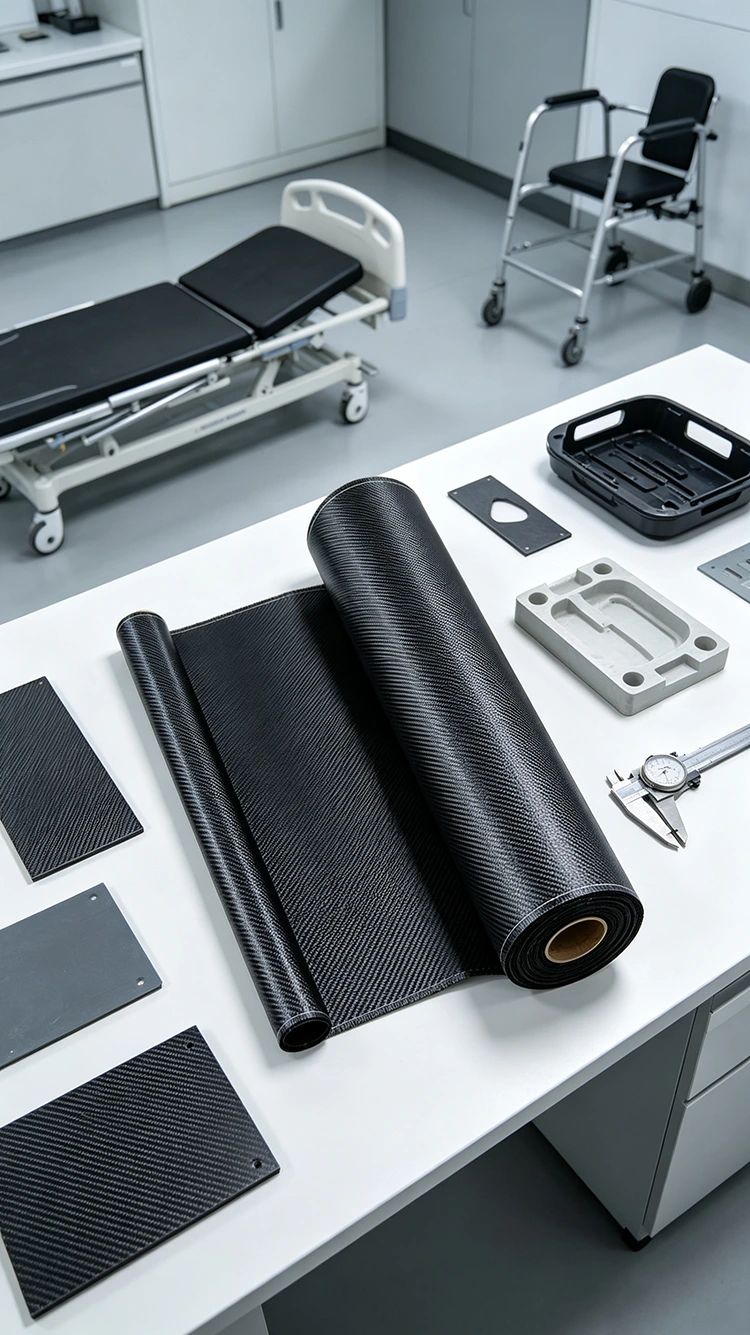
Twill fabric is commonly used on components that are not completely flat, including trim pieces, housings, bicycle parts, motorcycle components and sports equipment.
The fabric can be cut as a larger piece when the surface is relatively open, or divided into smaller sections where the geometry changes more sharply. Larger pieces reduce the number of joints but may require more adjustment during lay-up. Smaller pieces can follow local contours more easily, but the joints need to be positioned carefully.
For a visible carbon surface, the cutting pattern should also account for the direction of the diagonal weave. Maintaining the same orientation between adjacent pieces can be important when a continuous visual pattern is required.
Specification
|
Property |
Specification / Option |
|
Product |
Twill Weave Carbon Fiber Fabric |
|
Material |
Carbon Fiber |
|
Weave |
Twill Weave |
|
Raw Material |
PAN-Based Carbon Fiber |
|
Form |
Woven Fabric |
|
Color |
Black |
|
Weight |
Customized according to requirement |
|
Width |
Customer requirement |
|
Length |
Customer requirement |
|
Thickness |
According to fabric construction |
|
Surface |
Suitable for visible composite applications |
|
Application |
Automotive, sports equipment, bicycle, industrial composites |
|
Brand |
Yuruis |
|
Origin |
Taizhou, Jiangsu Province, China |
Material Specification for Production
The required fabric weight is normally considered together with the target laminate thickness and the molding method. A lower areal weight allows more individual plies to be used, while a heavier fabric can reduce the number of layers needed for a given laminate thickness.
Carbon fiber grade should also be specified separately from the weave. The same twill construction can be produced with different fiber grades, and the resulting composite properties will not be identical.
Resin compatibility is another production consideration. Wet lay-up, vacuum infusion, compression molding and prepreg processing have different requirements for resin flow, consolidation and handling. The fabric should therefore be matched to the actual process rather than specified only by its appearance.
Information to Provide for a Material Inquiry
A production inquiry is easier to evaluate when the basic material requirements are stated clearly. Relevant information includes:
· Twill weave construction
· Carbon fiber grade
· Fabric weight / GSM
· Required width and roll length
· Target thickness or laminate thickness
· Resin system
· Molding process
· Component geometry
· Visible surface requirements
If the material is replacing an existing fabric, an available specification sheet or sample can also be used as a reference. This is particularly useful when the new material needs to fit an established cutting, lay-up or molding process.

Applications
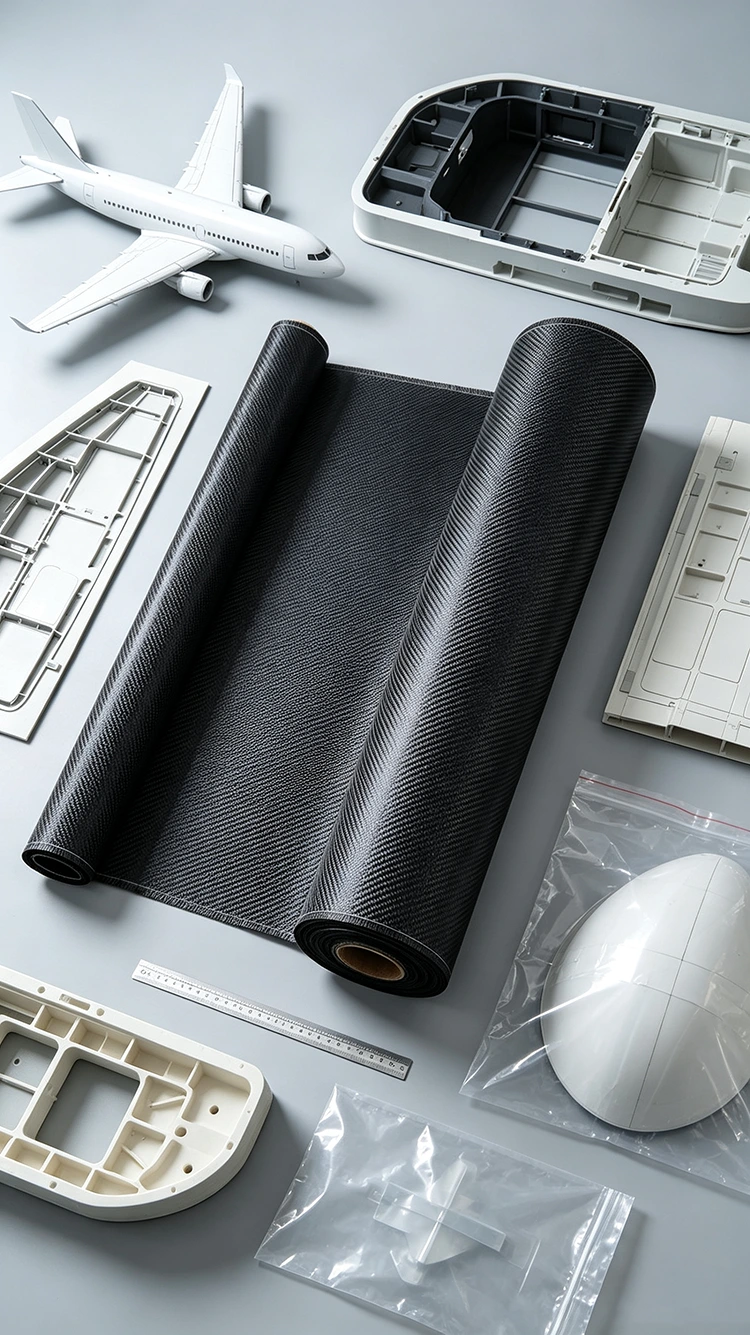
Twill Weave Carbon Fiber Fabric is used in molded composite parts where the fabric needs to accommodate shaped surfaces or provide a defined woven appearance.
Automotive applications include interior trim, panels, covers and other carbon fiber components. Bicycle and motorcycle parts can use woven reinforcement on curved sections where the fabric needs to follow the mold surface.
Sports equipment such as paddles, rackets and other molded structures can also incorporate the material as part of the laminate. Industrial equipment and housings may use woven carbon fiber where the required mechanical and dimensional properties can be achieved with the selected laminate.
For electronic housings or components located close to electrical assemblies, carbon fiber's electrical conductivity should be considered when determining insulation and grounding requirements.
FAQ
What is Twill Weave Carbon Fiber Fabric?
It is woven carbon fiber reinforcement made with a twill interlacing structure. The yarn arrangement produces a diagonal surface pattern, while the actual material specification depends on the carbon fiber grade, fabric weight and construction.
How is twill different from plain weave?
Twill and plain weave use different yarn interlacing sequences. Twill has a diagonal pattern and generally allows more yarn movement, while plain weave has a more tightly repeated over-under structure. Their suitability depends on the component geometry and manufacturing process.
What does 2×2 twill mean?
2×2 describes a specific twill construction in which the yarns pass over two and under two in a repeating sequence. If a project requires this construction, the weave should be confirmed in the material specification.
Can twill fabric be used on curved molds?
Yes. It can accommodate moderate curves and changing contours, but the actual drape depends on fabric weight, yarn construction and mold geometry. A forming trial is useful for complex or tight-radius parts.
Can it be used for visible carbon fiber parts?
Yes. The diagonal weave can remain visible after molding and surface finishing. Consistent fabric orientation during cutting and lay-up is important when a uniform pattern is required.
Can the fabric weight and dimensions be customized?
Yes. Fabric weight, width, length and related specifications can be defined according to the component and manufacturing process.
What information is needed for a quotation?
Useful information includes weave construction, carbon fiber grade, GSM, width, roll length, quantity, application and molding process. For visible parts, the required surface finish and pattern direction should also be specified.
Can a sample be evaluated before production?
Sample evaluation can be considered when the fabric needs to be checked for drape, resin compatibility, surface appearance or processing behavior with a specific production method.
Does twill weave mean higher strength?
No. Weave construction alone does not establish the strength or stiffness of the finished composite. These properties depend on the carbon fiber grade, fabric weight, resin system, fiber orientation, fiber volume, laminate thickness and processing conditions.
Send Inquiry
Contact Info
-
Address
No. 18, Fuyuan Road, Dalun Town Industrial Concentration Zone, Jiangyan District, Taizhou City, Jiangsu Province, China
-
Tel
-
Email
Send your requirements to Yuruis for carbon fiber materials, FRP grating or fiberglass materials. Include product specifications, dimensions, quantity, application or other requirements so our team can review the details and respond accordingly.
News Recommendations