News

Weaving of Unidirectional Carbon Fiber Fabric

2026-11-03 0 Leave me a message

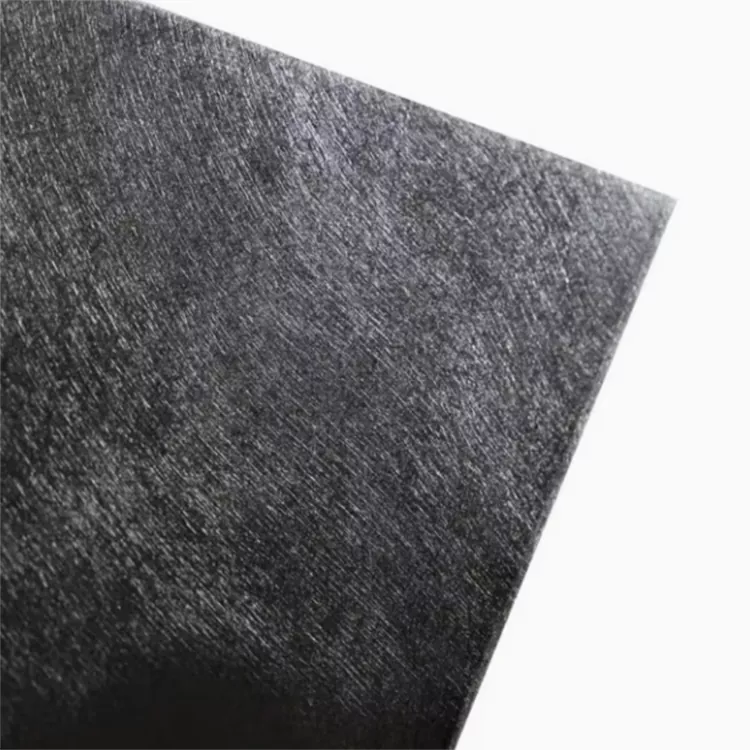
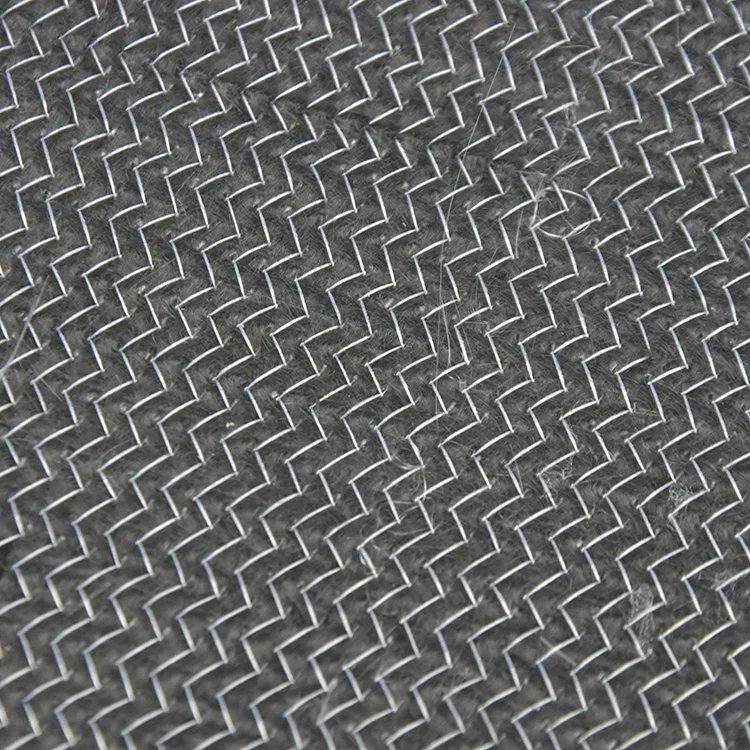
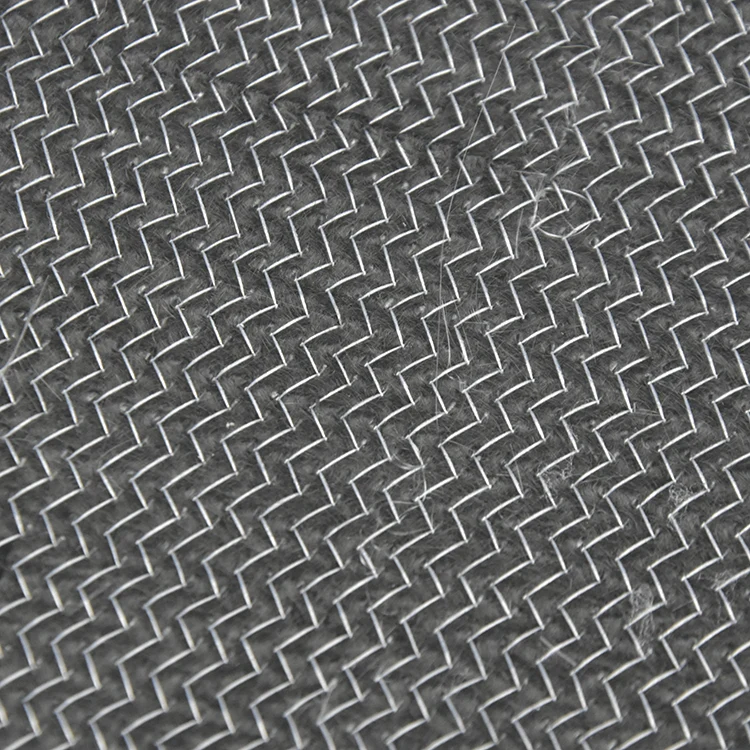
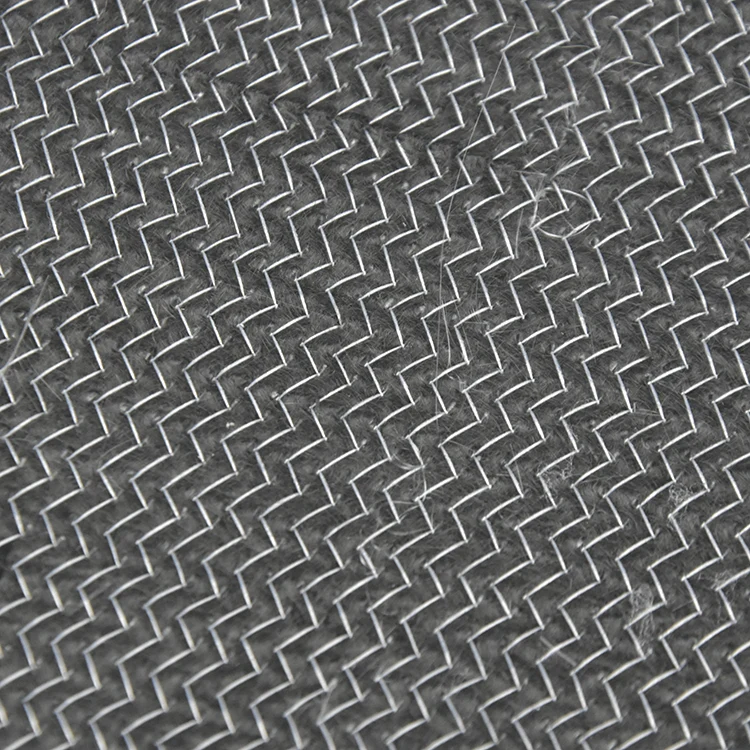
Unidirectional carbon fiber fabric is a reinforcement material widely used in structural strengthening and rehabilitation. Typically manufactured using 12K carbon fiber filaments, it features a fiber arrangement designed to provide high tensile strength along the primary fiber direction. Its lightweight construction, flexibility, and mechanical performance make it suitable for reinforcing concrete, masonry, and timber structures.

Carbon Fiber Fabric Specifications

Yurui offers unidirectional carbon fiber fabric in different grades and specifications to meet various structural reinforcement requirements. The main product specifications include:

  • Fiber Type: 12K carbon fiber
  • Weight: 200 g/m² and 300 g/m²
  • Thickness: 0.111 mm for 200 g/m² fabric and 0.167 mm for 300 g/m² fabric
  • Standard Widths: 100 mm, 150 mm, 200 mm, 300 mm, and 500 mm
  • Custom Widths: Available upon request
  • Performance Grades: Grade I and Grade II
  • Product Models: CFS-I/II-200 and CFS-I/II-300

The available specifications allow engineers and contractors to select suitable reinforcement materials according to structural conditions, design requirements, and construction methods.

Weaving Process and Material Characteristics

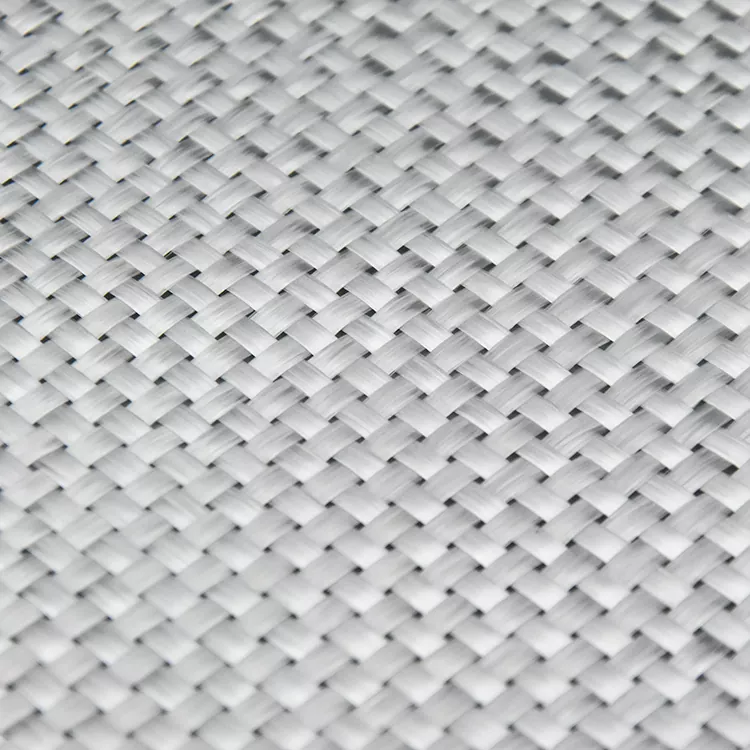
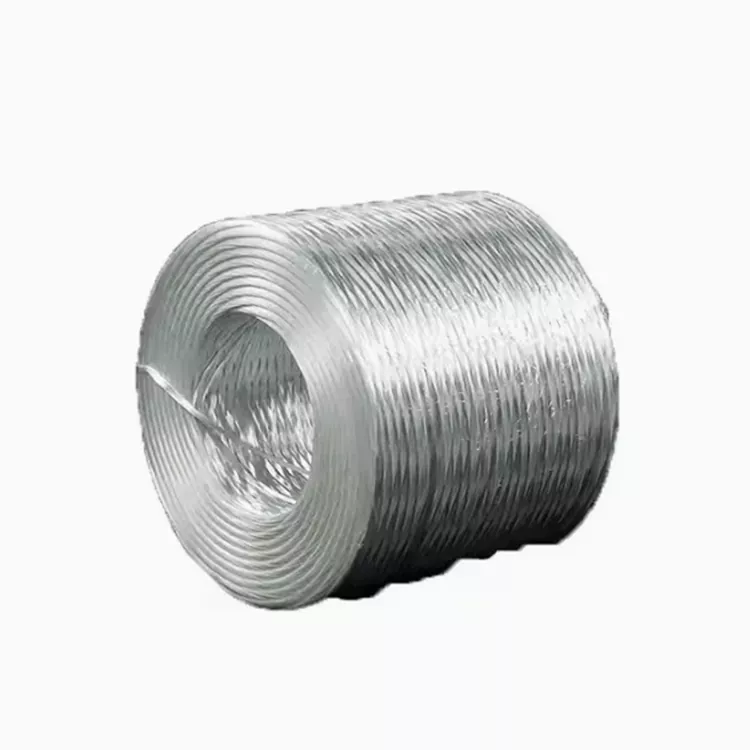
The weaving of unidirectional carbon fiber fabric involves arranging carbon fiber tows in a consistent direction to form a thin and flexible reinforcement layer. The use of 12K carbon fiber tows helps establish the fabric's primary load-bearing direction, while the fabric structure maintains flexibility for application on different structural surfaces.

During structural reinforcement, the fabric is typically bonded to the prepared substrate using a compatible resin system. This creates a composite reinforcement layer that works with the existing structure to improve its load-bearing performance. Its flexibility also allows the material to conform to curved surfaces, corners, and structural joints where conventional reinforcement methods may be difficult to apply.

Key Performance Benefits

Unidirectional carbon fiber fabric provides several reinforcement benefits when properly selected, designed, and installed:

  • Flexural Reinforcement: Helps improve the flexural capacity of beams, slabs, and other structural members.
  • Shear Reinforcement: Supports the improvement of shear resistance in concrete structures.
  • Compressive Performance: Can contribute to the strengthening of structural members when used in an appropriate reinforcement configuration.
  • Fatigue Resistance: Supports structural performance under repeated loading conditions.
  • Seismic Strengthening: Helps improve the structural response of reinforced members under earthquake loading.
  • Wind Load Resistance: Can be incorporated into reinforcement designs for structures exposed to wind loads.
  • Chemical Resistance: Carbon fiber reinforcement systems offer resistance to various chemical environments, including acids, alkalis, and salts, depending on the resin system and installation conditions.

Applications in Structural Strengthening

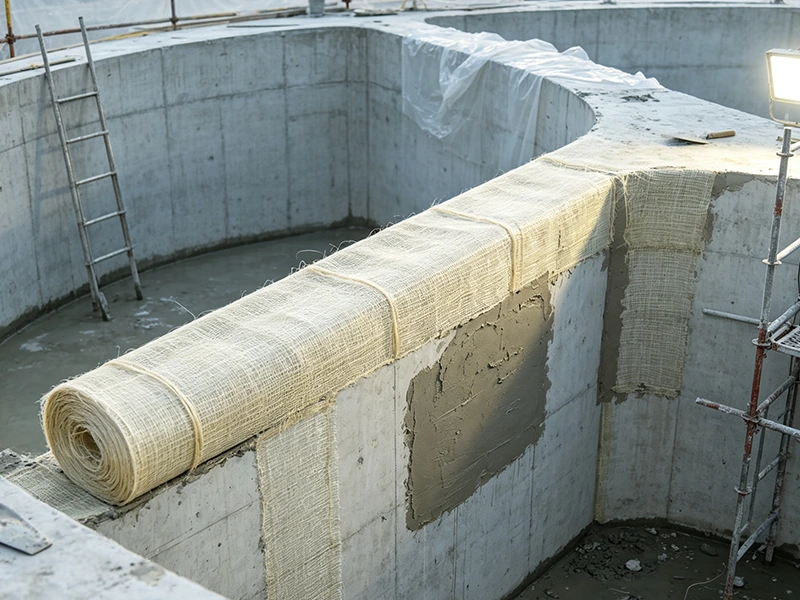
Unidirectional carbon fiber fabric is suitable for strengthening and seismic retrofitting of concrete, masonry, and timber structures. Its applications include:

  • Reinforcement of concrete beams and slabs
  • Strengthening of columns and structural frames
  • Rehabilitation of roof trusses and timber structures
  • Bridge strengthening and structural repair
  • Tunnel reinforcement and rehabilitation
  • Seismic retrofitting of existing buildings
  • Reinforcement of curved surfaces, corners, and complex structural joints

For structures with irregular geometries or limited working space, the fabric's flexibility allows it to be applied closely to the substrate. This makes it a practical reinforcement option for structural repair projects involving complex shapes and localized strengthening requirements.

Yurui: Carbon Fiber Reinforcement Solutions

Yurui provides carbon fiber reinforcement materials for structural strengthening and rehabilitation applications. With different fabric weights, thicknesses, grades, and width options, the product range supports a variety of engineering requirements in building, bridge, tunnel, and infrastructure reinforcement projects.

For detailed product specifications, available models, or customized width requirements, please visit Yurui or contact the company for further technical information.

Related News
Leave me a message
X
We use cookies to offer you a better browsing experience, analyze site traffic and personalize content. By using this site, you agree to our use of cookies. Privacy Policy
RejectAccept