English
- English
- Español
- Português
- русский
- Français
- 日本語
- Deutsch
- tiếng Việt
- Italiano
- Nederlands
- ภาษาไทย
- Polski
- 한국어
- Svenska
- magyar
- Malay
- বাংলা ভাষার
- Dansk
- Suomi
- हिन्दी
- Pilipino
- Türkçe
- Gaeilge
- العربية
- Indonesia
- Norsk
- تمل
- český
- ελληνικά
- український
- Javanese
- فارسی
- தமிழ்
- తెలుగు
- नेपाली
- Burmese
- български
- ລາວ
- Latine
- Қазақша
- Euskal
- Azərbaycan
- Slovenský jazyk
- Македонски
- Lietuvos
- Eesti Keel
- Română
- Slovenski
- मराठी
- Srpski језик

How Can High-Strength Fiberglass Chopped Strand Mat Improve FRP Reinforcement and Manufacturing Performance
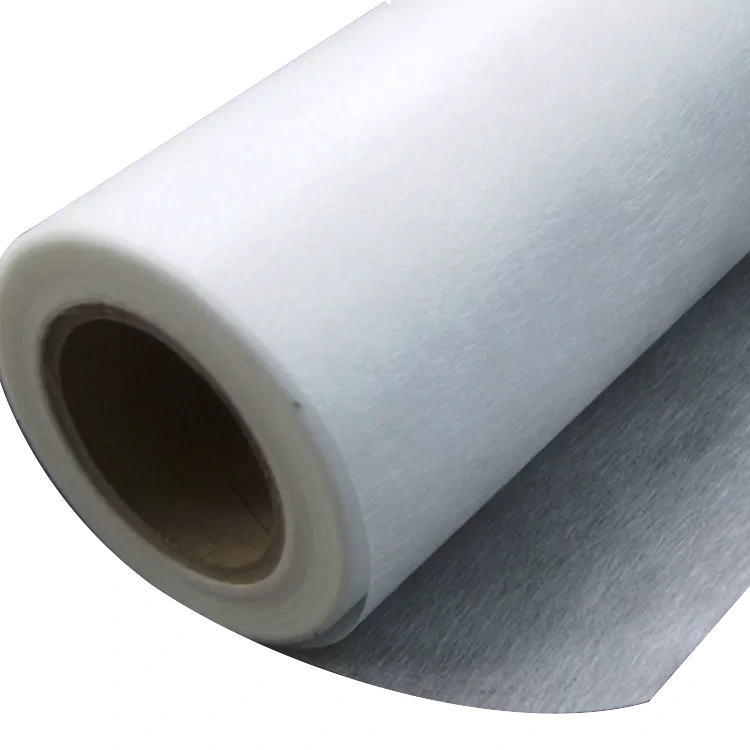
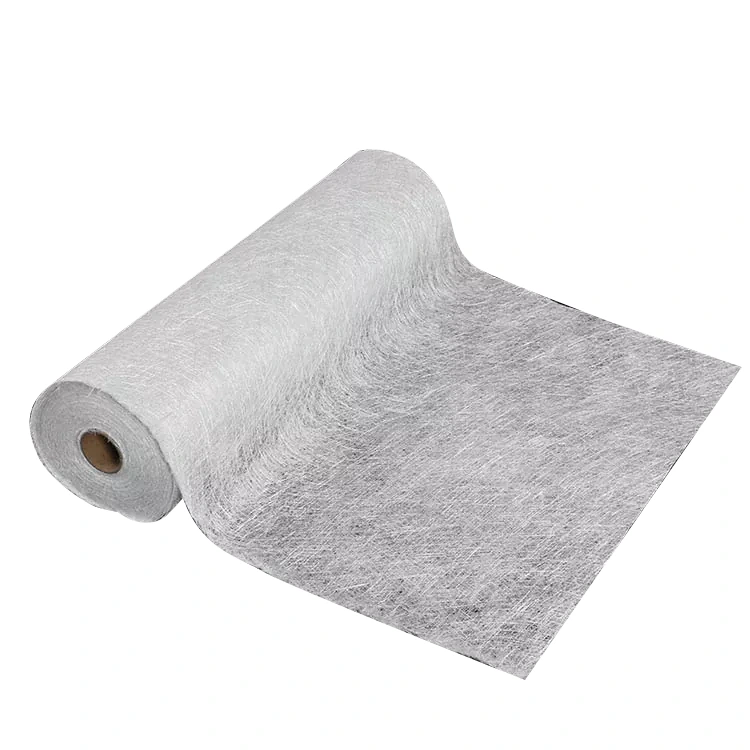
In modern composite manufacturing, selecting the right reinforcement material is essential for achieving consistent product quality, structural reliability, and production efficiency. Yuruis provides High-Strength Fiberglass Chopped Strand Mat, an E-glass reinforcement material designed for FRP manufacturing applications. Featuring randomly distributed chopped fiberglass strands, a uniform mat structure, and compatibility with several common resin systems, it helps manufacturers produce reinforced composite components with flexible molding characteristics and reliable material distribution.
High-Strength Fiberglass Chopped Strand Mat is widely used in fiber-reinforced plastic (FRP) manufacturing because of its non-directional fiber arrangement, adaptable structure, and resin compatibility. This article explains its composition, reinforcement characteristics, available weight grades, technical specifications, manufacturing applications, and purchasing considerations. It also examines how Yuruis supports industrial buyers through customized specifications, quality management, and international supply capabilities.
Table of Contents
- What Is High-Strength Fiberglass Chopped Strand Mat?
- Key Features and Reinforcement Advantages
- Technical Specifications and Available Grades
- Resin Compatibility and Manufacturing Processes
- Industrial Applications of Fiberglass Chopped Strand Mat
- How to Select the Right Fiberglass Chopped Strand Mat
- Manufacturing Quality and Quality Control
- Packaging, Customization, and Supply
- Frequently Asked Questions
- Conclusion
1. What Is High-Strength Fiberglass Chopped Strand Mat?
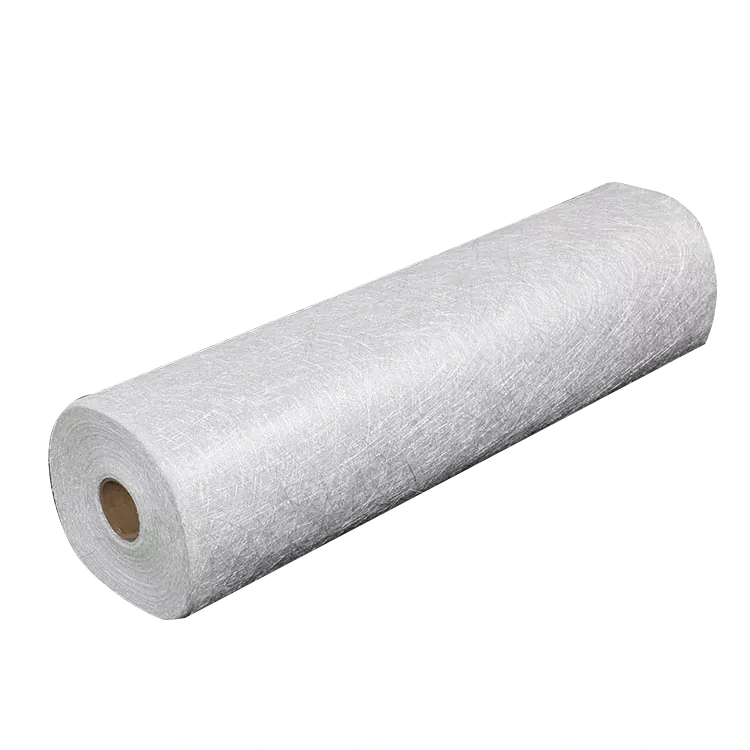
High-Strength Fiberglass Chopped Strand Mat is a non-woven reinforcement material manufactured from E-glass fiberglass strands that are cut into short lengths and randomly distributed to create a relatively uniform mat. A binder holds the fibers together, allowing the material to maintain its structure during handling, storage, and composite lay-up.
Unlike woven fiberglass fabrics, which feature fibers arranged in specific directions, chopped strand mats have a multidirectional fiber distribution. This structure makes them suitable for applications requiring reinforcement across different orientations and the ability to conform to complex mold shapes.
During FRP production, the mat is placed into a mold or laminate structure before a compatible resin is introduced. The resin penetrates the fiberglass reinforcement, wets the individual strands, and forms a composite layer after curing.
The resulting composite performance depends on several factors, including:
- Fiberglass fiber quality and distribution.
- Mat basis weight and reinforcement content.
- Resin formulation and compatibility.
- Laminate thickness and structural design.
- Wetting, consolidation, and curing conditions.
For manufacturers looking for flexible reinforcement solutions, Yuruis High-Strength Fiberglass Chopped Strand Mat offers multiple basis-weight options to accommodate different FRP manufacturing requirements.
2. Key Features and Reinforcement Advantages
The performance of a fiberglass reinforcement material is determined by its fiber structure, physical characteristics, and suitability for the intended manufacturing process. Several features make chopped strand mat a practical option for composite manufacturers.
2.1 Random Fiber Distribution
The randomly distributed E-glass strands provide reinforcement in multiple directions rather than concentrating all fibers along one primary orientation. This arrangement is useful for molded FRP components with complex geometries and multidirectional reinforcement requirements.
2.2 Flexible Molding Characteristics
The mat structure offers good softness and handling flexibility, allowing it to adapt to different molding directions and curved surfaces. This characteristic is particularly valuable when manufacturing components with irregular shapes, corners, or varying surface contours.
2.3 Multiple Basis-Weight Options
Different FRP products require different reinforcement levels. Yuruis provides five standard grades, from EMC225 to EMC900, enabling buyers to select a suitable material according to laminate design and production requirements.
2.4 Compatibility with Common Resin Systems
The material is available for use with several commonly used resin systems, including unsaturated polyester, vinyl ester, epoxy, and phenolic resins. The appropriate binder configuration should be confirmed according to the selected resin and processing conditions.
2.5 Practical Handling and Processing
A stable mat structure helps simplify material positioning and preparation during composite lay-up. Its physical properties can support more consistent handling when the selected specification is matched with the production equipment and molding method.
3. Technical Specifications and Available Grades
Choosing the correct basis weight is an important step in designing an FRP laminate. A higher basis weight provides more fiberglass material per unit area, while lighter grades can be useful for thinner laminate structures and easier handling.
The following table summarizes the standard technical specifications provided by Yuruis.
| Product Code | Basis Weight | Moisture Content | Binder Content | Tensile Strength | Width Tolerance |
|---|---|---|---|---|---|
| EMC225 | 225 g/m² | ≤0.20% | 4.7 ± 0.9% | ≥30 N/150mm | ±5 mm |
| EMC300 | 300 g/m² | ≤0.20% | 4.0 ± 0.9% | ≥50 N/150mm | ±5 mm |
| EMC450 | 450 g/m² | ≤0.20% | 3.7 ± 0.8% | ≥70 N/150mm | ±5 mm |
| EMC600 | 600 g/m² | ≤0.20% | 3.7 ± 0.8% | ≥80 N/150mm | ±5 mm |
| EMC900 | 900 g/m² | ≤0.20% | 3.5 ± 0.8% | ≥90 N/150mm | ±5 mm |
Important specification considerations:
- 225–300 g/m²: Suitable grades to evaluate for relatively lightweight or thinner reinforcement layers.
- 450 g/m²: A versatile intermediate option for general FRP laminate construction.
- 600–900 g/m²: Higher reinforcement loading options for laminate designs requiring more fiberglass material per unit area.
These are material selection guidelines rather than guaranteed finished-product performance ratings. Actual mechanical properties depend on resin content, laminate configuration, curing conditions, and the manufacturing process.
4. Resin Compatibility and Manufacturing Processes
Resin compatibility is a critical consideration when purchasing fiberglass chopped strand mat. Different resin formulations have different chemical characteristics, wet-out requirements, and curing behaviors. Selecting an appropriate mat and binder combination helps manufacturers achieve a stable composite manufacturing process.
Yuruis offers material options for the following commonly used resin systems:
| Resin Type | Common Name | Typical Manufacturing Considerations |
|---|---|---|
| UP Resin | Unsaturated Polyester Resin | Commonly used in general-purpose FRP products and molded composite components. |
| VE Resin | Vinyl Ester Resin | Frequently selected for corrosion-resistant composite structures. |
| EP Resin | Epoxy Resin | Used in composite applications requiring carefully controlled resin formulation and processing. |
| PF Resin | Phenolic Resin | Used in specialized composite applications where phenolic resin characteristics are required. |
Before starting mass production, manufacturers should evaluate the following factors:
- Confirm whether the mat binder is suitable for the selected resin.
- Check resin penetration and fiber wet-out behavior.
- Evaluate air release and laminate consolidation.
- Verify curing conditions and the finished composite structure.
- Conduct application-specific mechanical and dimensional testing.
For buyers using different resin systems, requesting samples and conducting production trials can help confirm suitability before placing a bulk order.
5. Industrial Applications of Fiberglass Chopped Strand Mat
Because of its multidirectional reinforcement structure and adaptable molding characteristics, fiberglass chopped strand mat is used in various FRP manufacturing sectors.
5.1 Construction and Building Materials
Fiberglass reinforcement is used in composite building components, molded panels, and other construction-related products. Chopped strand mat can contribute to the reinforcement of structures where moldability and distributed fiber reinforcement are important.
5.2 Corrosion Protection Engineering
FRP materials are commonly selected for equipment and structures exposed to demanding chemical environments. When combined with a suitable resin system, fiberglass reinforcement can form part of corrosion-resistant tanks, pipes, covers, and protective components.
5.3 Automotive and Transportation
Composite materials are used in selected automotive and transportation components where design flexibility and structural reinforcement are required. Chopped strand mat can be incorporated into molded FRP parts with different shapes and thicknesses.
5.4 Industrial Equipment Manufacturing
FRP manufacturers also use fiberglass reinforcement to produce industrial housings, equipment covers, structural panels, and custom-molded components. Selecting the appropriate mat weight helps align material consumption with the intended laminate design.
5.5 General Composite Manufacturing
For manufacturers producing different FRP products, a range of chopped strand mat grades provides flexibility in material planning. Buyers can combine different reinforcement layers according to product geometry and performance requirements.
6. How to Select the Right Fiberglass Chopped Strand Mat
Purchasing the right reinforcement material involves more than comparing prices or selecting the highest basis weight. A suitable product should match the technical requirements of the finished composite and the capabilities of the manufacturing process.
Consider these six purchasing factors:
- Basis weight: Determine the required fiberglass loading and target laminate thickness.
- Resin compatibility: Confirm that the binder is suitable for the intended UP, VE, EP, or PF resin system.
- Width: Match roll width to mold dimensions, production equipment, and cutting requirements.
- Physical properties: Review moisture content, binder content, tensile strength, and dimensional tolerances.
- Processing characteristics: Evaluate handling, conformability, wet-out, and consolidation during production trials.
- Supplier reliability: Consider manufacturing capabilities, inspection procedures, customization, and export experience.
Yuruis offers standard basis weights of 225, 300, 450, 600, and 900 g/m². Customized options, including 180, 240, and 375 g/m², can also be discussed according to specific manufacturing requirements.
For more reinforcement material options, buyers can also explore Fiberglass Chopped Strand Mat and other fiberglass materials from Yuruis.
7. Manufacturing Quality and Quality Control
Consistent raw material characteristics and manufacturing controls are essential for fiberglass reinforcement suppliers serving international composite manufacturers.
Yuruis operates independent production lines equipped with molding, cutting, coating, and testing equipment. Its quality management system is supported by ISO 9001 certification, while inspection equipment is used to evaluate important material characteristics before shipment.
The production process described by Yuruis includes several manufacturing and inspection stages:
- Raw material preparation: Preparing the required fiberglass materials for production.
- Beam-warping: Preparing fiber-related materials for subsequent processing.
- Looming: Carrying out the relevant textile production operation.
- Fabric inspection: Checking material quality and production consistency.
- Spinning: Completing the specified fiber processing operation.
- Sewing: Performing the applicable final processing operation.
For industrial buyers, supplier evaluation should focus on measurable specifications, inspection records, production consistency, and the ability to meet agreed delivery requirements.
Yuruis has supplied composite materials to customers in more than 20 countries and regions, serving industries including FRP manufacturing, construction, automotive, and anti-corrosion engineering.
8. Packaging, Customization, and Supply
Packaging and transportation arrangements are important considerations for overseas fiberglass material procurement. Proper packaging helps protect finished rolls during storage, handling, and international shipment.
Yuruis uses paper boxes as its standard transport packaging for fiberglass chopped strand mat. Production, inspection, packaging, and logistics arrangements are coordinated for export orders.
Buyers can discuss the following customization and supply requirements:
| Item | Available Information |
|---|---|
| Standard Basis Weight | 225, 300, 450, 600, 900 g/m² |
| Customized Basis Weight | 180, 240, 375 g/m² and other requirements for discussion |
| Width Range | 50–3300 mm |
| Standard Roll Length | Approximately 96 meters, subject to product weight and production requirements |
| Cutting Service | Available according to specified dimensions |
| Sample Testing | Can be arranged before bulk orders |
| Packaging | Standard paper box packaging |
To obtain an accurate quotation, buyers should provide the required basis weight, roll width, resin system, order quantity, intended application, and destination country.
9. Frequently Asked Questions
Q1: What is High-Strength Fiberglass Chopped Strand Mat used for?
It is used as a reinforcement material in FRP composite manufacturing. Typical applications include molded composite components, construction materials, automotive parts, industrial equipment, and corrosion-resistant structures.
Q2: What grades does Yuruis offer?
Yuruis offers five standard grades: EMC225, EMC300, EMC450, EMC600, and EMC900, corresponding to basis weights of 225, 300, 450, 600, and 900 g/m².
Q3: Which resin systems are compatible with this fiberglass mat?
The available resin systems include UP (unsaturated polyester), VE (vinyl ester), EP (epoxy), and PF (phenolic) resins. The appropriate binder configuration should be confirmed for the specific resin and production process.
Q4: Can Yuruis provide customized basis weights?
Yes. In addition to standard grades, customized basis weights such as 180, 240, and 375 g/m² can be discussed according to customer requirements.
Q5: What widths are available for fiberglass chopped strand mat?
The general available width range is 50–3300 mm. Buyers can communicate their equipment dimensions and application requirements to discuss the appropriate width.
Q6: What is the standard roll length?
The standard specification is approximately 96 meters per roll. Actual roll length may vary according to product weight and production requirements.
Q7: Can Yuruis provide customized cutting services?
Yes. Cutting services are available for customers requiring specific dimensions. Buyers should provide their required width and cutting specifications when requesting a quotation.
Q8: Can buyers request samples before placing bulk orders?
Yes. Sample testing can be arranged so manufacturers can evaluate the fiberglass mat using their own resin system, equipment, and production process before committing to larger quantities.
Q9: How should buyers choose between EMC225 and EMC900?
The choice depends on the required fiberglass loading, laminate thickness, handling characteristics, and final composite design. EMC225 is a lighter grade, while EMC900 provides a substantially higher basis weight. Manufacturers should validate the selected grade through laminate trials and application-specific testing.
10. Conclusion: Choosing a Reliable Fiberglass Reinforcement Supplier
Selecting the right High-Strength Fiberglass Chopped Strand Mat is an important decision for FRP manufacturers seeking consistent material characteristics, practical molding performance, and reliable production results. Basis weight, resin compatibility, binder characteristics, dimensional requirements, and supplier quality management should all be considered before procurement.
With multiple standard grades, customized specifications, sample testing support, ISO 9001-certified quality management, and international supply experience, Yuruis provides fiberglass reinforcement solutions for different composite manufacturing requirements. Whether you need lightweight reinforcement or higher-basis-weight materials for customized FRP structures, choosing the right specification can help improve material utilization and manufacturing consistency.
Looking for a dependable High-Strength Fiberglass Chopped Strand Mat manufacturer and supplier? Contact Yuruis to discuss your required basis weight, roll width, resin compatibility, cutting dimensions, and order quantity. Our team can help you identify a suitable fiberglass reinforcement solution for your production needs. Visit Yuruis High-Strength Fiberglass Chopped Strand Mat or contact us today to request product details, samples, and a customized quotation.
Related News
- What Makes Alkali-Free Glass Fiber Spray Roving the Smart Choice for Spray-Up FRP Molding
- What Makes Powder-Bound Fiberglass Chopped Strand Mat the Smart Choice for FRP Manufacturers
- Custom Transparent FRP Grating: Combining Light Transmission, Strength and Corrosion Resistance
- How Can Custom Fiberglass Chopped Strand Mat Improve the Quality and Efficiency of FRP Manufacturing
- Weaving of Unidirectional Carbon Fiber Fabric
- Why Is 225g Fiberglass Chopped Strand Mat a Smart Choice for Reliable FRP Composite Manufacturing
Leave me a message
New Products
News Recommendations