
English
- English
- Español
- Português
- русский
- Français
- 日本語
- Deutsch
- tiếng Việt
- Italiano
- Nederlands
- ภาษาไทย
- Polski
- 한국어
- Svenska
- magyar
- Malay
- বাংলা ভাষার
- Dansk
- Suomi
- हिन्दी
- Pilipino
- Türkçe
- Gaeilge
- العربية
- Indonesia
- Norsk
- تمل
- český
- ελληνικά
- український
- Javanese
- فارسی
- தமிழ்
- తెలుగు
- नेपाली
- Burmese
- български
- ລາວ
- Latine
- Қазақша
- Euskal
- Azərbaycan
- Slovenský jazyk
- Македонски
- Lietuvos
- Eesti Keel
- Română
- Slovenski
- मराठी
- Srpski језик

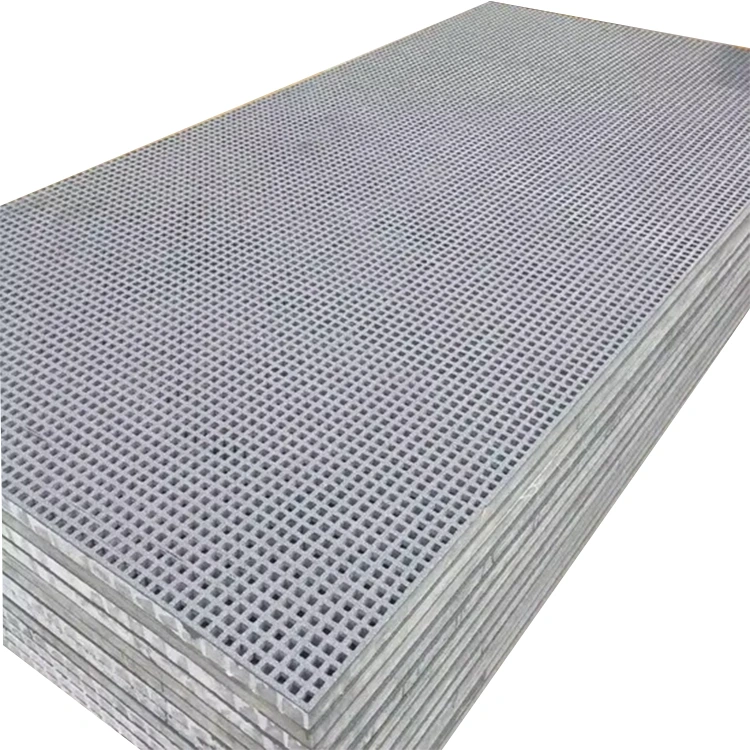
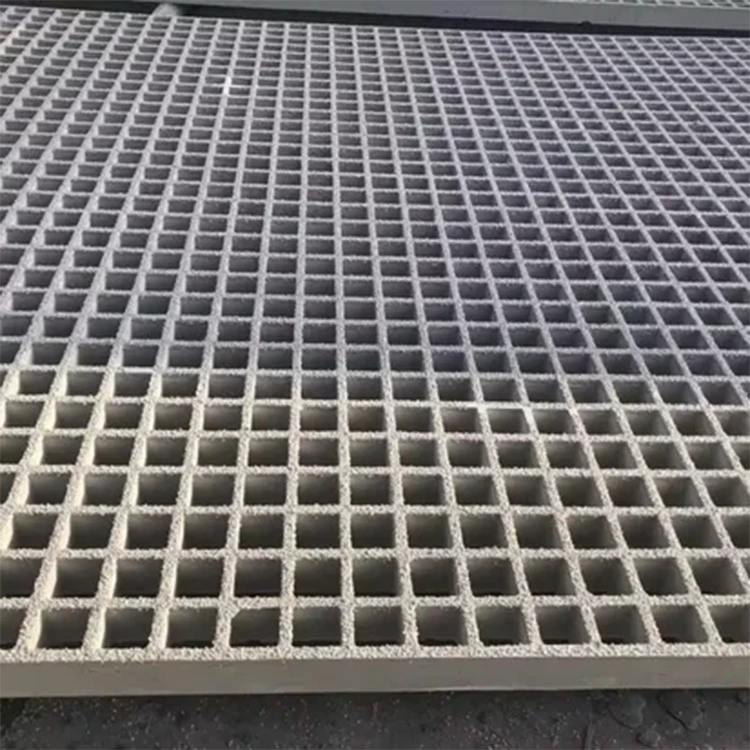
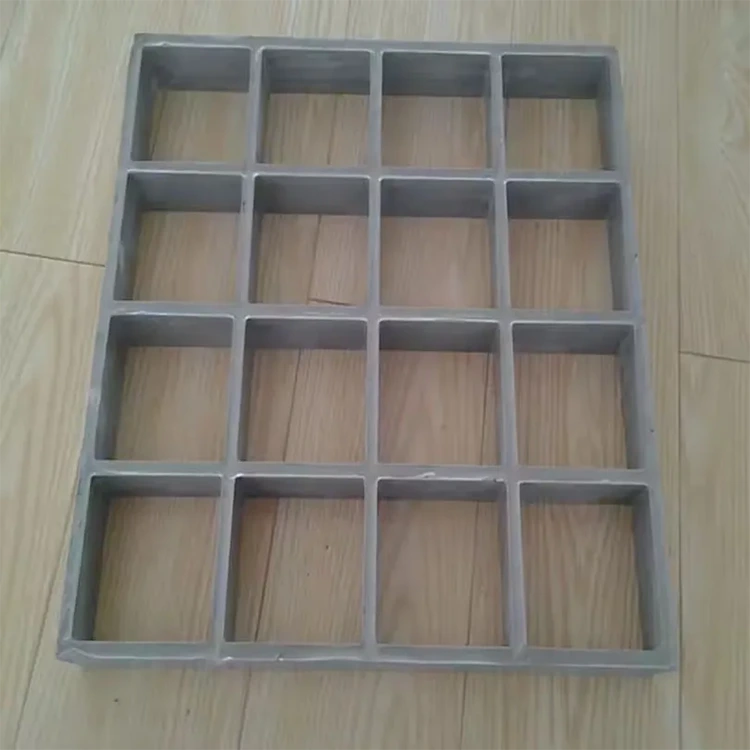
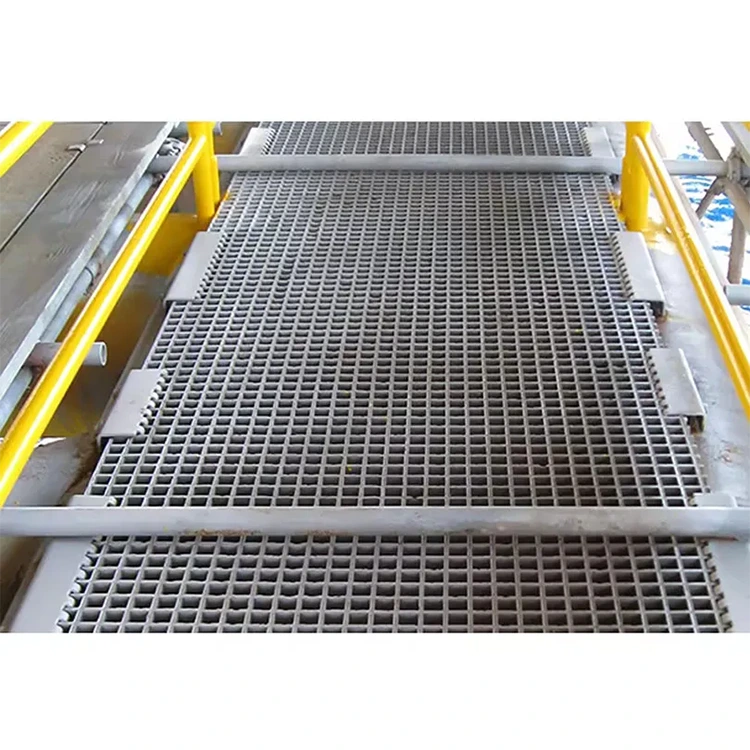
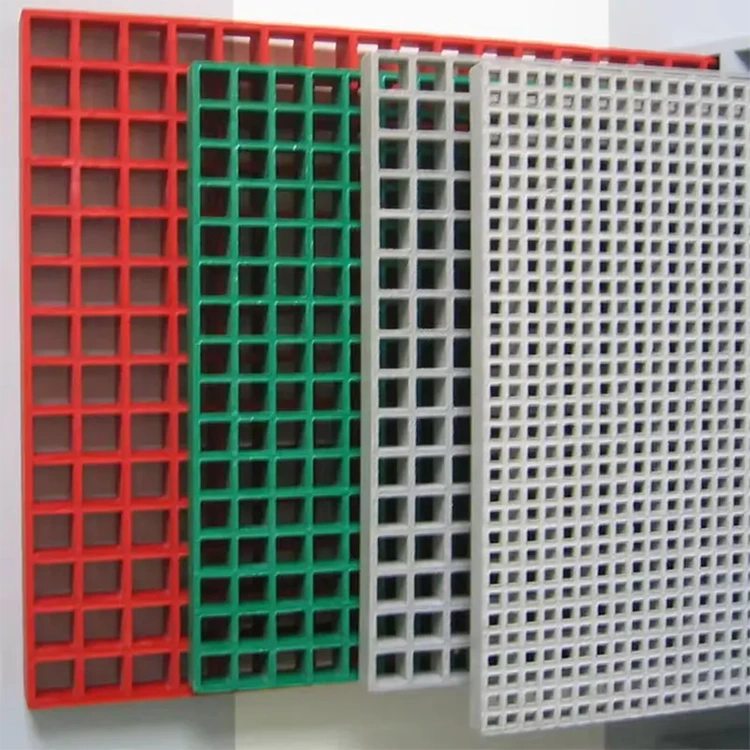
Fiberglass Composite Plastic FRP GRP Grating
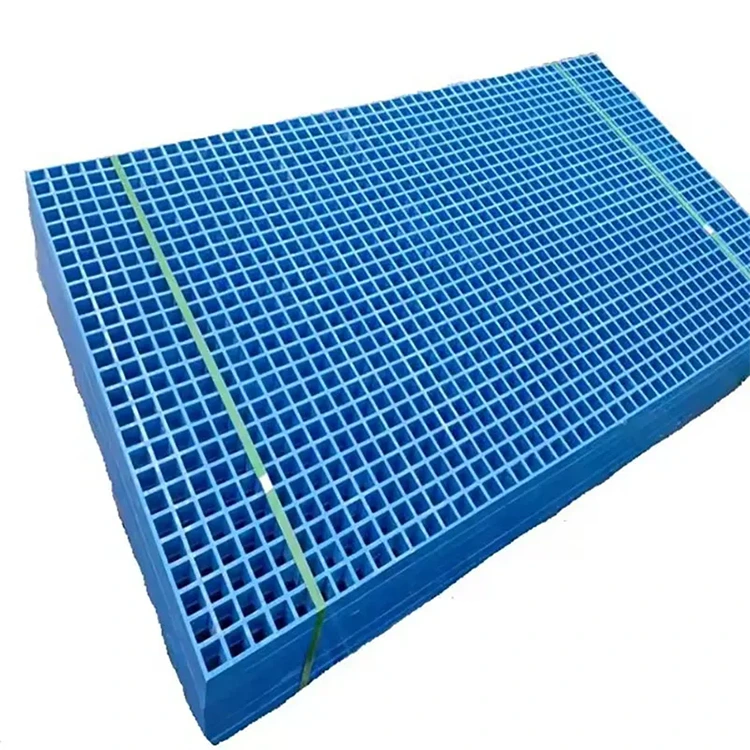
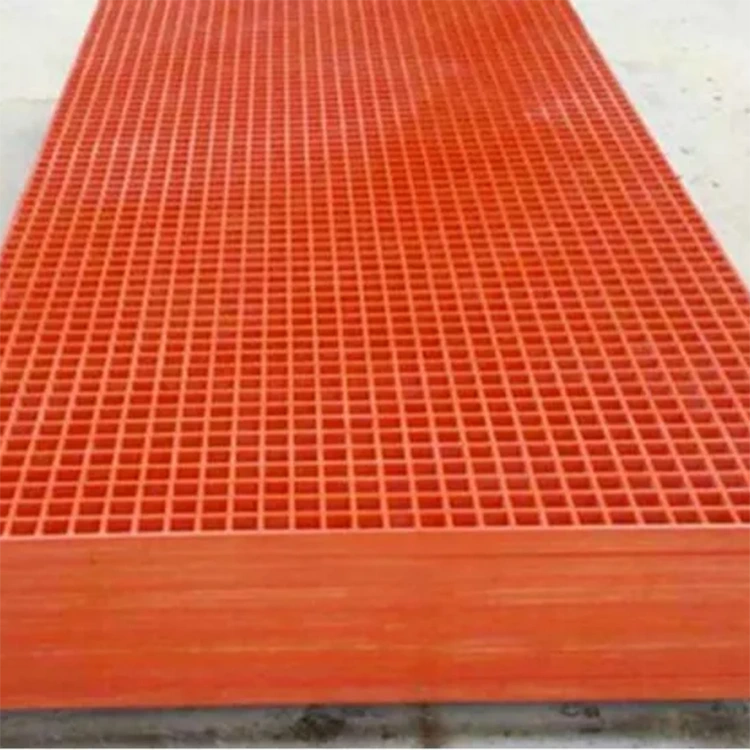
Yuruis Fiberglass Composite Plastic FRP GRP Grating is a molded GFRP grating developed for industrial access areas where corrosion resistance, electrical insulation and practical installation are important. It can be supplied in customized dimensions, shapes and colors for chemical plants, wastewater facilities, power plants, marine facilities and other industrial environments.
FRP grating is commonly selected for industrial platforms and access areas where moisture, chemicals or outdoor exposure can make conventional metal grating more demanding to maintain. Its load-bearing structure combines glass fiber reinforcement with a resin matrix, providing a non-metallic alternative for applications where corrosion resistance and electrical insulation are relevant.
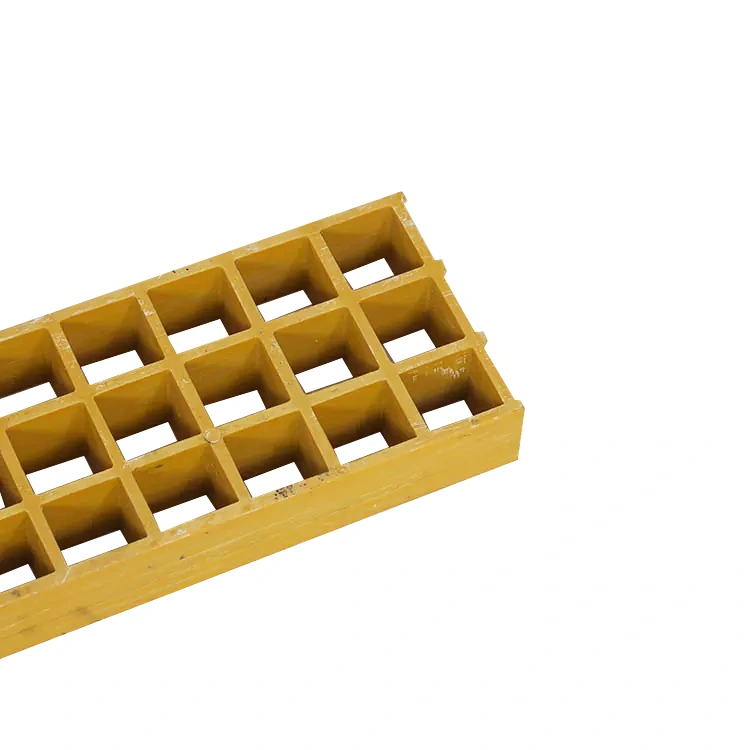
This 25 mm molded grating uses glass fiber reinforcement and Diphenyl Ether FRP resin. The open-grid structure allows water and other liquids to pass through the panel, while the molded construction provides a fixed panel structure for walkways, platforms, access areas and other industrial flooring applications.
The product specification also includes 10 kV electrical insulation, a non-slip grade A surface, and fire-retardant characteristics. These properties make Fiberglass Composite Plastic FRP GRP Grating suitable for projects where the material needs to address more than basic floor loading.
Product Specification
|
Item |
Specification |
|
Product |
Fiberglass Composite Plastic FRP GRP Grating |
|
Product Category |
FRP Grating |
|
Material |
FRP / GFRP |
|
Fiber Type |
Glass Fiber |
|
Thickness |
25 mm |
|
Manufacturing Method |
Molded Grating |
|
Resin Type |
Diphenyl Ether FRP |
|
Non-Slip Grade |
A |
|
Electrical Insulation |
10 kV |
|
Feature |
Fire Retardant / Load Bearing / Removable |
|
Color |
Yellow, Red, Green, Blue, White, etc. |
|
Size |
Customized |
|
Shape |
Customized |
|
Processing |
Molding, Cutting, Welding |
|
Sample |
Available |
|
Packaging |
Tray |
|
Production Capacity |
200,000 m²/year |
|
Brand |
Yuruis |
|
Origin |
Tianchang, Anhui, China |
Material Performance in Industrial Environments
The main reason to consider FRP over conventional steel grating is usually the operating environment. In areas exposed to water, chemicals or salt, the condition of the surrounding environment can affect the service requirements of a metal access structure.
FRP and GFRP use glass fiber as reinforcement rather than a metallic load-bearing structure. The resulting material is non-metallic and does not rely on a conventional metal coating to provide its basic corrosion resistance.
For chemical processing, wastewater treatment and marine applications, material selection should still consider the actual chemicals, concentration, temperature and exposure conditions. Resin selection is an important part of this assessment because chemical resistance varies with the service environment.
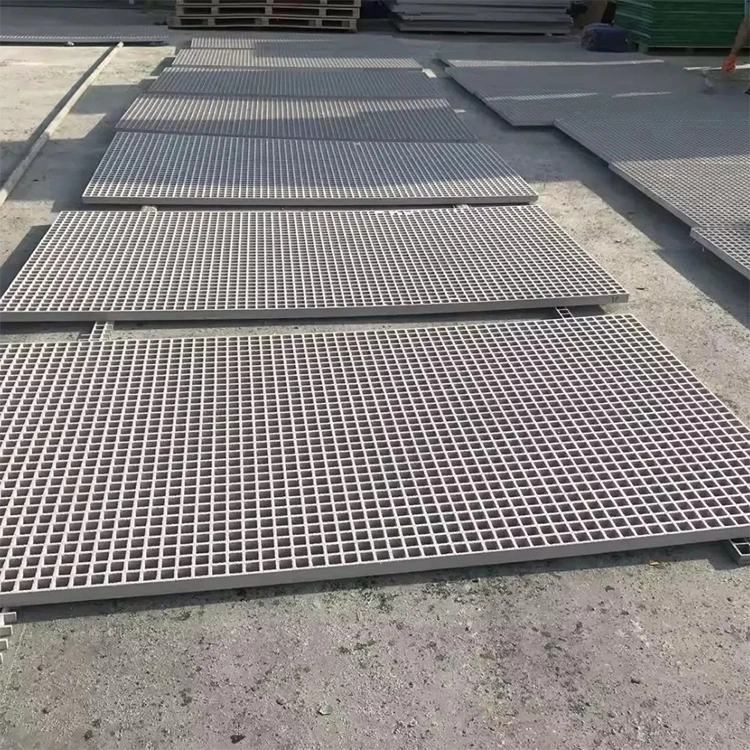
Electrical Insulation
FRP grating can also be considered where an electrically insulating access surface is required. The listed specification for this model is 10 kV electrical insulation, and the material itself is non-metallic.
This characteristic can be relevant around electrical equipment, power facilities and selected industrial process areas where conductive metal flooring is not preferred.
The 10 kV value is part of the supplied product specification. Final installation suitability should be checked against the project's electrical design, applicable standards and site safety requirements rather than using the material value alone as an installation criterion.
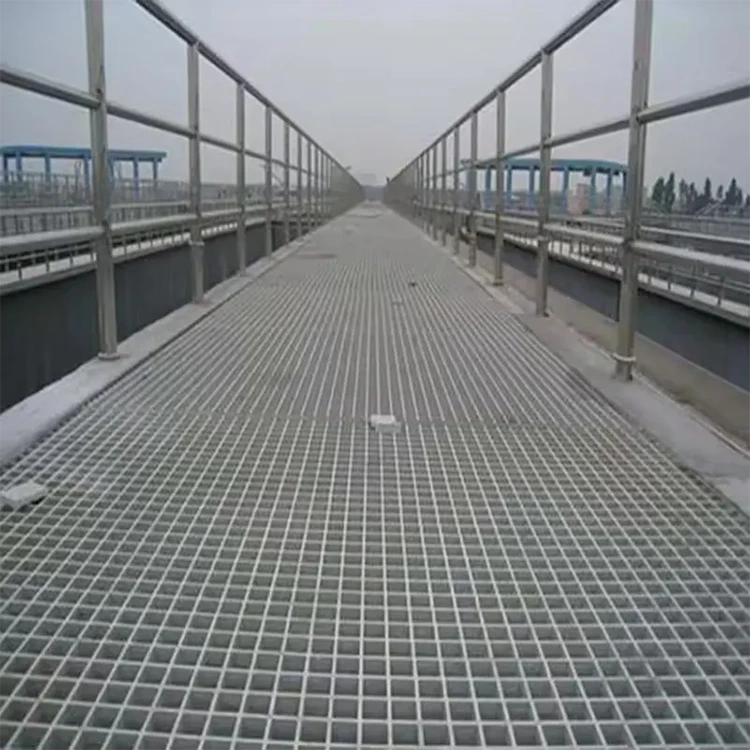
Open-Grid Structure and Applications
The molded open-grid structure allows water and other liquids to pass through the panel. This is useful in areas where drainage is part of the floor design, including wet-process areas, outdoor platforms and maintenance routes.
Depending on the layout and structural requirements, the grating can be used for industrial walkways, operating platforms, stair treads, bridge panels, trench covers, equipment access areas and industrial flooring.
For trench covers, platforms and other load-bearing applications, the required panel thickness, support span and expected load should be established before production. The product specification provides a 25 mm thickness for this model, while project-specific dimensions can be discussed separately.
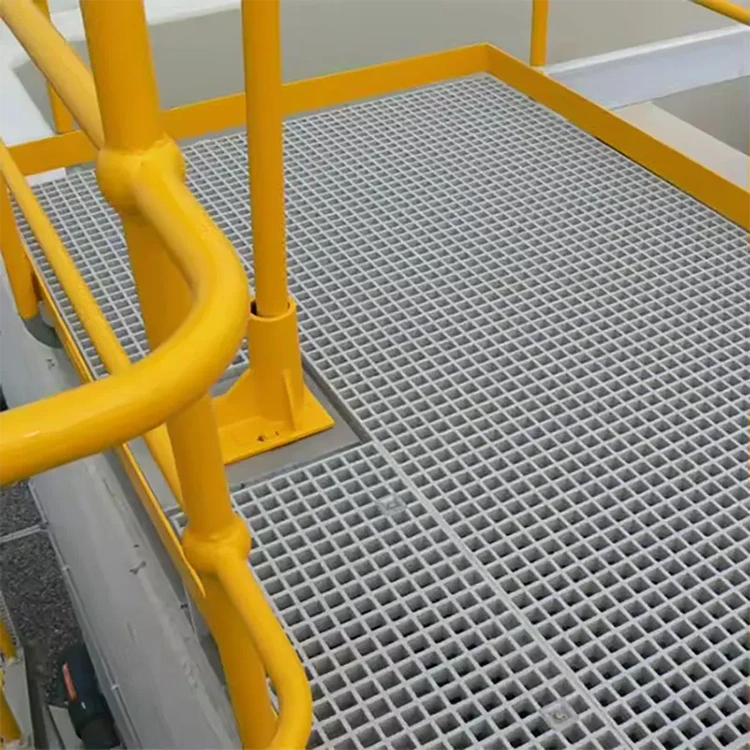
Available Sizes and Processing
Standard production specifications include panel sizes such as 1220 × 3660 mm, 1220 × 4010 mm, 1524 × 4010 mm and 1524 × 4000 mm.
For project orders, the panel can be discussed according to the required dimensions, shape, thickness and color. Cutting, welding and molding are also available according to the processing requirements.
Available colors include yellow, red, green, blue and white, with other colors available according to project requirements. In industrial facilities, different colors can also be used to visually distinguish walkways, operating areas or restricted zones.
Customized dimensions are useful when the grating needs to fit around equipment, channels, structural supports or existing openings. Providing a drawing or installation layout can help determine the required cutting and panel configuration.

FRP and Metal Grating: Project Considerations
FRP is not intended to replace metal grating in every application. The appropriate choice depends on the working environment, load requirements, electrical conditions, installation method and maintenance requirements of the project.
|
Project Condition |
FRP / GFRP Grating |
Conventional Metal Grating |
|
Chemical exposure |
Strong candidate |
Corrosion protection required |
|
Constant moisture |
Suitable |
Corrosion can become a maintenance concern |
|
Electrical insulation |
Naturally insulating |
Conductive |
|
Non-magnetic requirement |
Suitable |
Metal selection may be restrictive |
|
On-site modification |
Can be cut and processed |
Metal cutting required |
|
Color selection |
Multiple integral colors |
Usually surface-finish dependent |
|
Maintenance focus |
No conventional rust treatment |
Coating and corrosion may require attention |
Typical Industrial Uses
Chemical processing: access platforms, walkways, tank areas and maintenance routes where the material needs to withstand the surrounding operating environment.
Wastewater treatment: wet walkways, channels, treatment equipment areas and platform flooring where drainage and corrosion resistance are relevant.
Power and battery plants: electrically insulating access areas and equipment platforms where non-metallic flooring is required or preferred.
Marine and offshore: platforms and walkways exposed to humidity, water and salt-containing environments.
Food processing: wet production areas and floor sections where an open structure can support drainage.
Mining and metallurgy: industrial access structures exposed to moisture and demanding operating conditions.
FAQ
Why is FRP grating used instead of steel grating?
FRP grating is commonly considered when corrosion, moisture, electrical insulation or non-metallic construction is important. Unlike steel, GFRP does not develop conventional iron rust and does not require a conventional anti-rust coating for the same purpose.
Can this product be used in a chemical plant?
It can be used in many chemical-processing applications, but the resin and product specification should be checked against the actual chemical, concentration, temperature and exposure conditions before selection.
What is the thickness of this model?
The listed model is 25 mm thick. Customized specifications can be discussed according to the required dimensions, support conditions and application.
Does the grating provide electrical insulation?
Yes. The supplied specification indicates 10 kV electrical insulation. Final installation suitability should be verified against the applicable electrical safety requirements and project standards.
Can the panel be cut to a project size?
Yes. Cutting is available as a processing option, together with molding and welding according to the project requirements.
Are different colors available?
Yes. Yellow, red, green, blue and white are listed options. Other colors can be discussed for project orders.
Can molded grating be used as a trench cover?
Yes. It can be configured for trench-cover applications when the panel dimensions, support span and required load capacity are properly established for the installation.
What information is needed for a quotation?
Useful information includes panel dimensions, thickness, quantity, support span, expected load, application environment and any chemical exposure. A drawing is recommended when customized shapes, openings or cutting are required.
For a project involving Fiberglass Composite Plastic FRP GRP Grating, providing the application conditions and required dimensions together with the expected load can help determine a suitable product configuration.
Related Category
Send Inquiry
Contact Info
-
Address
No. 18, Fuyuan Road, Dalun Town Industrial Concentration Zone, Jiangyan District, Taizhou City, Jiangsu Province, China
-
Tel
-
Email
Send your requirements to Yuruis for carbon fiber materials, FRP grating or fiberglass materials. Include product specifications, dimensions, quantity, application or other requirements so our team can review the details and respond accordingly.
News Recommendations





