
English
- English
- Español
- Português
- русский
- Français
- 日本語
- Deutsch
- tiếng Việt
- Italiano
- Nederlands
- ภาษาไทย
- Polski
- 한국어
- Svenska
- magyar
- Malay
- বাংলা ভাষার
- Dansk
- Suomi
- हिन्दी
- Pilipino
- Türkçe
- Gaeilge
- العربية
- Indonesia
- Norsk
- تمل
- český
- ελληνικά
- український
- Javanese
- فارسی
- தமிழ்
- తెలుగు
- नेपाली
- Burmese
- български
- ລາວ
- Latine
- Қазақша
- Euskal
- Azərbaycan
- Slovenský jazyk
- Македонски
- Lietuvos
- Eesti Keel
- Română
- Slovenski
- मराठी
- Srpski језик

Factory Direct Versatile FRP Grating for Industrial Flooring
Versatile FRP Grating from Yuruis is a molded fiberglass reinforced plastic grating designed for walkways, working platforms, industrial flooring and access areas. It combines glass fiber reinforcement with a resin matrix to form an open-mesh composite panel for different installation conditions.
Used for FRP walkway grating, industrial floor grating, fiberglass platform grating and trench covers, the product can be specified by thickness, mesh configuration, surface type and panel dimensions. Selection should be based on the expected load, support conditions and operating environment.
Standard configurations are suitable for common access and flooring applications, while project-based processing can be considered when specific dimensions, openings or cutting requirements are involved.
Technical Configuration
| Item | Specification |
|---|---|
| Material | Fiberglass Reinforced Plastic |
| Reinforcement | Glass Fiber |
| Manufacturing Method | Molded Grating |
| Typical Thickness | 25 mm and project-based options |
| Mesh Configuration | Standard and customized |
| Surface | Slip-resistant options |
| Color | Yellow, Green, Blue, Red, White and others |
| Processing | Cutting and project-based fabrication |
| Application | Walkways, platforms, floors and access areas |
How the Grating Is Constructed
Fiberglass Reinforcement
Glass fiber is used as the reinforcement within the composite structure. The fiber specification, material form and resin system should be selected according to the intended application and required operating conditions.
Resin Matrix
The resin matrix binds the reinforcement into the molded structure and is an important consideration for applications involving moisture, chemicals or other specific environmental conditions. Resin selection should be matched with the substances and conditions present at the installation site.
Molded Grid Structure
The grating is manufactured as a molded grid panel with an integrated structure. Thickness, mesh configuration and panel dimensions can be selected according to the required loading, support arrangement and installation layout.
Open-Mesh Design
The open-mesh construction allows liquids, air and light to pass through the panel where required. Mesh opening and surface configuration should be selected according to the function of the installation area.
Performance Characteristics
Corrosion Exposure
The composite structure can be considered for industrial areas exposed to moisture, chemicals or other corrosive conditions. The appropriate resin system should be selected according to the substances and operating environment involved.
Handling and Installation
Compared with many conventional metallic grating systems, fiberglass composite grating has a lower material weight. This can simplify handling during transportation and installation, although actual handling requirements depend on the panel size and thickness.
Slip-Resistant Surface
Slip-resistant surface options can be specified for walkways, platforms and other access areas where surface grip is required. Surface selection should take into account the working environment and expected use.
Electrical Insulation
As a non-metallic composite material, the grating can be considered for applications where electrical insulation is required. Specific electrical requirements should be confirmed according to the installation conditions.
Cutting and Fabrication
Molded grating panels can be cut to accommodate installation dimensions, openings and project layouts. Cutting requirements can be reviewed before production when the panels need to match a specific site configuration.
Applications Across Access and Flooring Systems
Walkways
The open-mesh panel can be used for pedestrian walkways, access routes and maintenance areas. Panel dimensions, support spacing and surface configuration should match the installation requirements.
Working Platforms
Working platforms and equipment access structures require appropriate panel thickness and support conditions based on the expected loading. The selected specification should be checked against the project requirements before installation.
Drainage and Trench Covers
The open mesh allows water and other liquids to pass through the panel, making the grating suitable for selected trench covers, drainage areas and access openings.
Industrial Flooring
Industrial flooring applications can use the grating where corrosion exposure, surface grip, electrical insulation or material handling requirements need to be considered together.
Environmental and Utility Facilities
Applications can include selected areas of water treatment facilities, industrial processing sites, equipment surrounds and utility installations where a non-metallic grating system is specified.
Product Care and Inspection
Regular inspection helps identify conditions that may affect the installed grating. The inspection interval should be determined according to the operating environment, loading conditions, traffic frequency and installation method.
Typical inspection points include the panel surface, support areas, fixing points and visible signs of mechanical damage. Areas exposed to chemicals, heavy loads or frequent traffic may require closer inspection.
Where damage is identified, the affected panel and fixing components should be assessed according to the actual installation condition. Replacement requirements should be determined from the condition of the installed grating rather than a fixed service-life period.
Yuruis Supply
Taizhou Yuruis New Materials Co., Ltd. supplies molded FRP grating and other fiberglass composite materials from Taizhou, Jiangsu, China. Versatile FRP Grating is available in standard configurations as well as project-based specifications involving dimensions, mesh configuration, surface and processing.
For quotation and technical review, customers can provide panel dimensions, thickness, mesh configuration, surface type, application, loading conditions and quantity. Drawings or installation layouts can also be provided when cutting, openings or other project-specific requirements are involved.
- View as
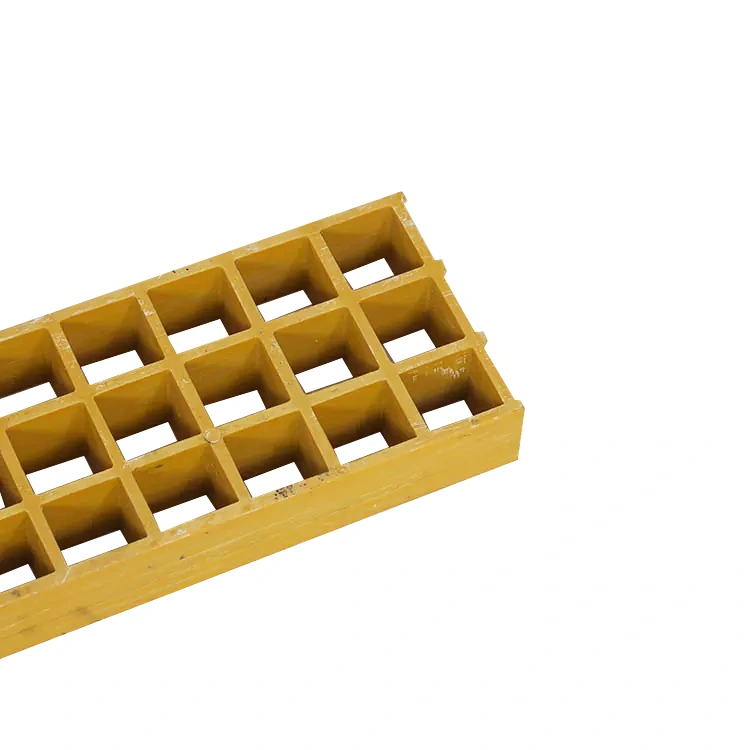
Heavy-Duty FRP Walkway Grating
Heavy-Duty FRP Walkway Grating uses a molded fiberglass-reinforced structure for industrial walkways, maintenance platforms and service passages. It combines lightweight construction, mechanical strength, corrosion resistance, slip resistance and electrical insulation for demanding working environments. Yuruis supplies FRP grating for industrial projects and bulk sourcing.
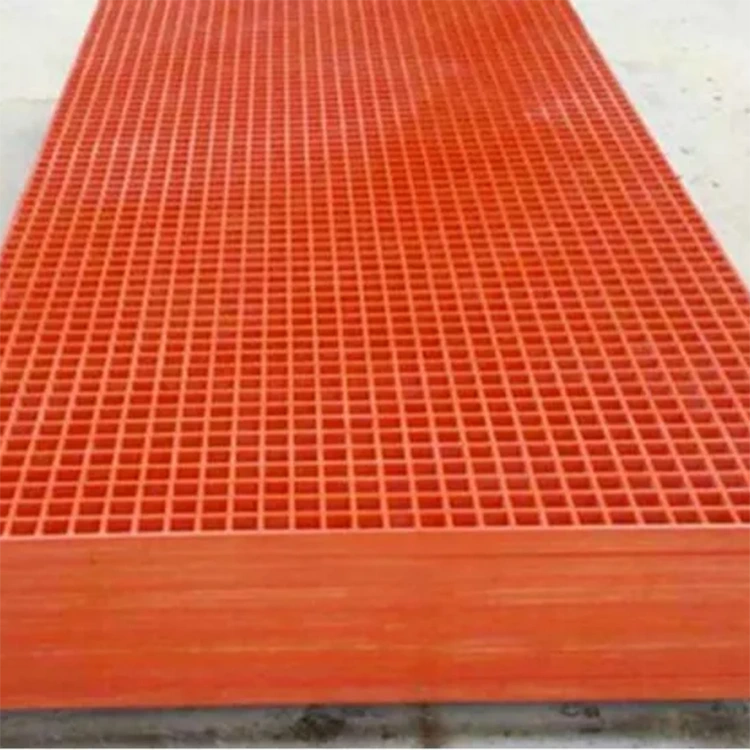
Anti-Slip FRP Grating
With a 38 × 38 mm open-grid design, Anti-Slip FRP Grating allows water, oil and other liquids to drain through the surface while maintaining a stable walking area. The molded FRP construction offers corrosion resistance and low weight for walkways, platforms, trench covers and industrial work areas. Yuruis supports bulk supply for industrial projects and sourcing requirements.
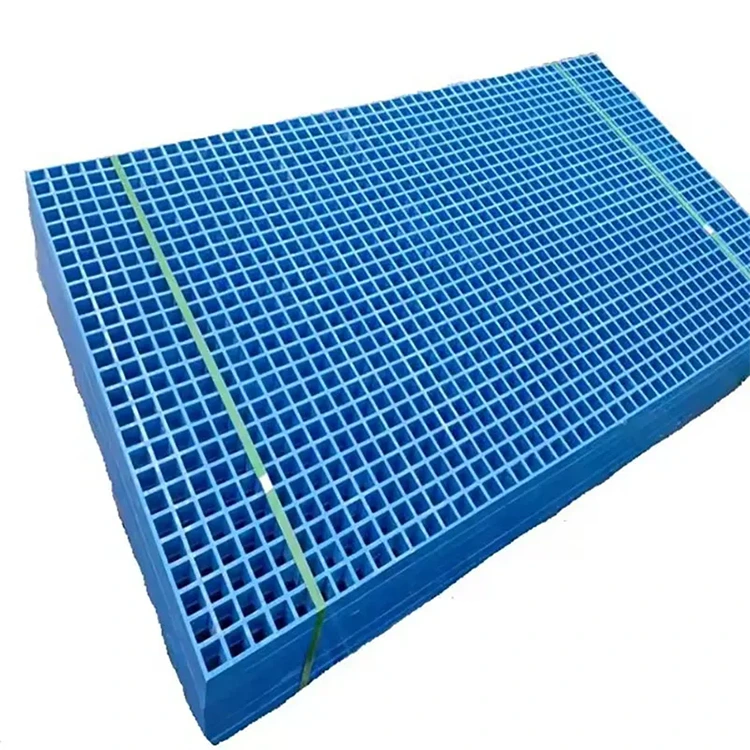
FRP Grating for Sidewalks
A sidewalk grating has a different job from a conventional industrial floor panel. People need to walk across it comfortably, rainwater and cleaning water need somewhere to go, and the surface should remain dependable when the area becomes wet. Yuruis FRP Grating for Sidewalks is a molded GFRP panel designed for pedestrian walkways, factory paths and outdoor access areas where drainage, slip resistance and long-term durability are important.
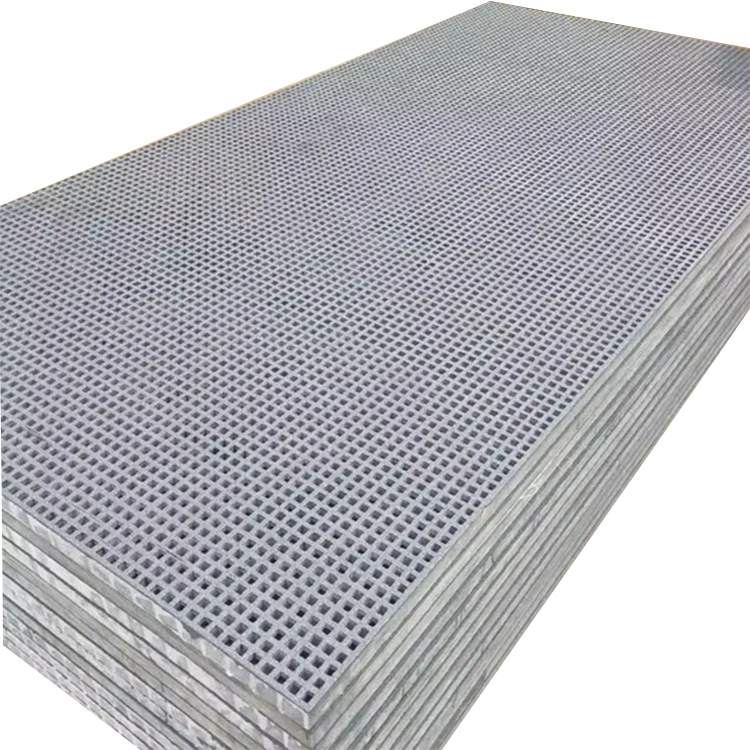
Fiberglass Composite Plastic FRP GRP Grating
Yuruis Fiberglass Composite Plastic FRP GRP Grating is a molded GFRP grating developed for industrial access areas where corrosion resistance, electrical insulation and practical installation are important. It can be supplied in customized dimensions, shapes and colors for chemical plants, wastewater facilities, power plants, marine facilities and other industrial environments.
Yuruis is a professional Versatile FRP Grating manufacturer and supplier in China. Welcome to import quality products from our factory here.
News Recommendations





