
English
- English
- Español
- Português
- русский
- Français
- 日本語
- Deutsch
- tiếng Việt
- Italiano
- Nederlands
- ภาษาไทย
- Polski
- 한국어
- Svenska
- magyar
- Malay
- বাংলা ভাষার
- Dansk
- Suomi
- हिन्दी
- Pilipino
- Türkçe
- Gaeilge
- العربية
- Indonesia
- Norsk
- تمل
- český
- ελληνικά
- український
- Javanese
- فارسی
- தமிழ்
- తెలుగు
- नेपाली
- Burmese
- български
- ລາວ
- Latine
- Қазақша
- Euskal
- Azərbaycan
- Slovenský jazyk
- Македонски
- Lietuvos
- Eesti Keel
- Română
- Slovenski
- मराठी
- Srpski језик

High-Performance Fiberglass Yarn Supplier
In composite manufacturing, reinforcement selection depends on the fiber form, production process and requirements of the finished material. Yuruis Fiberglass Yarn products include continuous glass fiber yarn and roving for spray-up processing, FRP manufacturing and selected construction-related reinforcement applications.
The available materials are supplied in different forms and grades for specific processing requirements. Selection should consider the glass fiber type, material form, production method, resin or matrix system, and service conditions of the finished composite.
Product Range
Yuruis supplies continuous glass fiber materials in yarn and roving forms for composite manufacturing and related reinforcement applications.
| Product Type | Main Characteristics | Typical Use |
|---|---|---|
| AR Fiberglass Spray-up Roving | Continuous glass fiber reinforcement designed for spray-up processing | FRP molding and composite production |
| Alkali-Free Glass Fiber Spray Roving | Continuous glass fiber material for specified composite processing requirements | Spray-up and related FRP applications |
| Alkali-Resistant Fiberglass Yarn | Material intended for applications involving alkaline conditions | Construction-related reinforcement and composite materials |
Fiber Structure
These materials are based on continuous glass fiber strands assembled into yarn or roving forms. This structure differs from chopped strand mat, where short fibers are distributed throughout a non-woven mat.
The continuous form allows the reinforcement to be supplied and handled according to the requirements of the production process. Depending on the specification, it may be used directly or converted into other fiberglass reinforcement products.
Processing Requirements
The material form should match the way reinforcement is introduced into the composite. Spray-up production, for example, requires a suitable roving structure and feeding characteristics for the equipment and molding process.
| Selection Factor | What to Consider |
|---|---|
| Glass Fiber Type | Required glass fiber composition or grade |
| Material Form | Yarn or roving structure required by the production process |
| Processing Method | Spray-up, FRP molding or another specified process |
| Fiber Sizing | Compatibility with the intended resin or matrix system |
| Application Conditions | Environmental and service conditions affecting material selection |
For production orders, the material specification should be checked against the actual equipment, resin system and processing conditions before regular or bulk production.
Product Applications
Continuous glass fiber materials are used in composite production where the reinforcement form needs to match the molding or manufacturing process.
| Application | Material Role |
|---|---|
| FRP Manufacturing | Continuous reinforcement for molded composite components |
| Spray-up Molding | Reinforcement fed into the molding process during production |
| Construction Materials | Fiberglass reinforcement for selected construction-related products |
| Composite Components | Reinforcement material used in fiberglass-based components |
Product Specifications
For purchasing, the required specification should be matched with the manufacturing process and final application. The parameters required for yarn and roving may vary according to the product type.
| Specification | Details to Confirm |
|---|---|
| Glass Fiber Type | Required glass fiber composition or grade |
| Yarn / Roving Type | Material form required for production |
| Linear Density | Required yarn or roving specification, where applicable |
| Fiber Sizing | Sizing compatible with the intended resin or matrix system |
| Application | Finished product and manufacturing process |
| Packaging | Package or roll configuration required for production |
| Quantity | Trial, regular production or bulk order requirement |
For a quotation, customers can provide the material type, required specification, production process, intended application, packaging requirements and quantity. Existing technical specifications or samples can also be provided when material matching is required.
Yuruis Supply
Taizhou Yuruis New Materials Co., Ltd. was founded in 2017 and focuses on the development and production of fiberglass and other fiber composite materials in Taizhou, Jiangsu, China. Its product range covers yarn, roving and other reinforcement materials for composite manufacturing.
Yuruis can review the required material type, production process, application and technical specifications before quotation. Customers with customized requirements can provide drawings, existing specifications or samples for product evaluation.
FAQ
What is the difference between yarn and roving?
Both are made from continuous glass fibers, but their structure, specification and intended processing methods may differ. The appropriate form depends on the equipment, production process and requirements of the finished composite.
How does continuous glass fiber differ from chopped strand mat?
Continuous glass fiber is supplied as continuous strands assembled into a yarn or roving form, while chopped strand mat consists of shorter fibers distributed through a non-woven structure. They are handled and incorporated into composites differently.
What does AR mean?
AR stands for alkali-resistant. This classification is used for glass fiber products intended for applications involving alkaline conditions. The required grade should be confirmed according to the material system and end use.
Are alkali-resistant and alkali-free glass fibers the same?
No. They refer to different glass fiber classifications and should not be treated as interchangeable materials. The correct type should be selected according to the product specification and intended application.
What should be checked before using roving in spray-up molding?
The main factors include the equipment and feeding method, material form, fiber specification, sizing, resin system and production conditions. Compatibility should be confirmed before starting regular production.
What information should be provided when requesting a quotation?
Useful information includes the required material type and specification, production process, finished product, packaging requirements and order quantity. Existing technical documents or samples can be provided when a specific material needs to be matched.
- View as
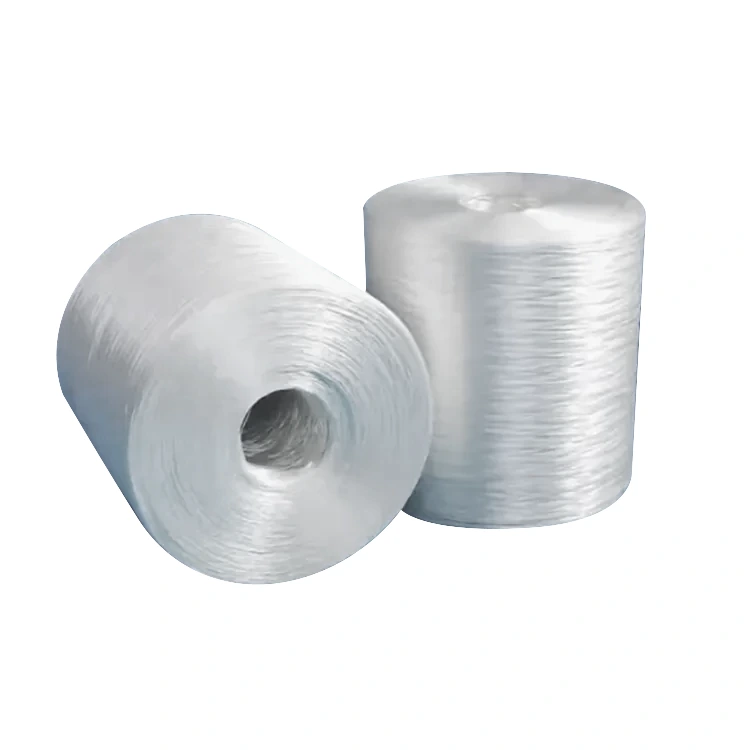
Alkali-Resistant Fiberglass Yarn
Vinyl-coated E-glass bulk yarn forms the basis of Alkali-Resistant Fiberglass Yarn, with a multi-strand construction suited to spray-up processing. The yarn offers good strand dispersion, resin penetration, and low static during molding, making it suitable for FRP manufacturers producing boat hulls, bathtubs, tanks, pipes, automotive parts, and similar composite components. Yuruis, a China fiberglass yarn manufacturer, provides bulk supply for industrial composite production.
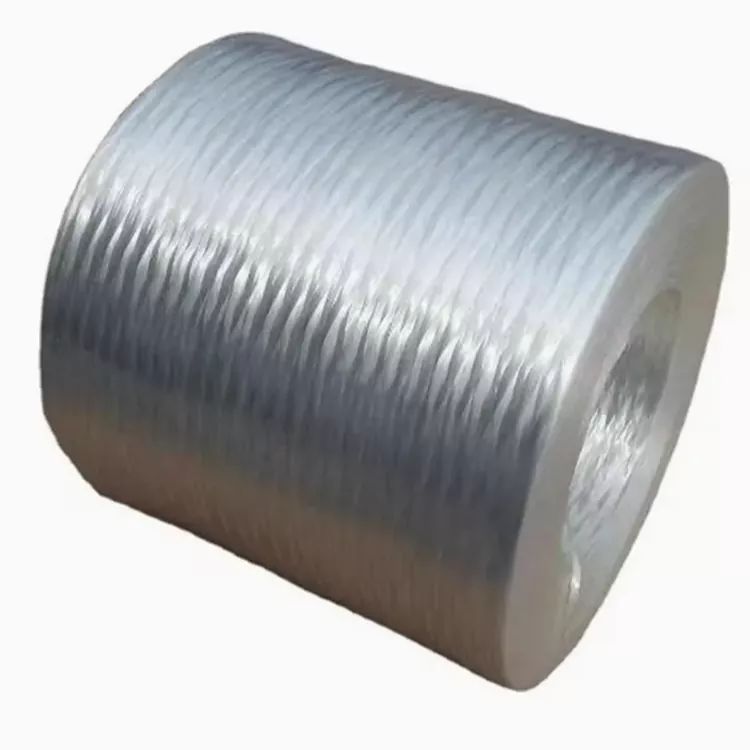
Alkali-Free Glass Fiber Spray Roving
For FRP manufacturers, the reinforcement material needs to work reliably from the moment it enters the spray gun to the point where the laminate is cured. Yuruis Alkali-Free Glass Fiber Spray Roving uses E-Glass with a vinyl-coated surface treatment and a multi-strand bulk yarn structure, providing a practical reinforcement option for spray-up molding with UP and VE resins.
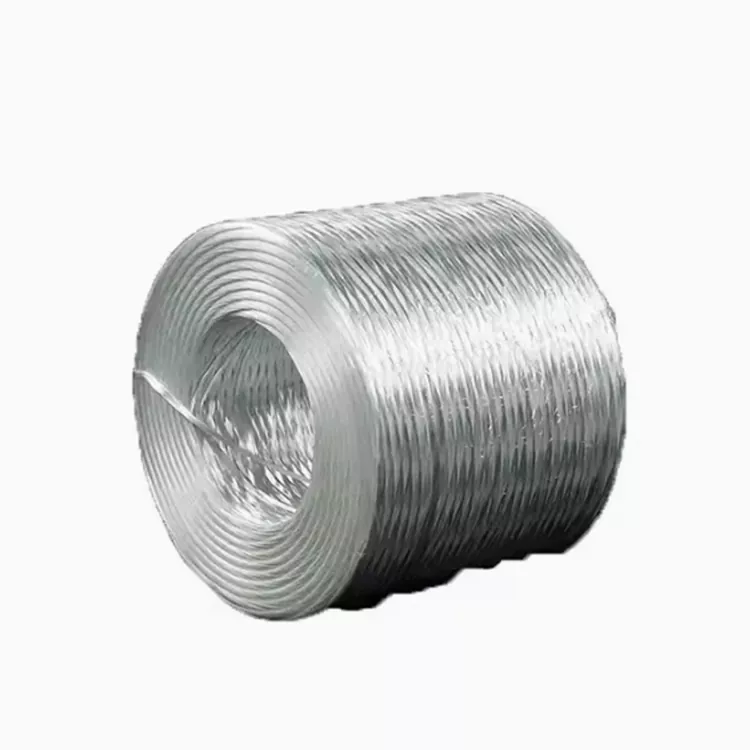
AR Fiberglass Spray-up Roving
Yuruis supplies AR Fiberglass Spray-up Roving for FRP manufacturers producing molded composite components through spray-up processes. The E-Glass reinforcement is supplied in a continuous roving form and can be matched with UP or VE resin systems. Typical applications include boat and marine parts, sanitary ware, tanks, automotive components and other fiberglass-reinforced products requiring flexible reinforcement supply during molding.
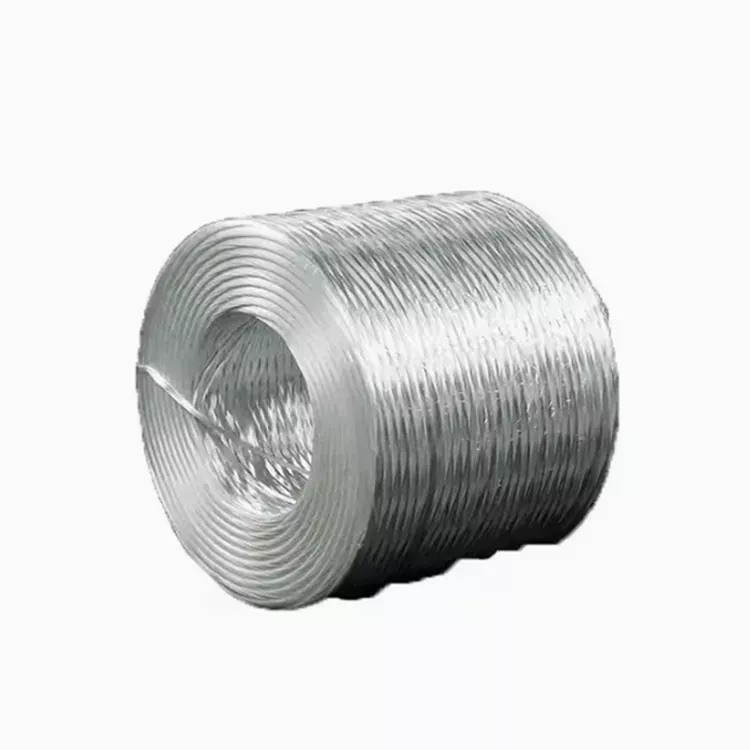
Sprayed Glass Fiber Roving
Yuruis Sprayed Glass Fiber Roving is an E-Glass, untwisted roving developed for spray-up molding of FRP products. The multi-strand construction is designed for continuous cutting through spray guns, with low static generation, good fiber dispersion and fast resin penetration during production. It is supplied for manufacturers of FRP boats, sanitary ware, storage tanks, automotive parts and other molded composite products.
Yuruis is a professional Fiberglass Yarn manufacturer and supplier in China. Welcome to import quality products from our factory here.
News Recommendations





