
English
- English
- Español
- Português
- русский
- Français
- 日本語
- Deutsch
- tiếng Việt
- Italiano
- Nederlands
- ภาษาไทย
- Polski
- 한국어
- Svenska
- magyar
- Malay
- বাংলা ভাষার
- Dansk
- Suomi
- हिन्दी
- Pilipino
- Türkçe
- Gaeilge
- العربية
- Indonesia
- Norsk
- تمل
- český
- ελληνικά
- український
- Javanese
- فارسی
- தமிழ்
- తెలుగు
- नेपाली
- Burmese
- български
- ລາວ
- Latine
- Қазақша
- Euskal
- Azərbaycan
- Slovenský jazyk
- Македонски
- Lietuvos
- Eesti Keel
- Română
- Slovenski
- मराठी
- Srpski језик

China High-Performance Fiberglass Surface Mat
Yuruis Fiberglass Surface Mat is a non-woven fiberglass reinforcement used as a surface layer in FRP and composite products. It is suitable for roofing, waterproofing, corrosion protection, thermal insulation systems, electrical insulation and other applications where the finished composite requires a suitable fiberglass surface layer.
The material should be selected according to the application, resin system, manufacturing process and surface requirements of the finished product. Yuruis supplies different specifications and can review material requirements based on the customer's production process and application conditions.
Surface Mat for FRP Surface Layers
The surface layer of an FRP product may be exposed to moisture, chemicals, temperature changes, weather and other operating conditions. A fiberglass surface mat can be incorporated into the laminate as a surface layer where the finished product requires specific surface or environmental characteristics.
Unlike structural reinforcement layers that are mainly selected for load-bearing requirements, surface mats are generally considered in relation to surface finish, laminate construction, resin compatibility and the operating environment. The required material should therefore be evaluated together with the resin system and finished-product requirements rather than selected only by area weight.
Surface Mat Selection by Application
| Application | Key Selection Considerations |
|---|---|
| Roofing and Waterproofing | Surface uniformity, moisture exposure and compatibility with the resin or coating system |
| Corrosion-Resistant Equipment | Surface layer requirements, chemical exposure and resin compatibility |
| Thermal Insulation Systems | Surface requirements, system construction and compatibility with the insulation system |
| Electrical Insulation | Electrical insulation requirements and compatibility with the resin or composite system |
| Other FRP Products | Surface finish, laminate structure, molding process and service conditions |
The appropriate specification depends on how the mat will be incorporated into the composite structure. For projects involving different reinforcement layers, the surface mat can be evaluated together with the structural reinforcement and resin system to determine the required material configuration.
Specifications and Customization
For production and purchasing, the specification should be confirmed according to the customer's process and equipment. Common requirements include area weight, width, mat construction, roll dimensions and packaging configuration.
| Parameter | Requirement to Confirm |
|---|---|
| Area Weight (GSM) | Required GSM for the intended application |
| Width | Required width according to the production line or application |
| Color | Specified color where applicable |
| Mat Construction | Required construction according to the intended application and processing method |
| Roll Dimensions | Required roll length and packaging configuration where applicable |
| Resin System | Resin used in the intended manufacturing process |
When requesting a quotation, customers can provide the required GSM, width, resin system, roll requirements, estimated quantity and application. These details help confirm whether the material specification is suitable for the intended production process.
Yuruis Fiberglass Surface Mat
Taizhou Yuruis New Materials Co., Ltd. develops and supplies fiberglass reinforcement materials for composite applications. The company provides fiberglass materials for customers in different markets and supports specification discussions based on application requirements, production processes and order quantities.
For a surface mat inquiry, customers can provide the application, resin system, required area weight, width, roll requirements and estimated order quantity. Yuruis can then review the specification and provide a corresponding product quotation.
FAQ
Is surface mat suitable for every FRP molding process?
Not necessarily. Suitability depends on the mat specification, resin system, molding method and finished-product requirements. The material should be confirmed according to the actual manufacturing process.
How is surface mat different from chopped strand mat?
Surface mat is generally used as a surface layer, while chopped strand mat is commonly used as a reinforcement layer in FRP laminate construction. Their fiber structure, area weight and intended position within the laminate can differ, so they should be selected according to their respective functions.
Can surface mat be combined with other fiberglass reinforcements?
Yes. Different fiberglass reinforcements can be used in the same laminate when the product structure requires different reinforcement layers. The combination should be evaluated according to the resin system, molding process and required laminate construction.
What information should I provide when requesting a quotation?
Provide the intended application, resin system, required GSM, width, roll or packaging requirements, estimated quantity and any specific production conditions. If a customized specification is required, drawings or existing material specifications can also be provided for review.
- View as
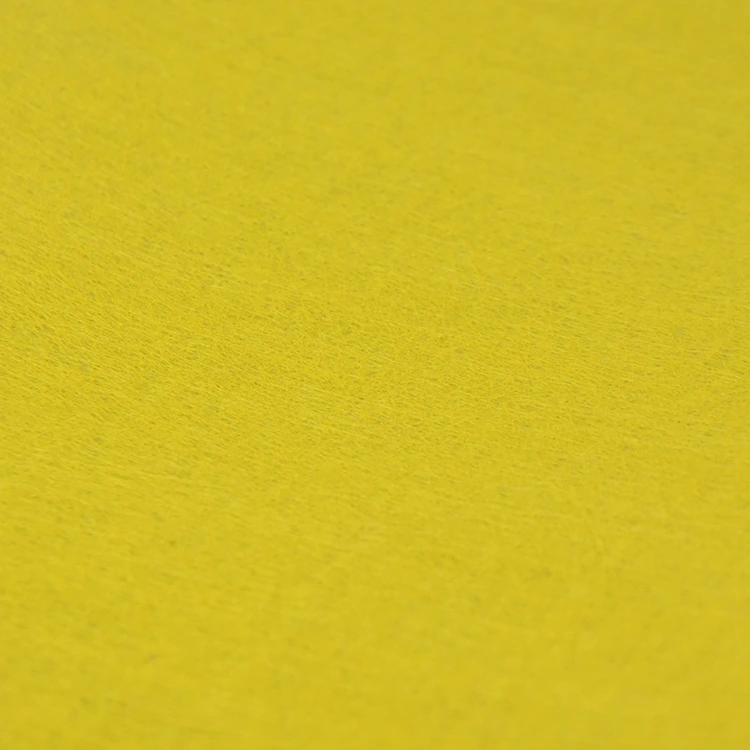
Custom-Colored Fiberglass Mat
Custom-Colored Fiberglass Mat uses E-Glass chopped strands with a powder binder to form a non-woven reinforcement layer for FRP and composite production. Yuruis supplies a 300 g/m² specification with options for customized color, width, roll length, and area weight, allowing manufacturers and purchasing teams to match the mat with different molding processes, component sizes, and surface appearance requirements.
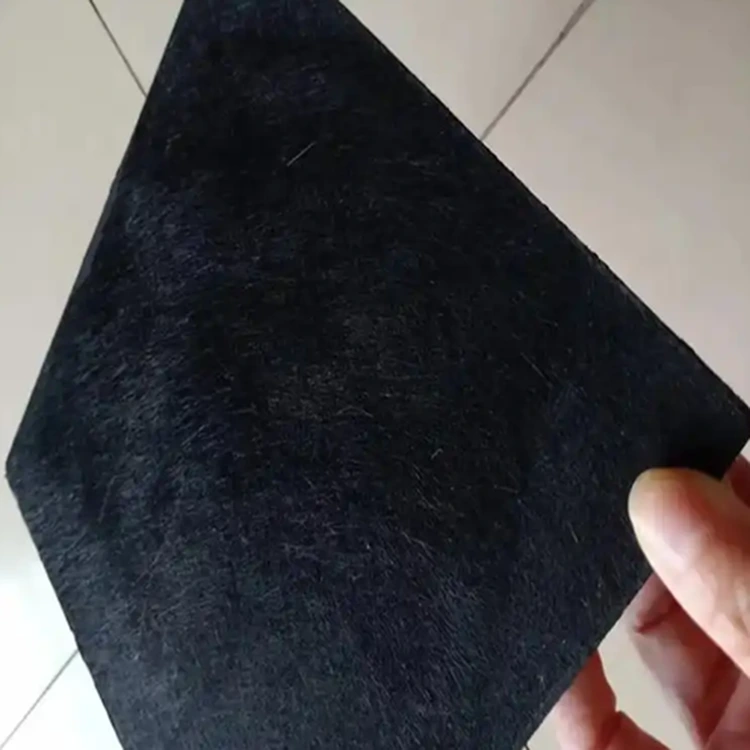
Black Fiberglass Mat for Building Thermal Insulation
Black Fiberglass Mat for Building Thermal Insulation is made from E-Glass chopped strands and can be used in insulation boards, roofing materials, waterproofing systems, and other composite building products. Yuruis supplies different mat weights and production specifications for manufacturers and purchasing teams, with the material serving as a facing, reinforcement, or protective layer according to the structure and processing requirements of the finished product.
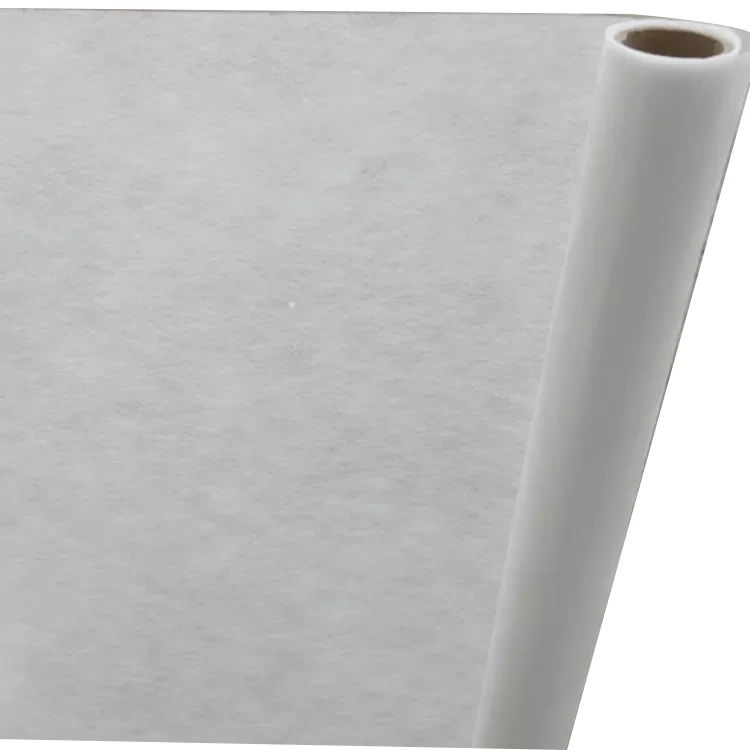
Fiberglass Roofing Mat
Fiberglass Roofing Mat uses randomly distributed E-Glass fibers to form a flexible reinforcement layer with good resin wet-out. It is suitable for FRP molding, hand lay-up and other composite processing methods, with common specifications available for different production requirements. Yuruis supports bulk supply for roofing and composite manufacturers.
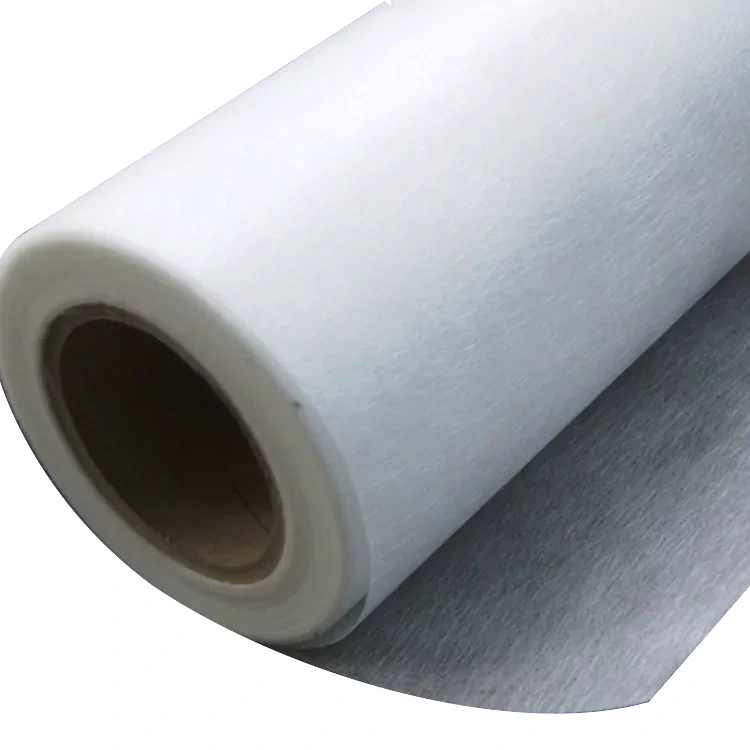
High-Strength Fiberglass Chopped Strand Mat
Yuruis High-Strength Fiberglass Chopped Strand Mat is an E-glass reinforcement material made from chopped fiberglass strands randomly distributed and bonded into a uniform mat. Designed for FRP manufacturing, it combines a stable fiber structure with good softness and resin compatibility, helping manufacturers build reinforced composite structures with consistent material distribution.
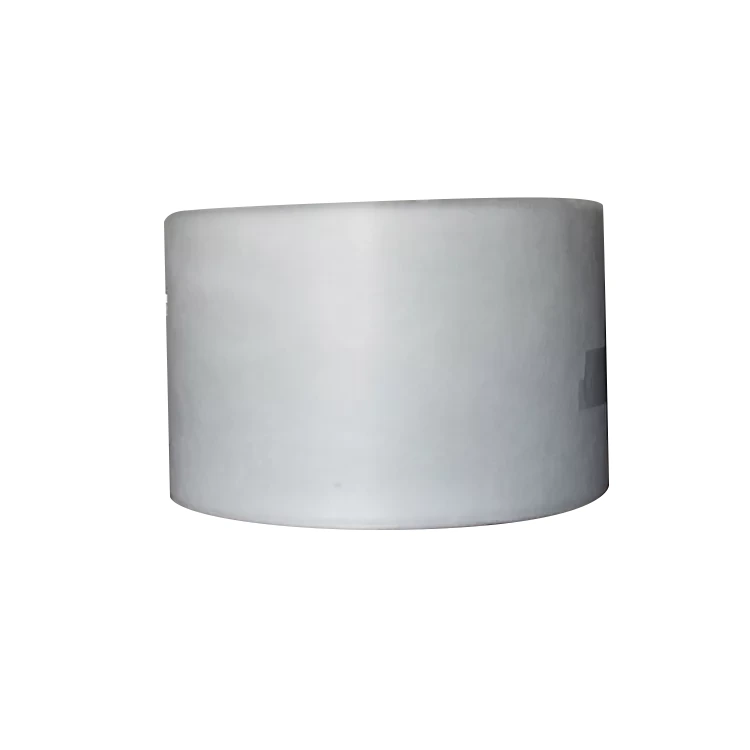
Fire-Resistant Fiberglass Insulation Mat
Yuruis Fire-Resistant Fiberglass Insulation Mat combines lightweight E-Glass construction, flexible handling and efficient resin wet-out, providing a practical material option for industrial insulation and composite manufacturers seeking consistent fiberglass reinforcement from a China supplier.
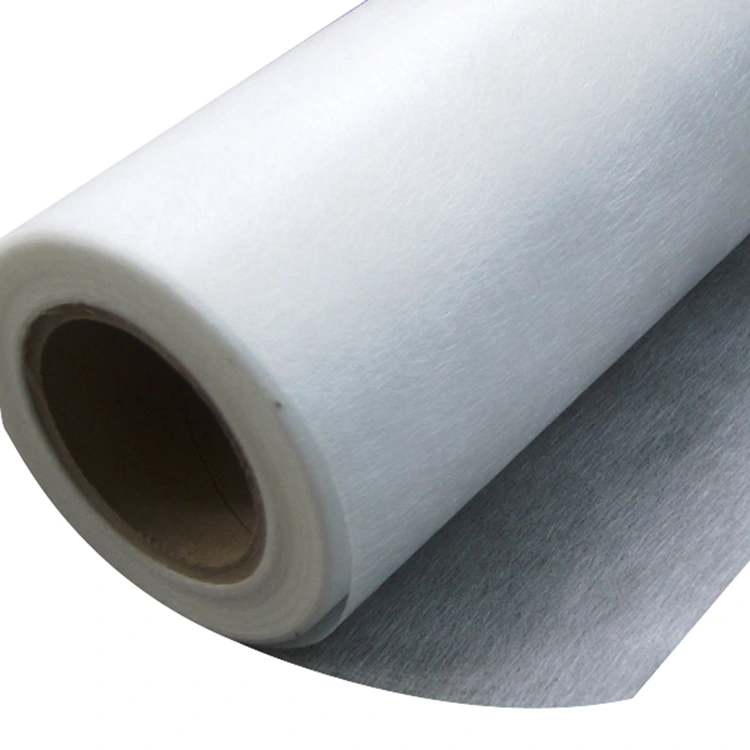
Glass Fiber Felt for FRP Corrosion Protection
In FRP tanks, pipes and chemical-processing equipment, the surface layer facing the corrosive medium plays an important role in protecting the structural laminate. Yuruis Glass Fiber Felt for FRP Corrosion Protection is designed for this application, combining with a compatible resin to form a continuous, resin-rich surface layer. It is suitable for FRP manufacturers producing chemical tanks, process piping, scrubbers, ducts, wastewater equipment and other corrosion-resistant composite structures.
Yuruis is a professional Fiberglass Surface Mat manufacturer and supplier in China. Welcome to import quality products from our factory here.
News Recommendations





