
English
- English
- Español
- Português
- русский
- Français
- 日本語
- Deutsch
- tiếng Việt
- Italiano
- Nederlands
- ภาษาไทย
- Polski
- 한국어
- Svenska
- magyar
- Malay
- বাংলা ভাষার
- Dansk
- Suomi
- हिन्दी
- Pilipino
- Türkçe
- Gaeilge
- العربية
- Indonesia
- Norsk
- تمل
- český
- ελληνικά
- український
- Javanese
- فارسی
- தமிழ்
- తెలుగు
- नेपाली
- Burmese
- български
- ລາວ
- Latine
- Қазақша
- Euskal
- Azərbaycan
- Slovenský jazyk
- Македонски
- Lietuvos
- Eesti Keel
- Română
- Slovenski
- मराठी
- Srpski језик

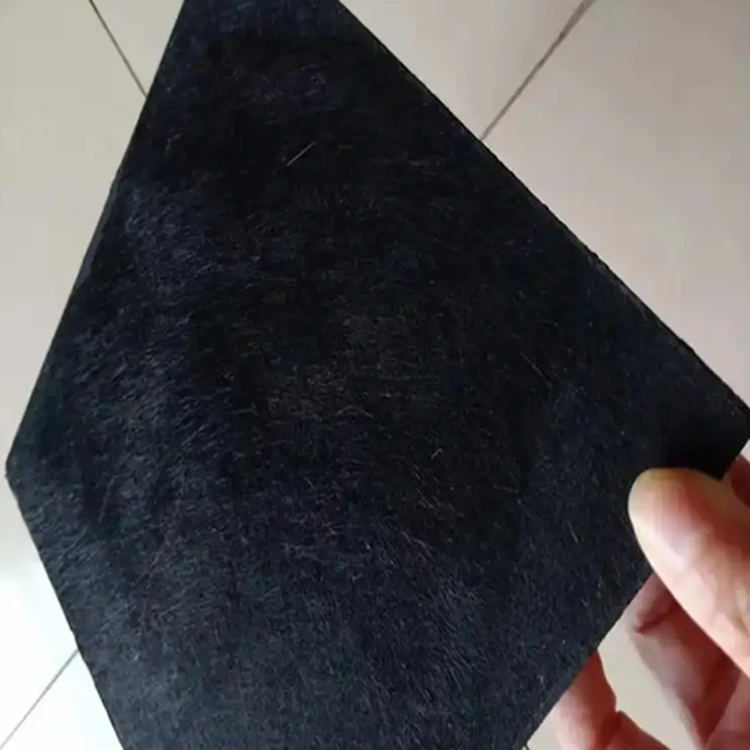
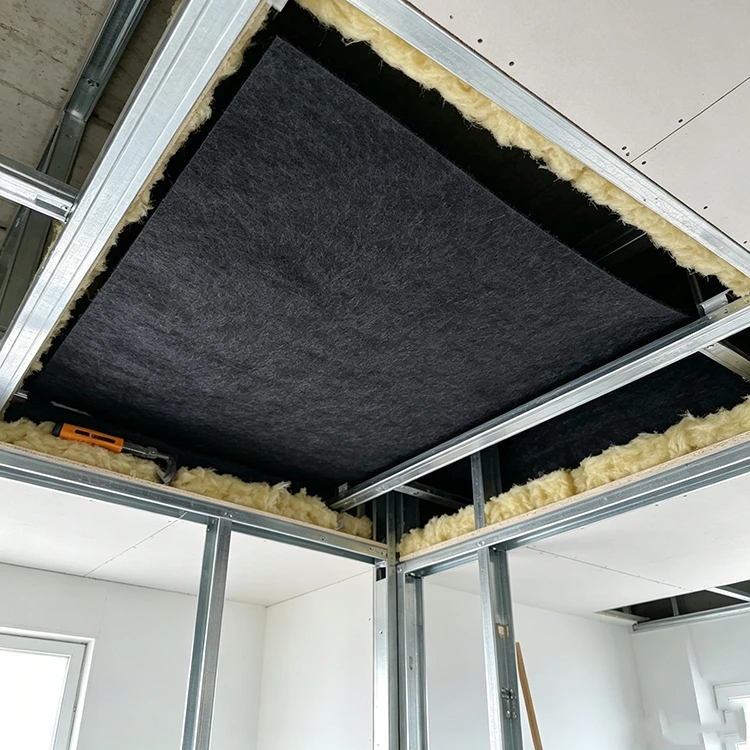
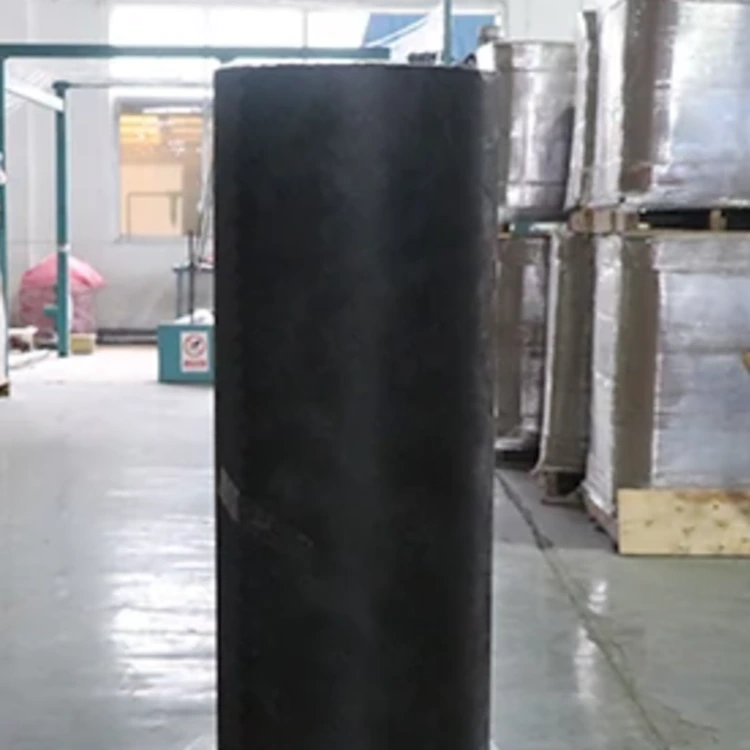
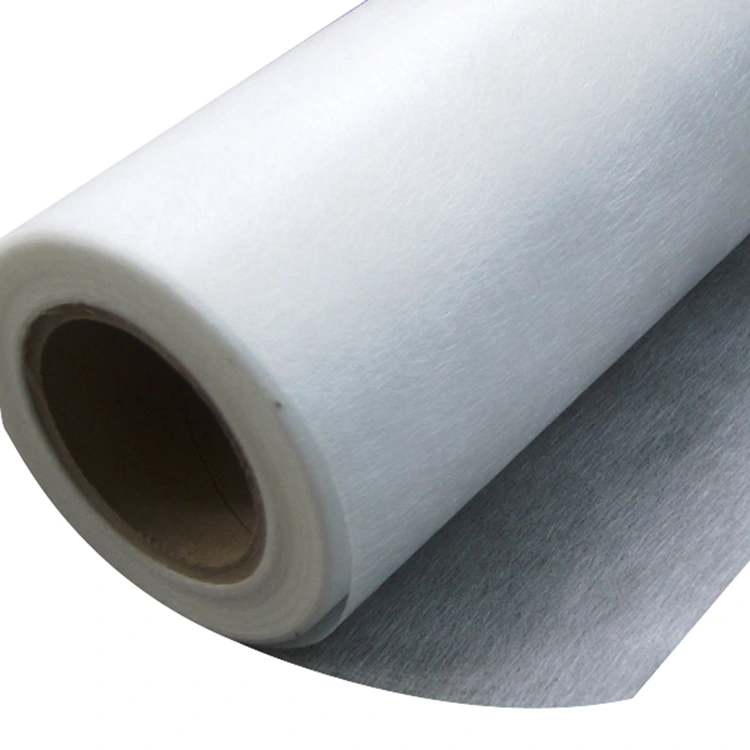
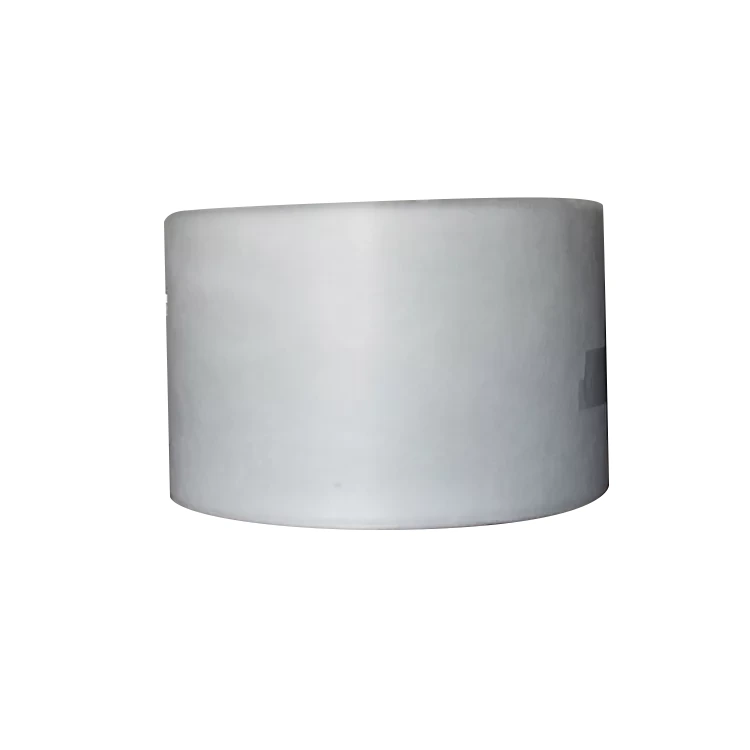
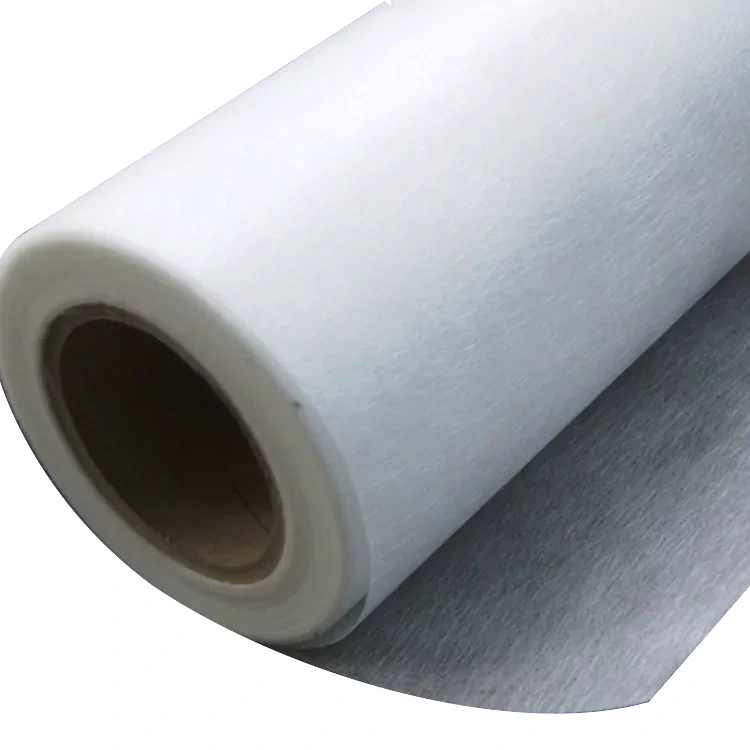
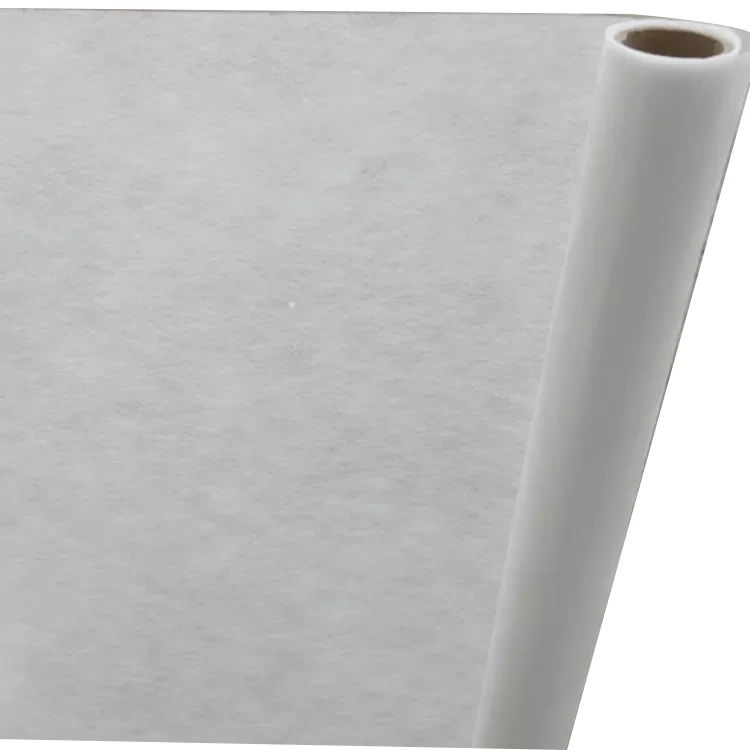
Black Fiberglass Mat for Building Thermal Insulation
Black Fiberglass Mat for Building Thermal Insulation is made from E-Glass chopped strands and can be used in insulation boards, roofing materials, waterproofing systems, and other composite building products. Yuruis supplies different mat weights and production specifications for manufacturers and purchasing teams, with the material serving as a facing, reinforcement, or protective layer according to the structure and processing requirements of the finished product.
Black Fiberglass Mat for Building Thermal Insulation is a lightweight chopped strand fiberglass mat made from randomly distributed E-Glass fibers and formed into a continuous nonwoven sheet with binder. The black finish provides a consistent surface appearance, while the fiberglass structure can be incorporated into insulation boards, roofing materials, waterproofing systems and other composite building products. Yuruis supplies conventional 30 g/m² and 50 g/m² grades, with the binder content, tensile strength and processing method considered when matching the mat to a specific production process.
For manufacturers, the selection is not determined by color or basis weight alone. Fiber distribution, moisture content, binder level, longitudinal tensile strength, roll width and processing method can all influence how the mat behaves during production. A suitable specification should therefore be matched to the construction of the finished material, whether the fiberglass layer is used as a facing, reinforcement or protective component.
This type of fiberglass mat is particularly relevant where a thin and uniform glass-fiber layer is needed without making the fiberglass itself the main thermal insulation core. It can be combined with insulation materials, coatings, binders, resins or other facing layers according to the design of the finished building product.
Where Black Fiberglass Mat Is Used in Building Insulation
In thermal insulation products, the fiberglass mat normally works as part of a multilayer construction rather than as the material responsible for the main insulation effect. Its function depends on the finished product and may include providing surface reinforcement, supporting dimensional stability or creating a suitable layer between the insulation core and an external coating or protective material.
For example:
Insulation board → Fiberglass facing → Protective / waterproofing layer
or
Composite building panel → Fiberglass reinforcement → Surface coating
This structure makes the mat suitable for a range of building-material processes in which the fiberglass layer needs to remain lightweight while providing a consistent substrate for subsequent lamination, coating or bonding.
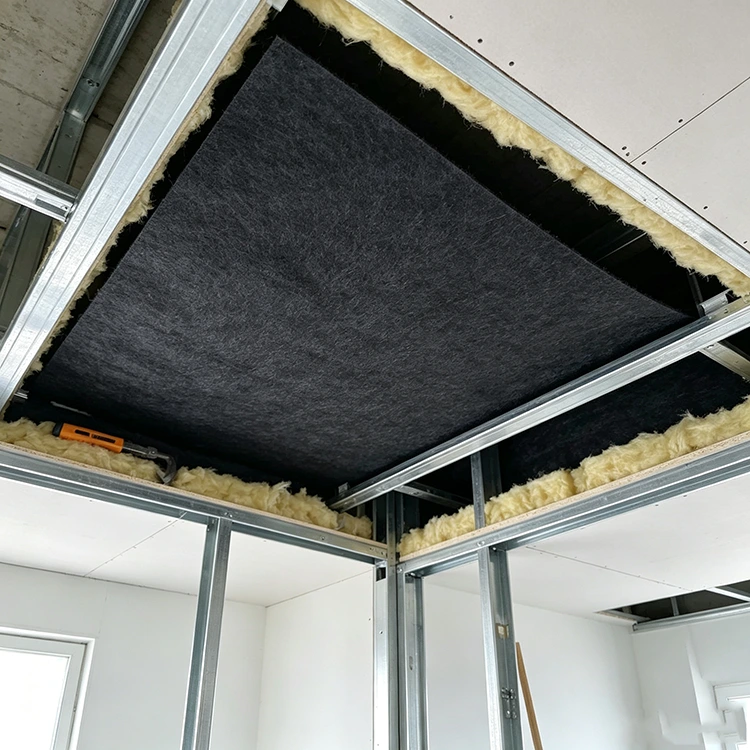
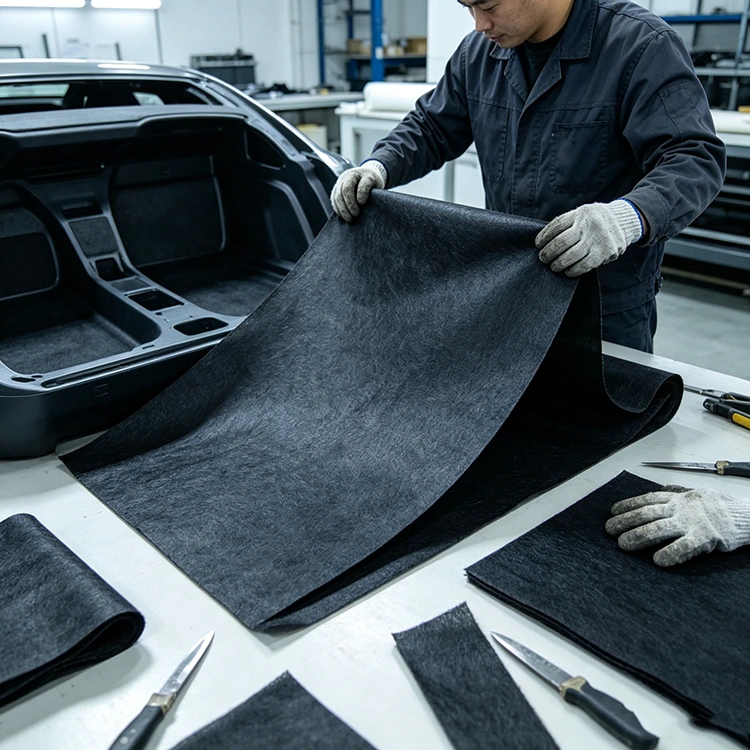
Choosing the Right Mat Weight for Production
When selecting a fiberglass mat for building insulation, 30 g/m² and 50 g/m² represent different material-loading levels, but GSM should not be considered independently from the production method. A lighter mat may be appropriate where a thin facing layer and lower material consumption are required, while a heavier grade can provide a more substantial reinforcement layer and higher handling strength.
The following specifications can be used as a starting point when evaluating the material:
|
Production Requirement |
Suggested Direction |
|
Lightweight facing layer |
30 g/m² |
|
Lower material consumption |
30 g/m² |
|
More substantial surface reinforcement |
50 g/m² |
|
Higher handling strength |
50 g/m² |
|
Continuous / winding production |
S-SM series |
|
Hand-paste production |
S-HM series |
These recommendations are intended for initial specification matching rather than as universal selection rules. The required binder system, line speed, forming method, lamination structure and handling conditions should be considered before confirming the final grade.
Technical Specifications and Grade Differences
The available grades differ not only in area weight but also in binder content and longitudinal tensile strength. These differences can affect the way the mat is handled, fed, laminated or positioned during manufacturing, which is why the production method should be identified before placing a bulk order.
|
Product Code |
Fiber |
Weight |
Binder Content |
Longitudinal Tensile Strength |
Moisture |
|
S-SM 30 |
E-Glass |
30 g/m² |
6.0% |
≥25 N/5 cm |
≤0.2% |
|
S-SM 50 |
E-Glass |
50 g/m² |
6.0% |
≥40 N/5 cm |
≤0.2% |
|
S-HM 30 |
E-Glass |
30 g/m² |
7.0% |
≥20 N/5 cm |
≤0.2% |
|
S-HM 50 |
E-Glass |
50 g/m² |
6.0% |
≥30 N/5 cm |
≤0.2% |
How the Fiberglass Layer Functions in the Finished Product
The role of a fiberglass surface mat depends on how it is combined with the other layers of a building material. In an insulation board, for example, it may provide a reinforcing or facing layer, while in roofing and waterproofing products it can form part of a coated or laminated structure. The same E-Glass reinforcement therefore can serve different purposes depending on the binder, coating, core material and manufacturing process.
Depending on the finished construction, the fiberglass layer can contribute to:
· Surface reinforcement
· Dimensional stability
· Surface protection
· Moisture resistance
· Weather resistance
· Aging resistance
· Fire-retardant performance
These properties should not be interpreted as standalone performance ratings for the mat. The actual thermal, fire, waterproofing and weathering performance must be evaluated on the finished building product, because the complete formulation and layer structure determine the final result.
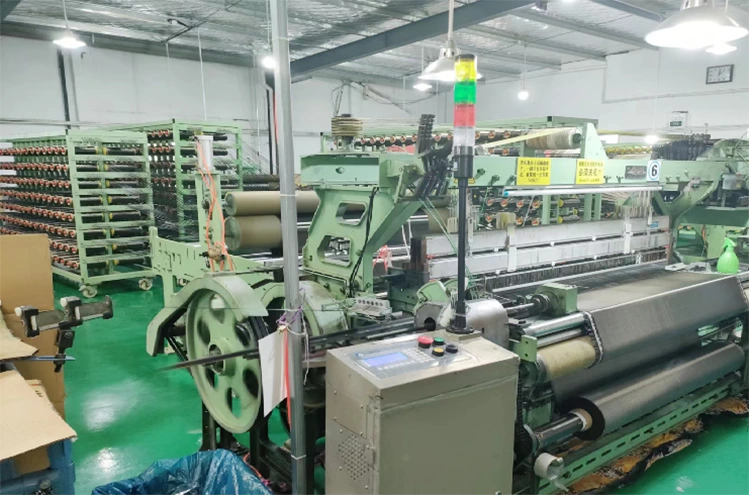
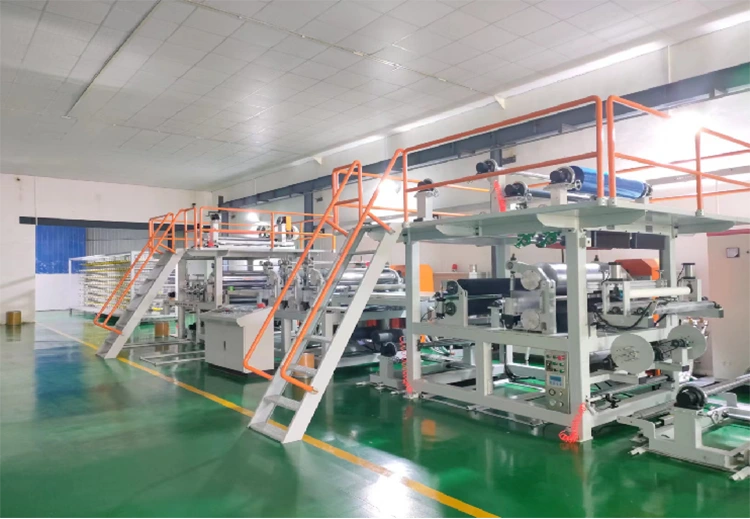
Applications in Building and Composite Materials
The Black Fiberglass Mat for Building Thermal Insulation is mainly supplied for manufacturing processes that require a lightweight fiberglass facing or reinforcement layer. Depending on the product structure, typical applications include insulation boards, roof insulation materials, waterproofing systems and composite building panels, as well as selected FRP and protective facing products.
Thermal insulation boards
Roof insulation materials
Waterproofing systems
Composite building panels
FRP building products
Protective facing materials
Gypsum board protection applications
These applications share a similar requirement: the fiberglass layer needs to be compatible with the surrounding material system and stable enough for the intended manufacturing process. The appropriate specification should therefore be confirmed from the actual construction rather than selected only by application name.
Custom Specifications for Different Production Lines
Although 30 g/m² and 50 g/m² are conventional specifications, the required fiberglass mat can vary according to line configuration, finished-product thickness, binder system and roll-handling requirements. For OEM and project-based production, matching the material to an existing specification can be more practical than changing the formulation around a standard grade.
For specification matching, we normally confirm:
· Required gram weight
· Roll width
· Production method
· Binder or resin system
· Finished product structure
· Expected order quantity
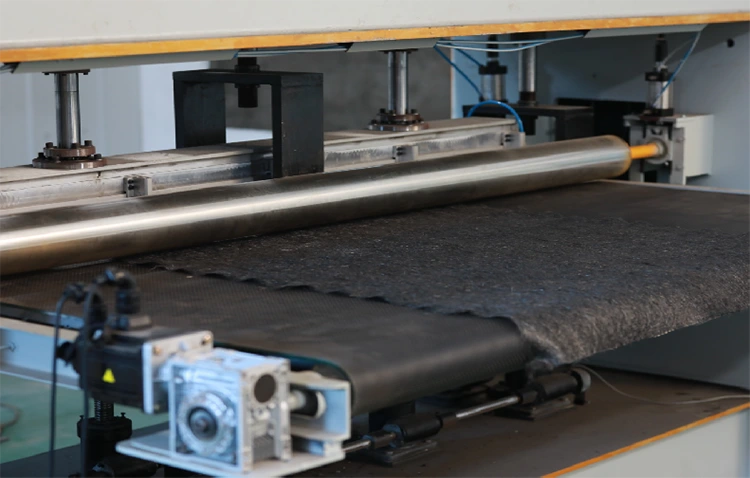
Our standard width is 1 meter, with customized specifications available.
FAQ
1. What is Black Fiberglass Mat for Building Thermal Insulation?
It is a lightweight chopped strand fiberglass mat made from randomly distributed E-Glass fibers and formed with binder into a continuous nonwoven sheet. In building insulation products, it is generally used as a facing, reinforcing or protective layer rather than as the main thermal insulation core.
2. What weights are available for this fiberglass mat?
The conventional specifications are 30 g/m² and 50 g/m². The appropriate weight depends on the required surface structure, handling strength, production method and material consumption, while customized weights can be discussed for specific production requirements.
3. What is the difference between S-SM and S-HM?
S-SM grades are intended for continuous or winding-type production, while S-HM grades are intended for hand-paste processing. Their binder content and longitudinal tensile strength are also different, so the processing method should be confirmed before selecting the specification.
4. Can black fiberglass mat be used for roofing and waterproofing materials?
Yes. It can be incorporated into selected roofing, waterproofing and protective building-material systems where a fiberglass surface or reinforcement layer is required. The final waterproofing and weathering performance depends on the coating, binder, resin and complete product construction.
5. Can Yuruis customize the weight and width?
Yes. In addition to the conventional 30 g/m² and 50 g/m² grades, Yuruis can discuss customized area weight and roll specifications according to the production line and finished-product requirements. A required width, weight, processing method and estimated quantity will help with specification matching.
6. What information should be provided for a quotation?
For an accurate quotation, provide the intended application, required GSM, roll width, production method, estimated order quantity and finished-product structure. If the mat is being used as a replacement material, existing technical data, a product specification or a sample can also help determine the closest available grade.
Send Inquiry
Contact Info
-
Address
No. 18, Fuyuan Road, Dalun Town Industrial Concentration Zone, Jiangyan District, Taizhou City, Jiangsu Province, China
-
Tel
-
Email
Send your requirements to Yuruis for carbon fiber materials, FRP grating or fiberglass materials. Include product specifications, dimensions, quantity, application or other requirements so our team can review the details and respond accordingly.

News Recommendations





