
English
- English
- Español
- Português
- русский
- Français
- 日本語
- Deutsch
- tiếng Việt
- Italiano
- Nederlands
- ภาษาไทย
- Polski
- 한국어
- Svenska
- magyar
- Malay
- বাংলা ভাষার
- Dansk
- Suomi
- हिन्दी
- Pilipino
- Türkçe
- Gaeilge
- العربية
- Indonesia
- Norsk
- تمل
- český
- ελληνικά
- український
- Javanese
- فارسی
- தமிழ்
- తెలుగు
- नेपाली
- Burmese
- български
- ລາວ
- Latine
- Қазақша
- Euskal
- Azərbaycan
- Slovenský jazyk
- Македонски
- Lietuvos
- Eesti Keel
- Română
- Slovenski
- मराठी
- Srpski језик

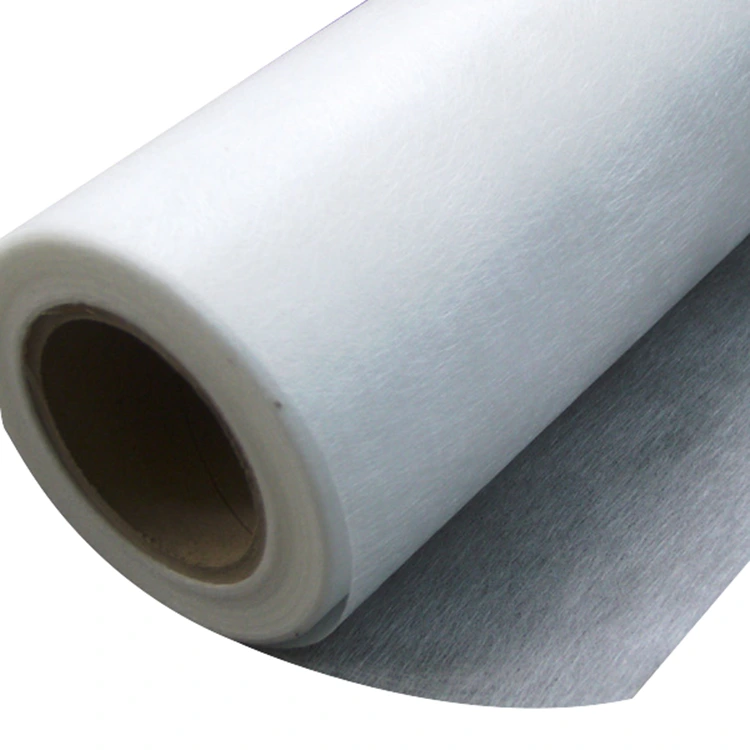
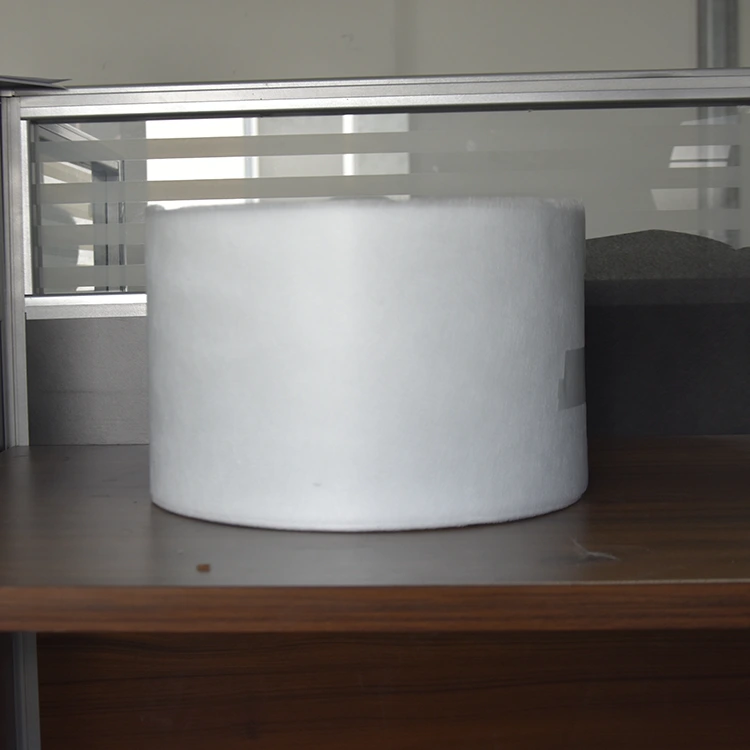
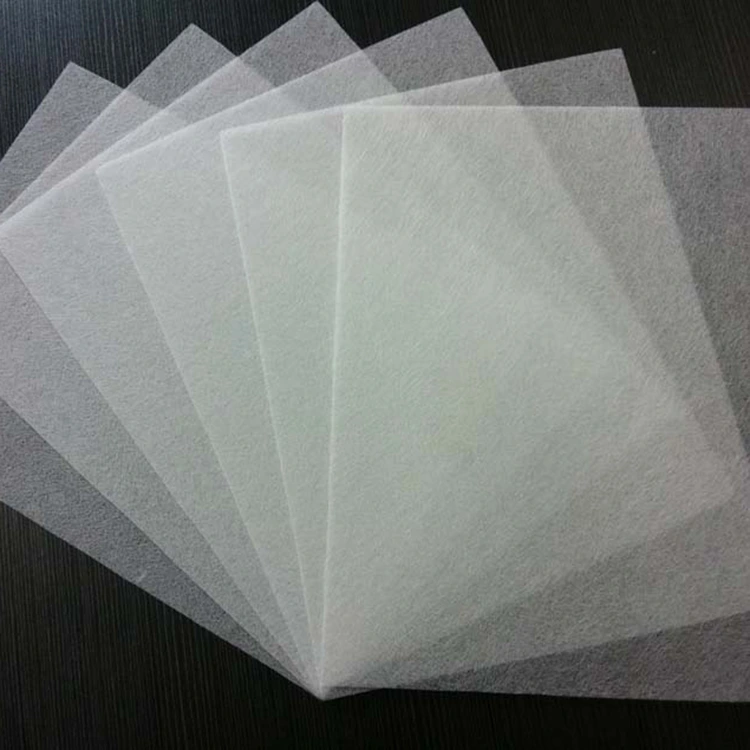
Glass Fiber Felt for FRP Corrosion Protection
In FRP tanks, pipes and chemical-processing equipment, the surface layer facing the corrosive medium plays an important role in protecting the structural laminate. Yuruis Glass Fiber Felt for FRP Corrosion Protection is designed for this application, combining with a compatible resin to form a continuous, resin-rich surface layer. It is suitable for FRP manufacturers producing chemical tanks, process piping, scrubbers, ducts, wastewater equipment and other corrosion-resistant composite structures.
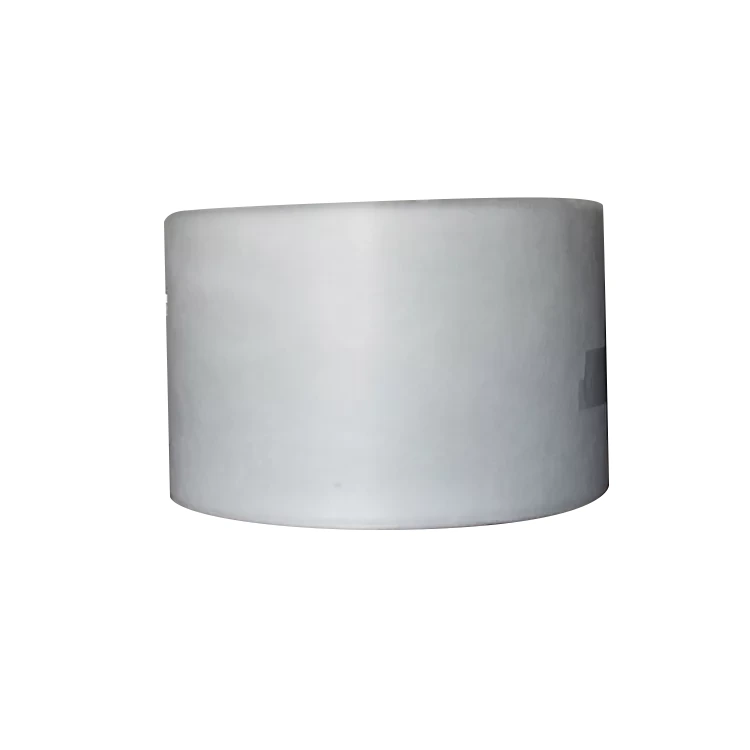
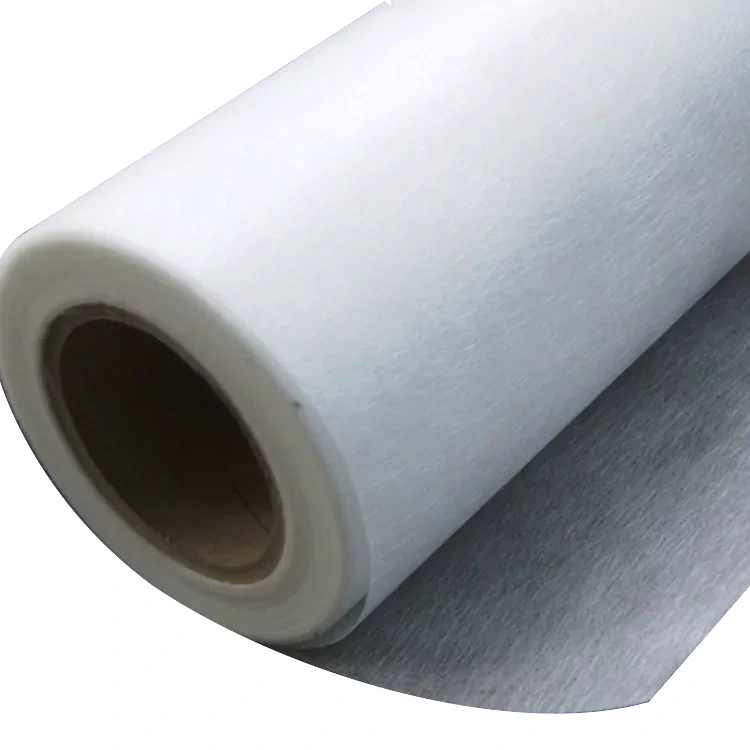
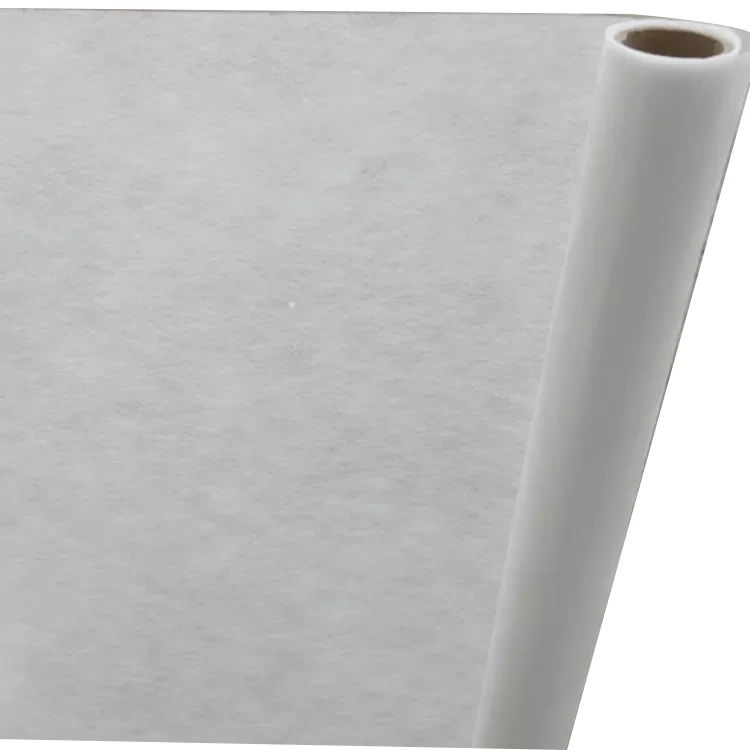
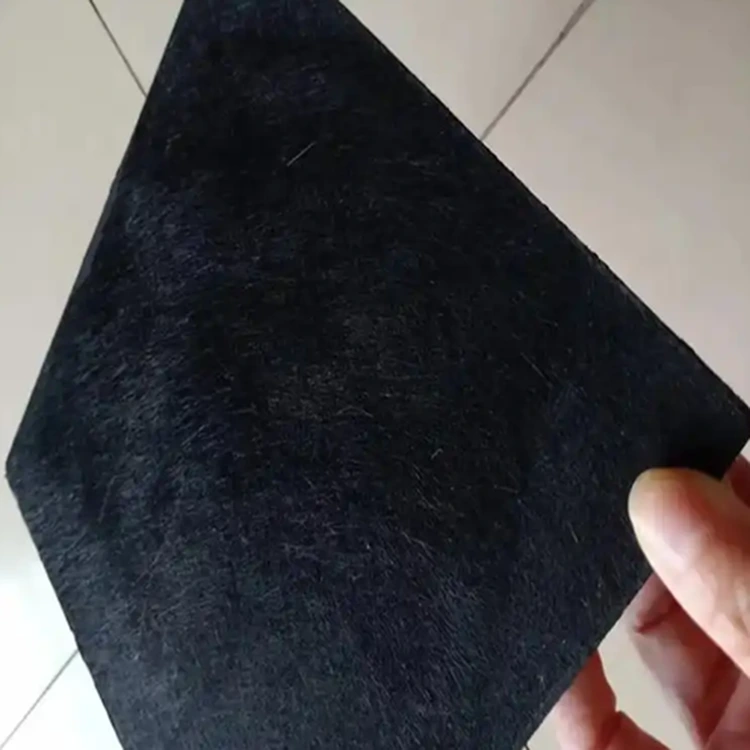
Glass Fiber Felt for FRP Corrosion Protection is a non-woven glass fiber surface material used in the inner layer of FRP tanks, pipes, ducts and other composite structures. It is placed near the service side of the laminate and impregnated with resin to form a fine surface layer above the main structural reinforcement.
Unlike structural fiberglass reinforcement, the felt is mainly used for surface construction. Its function is related to fiber distribution, resin impregnation and surface coverage rather than carrying the main mechanical load of the FRP structure.
The required material depends on the resin system, part geometry, manufacturing method and service medium. Areal weight, width, thickness and roll dimensions can then be specified around the actual production process.
How the Surface Layer Fits the FRP Structure
An FRP component can contain several reinforcement layers. The structural layers provide most of the laminate thickness, while a surface felt is positioned closer to the side exposed to chemicals, wastewater or process fluids.
The non-woven fiber structure provides a fine layer for resin impregnation. After lamination, the surface construction is formed by the combination of the glass fiber material and the selected resin rather than by the felt alone.
This is why a surface felt should not be selected as a direct substitute for every type of chopped strand mat. The two materials can occupy different positions within the same laminate and serve different manufacturing purposes.
Surface Felt and Structural Mat Have Different Roles
Chopped strand mat is commonly used as a reinforcement layer within the FRP laminate. A surface felt or veil is used closer to the finished surface, where a finer and more distributed fiber layer is required.
In a chemical storage tank, for example, the inner surface may contain a resin-rich layer supported by surface material, followed by structural reinforcement that provides the required laminate thickness. The exact layer sequence depends on the product design and manufacturing process.
This distinction is important when replacing an existing material. A specification that only identifies the product as “fiberglass mat” does not necessarily define the required surface construction.

What to Check During Lamination
Resin Wet-Out
The glass fibers need to be impregnated by the resin during lamination. The wet-out condition affects how consistently the surface layer is formed and should be checked together with the selected resin and production method.
Fiber Distribution
Because the material is used close to the finished surface, an even fiber distribution is important for maintaining a consistent layer during processing.
Conformability
FRP equipment may contain cylindrical walls, curved sections, corners and transitions. The felt needs to be positioned over these areas without interfering with the intended laminate sequence.
Resin System
Polyester, vinyl ester, epoxy and other resin systems have different processing and curing characteristics. The felt should therefore be evaluated with the resin actually used in production rather than specified independently.
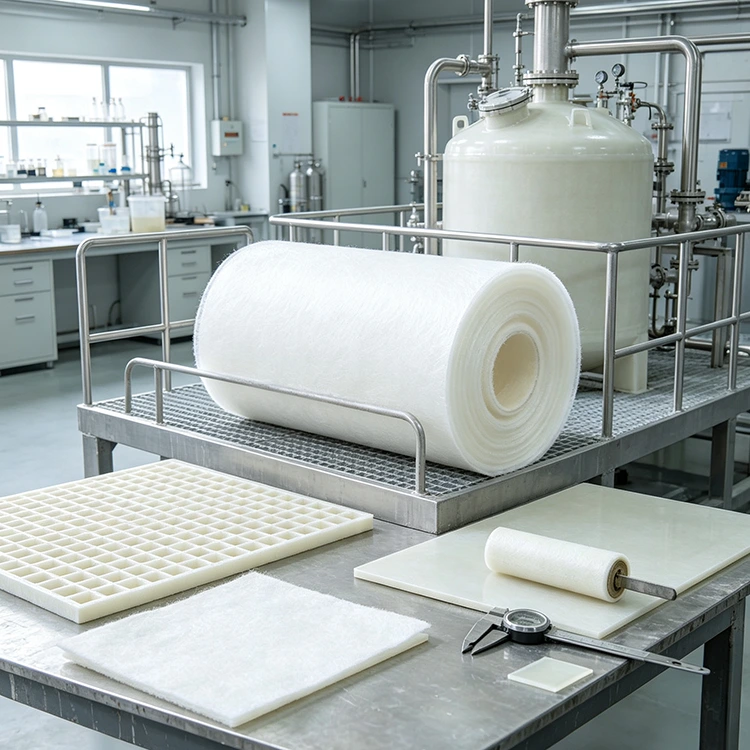
Typical FRP Applications
|
FRP Product |
Where the Glass Fiber Felt Is Used |
What the Manufacturer Usually Needs |
|
Chemical Storage Tanks |
Inner corrosion-resistant surface |
A consistent surface layer that works with the selected resin and protects the structural laminate from direct chemical exposure |
|
FRP Pipes |
Inner wall of corrosion-resistant pipe |
Good coverage on the pipe surface and compatibility with the pipe's resin system |
|
FRP Ducts |
Gas-contact or chemical-contact surface |
Conformability around curved sections and a resin-rich surface layer |
|
Chemical Scrubbers |
Internal corrosion barrier |
A suitable surface layer for contact with corrosive gas, condensate or chemical liquid |
|
Process Vessels |
Internal surface of the vessel |
Surface protection matched to the chemical medium and operating conditions |
|
FRP Linings |
Between the service environment and structural laminate |
A workable surface material for building a continuous resin-rich lining |
|
Wastewater Equipment |
Liquid-contact surface |
Material suitable for the selected resin and wastewater service conditions |
Material Selection for Corrosive Service
Glass Fiber Felt for FRP Corrosion Protection works as part of a resin-based surface construction. The chemical resistance of the finished FRP component is therefore closely related to the resin system and the service environment.
The chemical medium should be identified before the material is finalized. Acid, alkali, salt water, wastewater and chemical gases can impose different requirements on the resin and laminate.
Operating temperature and manufacturing method are also relevant. A resin system used for one service condition may not be suitable when the temperature or chemical exposure changes.
The surface felt, resin and structural reinforcement should therefore be considered as one laminate system during material selection.

Specification
|
Specification |
Available Options |
|
Product |
Glass Fiber Felt for FRP Corrosion Protection |
|
Material |
Glass Fiber |
|
Product Form |
Non-Woven Surface Felt / Veil |
|
Application |
FRP Corrosion Protection |
|
Areal Weight |
Available according to requirement |
|
Width |
Standard and customized options |
|
Thickness |
Available according to specification |
|
Length |
Customer requirement |
|
Roll Size |
Discussed according to production |
|
Resin Compatibility |
To be matched with customer's resin system |
|
Application |
Tanks, Pipes, Ducts, Scrubbers, FRP Linings |
|
Customization |
Available |
|
Packaging |
According to shipping requirement |
|
Origin |
Taizhou, Jiangsu Province, China |
|
Brand |
Yuruis |
Information to Confirm Before Ordering
For a quotation, the following information is useful for defining the surface material and checking its suitability for the existing FRP process.
FRP Product
Tank, pipe, duct, scrubber, lining or another composite component.
Service Medium
Acid, alkali, salt water, wastewater, chemical gas or another process medium.
Resin System
Polyester, vinyl ester, epoxy or another resin system used in the laminate.
Manufacturing Method
Hand lay-up, filament winding, vacuum-assisted processing or another production method.
Material Dimensions
Required areal weight, width, thickness, length and roll size where these dimensions have already been defined.
An existing material specification or sample is also useful when the felt is intended to replace a current product.

FAQ
What is Glass Fiber Felt for FRP Corrosion Protection used for?
It is used as a non-woven surface material in selected corrosion-resistant FRP structures, including tanks, pipes, ducts, scrubbers and FRP linings.
Is surface felt the same as chopped strand mat?
No. Chopped strand mat is commonly used as a reinforcement layer within an FRP laminate, while surface felt or veil is positioned closer to the exposed surface and is selected for surface-layer construction.
Can it be used inside FRP chemical storage tanks?
It can be used in the inner surface construction of suitable FRP chemical storage tanks when the selected resin and laminate are appropriate for the service conditions.
Can it be used inside FRP pipes?
Yes. It can be incorporated into the inner layer of selected FRP pipe constructions. The material should be matched to the pipe process and the transported medium.
Which resin systems can be used with the felt?
Polyester, vinyl ester, epoxy and other resin systems may be considered. The appropriate combination depends on the actual formulation, curing process and service environment.
Can the width and weight be customized?
Yes. Areal weight, width, thickness and length can be specified according to the production requirement.
What information should I provide for a quotation?
Provide the application, required width and weight, resin system, manufacturing method, chemical medium and approximate order quantity. An existing product specification or sample can also be provided for replacement projects.
Can samples be provided before bulk production?
Sample requirements can be discussed before regular production so the material can be checked with the customer's resin and FRP process.
Specify the Surface Material for Your FRP Process
For an FRP tank, pipe, scrubber or lining project, provide the application, service medium, resin system, manufacturing method and required material dimensions. Yuruis can then review the Glass Fiber Felt for FRP Corrosion Protection specification against the intended laminate construction.
Send Inquiry
Contact Info
-
Address
No. 18, Fuyuan Road, Dalun Town Industrial Concentration Zone, Jiangyan District, Taizhou City, Jiangsu Province, China
-
Tel
-
Email
Send your requirements to Yuruis for carbon fiber materials, FRP grating or fiberglass materials. Include product specifications, dimensions, quantity, application or other requirements so our team can review the details and respond accordingly.

News Recommendations





