English
- English
- Español
- Português
- русский
- Français
- 日本語
- Deutsch
- tiếng Việt
- Italiano
- Nederlands
- ภาษาไทย
- Polski
- 한국어
- Svenska
- magyar
- Malay
- বাংলা ভাষার
- Dansk
- Suomi
- हिन्दी
- Pilipino
- Türkçe
- Gaeilge
- العربية
- Indonesia
- Norsk
- تمل
- český
- ελληνικά
- український
- Javanese
- فارسی
- தமிழ்
- తెలుగు
- नेपाली
- Burmese
- български
- ລາວ
- Latine
- Қазақша
- Euskal
- Azərbaycan
- Slovenský jazyk
- Македонски
- Lietuvos
- Eesti Keel
- Română
- Slovenski
- मराठी
- Srpski језик

How Can Custom Fiberglass Chopped Strand Mat Improve the Quality and Efficiency of FRP Manufacturing
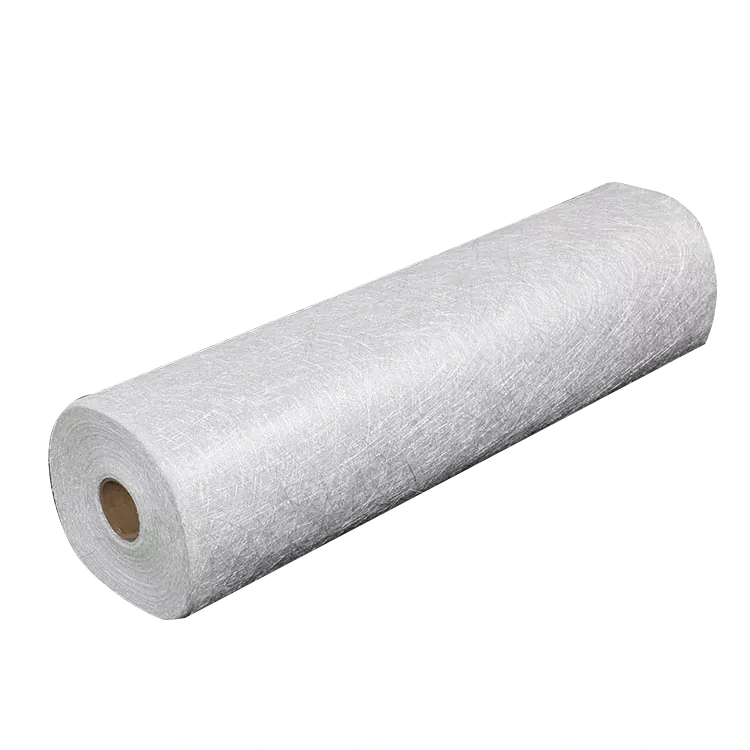
In modern composite manufacturing, selecting the right reinforcement material is essential for achieving consistent laminate quality, reliable mechanical performance, and efficient production. Yuruis provides Custom Fiberglass Chopped Strand Mat designed to meet different industrial requirements, offering adjustable area weights, widths, and roll configurations for a wide range of fiber-reinforced plastic (FRP) applications. With flexible specifications and factory-based production, manufacturers can select reinforcement materials that better match their molding processes and finished product designs.
Article Summary: Custom fiberglass chopped strand mat is a nonwoven reinforcement material made from randomly distributed chopped glass fibers bonded with powder or emulsion binders. It is widely used in FRP panels, chemical storage tanks, pipes, marine components, cooling towers, and industrial molded products. This guide explains its structure, technical specifications, customization options, manufacturing applications, and the key factors buyers should consider when selecting a reliable supplier.
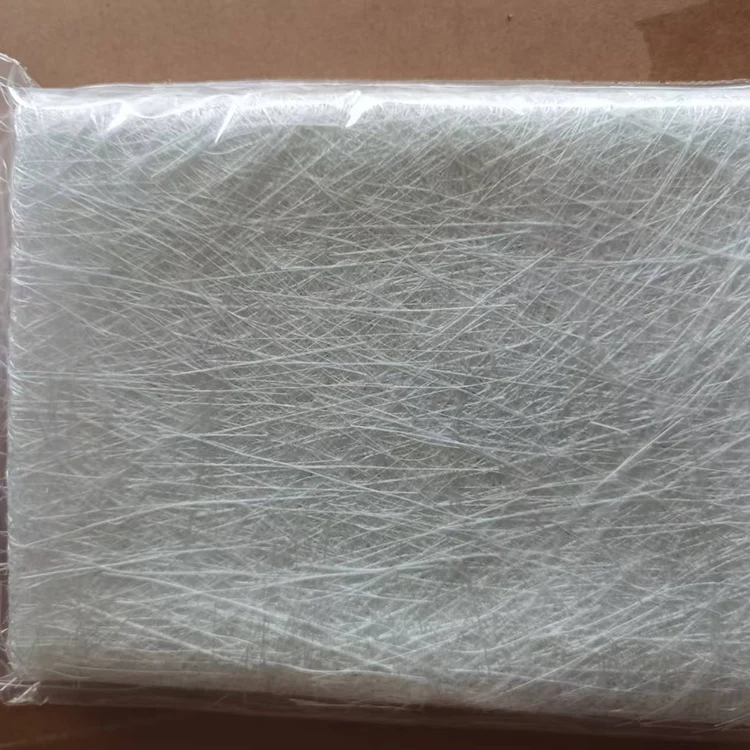
Table of Contents
- What Is Custom Fiberglass Chopped Strand Mat?
- Technical Specifications and Available Grades
- Which Customization Options Matter Most?
- How Does Chopped Strand Mat Support FRP Manufacturing?
- Major Industrial Applications
- How to Choose the Right Fiberglass Mat
- Why Choose Yuruis as Your Fiberglass Material Supplier?
- Frequently Asked Questions
- Final Thoughts
What Is Custom Fiberglass Chopped Strand Mat?
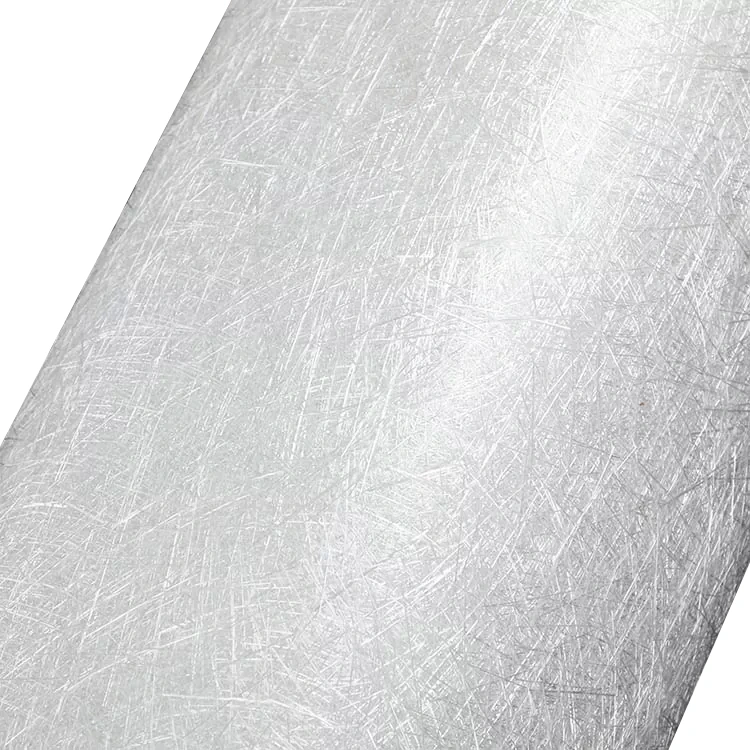
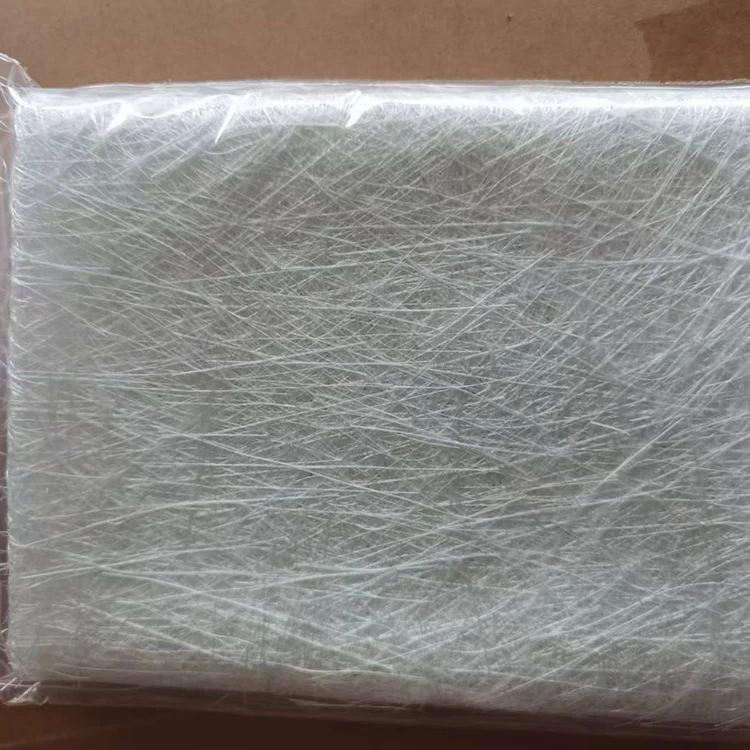
Fiberglass chopped strand mat is a nonwoven reinforcement material manufactured by cutting continuous glass fiber strands into short lengths, typically approximately 50 mm. These fibers are distributed randomly to create a uniform mat structure and bonded together using either powder or emulsion binders.
Unlike woven fiberglass fabric, which has an organized fiber arrangement, chopped strand mat features multidirectional fiber distribution. This structure makes it suitable for building up composite laminates with different shapes and thickness requirements.
A Custom Fiberglass Chopped Strand Mat allows manufacturers to adjust important product characteristics according to their production conditions, including:
- Area weight: Different weights help control reinforcement content and laminate construction.
- Material width: Custom widths reduce unnecessary cutting and material waste.
- Binder type: Powder and emulsion binders offer different processing characteristics.
- Roll configuration: Roll weight and dimensions can be coordinated with production and handling requirements.
Depending on the resin system and manufacturing process, chopped strand mat can be used with unsaturated polyester, vinyl ester, and other compatible resins. It is particularly suitable for hand lay-up, filament winding, compression molding, and other FRP production methods.
Technical Specifications and Available Grades
Understanding technical specifications is the first step toward choosing the right reinforcement material. Yuruis supplies several standard area weights and supports customized configurations for different composite manufacturing requirements.
| Parameter | Specification |
|---|---|
| Product Name | Custom Fiberglass Chopped Strand Mat |
| Material | Fiberglass |
| Color | White |
| Standard Area Weight | 225, 300, 450, 600 g/m² |
| Other Available Weights | 180, 240, 375, 900 g/m² and customized options |
| Standard Width | 1040 mm |
| General Width Range | 50–3300 mm |
| Standard Roll Weight | 32 kg or as requested |
| Chopped Strand Length | Approximately 50 mm |
| Binder Type | Powder or emulsion |
| Compatible Resins | Unsaturated polyester, vinyl ester, and other compatible resins |
| Forming Processes | Hand lay-up, filament winding, compression molding, mechanical molding, and centrifugal casting |
| Production Capacity | 3000 tons per year |
| Origin | Taizhou, Jiangsu, China |
These specifications provide a practical starting point for material selection. Actual product performance depends on the glass fiber characteristics, binder formulation, resin compatibility, laminate design, and processing conditions. Buyers should confirm detailed technical requirements before placing bulk orders.
Which Customization Options Matter Most?
Different FRP products require different reinforcement structures. Customization helps manufacturers coordinate fiberglass materials with mold dimensions, production equipment, and finished component requirements.
1. Area Weight Selection
Area weight determines how much fiberglass reinforcement is present in each square meter of material. Lighter grades can be useful for thinner laminate layers and easier material handling, while heavier grades provide more reinforcement per layer.
- 180–240 g/m²: Suitable for applications requiring lighter reinforcement layers.
- 300–375 g/m²: Useful for general composite manufacturing requirements.
- 450–600 g/m²: Suitable for applications requiring greater fiberglass content per layer.
- 900 g/m²: Available for applications requiring a heavier reinforcement mat.
2. Customized Width
Material width directly affects production efficiency. The standard width is 1040 mm, while the general available range is approximately 50–3300 mm. Narrow rolls can accommodate specific production equipment, whereas wider rolls may help cover larger molding areas.
3. Binder Selection
Yuruis offers both powder-bound and emulsion-bound fiberglass chopped strand mats. Binder selection should consider the resin system, forming process, material handling requirements, and intended application.
4. Roll Weight and Packaging
The standard roll weight is 32 kg, with alternative configurations available according to customer requirements. Selecting suitable roll dimensions and weights can help improve storage, transportation, and production handling efficiency.
How Does Chopped Strand Mat Support FRP Manufacturing?
Chopped strand mat is an important reinforcement material in composite manufacturing because its random fiber arrangement can support multidirectional laminate construction. It can be cut, positioned, layered, and impregnated with compatible resin according to the mold design.
A typical hand lay-up production sequence includes:
- Mold preparation: Clean the mold and apply the required release agent.
- Material cutting: Cut the fiberglass mat into sections suitable for the mold dimensions.
- Layer positioning: Place the reinforcement material into the mold according to the laminate design.
- Resin application: Apply compatible resin to wet out the fiberglass reinforcement.
- Air removal: Use suitable rollers or processing equipment to remove trapped air and improve impregnation.
- Curing: Allow the composite structure to cure under the specified process conditions.
- Finishing and inspection: Remove the finished component and inspect its dimensions, surface, and relevant quality characteristics.
Proper material selection and controlled processing help improve laminate consistency. Resin content, fiber distribution, layer arrangement, curing conditions, and operator technique should all be considered when evaluating final composite quality.
Major Industrial Applications
Because of its flexible processing characteristics and compatibility with various FRP manufacturing methods, custom fiberglass chopped strand mat is used across several industries.
FRP Panels and Molded Products
It is commonly incorporated into fiberglass panels, equipment covers, housings, and molded components. Multiple reinforcement layers can be used to achieve the laminate construction required by the product design.
Chemical Storage Tanks and Pipelines
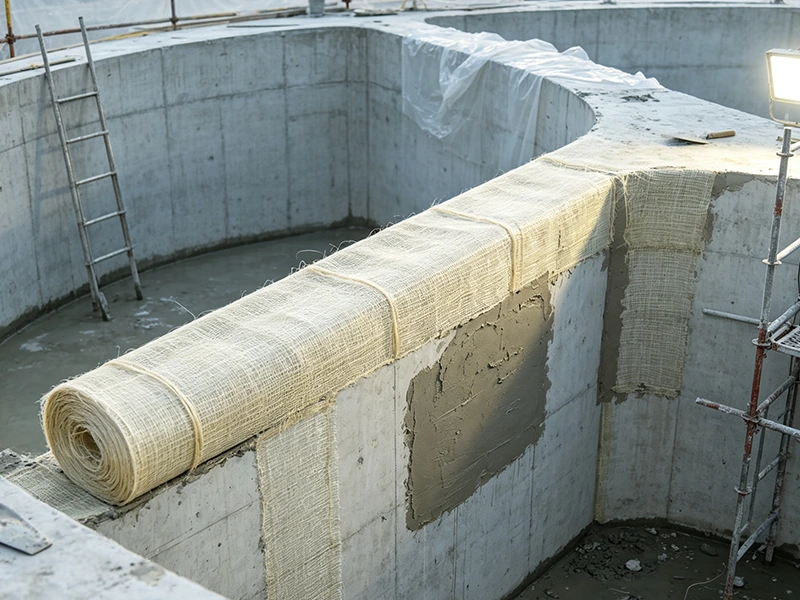
Fiberglass reinforcement is used in FRP tanks, chemical-resistant pipelines, and industrial storage equipment. The final corrosion resistance depends on the resin formulation, barrier layer, and complete laminate structure rather than the mat alone.
Marine and Boat Manufacturing
Chopped strand mat can be incorporated into fiberglass boat hulls, marine accessories, and other composite components. Its conformability makes it useful for different mold shapes and hand lay-up applications.
Cooling Towers and Industrial Equipment
FRP cooling tower components, industrial equipment housings, and structural composite parts can use chopped strand mat as part of their reinforcement systems.
Construction, Sanitary Ware, and Automotive Components
Other applications include fiberglass construction products, sanitary ware, automotive accessories, and various molded composite products where glass fiber reinforcement is required.
How to Choose the Right Fiberglass Mat
Selecting an appropriate reinforcement material requires more than comparing product prices. Buyers should evaluate the complete production requirements and the technical compatibility between the mat and the intended composite system.
Consider the following factors before purchasing:
- Finished product requirements: Identify the intended component dimensions, laminate thickness, and performance requirements.
- Area weight: Compare different grades based on the reinforcement content required per layer.
- Resin compatibility: Confirm that the binder and fiberglass mat are suitable for the selected resin system.
- Manufacturing process: Specify whether the material will be used for hand lay-up, filament winding, compression molding, or another process.
- Equipment dimensions: Select a roll width that matches the mold and production equipment.
- Supply consistency: Evaluate production capacity, quality inspection, packaging, and repeat-order support.
For accurate quotations and technical recommendations, buyers should prepare a clear specification sheet before contacting a manufacturer.
Why Choose Yuruis as Your Fiberglass Material Supplier?
Choosing a dependable supplier is important for maintaining material consistency and supporting long-term FRP production. Yuruis focuses on fiberglass and composite reinforcement materials, providing customized product specifications for industrial customers.
Factory-Based Manufacturing
Yuruis operates composite material production facilities in Taizhou, Jiangsu, China. Its factory-based manufacturing structure supports direct communication about product specifications, production requirements, and order arrangements.
Flexible Product Specifications
Customers can discuss different area weights, widths, and roll configurations. This flexibility helps manufacturers select materials that correspond to their equipment and product designs.
R&D and Material Evaluation
Yuruis has an R&D laboratory for material development and product evaluation. Technical discussions can consider the intended resin system, forming process, area weight, and other application requirements before specifications are finalized.
Production Capacity and Supply Support
With a stated annual production capacity of 3000 tons, Yuruis supports the supply of fiberglass reinforcement materials for industrial customers. Common specifications and customized orders can be discussed according to inventory, production schedules, and order quantities.
Inspection and Export Packaging
Material specifications, finished roll configurations, and export packaging can be coordinated according to order requirements. Buyers should confirm the applicable inspection criteria, packaging details, and delivery schedule before production.
In addition to chopped strand mat, customers can explore related materials such as fiberglass woven roving, fiberglass surface mat, and fiberglass yarn for different composite manufacturing applications.
Frequently Asked Questions About Custom Fiberglass Chopped Strand Mat
1. What is the difference between powder-bound and emulsion-bound fiberglass chopped strand mat?
The main difference is the binder system used to hold the chopped glass fibers together. Powder and emulsion binders have different handling and processing characteristics. The appropriate option depends on the resin system, molding process, and production requirements.
2. What area weights are available for custom fiberglass chopped strand mat?
Common standard weights include 225, 300, 450, and 600 g/m². Other available options include 180, 240, 375, and 900 g/m², with customized specifications also available for different applications.
3. Can fiberglass chopped strand mat be customized in width?
Yes. The standard width is 1040 mm, while the general available width range is approximately 50–3300 mm. Specific widths can be discussed according to production equipment and application requirements.
4. Which resin systems are compatible with chopped strand mat?
Yuruis fiberglass chopped strand mat can be used with unsaturated polyester, vinyl ester, and other compatible resin systems. Buyers should confirm binder compatibility and processing conditions before selecting a material.
5. What industries commonly use fiberglass chopped strand mat?
Typical applications include FRP panels, chemical storage tanks, pipelines, boat components, cooling towers, sanitary ware, construction products, and automotive composite parts.
6. What information should buyers provide when requesting a quotation?
Buyers should provide the required area weight, width, roll weight, order quantity, resin system, manufacturing process, and intended application. Additional requirements for packaging, inspection, and delivery can also be included.
7. Is custom fiberglass chopped strand mat suitable for hand lay-up?
Yes. Chopped strand mat is widely used in hand lay-up processes. It can be cut and positioned according to mold dimensions, then impregnated with compatible resin to build the required composite laminate.
Final Thoughts: Find the Right Custom Fiberglass Reinforcement Solution
Choosing the right Custom Fiberglass Chopped Strand Mat can help FRP manufacturers coordinate reinforcement materials with their resin systems, molding equipment, and finished product requirements. Important purchasing considerations include area weight, width, binder type, roll configuration, and consistent supply. With flexible specifications, factory-based production, and material evaluation support, Yuruis provides fiberglass reinforcement options for diverse industrial applications. If you are looking for a dependable fiberglass chopped strand mat manufacturer or need customized material specifications for your next composite project, contact us at Yuruis to discuss your requirements, request technical information, and obtain a quotation for your order.
Related News
- What Makes Alkali-Free Glass Fiber Spray Roving the Smart Choice for Spray-Up FRP Molding
- What Makes Powder-Bound Fiberglass Chopped Strand Mat the Smart Choice for FRP Manufacturers
- Custom Transparent FRP Grating: Combining Light Transmission, Strength and Corrosion Resistance
- How Can High-Strength Fiberglass Chopped Strand Mat Improve FRP Reinforcement and Manufacturing Performance
- Weaving of Unidirectional Carbon Fiber Fabric
- Why Is 225g Fiberglass Chopped Strand Mat a Smart Choice for Reliable FRP Composite Manufacturing
Leave me a message
New Products
News Recommendations