
English
- English
- Español
- Português
- русский
- Français
- 日本語
- Deutsch
- tiếng Việt
- Italiano
- Nederlands
- ภาษาไทย
- Polski
- 한국어
- Svenska
- magyar
- Malay
- বাংলা ভাষার
- Dansk
- Suomi
- हिन्दी
- Pilipino
- Türkçe
- Gaeilge
- العربية
- Indonesia
- Norsk
- تمل
- český
- ελληνικά
- український
- Javanese
- فارسی
- தமிழ்
- తెలుగు
- नेपाली
- Burmese
- български
- ລາວ
- Latine
- Қазақша
- Euskal
- Azərbaycan
- Slovenský jazyk
- Македонски
- Lietuvos
- Eesti Keel
- Română
- Slovenski
- मराठी
- Srpski језик

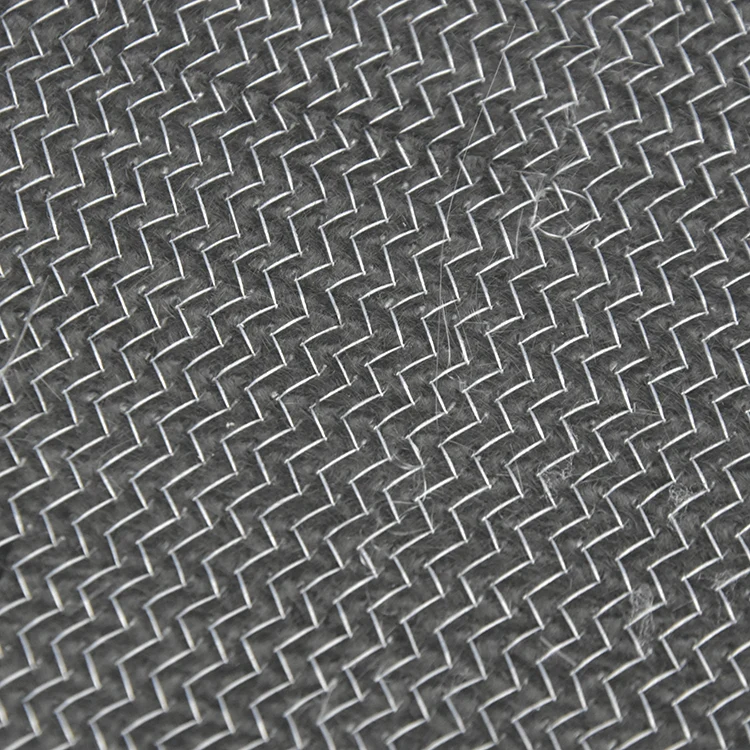
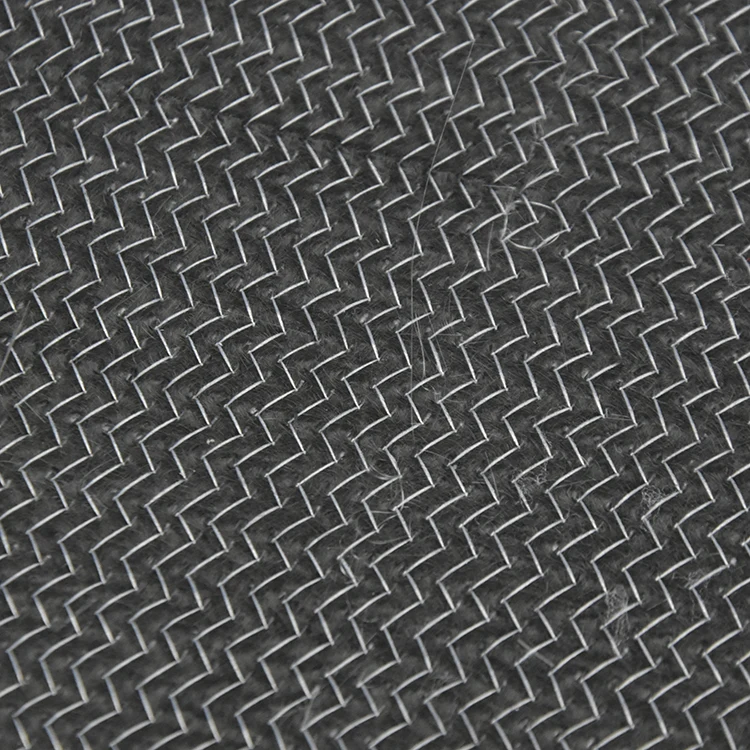
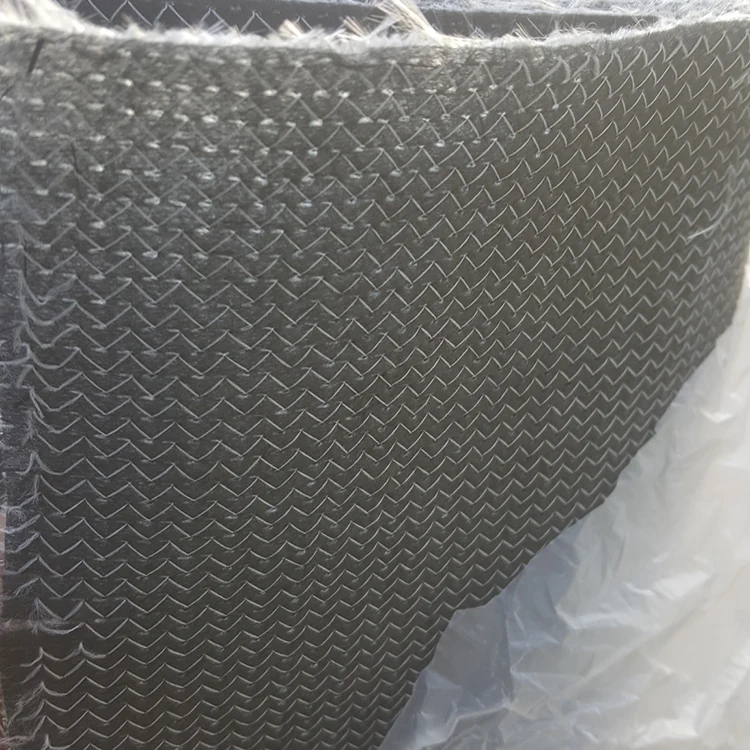
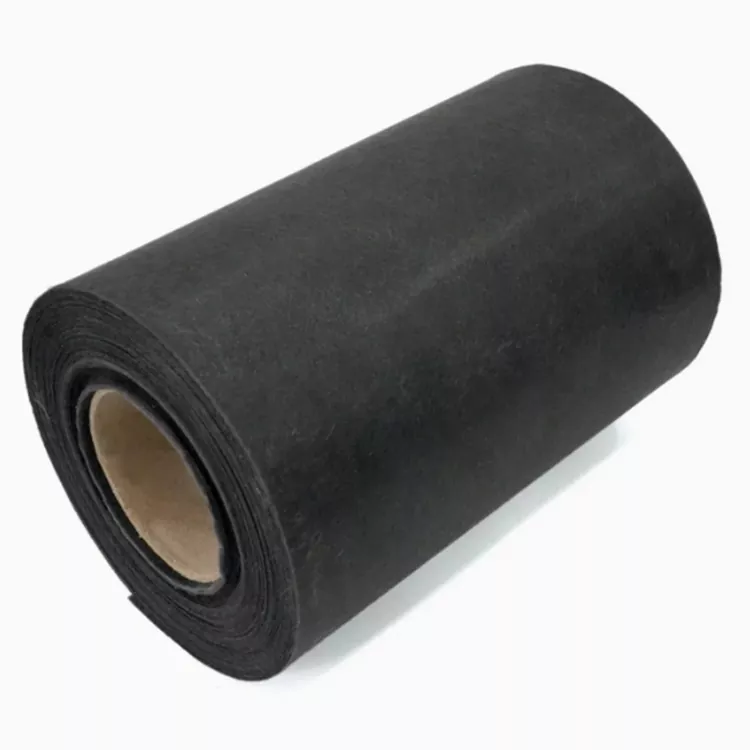
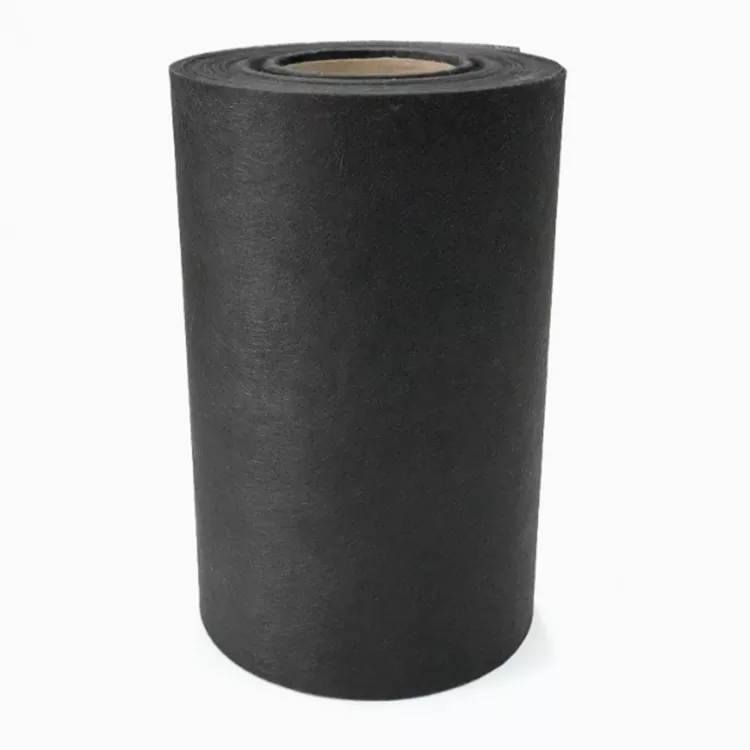
470g Carbon Fiber Composite Mat
Yuruis 470g Carbon Fiber Composite Mat is intended for composite manufacturers that need a higher reinforcement loading with an integrated carbon fiber surface layer. With 450 g/m² chopped roving and 20 g/m² carbon fiber mat, it is suitable for CFRP molded parts, composite panels and industrial components where reinforcement level, surface finish and production efficiency need to be considered together. Yuruis supports factory supply, bulk orders and project-based quotation for this specification.
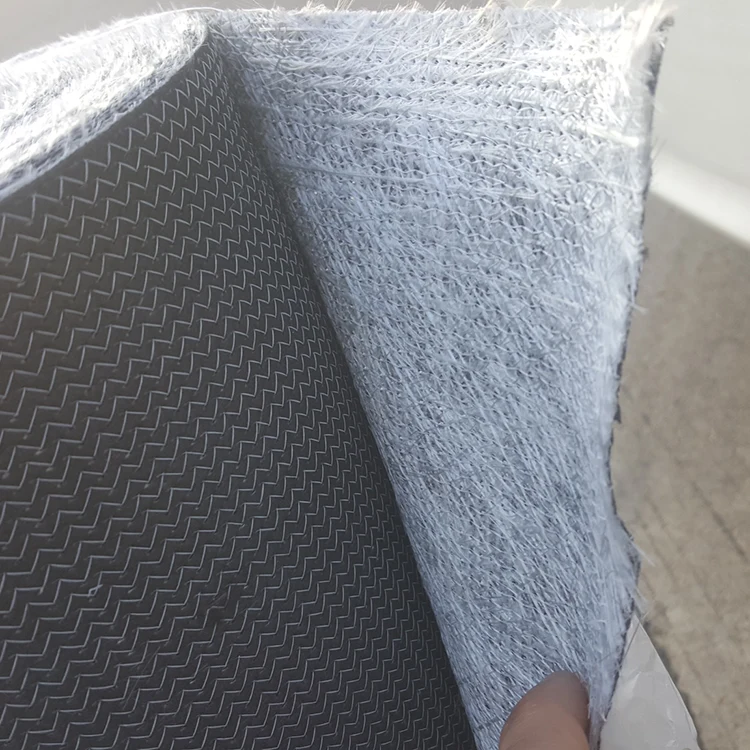
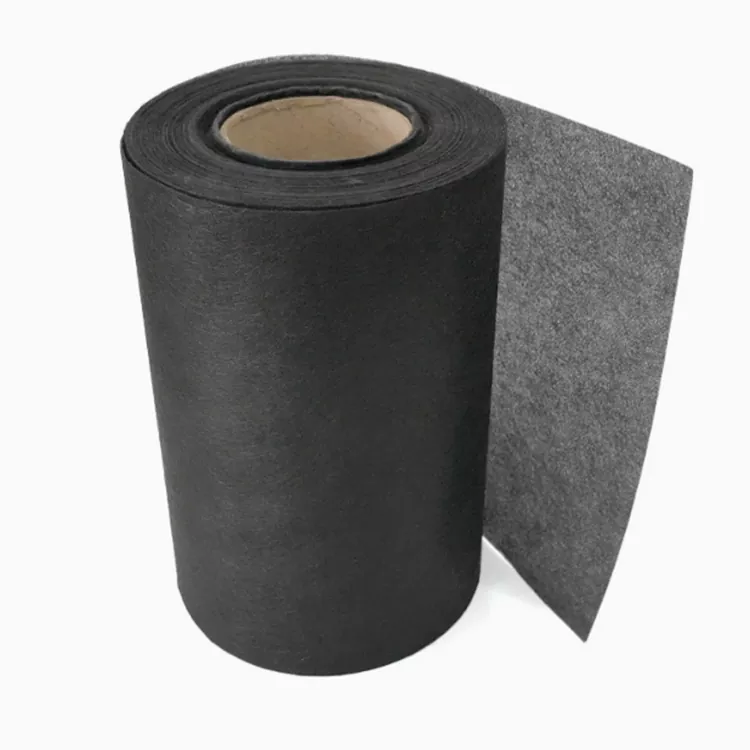
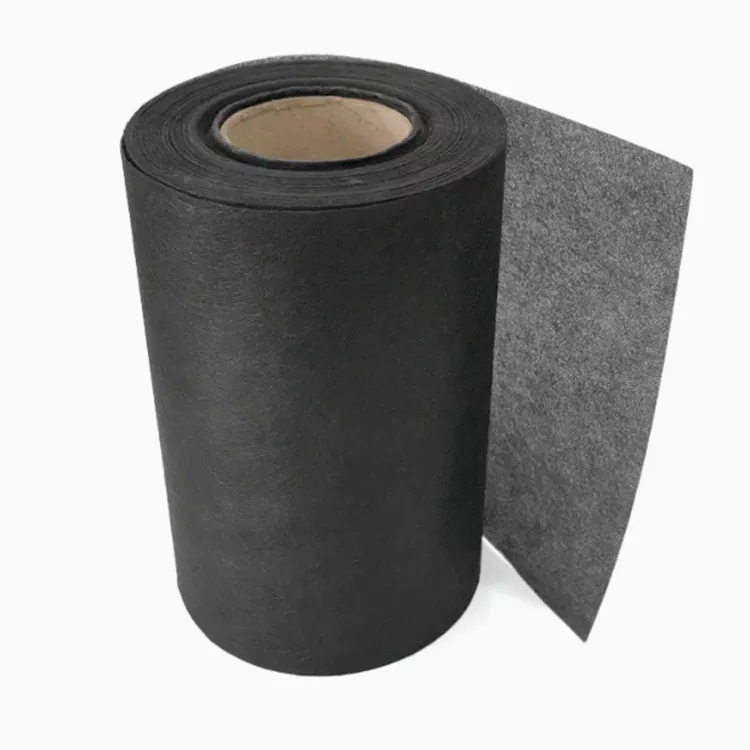
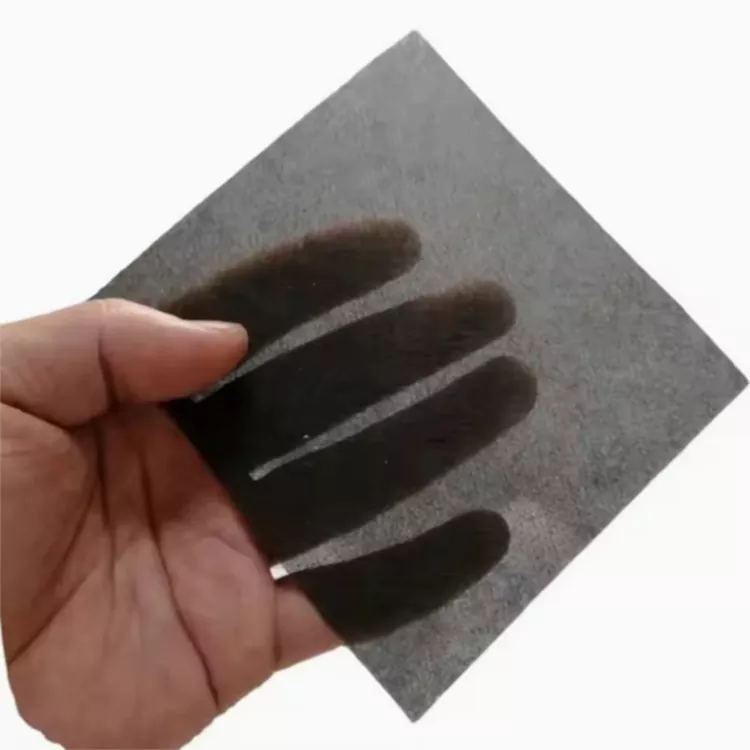
470g Carbon Fiber Composite Mat is a two-layer composite material with a total areal weight of 470 g/m². The main reinforcement is 450 g/m² chopped roving, while a 20 g/m² carbon fiber mat forms the surface layer.
The two materials are combined into one mat rather than supplied as separate layers. During composite lay-up, the material can therefore provide reinforcement and a carbon fiber surface in the same operation. This construction is useful for manufacturers that want to control the reinforcement weight while avoiding an additional surface-mat placement step.
Technical Specifications
|
Item |
Specification |
|
Product Name |
470g Carbon Fiber Composite Mat |
|
Product Code |
EMKC470 |
|
Total Areal Weight |
470 g/m² |
|
Chopped Roving |
450 g/m² |
|
Carbon Fiber Mat |
20 g/m² |
|
Width |
150–3200 mm |
|
Material Structure |
Chopped Roving + Carbon Fiber Surface Mat |
|
Fiber Form |
Chopped Fiber / Nonwoven Surface Mat |
|
Brand |
Yuruis |
|
Origin |
Taizhou, Jiangsu, China |
450g Chopped Roving for Higher Reinforcement Loading
The main difference between EMKC470 and the lighter grades in the same series is the 450 g/m² chopped roving content.
The reinforcement structure can be viewed as:
450 g/m² chopped roving + 20 g/m² carbon fiber mat = 470 g/m² total
This higher chopped-roving content makes EMKC470 suitable for laminate designs where more reinforcement is required per layer.
For manufacturers selecting between the three 20g carbon fiber surface mat grades:
|
Grade |
Chopped Roving |
Carbon Fiber Mat |
Total Weight |
|
EMKC320 |
300 g/m² |
20 g/m² |
320 g/m² |
|
EMKC400 |
380 g/m² |
20 g/m² |
400 g/m² |
|
EMKC470 |
450 g/m² |
20 g/m² |
470 g/m² |
The carbon fiber surface layer remains at 20 g/m² across the three grades, while the chopped roving changes. This allows the reinforcement level to be adjusted without changing the basic surface-layer configuration.
Material Structure and Lay-Up
One practical reason to use a combined composite mat is the reduction in separate lay-up operations.
With conventional construction, a manufacturer may need to position:
Chopped reinforcement → carbon fiber surface mat → resin
With EMKC470, the chopped roving and carbon fiber surface mat are supplied as a combined material:
EMKC470 → resin → molded composite
This does not mean that the material is suitable for every molding process. The actual lay-up method should be evaluated according to the resin system, mold design and required laminate properties.
For repeated production, however, a combined material can make the material sequence easier to standardize.
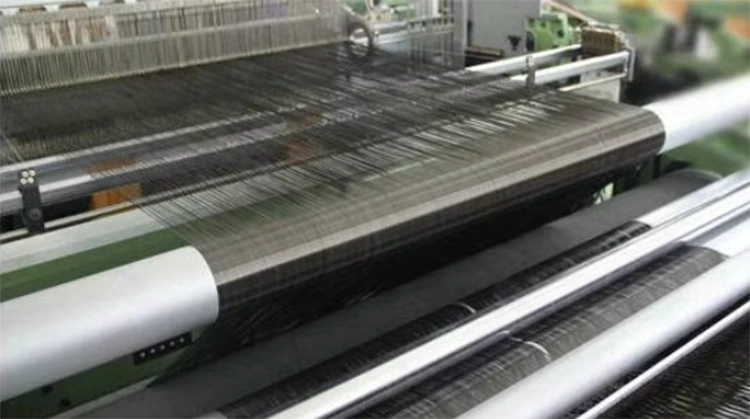
Where EMKC470 Fits in Composite Manufacturing
|
Application |
Reason to Consider EMKC470 |
|
CFRP Molded Parts |
Combines a relatively high reinforcement loading with a carbon fiber surface layer |
|
Composite Panels |
Suitable for laminate structures where a defined areal weight is required |
|
Automotive Composite Components |
Can be considered for selected lightweight molded parts and interior components |
|
Industrial Composite Products |
Useful where reinforcement and surface requirements need to be addressed in one material |
|
Curved Composite Components |
Nonwoven surface mat can conform to curved or irregular molded areas |
|
Surface-Finished CFRP |
Helps reduce the visibility of reinforcement texture on the finished surface |
|
Custom Laminate Structures |
Available as one of several Yuruis reinforcement grades for different laminate designs |
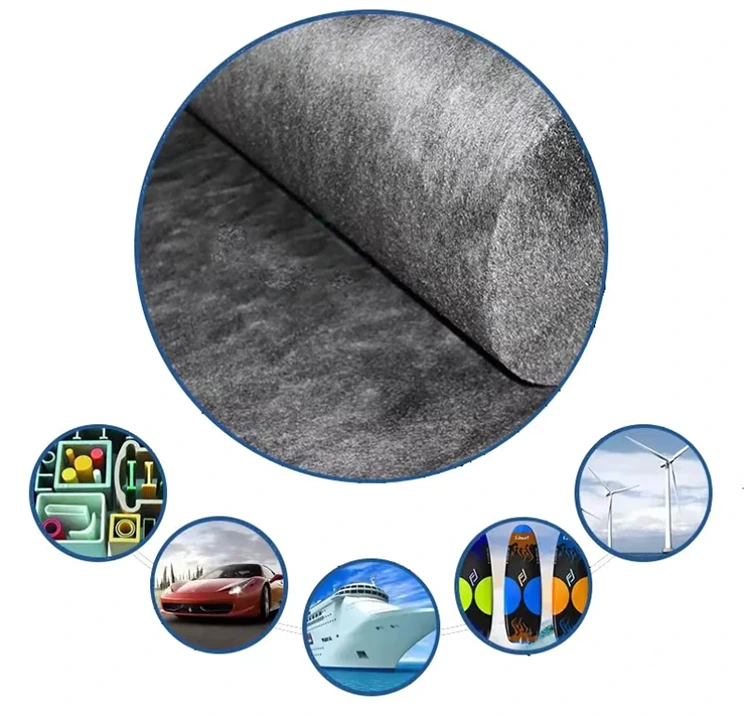
Processing Considerations
The material is intended for use with resin-based composite manufacturing processes. Before moving to bulk production, the following factors should be checked:
Resin type and viscosity
Resin wet-out behavior
Required fiber/resin ratio
Mold geometry
Lay-up sequence
Curing conditions
Required surface appearance
Final mechanical requirements
For a new application, sample testing is recommended before fixing the production specification.
Yuruis can discuss the material according to the customer's existing composite process and required dimensions.
Custom Width and Bulk Supply
The standard specification provides a width range of 150–3200 mm. Customers purchasing for continuous production can provide the required width, estimated monthly or annual consumption, roll requirements and application.
For a bulk quotation, it is also useful to specify the destination market and packaging requirements so that the production and shipping arrangements can be evaluated together.
Send Inquiry
Contact Info
-
Address
No. 18, Fuyuan Road, Dalun Town Industrial Concentration Zone, Jiangyan District, Taizhou City, Jiangsu Province, China
-
Tel
-
Email
Send your requirements to Yuruis for carbon fiber materials, FRP grating or fiberglass materials. Include product specifications, dimensions, quantity, application or other requirements so our team can review the details and respond accordingly.
Related Products
News Recommendations





