
English
- English
- Español
- Português
- русский
- Français
- 日本語
- Deutsch
- tiếng Việt
- Italiano
- Nederlands
- ภาษาไทย
- Polski
- 한국어
- Svenska
- magyar
- Malay
- বাংলা ভাষার
- Dansk
- Suomi
- हिन्दी
- Pilipino
- Türkçe
- Gaeilge
- العربية
- Indonesia
- Norsk
- تمل
- český
- ελληνικά
- український
- Javanese
- فارسی
- தமிழ்
- తెలుగు
- नेपाली
- Burmese
- български
- ລາວ
- Latine
- Қазақша
- Euskal
- Azərbaycan
- Slovenský jazyk
- Македонски
- Lietuvos
- Eesti Keel
- Română
- Slovenski
- मराठी
- Srpski језик

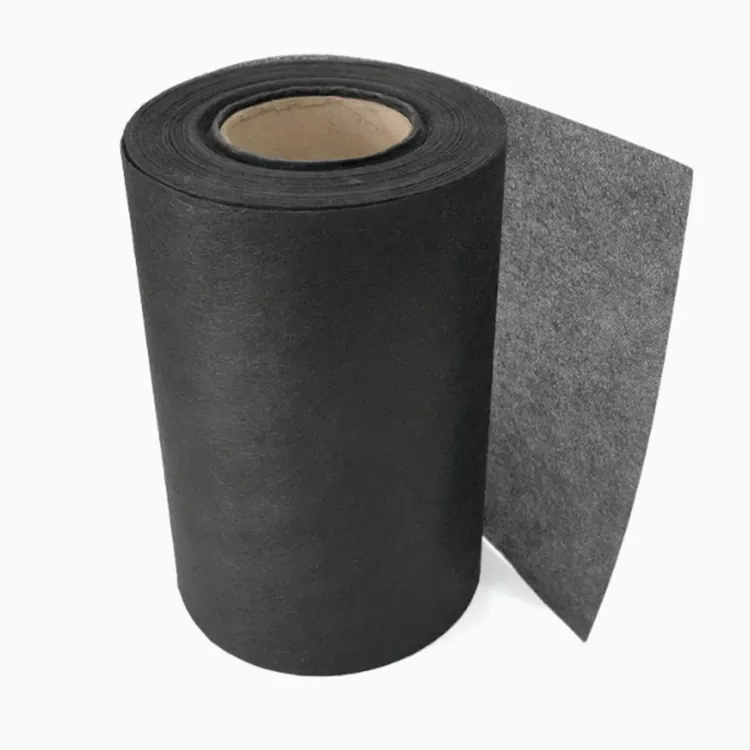
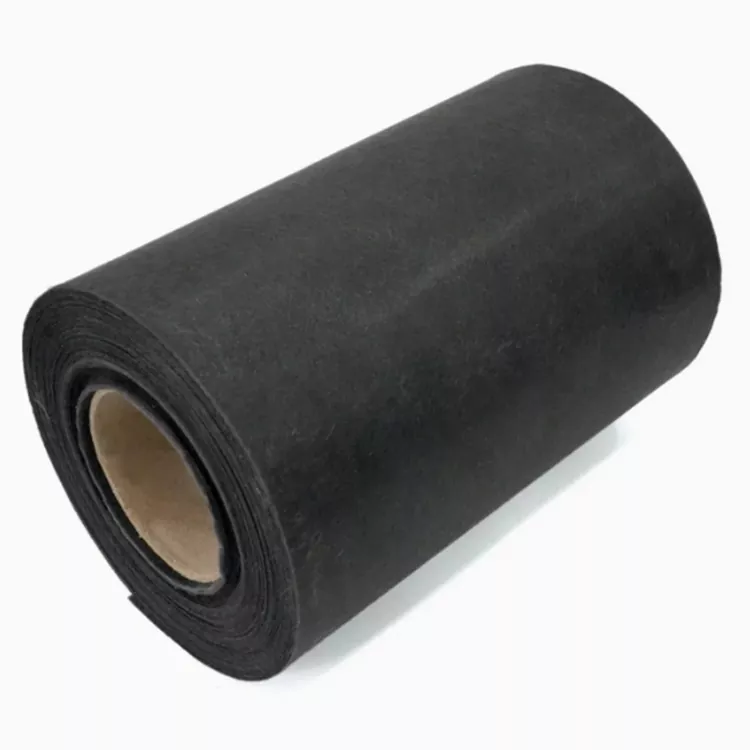
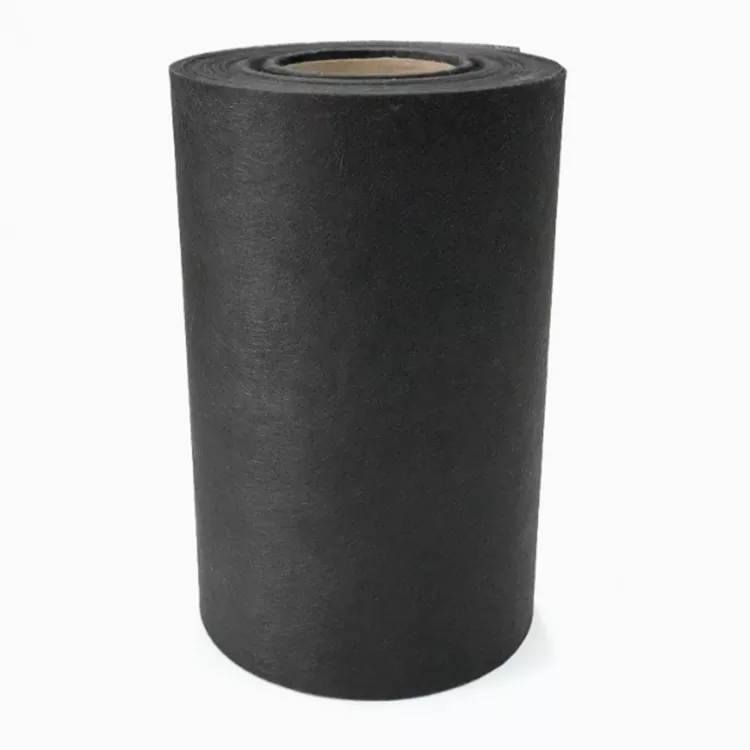
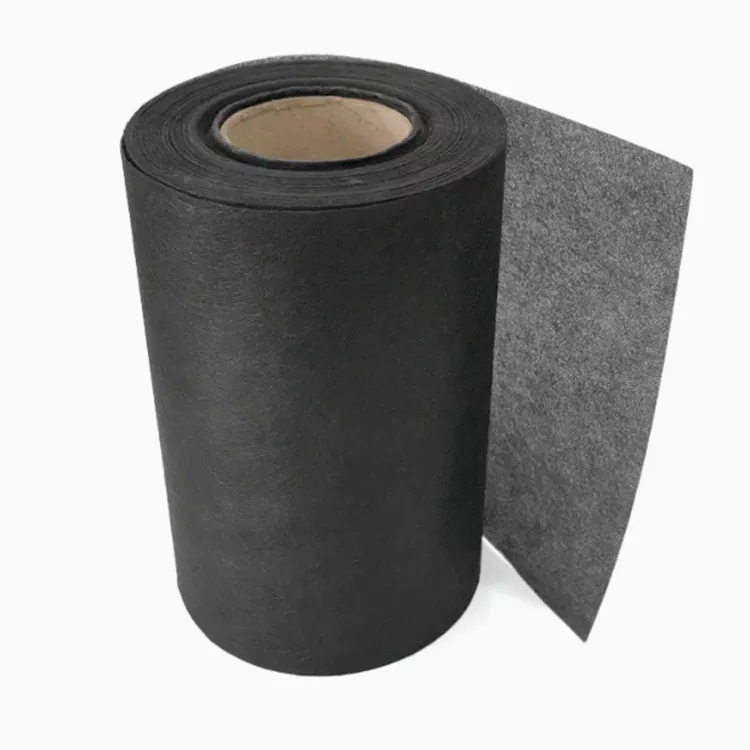
High Surface Area Activated Carbon Fiber Felt
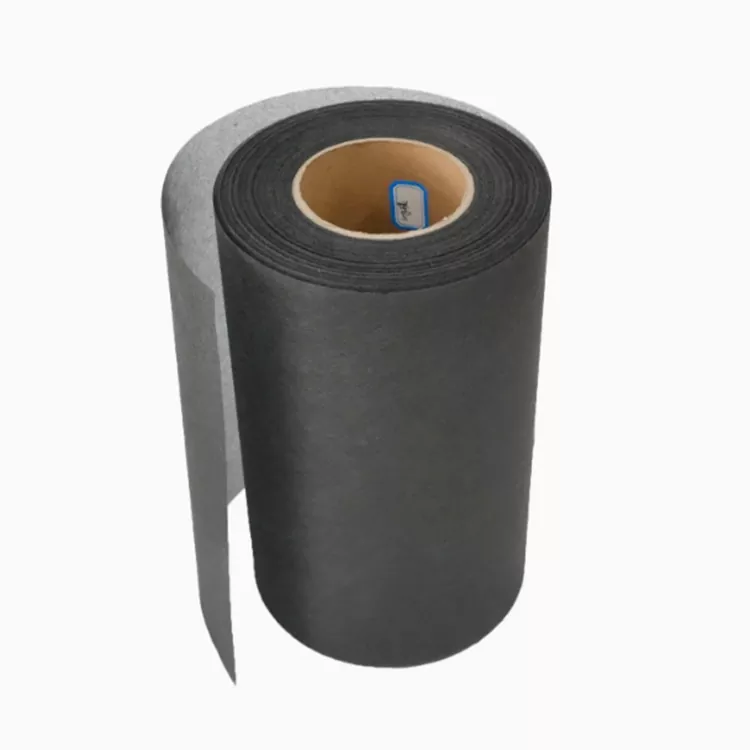
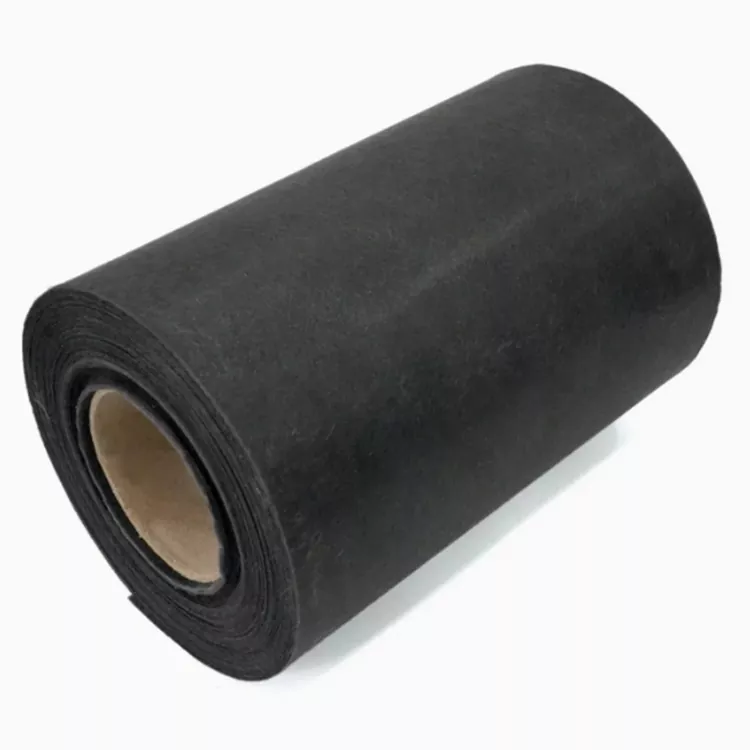
High Surface Area Activated Carbon Fiber Felt combines a non-woven structure with a highly accessible carbon surface for adsorption and filtration applications. Made from chopped PAN-based carbon fibers through dispersion and wet forming, it can be used in gas and liquid filtration, chemical-contact systems, fuel-cell-related components and other functional composite structures. Yuruis supports bulk supply for industrial applications.
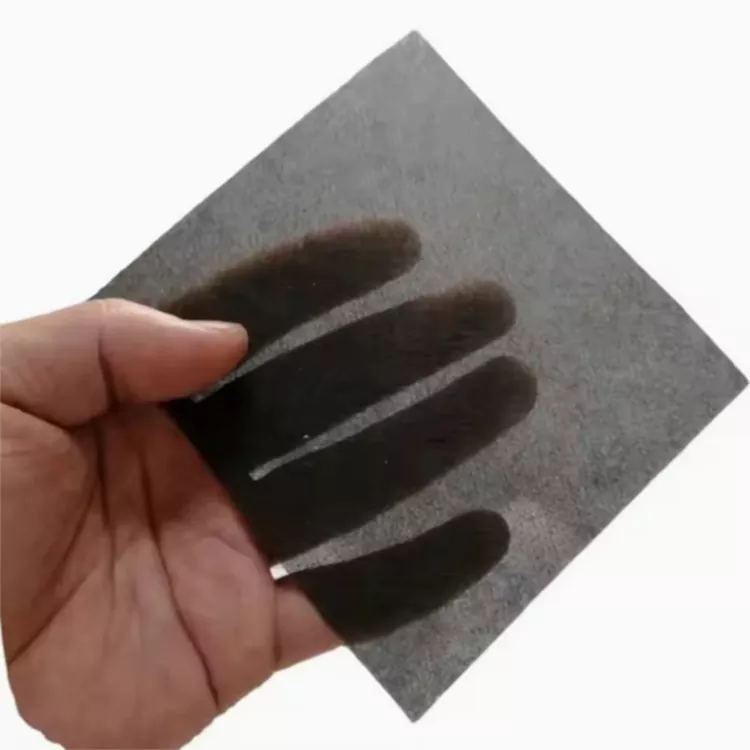
High Surface Area Activated Carbon Fiber Felt is a non-woven material made from chopped polyacrylonitrile-based carbon fiber. The activated carbon structure provides a porous surface for adsorption and other surface-related functions, while the felt form allows the material to be handled as a sheet or integrated into a component.
Material Characteristics
Activation changes the surface structure of carbon fiber by creating pores that increase the accessible surface area. As a result, the material is used differently from untreated carbon fiber fabrics intended mainly for structural reinforcement.
The relevant properties include BET specific surface area, pore volume, pore distribution and surface chemistry. The required combination varies with the substance being treated and the operating conditions, so a single surface-area value does not define the performance of every application.
Surface Area and Pore Structure
Surface area and pore structure are important reference data for activated carbon fiber used in adsorption applications. The following values are provided for the high-surface-area PAN-based material specified on this page.
|
Typical Reference Property |
Value |
|
BET Specific Surface Area |
≥1,200 m²/g |
|
Total Pore Volume |
≥0.50 cm³/g |
|
Micropore Volume |
≥0.35 cm³/g |
|
Average Pore Diameter |
1.6–2.0 nm |
|
Micropore Ratio |
≥70% |
|
Iodine Adsorption |
≥800 mg/g |
Application Areas
Gas Treatment
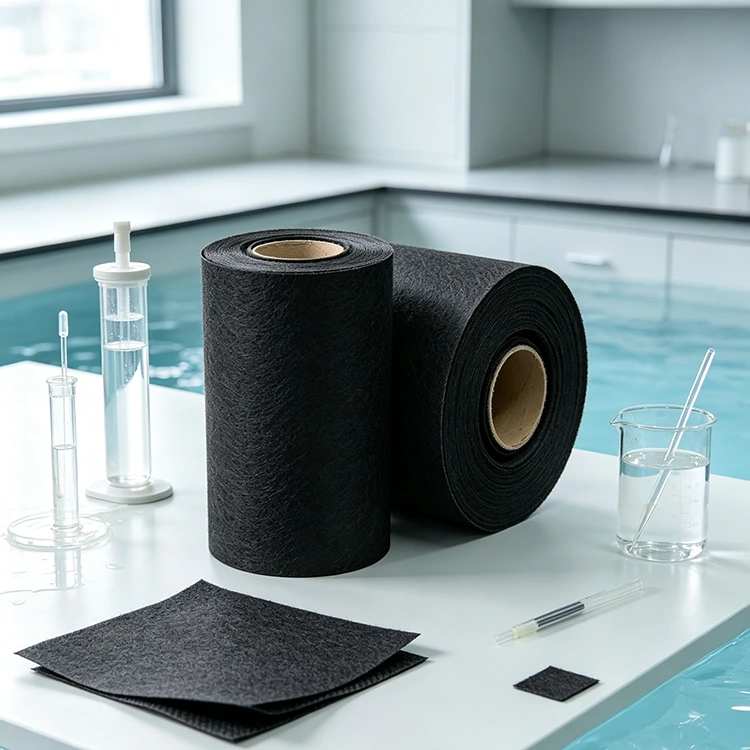
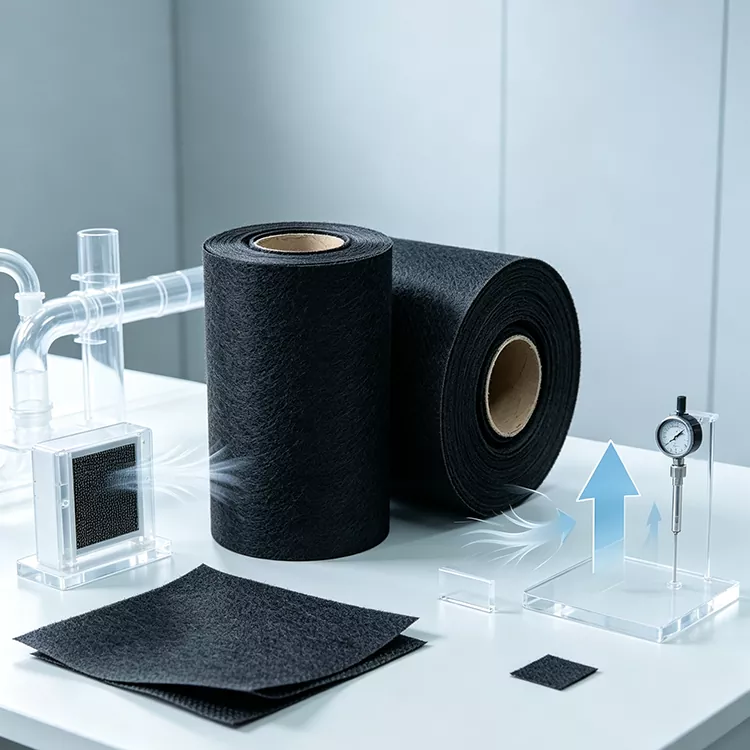
The porous carbon layer can be used in gas-treatment and adsorption equipment where contact between the gas stream and the carbon surface is required. Selection is normally based on the target gas, concentration, temperature, humidity, flow rate and required adsorption capacity.
Liquid Treatment
The felt can also be incorporated into liquid-contact systems for selected adsorption processes. The treated liquid, exposure time, chemical concentration and supporting structure are relevant when determining the material configuration.
Chemical Processing
Activated carbon fiber can serve as a functional carbon medium in selected chemical-processing systems. Compatibility should be checked against the actual chemical, concentration and operating temperature, particularly where binders or support materials are included.
Electrochemical Components
The combination of a carbon fiber network and porous surface makes this material applicable to some electrochemical component designs. For fuel-cell, electrode or related development work, electrical characteristics, pore structure and surface chemistry need to be considered together with the cell construction.
Electronic and Functional Components
The material can also be incorporated into selected conductive, shielding and functional composite structures. Finished-product performance is affected by thickness, electrical connections, surrounding materials and the construction of the complete component.
Non-Woven Manufacturing Structure
The raw material is polyacrylonitrile (PAN)-based carbon fiber supplied in chopped form. The fibers are cut, dispersed and formed into a non-woven mat, producing a sheet structure without the fixed yarn orientation found in woven carbon fiber fabric.
This structure is useful where the material needs to cover a defined area or conform to a component rather than provide directional reinforcement. It can be supplied for further cutting, forming, lamination or other downstream processing.
When used in a composite, resin selection and wet-out conditions become important because the resin may cover part of the carbon surface and change the behavior of the finished material.
Material Selection
The required specification starts with the intended function. For adsorption applications, the target substance and required adsorption level are normally more useful starting points than material weight alone.
Operating temperature, humidity, chemical exposure and flow conditions should also be defined where applicable. For composite or supported structures, the resin, binder and support material need to be compatible with the service environment.
Physical specifications should match the production process. Width, thickness, areal weight, length and finished dimensions can affect handling, cutting, forming and installation.
If a specific BET surface area, pore volume, iodine adsorption value or other test requirement is needed, the target value and test method can be included with the material inquiry.
Product Data
|
Item |
Specification |
|
Product |
High Surface Area Activated Carbon Fiber Felt |
|
Brand |
Yuruis |
|
Raw Material |
Polyacrylonitrile-Based Carbon Fiber |
|
Material |
100% Carbon Fiber |
|
Structure |
Non-Woven Carbon Fiber Mat |
|
Fiber Form |
Chopped Fiber |
|
Performance |
Superior Modulus Type |
|
Mechanical Property |
High-Performance Type |
|
Color |
Black |
|
Width |
1 m / 1.25 m |
|
Dimensions |
Custom |
|
Thickness |
Customized |
|
Length |
Customer Request |
|
Surface |
Glossy / Matte / 50% Glossy |
|
Customization |
Available |
|
Packaging |
Paper Box |
|
Origin |
Taizhou, Jiangsu Province, China |
|
HS Code |
6815993100 |
|
Production Capacity |
2 Million m²/Year |
|
Trademark |
Yuruis |
Production and Supply
Yuruis was established in 2017 in Taizhou, Jiangsu Province, with production covering carbon fiber materials, E-glass roving, glass fiber mats and FRP products. The facility includes forming, cutting and testing equipment used for non-woven fiber materials and related composite products.
High Surface Area Activated Carbon Fiber Felt is supplied in standard widths of 1 m and 1.25 m, with customized thickness, length and dimensions available for different downstream processes. Material requirements can be discussed according to the intended application and production method.
The stated production capacity is 2 million m² per year. Yuruis supplies customers in Asia, Europe, Africa and the Americas and can support material evaluation with samples and technical information where available.
Information for an RFQ
The following information is useful when requesting a quotation or material evaluation:
· Target application
· Gas or liquid being treated
· Required width and thickness
· Target weight per square meter
· BET surface area requirement
· Adsorption target, if applicable
· Operating temperature
· Chemical environment
· Estimated order quantity
· Delivery destination
A drawing, existing material specification or sample can also be provided when the felt is intended for a specific component or production process.
Frequently Asked Questions
What is activated carbon fiber felt used for?
It is used in selected gas and liquid treatment, adsorption, chemical-contact, electrochemical and functional composite applications. The required grade depends on the actual operating conditions.
What is the reference BET surface area?
The reference material listed on this page has a BET specific surface area of ≥1,200 m²/g. The applicable value should be confirmed according to the selected grade and test method.
Can the thickness and dimensions be customized?
Yes. Standard widths are 1 m and 1.25 m. Thickness, length and other dimensions can be specified according to production requirements.
Can the material be used with resin?
It can be incorporated into selected composite structures. Resin type and processing conditions should be checked because the resin may affect the accessible carbon surface.
How is it different from woven carbon fiber fabric?
The felt uses chopped fibers in a non-woven structure, while woven carbon fiber fabric uses continuous fibers arranged in a defined pattern. They are therefore suited to different material and processing requirements.
What information is needed for a quotation?
Application, dimensions, thickness, areal weight, required BET value, operating conditions, quantity and delivery destination are useful starting points. A drawing or sample can be included if available.
Send Inquiry
Contact Info
-
Address
No. 18, Fuyuan Road, Dalun Town Industrial Concentration Zone, Jiangyan District, Taizhou City, Jiangsu Province, China
-
Tel
-
Email
Send your requirements to Yuruis for carbon fiber materials, FRP grating or fiberglass materials. Include product specifications, dimensions, quantity, application or other requirements so our team can review the details and respond accordingly.
Related Products
News Recommendations





