
English
- English
- Español
- Português
- русский
- Français
- 日本語
- Deutsch
- tiếng Việt
- Italiano
- Nederlands
- ภาษาไทย
- Polski
- 한국어
- Svenska
- magyar
- Malay
- বাংলা ভাষার
- Dansk
- Suomi
- हिन्दी
- Pilipino
- Türkçe
- Gaeilge
- العربية
- Indonesia
- Norsk
- تمل
- český
- ελληνικά
- український
- Javanese
- فارسی
- தமிழ்
- తెలుగు
- नेपाली
- Burmese
- български
- ລາວ
- Latine
- Қазақша
- Euskal
- Azərbaycan
- Slovenský jazyk
- Македонски
- Lietuvos
- Eesti Keel
- Română
- Slovenski
- मराठी
- Srpski језик

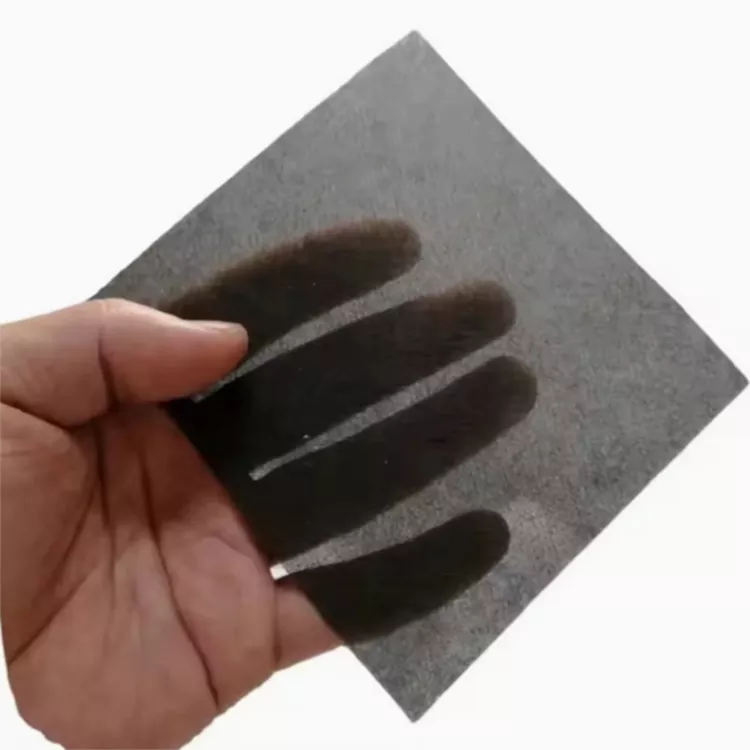
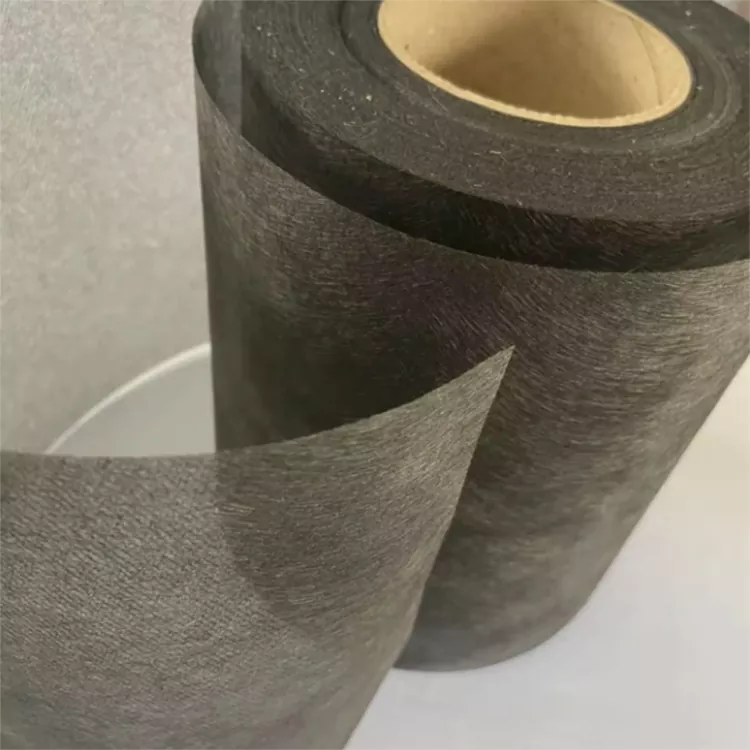
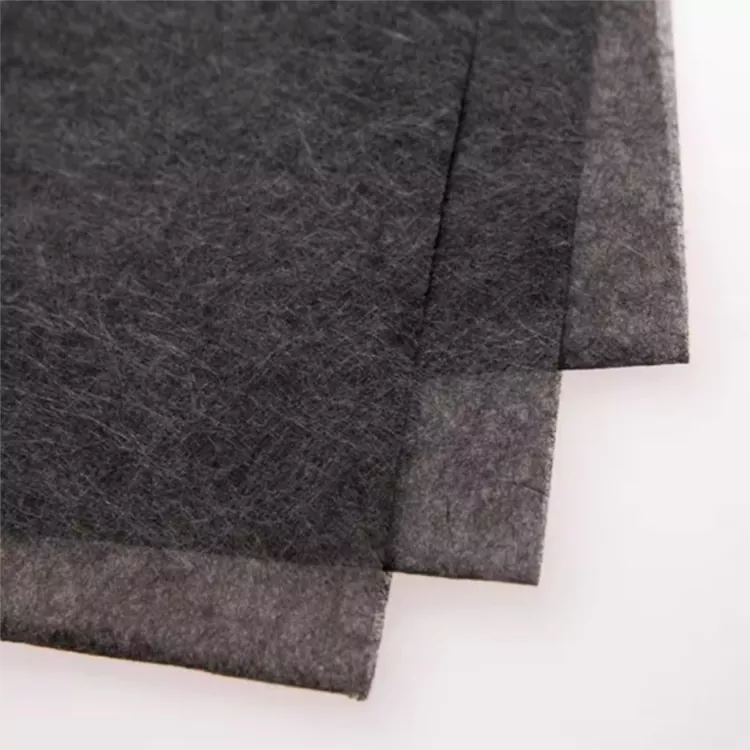
Carbon Fiber Surface Mat for Reinforcement Layer
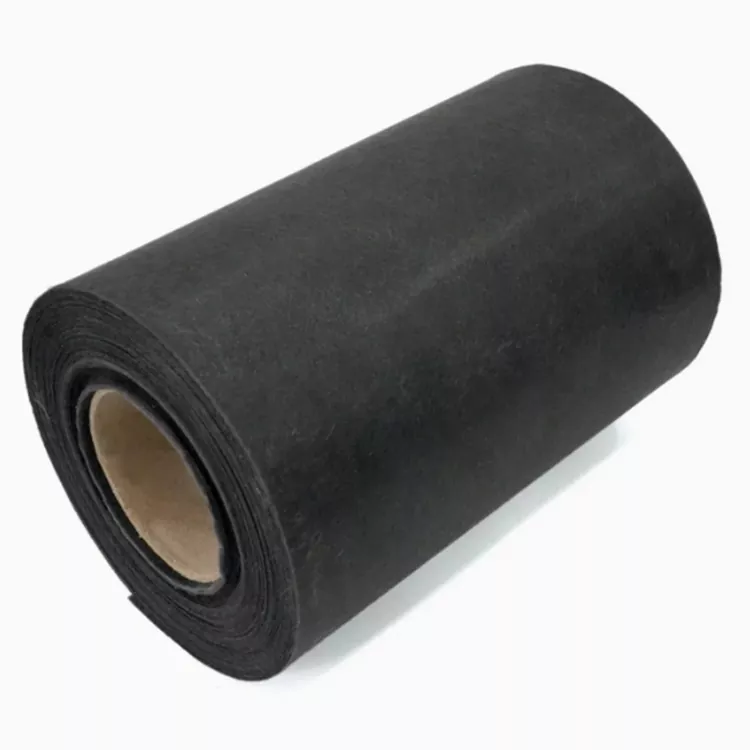
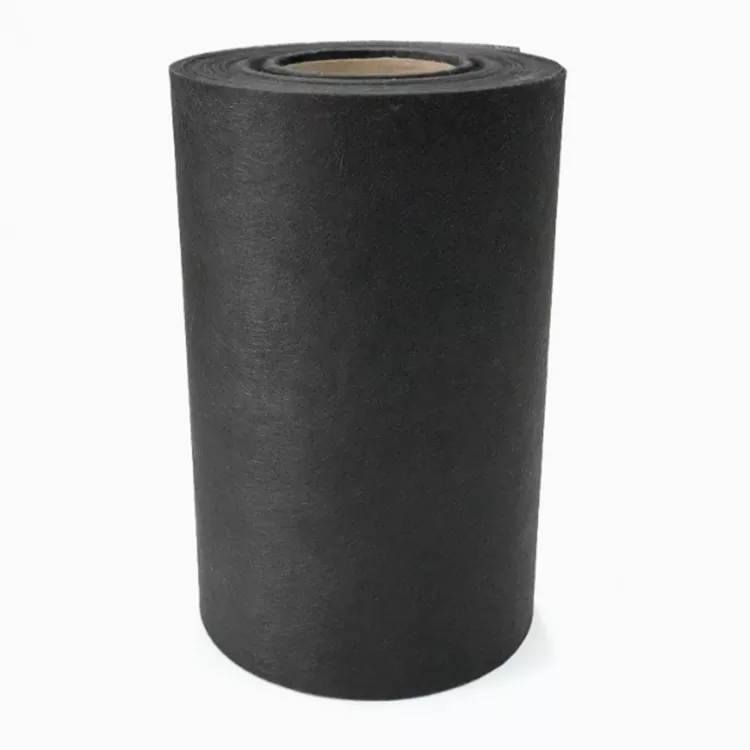
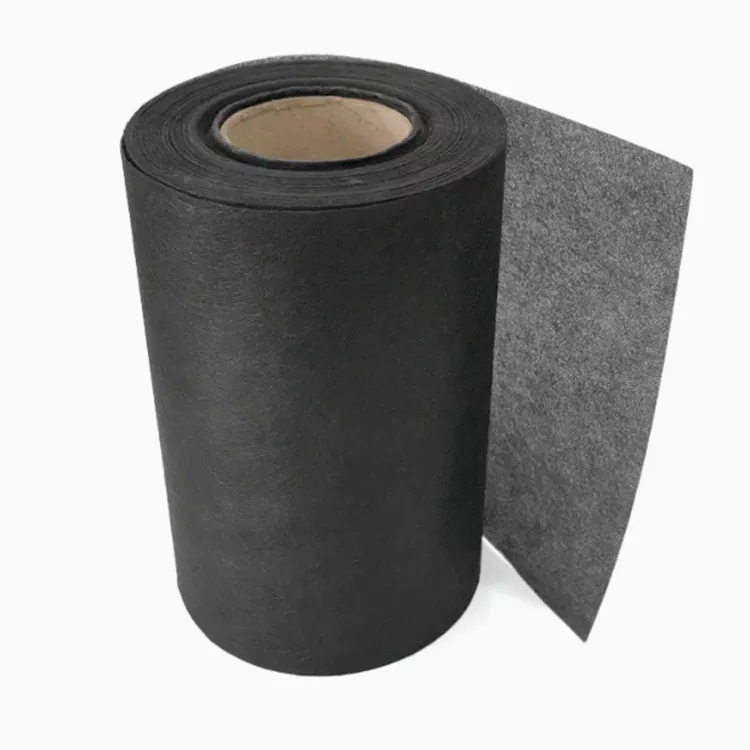
Carbon Fiber Surface Mat for Reinforcement Layer is a chopped carbon fiber non-woven mat used in composite manufacturing. Yuruis offers multiple material specifications, with customized width, thickness and length available for different CFRP and FRP production requirements.
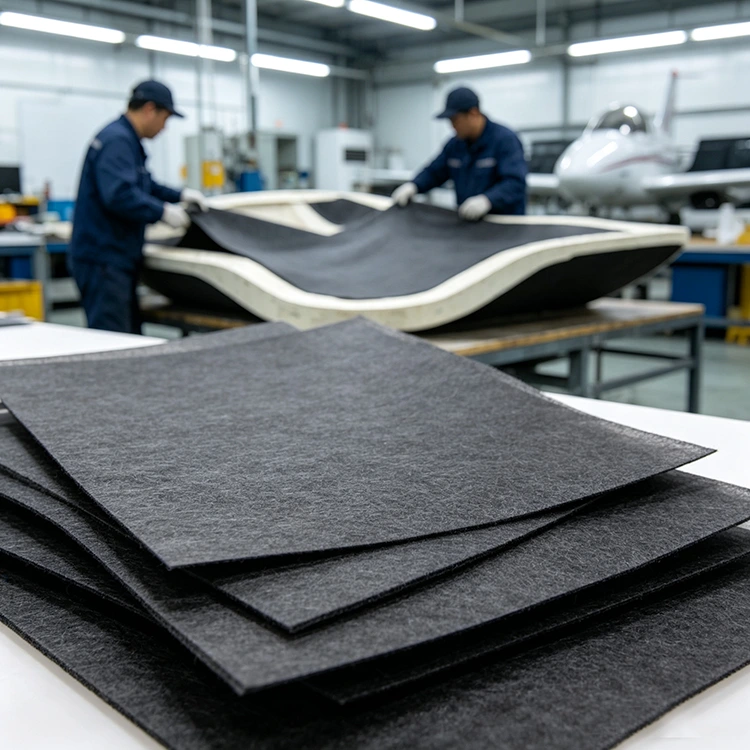
Carbon fiber surface mats are used in composite laminates when a distributed layer of chopped carbon fiber is required near the laminate surface or between reinforcement layers. Carbon Fiber Surface Mat for Reinforcement Layer is a non-woven material made from chopped carbon fibers. It is normally used alongside the main structural reinforcement, with the material specification selected according to the laminate construction, resin system and molding process.
Laminate Position
A composite laminate may contain woven carbon fabric, unidirectional fiber, glass fiber, core material and resin in different combinations. Each layer has a defined position and function.
A simplified construction can be arranged as:
Surface / Resin Layer
↓
Carbon Fiber Surface Mat
↓
Primary Carbon or Glass Fiber Reinforcement
↓
Core or Additional Laminate Layers
This sequence is only an example. The actual position is determined by the part design and manufacturing process. The mat is generally not used in place of the main load-bearing reinforcement.
Material Structure
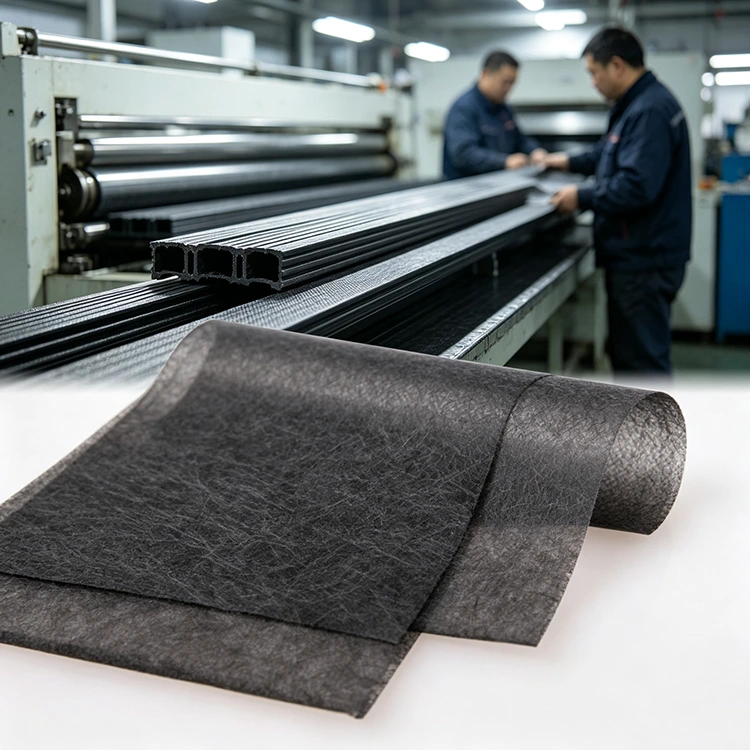
The material consists of chopped carbon fibers distributed into a non-woven mat structure. Unlike woven carbon fabric, the fibers do not follow a fixed warp-and-weft arrangement.
This structure allows the mat to cover a surface without introducing another defined fiber direction. It can also conform to curved sections of a molded part, depending on the areal weight, thickness and geometry.
The material may serve as a surface layer, a secondary reinforcement layer or a carbon-fiber layer within a multi-material laminate. Its contribution to the finished part is determined by the amount of carbon fiber added, its position in the laminate and the surrounding reinforcement.
Surface Mat and Structural Reinforcement
The two materials should not be selected on the same basis. Structural reinforcement is normally specified according to load, fiber direction and required mechanical properties. A surface mat is more concerned with distributed fiber coverage, laminate construction and local surface requirements.
|
Surface Mat |
Primary Reinforcement |
|
Distributed chopped-fiber structure |
Usually continuous or directionally arranged fibers |
|
Used as surface or secondary layer |
Main structural reinforcement |
|
Can conform to curved surfaces |
Selected according to load direction |
|
Helps build surface layers |
Designed primarily for mechanical load |
|
Weight and thickness selected according to laminate |
Fiber orientation and mechanical properties are major design factors |
|
Often used together with other reinforcement |
Forms the main reinforcement system |
Selecting the Mat Weight
Areal weight is one of the main parameters when specifying a carbon fiber mat. A lighter material can be used where only a thin distributed layer is required, while a heavier specification adds more carbon fiber to the laminate.
Weight should be considered together with thickness and resin uptake. The required specification also changes with the position of the mat, the number of reinforcement layers and the target thickness of the finished component.
Yuruis supplies multiple areal-weight specifications rather than one fixed weight. Customers can provide an existing specification, laminate drawing or sample when a specific weight needs to be matched.
A practical selection sequence is:
Areal weight → Thickness → Resin content → Laminate position → Finished-part requirement
Material Specification
|
Item |
Available Specification |
|
Product |
Carbon Fiber Surface Mat for Reinforcement Layer |
|
Brand |
Yuruis |
|
Material |
100% Carbon Fiber |
|
Raw Material |
Polyacrylonitrile-Based Carbon Fiber |
|
Fiber Form |
Chopped Fiber |
|
Structure |
Non-Woven Carbon Fiber Mat |
|
Performance |
Superior Modulus Type |
|
Mechanical Property |
High-Performance Type |
|
Areal Weight |
Multiple specifications available |
|
Width |
1 m / 1.25 m / Customized |
|
Thickness |
Customized |
|
Length |
Customer Request |
|
Dimensions |
Customer Made |
|
Surface |
Glossy / Matte / 50% Glossy |
|
Color |
Black |
|
Customization |
Available |
|
Packaging |
Paper Box |
|
Origin |
Taizhou, Jiangsu Province, China |
|
HS Code |
6815993100 |
|
Production Capacity |
2 Million m²/Year |
|
Trademark |
Yuruis |
Typical Applications
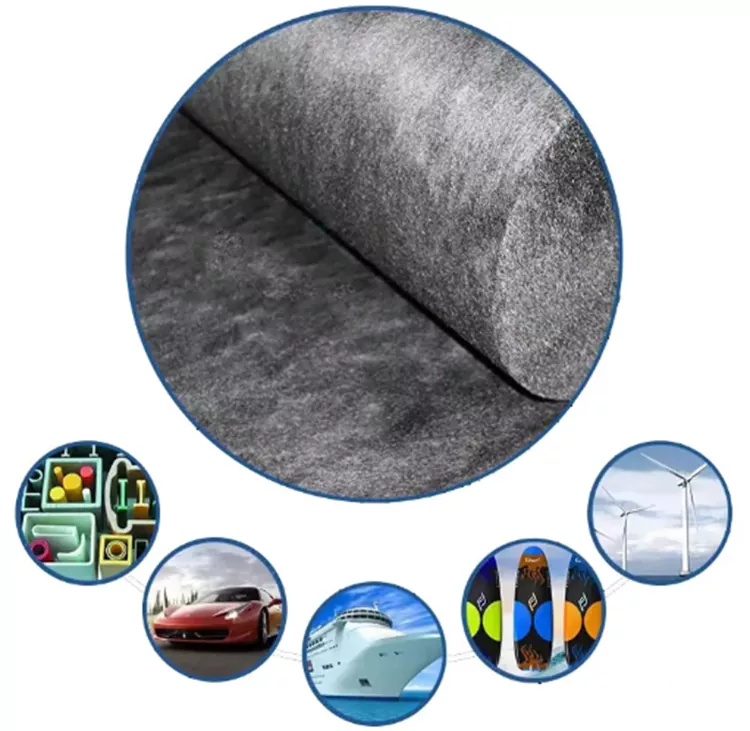
The material is intended for composite components that incorporate a distributed carbon-fiber layer. The actual construction varies according to the part geometry, reinforcement system and production method.
Automotive Components
It can be incorporated into selected panels, covers, housings and interior composite parts where a carbon-fiber layer is included in the laminate.
Industrial Composite Parts
Industrial molded components may combine the mat with woven, unidirectional or other reinforcement materials to build a multi-layer laminate.
CFRP Panels and Shells
For panels, covers and shell-type structures, the non-woven arrangement provides distributed carbon-fiber coverage without adding a fixed woven fiber direction.
FRP and CFRP Products
The mat can be incorporated into laminated FRP or CFRP structures where the material requirements call for chopped carbon fiber as one of the reinforcement layers.
Sports Equipment
Some lightweight composite sporting goods can incorporate chopped carbon fiber within a multi-layer laminate. The required material weight and construction depend on the finished component.

Resin and Molding
The resin system and molding method affect how the chopped fibers are incorporated into the laminate. Resin viscosity, wet-out, curing conditions and final laminate thickness should be considered when specifying the material.
The mat can be evaluated with epoxy and other resin systems. Compatibility should be checked against the actual resin formulation rather than assumed from the fiber material alone.
For vacuum infusion, the material needs to be considered together with the infusion setup, resin flow and complete laminate sequence. A sample trial can be used to check wet-out, handling and consolidation before regular production.
Yuruis Supply and Customization
Yuruis has supplied fiber composite materials since 2017. Its product range includes carbon fiber materials, E-glass roving, glass fiber mats and FRP products.
The Taizhou, Jiangsu operation includes forming, cutting and testing equipment, with a stated composite material production capacity of 2 million m² per year.
For a new specification, customers can provide a drawing, sample, existing material specification, target weight or required dimensions. This information can be used to determine the material configuration and supply format.
For Carbon Fiber Surface Mat for Reinforcement Layer, standard widths include 1 m and 1.25 m. Width, thickness, length and dimensions can also be discussed for customized production.
Frequently Asked Questions
What is a carbon fiber surface mat?
It is a non-woven mat made from chopped carbon fibers. In a composite laminate, it can form a distributed carbon-fiber layer near the surface or between other reinforcement layers.
Is it a replacement for woven carbon fiber fabric?
No. The two materials have different structures. Woven carbon fabric provides defined fiber directions, while chopped-fiber mat provides a more distributed arrangement and is normally used as an additional layer.
What weights are available?
Multiple areal weights are available. Selection depends on the required carbon-fiber content, laminate position, target thickness and finished-part requirements.
Can the width and thickness be customized?
Yes. Standard widths are 1 m and 1.25 m. Customized width, thickness, length and dimensions can be discussed according to the production requirement.
Can it be used with epoxy resin?
Yes, it can be evaluated with epoxy and other resin systems. Resin compatibility and wet-out should be confirmed through testing with the actual formulation.
Is it suitable for vacuum infusion?
It can be evaluated for vacuum infusion. The result depends on the resin viscosity, infusion setup, laminate sequence and required finished thickness.
Can it follow curved surfaces?
The non-woven chopped-fiber structure can conform to curved molded surfaces. Actual handling depends on the material weight, thickness and part geometry.
Can I request a sample before bulk production?
Yes. Sample requirements can be discussed based on the intended application, dimensions, material specification and processing method.
Send Inquiry
Contact Info
-
Address
No. 18, Fuyuan Road, Dalun Town Industrial Concentration Zone, Jiangyan District, Taizhou City, Jiangsu Province, China
-
Tel
-
Email
Send your requirements to Yuruis for carbon fiber materials, FRP grating or fiberglass materials. Include product specifications, dimensions, quantity, application or other requirements so our team can review the details and respond accordingly.
Related Products
News Recommendations





