
English
- English
- Español
- Português
- русский
- Français
- 日本語
- Deutsch
- tiếng Việt
- Italiano
- Nederlands
- ภาษาไทย
- Polski
- 한국어
- Svenska
- magyar
- Malay
- বাংলা ভাষার
- Dansk
- Suomi
- हिन्दी
- Pilipino
- Türkçe
- Gaeilge
- العربية
- Indonesia
- Norsk
- تمل
- český
- ελληνικά
- український
- Javanese
- فارسی
- தமிழ்
- తెలుగు
- नेपाली
- Burmese
- български
- ລາວ
- Latine
- Қазақша
- Euskal
- Azərbaycan
- Slovenský jazyk
- Македонски
- Lietuvos
- Eesti Keel
- Română
- Slovenski
- मराठी
- Srpski језик

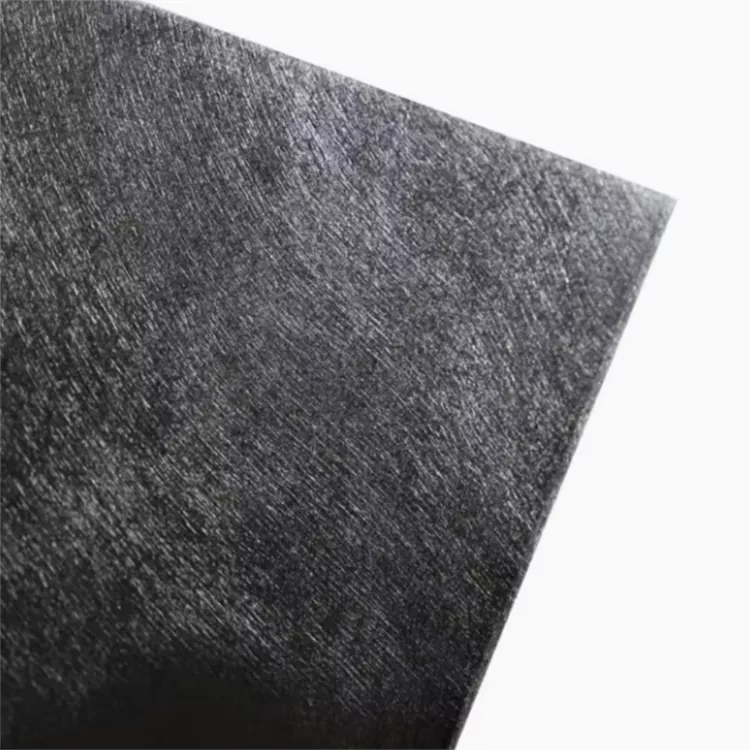
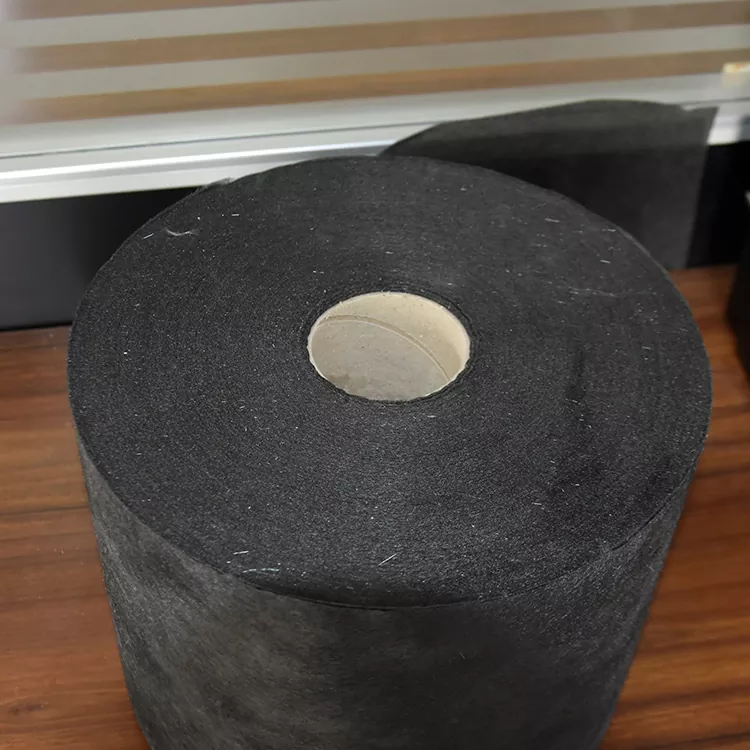
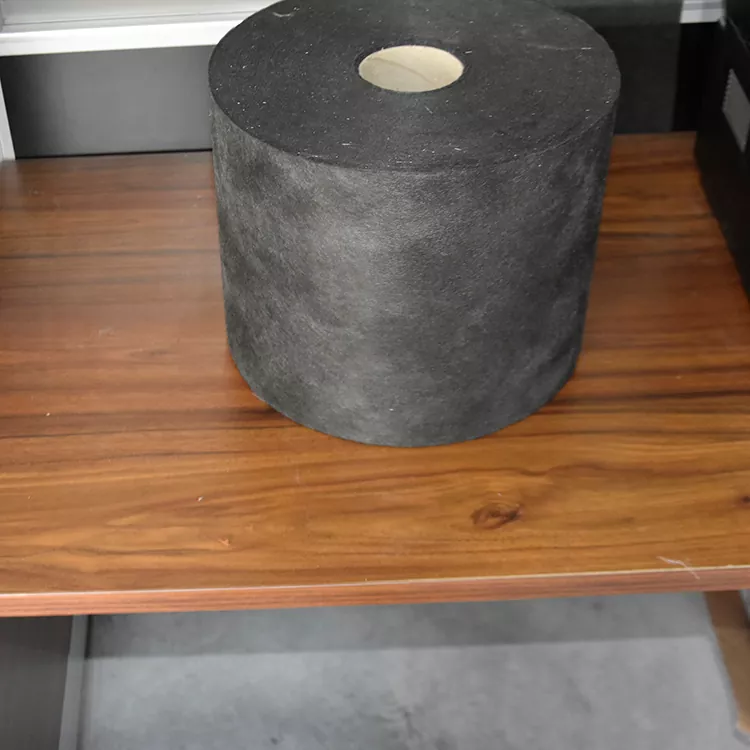
Carbon Fiber Surface Mat for Wet Electrostatic Precipitators
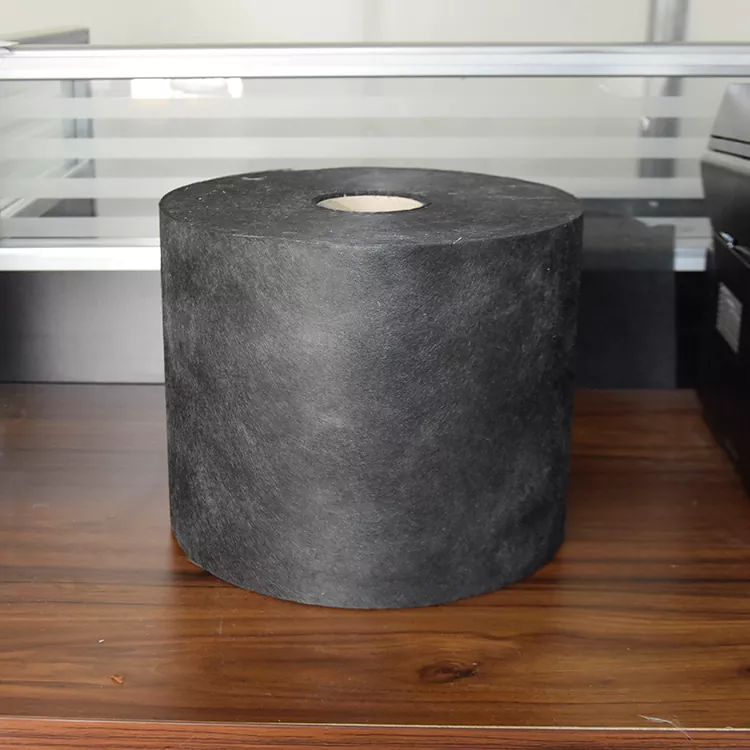
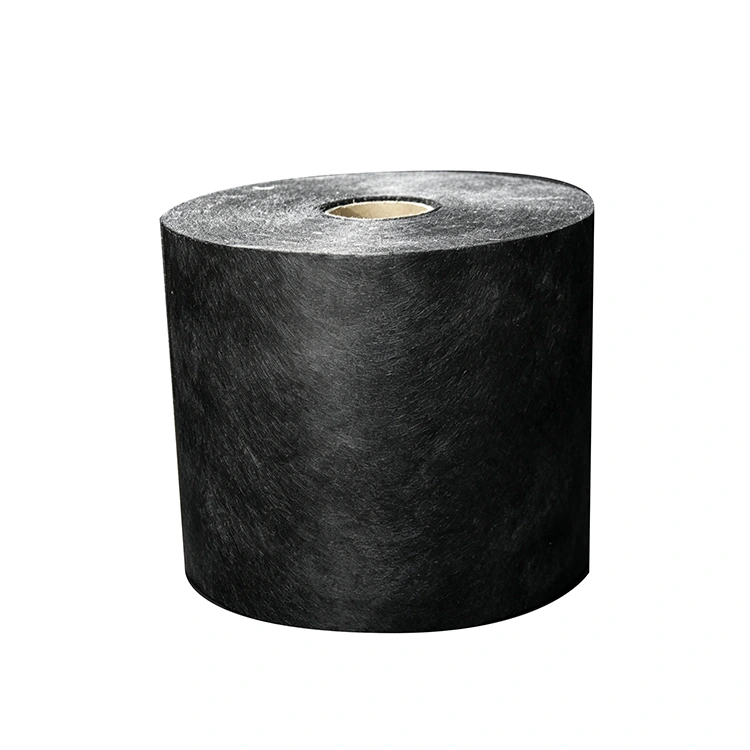
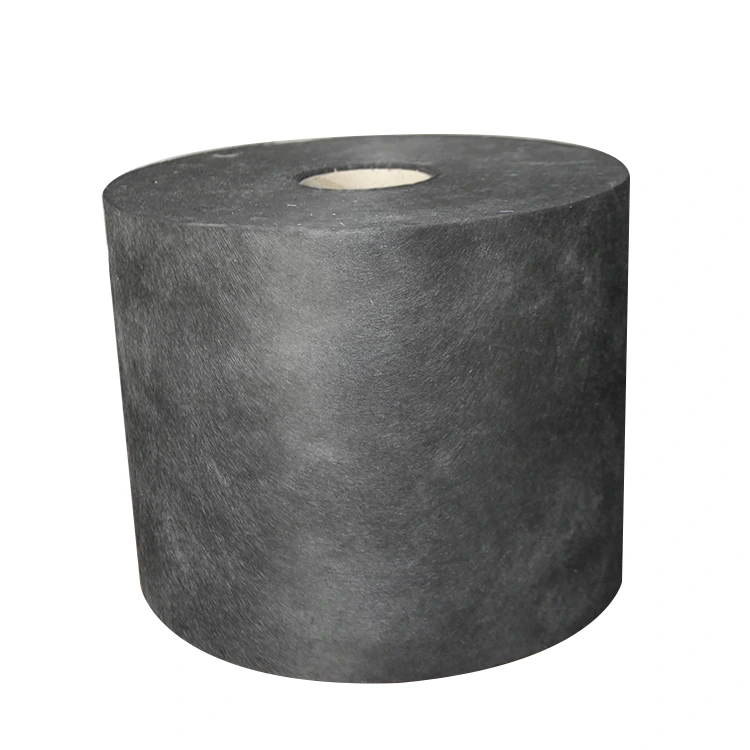
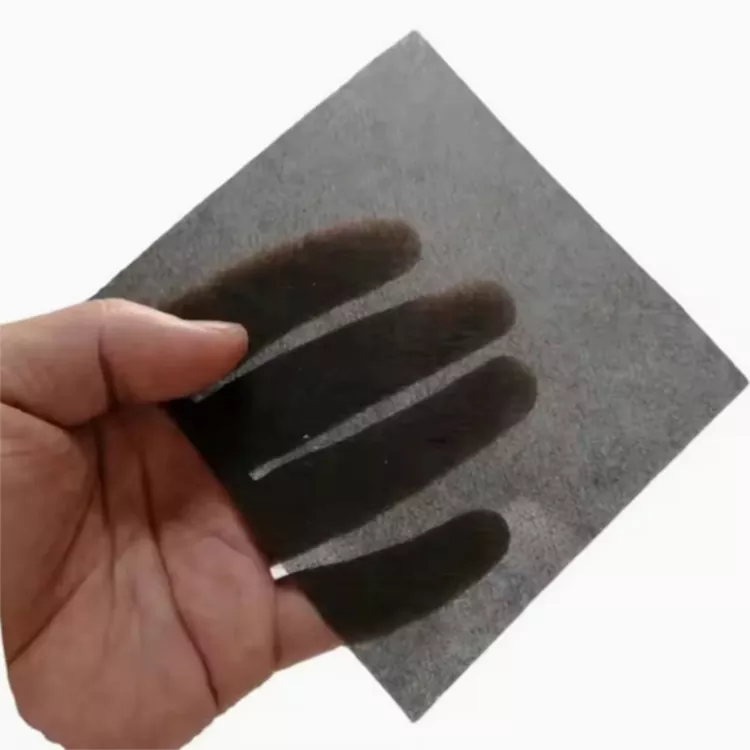
Yuruis Carbon Fiber Surface Mat for Wet Electrostatic Precipitators is intended for FRP tank manufacturers and industrial composite fabricators looking for a lightweight carbon fiber surface material that can improve the finish of molded tanks and integrate into corrosion-resistant composite structures. The chopped, non-woven carbon fiber mat offers uniform fiber distribution, good resin absorption, and flexible forming characteristics for chemical storage tanks, FRP vessels, process containers, and related industrial equipment.
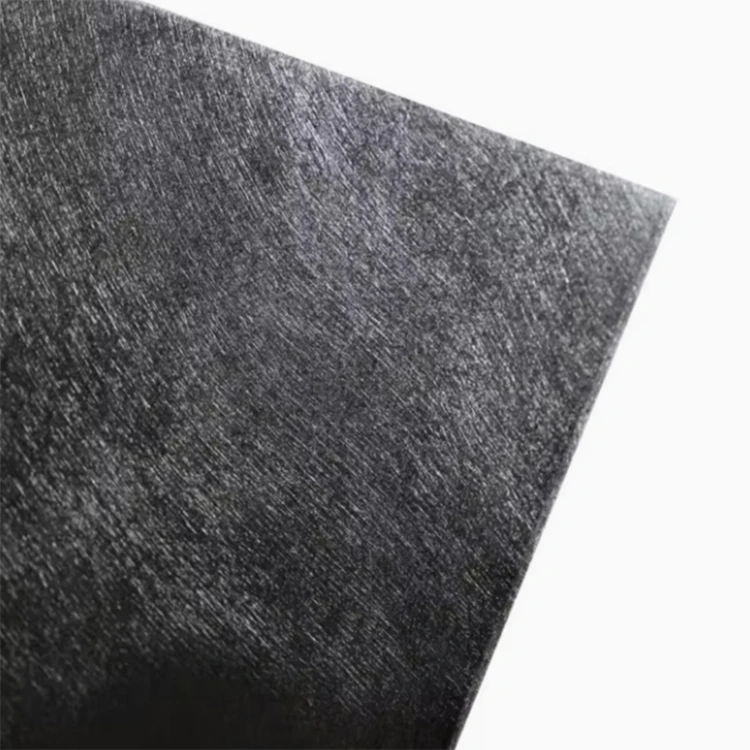
Carbon Fiber Surface Mat for Wet Electrostatic Precipitators is a non-woven material made from chopped polyacrylonitrile-based carbon fiber. It is used as a surface or secondary layer in composite components for wet electrostatic precipitation equipment, where the laminate may need a combination of carbon fiber coverage, molded-surface conformity and application-specific electrical characteristics.
Yuruis manufactures the material through fiber dispersion and wet forming. Unlike woven carbon fiber fabric, the chopped fibers do not follow a fixed warp-and-weft pattern. This gives the mat a different role within a composite laminate and allows it to be placed according to the geometry and processing requirements of the finished component.
The material should be evaluated as part of the complete composite system. Resin type, reinforcement sequence, fiber distribution, curing conditions and the operating environment all influence the properties of the finished part.
Material Role in Wet Electrostatic Equipment
Wet electrostatic precipitators combine electrical collection with a wet operating environment. Depending on the equipment design, composite components may be exposed to moisture, process gases, suspended particles and chemically active substances over extended operating periods.
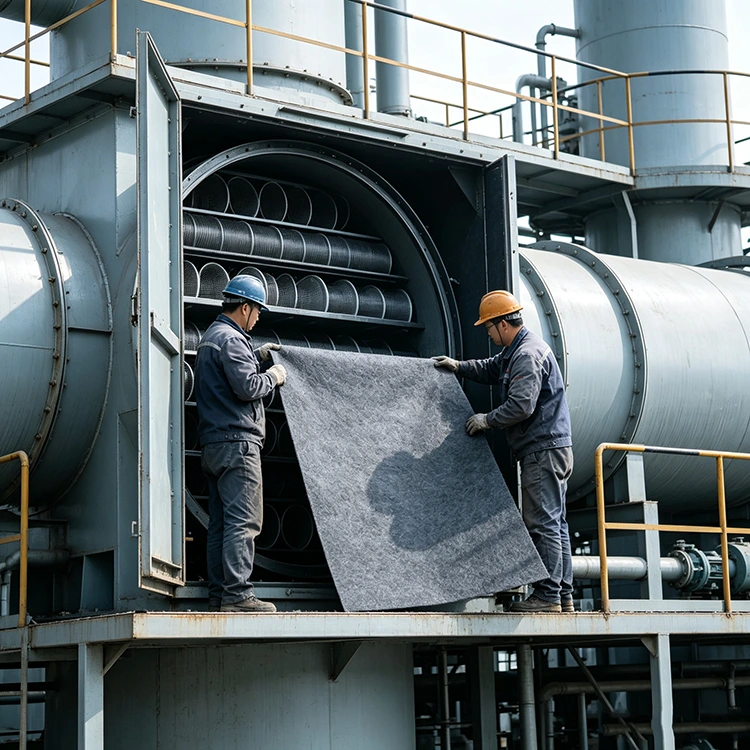
In this type of construction, a carbon fiber mat may be placed close to the molded surface or used between other reinforcement layers. Its function is different from that of the main structural fabric. The structural layers determine much of the component's load-bearing capacity, while the surface or secondary layer is selected for the particular requirements of the finished part.
Carbon fiber can also provide a conductive phase within a composite. However, the electrical behavior of the finished component cannot be determined from the carbon fiber content alone. Fiber distribution, resin content, layer continuity, electrical connections and component geometry all influence the available conductive path.
For electrostatic equipment, this is an important distinction. A material specification should be linked to the function of the actual component rather than treated as a standalone conductivity claim.
Structure, Lamination and Processing
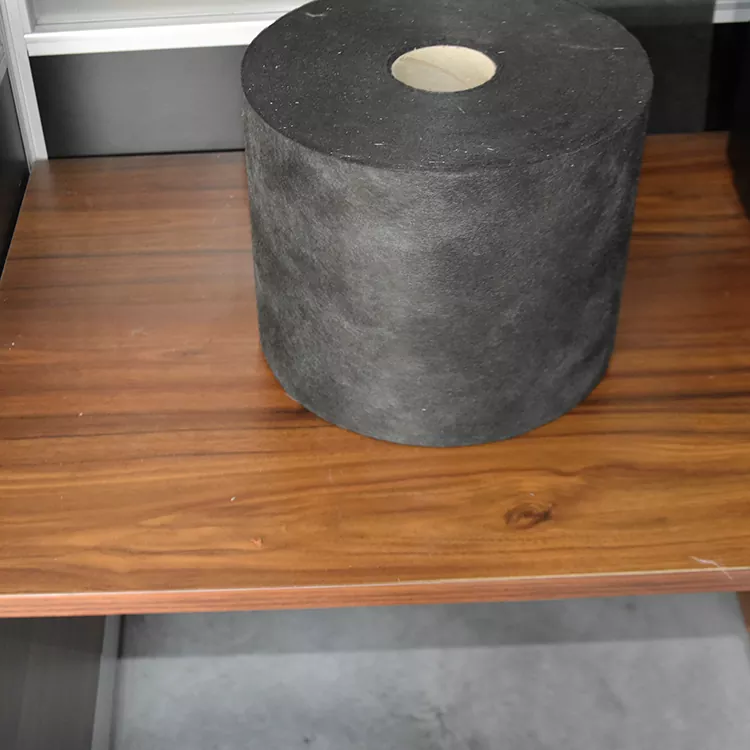
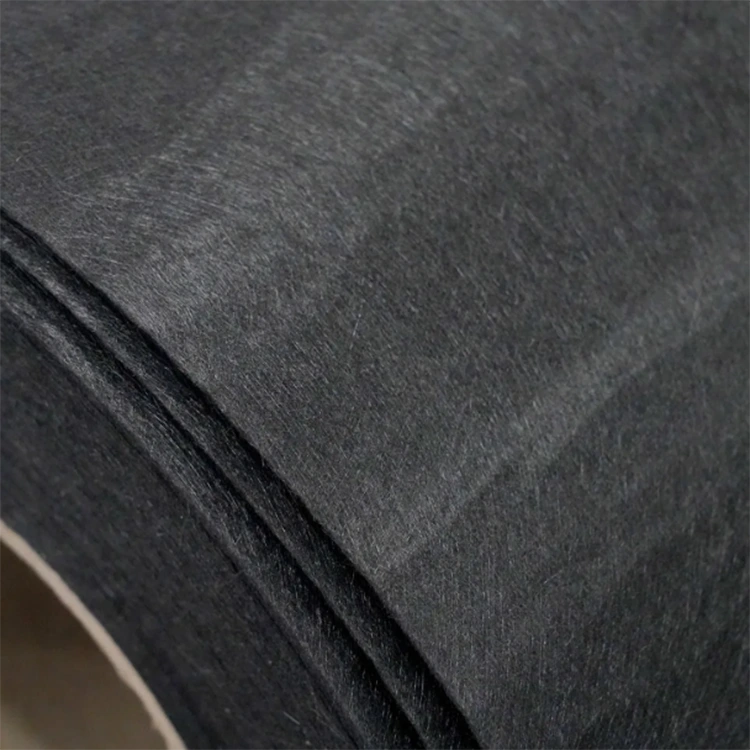
The material consists of chopped carbon fibers distributed through a non-woven layer. There is no continuous yarn arrangement as found in woven fabric, and there is no predetermined fiber direction as found in unidirectional reinforcement.
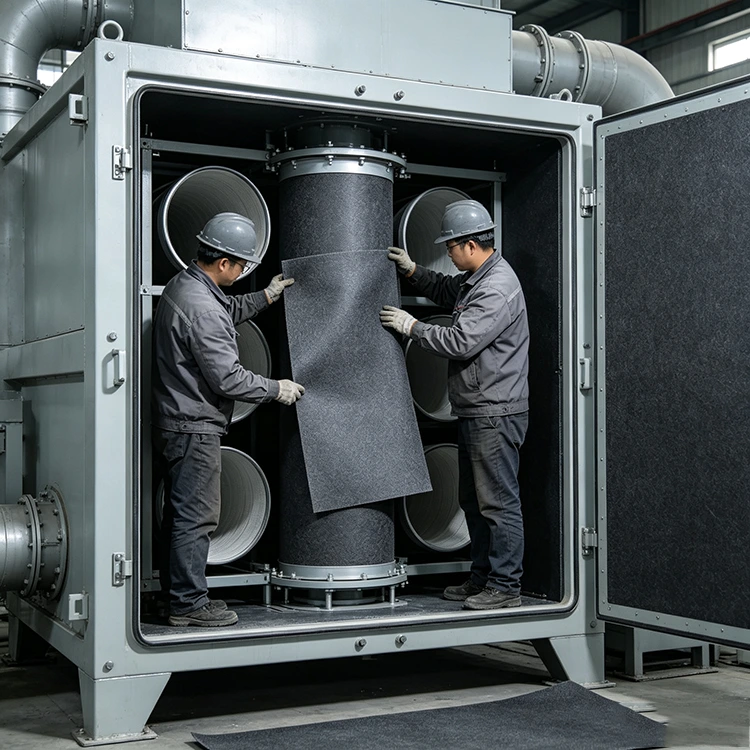
During laminate production, the mat is impregnated with the selected resin and consolidated with the surrounding reinforcement. The result depends on the resin viscosity, fiber distribution, application method, pressure, temperature and curing conditions used by the manufacturer.
The non-woven format can also be useful on molded surfaces with curves, corners, openings and transitions. Since there is no warp-and-weft orientation to maintain, material placement can be adapted to the shape of the component. The final forming behavior still depends on the geometry and molding process.
Carbon Fiber Surface Mat for Wet Electrostatic Precipitators is therefore normally selected as one layer within a laminate rather than as a substitute for the complete reinforcement system. Its weight, thickness and position should be matched to the component design.
Selection for WESP Composite Components
Material selection starts with the service conditions of the equipment. The process medium, operating temperature, moisture exposure and expected chemical contact should be identified before the laminate is finalized.
The resin system is particularly important. Carbon fiber does not by itself determine the chemical resistance of a finished composite component. Resin chemistry, fiber volume, curing quality, temperature and exposure time can all affect how the laminate behaves in service.
Where electrical performance is part of the component requirement, the laminate should also be considered as a complete electrical path. Layer continuity, contact points, joints and the geometry of the molded part can be as important as the choice of carbon fiber material.
The same material can also be considered for other industrial composite components requiring a chopped carbon fiber surface or secondary layer, including selected chemical-processing equipment, water-treatment components, composite housings and molded industrial structures.
Yuruis supplies glossy, matte and 50% glossy surface options. The appropriate finish can be selected according to the appearance and processing requirements of the finished composite component.
Product Specifications
|
Item |
Specification |
|
Product Name |
Carbon Fiber Surface Mat for Wet Electrostatic Precipitators |
|
Brand |
Yuruis |
|
Material |
100% Carbon Fiber |
|
Raw Material |
Polyacrylonitrile-Based Carbon Fiber |
|
Fiber Form |
Chopped Fiber |
|
Structure |
Non-Woven Carbon Fiber Mat |
|
Performance |
Superior Modulus Type |
|
Mechanical Property |
High-Performance Type |
|
Surface |
Glossy / Matte / 50% Glossy |
|
Color |
Black |
|
Width |
1 meter / 1.25 meters |
|
Dimensions |
Custom |
|
Thickness |
Customized |
|
Length |
Customer's Request |
|
Packaging |
Paper Box |
|
Origin |
Taizhou, Jiangsu Province, China |
|
HS Code |
6815993100 |
|
Production Capacity |
2 Million m²/Year |
|
MOQ |
30 tons |
|
Production Lead Time |
Within 15 working days* |
Specification Information for Production Orders
For a quotation, the intended component and its production conditions are more useful than a general application description. Information such as laminate structure, resin system, required width, thickness, estimated quantity and molding process can be used to define the material requirement.
For WESP-related components, the operating medium, temperature range and any defined electrical or surface requirements should also be provided. This allows the material specification to be considered in relation to the actual component instead of treating every project as the same application.
Yuruis Composite Material Supply
Taizhou Yuruis New Materials Co., Ltd. has focused on fiber composite materials since 2017. Its product range includes carbon fiber materials, fiberglass products and FRP-related materials for industrial composite manufacturing.
The production facilities include equipment for composite forming, cutting, coating and material inspection. The listed production capacity for this product is 2 million m² per year, with customized dimensions available according to production requirements.
Yuruis maintains an ISO 9001 quality management system certification. For application-specific projects, material specifications, testing requirements and any required certification should be confirmed against the final component and its operating conditions.
FAQ
What is Carbon Fiber Surface Mat for Wet Electrostatic Precipitators used for?
It is a non-woven carbon fiber material for composite components used in wet electrostatic precipitation equipment and other industrial applications. It can be incorporated as a surface or secondary layer according to the laminate design.
Can the mat contribute to electrical conductivity?
Carbon fiber provides a conductive material phase, but the electrical behavior of the finished component depends on fiber distribution, resin content, layer continuity, connections and component geometry. Electrical requirements should therefore be evaluated at the laminate level.
How does the resin affect material selection?
The resin influences wet-out, curing, chemical resistance and the service behavior of the finished composite. Its compatibility with the operating medium, temperature and processing method should be considered together with the reinforcement system.
Can it be combined with woven carbon fiber?
Yes. The mat can be used with woven, stitched or other reinforcement when different layers are assigned different functions. The final layer sequence depends on the mechanical, electrical and processing requirements of the component.
Can the width and thickness be customized?
Yes. The listed width options are 1 meter and 1.25 meters, while dimensions, thickness and length can be customized according to production requirements.
What are the MOQ and production lead time?
The listed MOQ is 30 tons and the stated production lead time is within 15 working days. The actual schedule should be confirmed according to the required specification, quantity and production status.
For a product quotation, provide the intended component, laminate structure, material dimensions, estimated quantity and delivery destination. For wet electrostatic precipitation equipment, operating conditions and any specific electrical requirements should also be included.
Send Inquiry
Contact Info
-
Address
No. 18, Fuyuan Road, Dalun Town Industrial Concentration Zone, Jiangyan District, Taizhou City, Jiangsu Province, China
-
Tel
-
Email
Send your requirements to Yuruis for carbon fiber materials, FRP grating or fiberglass materials. Include product specifications, dimensions, quantity, application or other requirements so our team can review the details and respond accordingly.
Related Products
News Recommendations





