
English
- English
- Español
- Português
- русский
- Français
- 日本語
- Deutsch
- tiếng Việt
- Italiano
- Nederlands
- ภาษาไทย
- Polski
- 한국어
- Svenska
- magyar
- Malay
- বাংলা ভাষার
- Dansk
- Suomi
- हिन्दी
- Pilipino
- Türkçe
- Gaeilge
- العربية
- Indonesia
- Norsk
- تمل
- český
- ελληνικά
- український
- Javanese
- فارسی
- தமிழ்
- తెలుగు
- नेपाली
- Burmese
- български
- ລາວ
- Latine
- Қазақша
- Euskal
- Azərbaycan
- Slovenský jazyk
- Македонски
- Lietuvos
- Eesti Keel
- Română
- Slovenski
- मराठी
- Srpski језик

Fiberglass Woven Roving Fabric
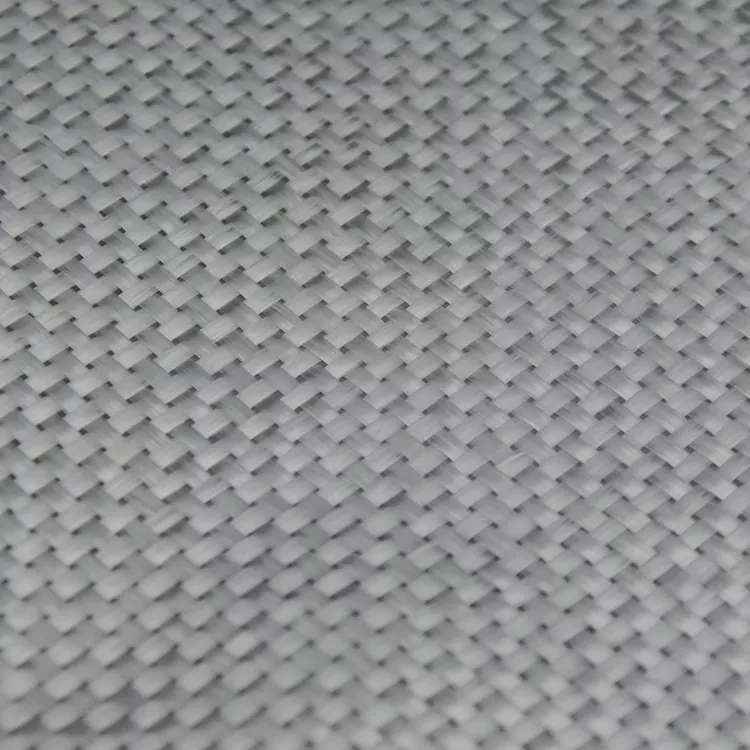
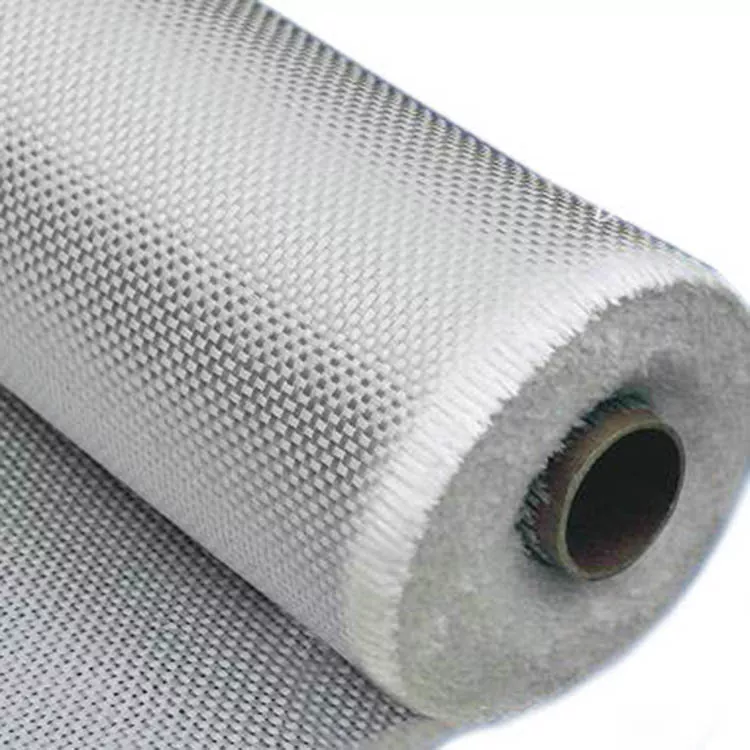
Yuruis Fiberglass Woven Roving Fabric is a two-directional fiberglass reinforcement fabric for FRP/GRP composite manufacturing, supplied to manufacturers of tanks, boats, panels, containers, automotive components and other industrial composite parts. Made from continuous E-Glass roving in a plain woven structure, it is designed for buyers who need a stable reinforcement layer that can work with unsaturated polyester, vinyl ester or epoxy resin systems.
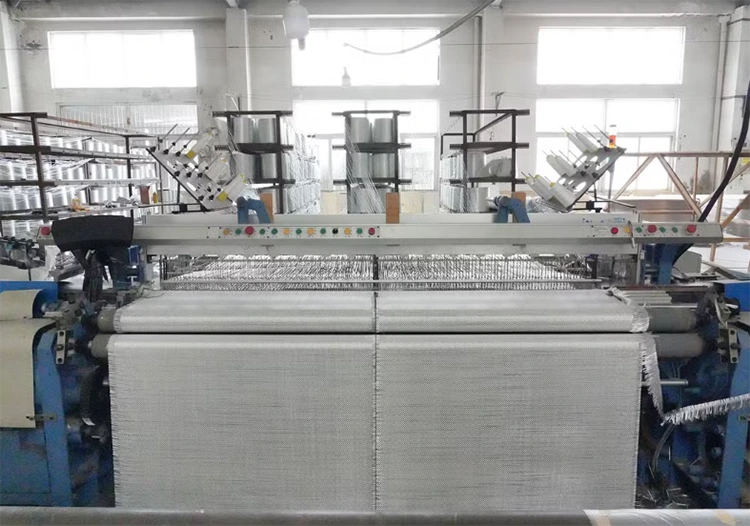
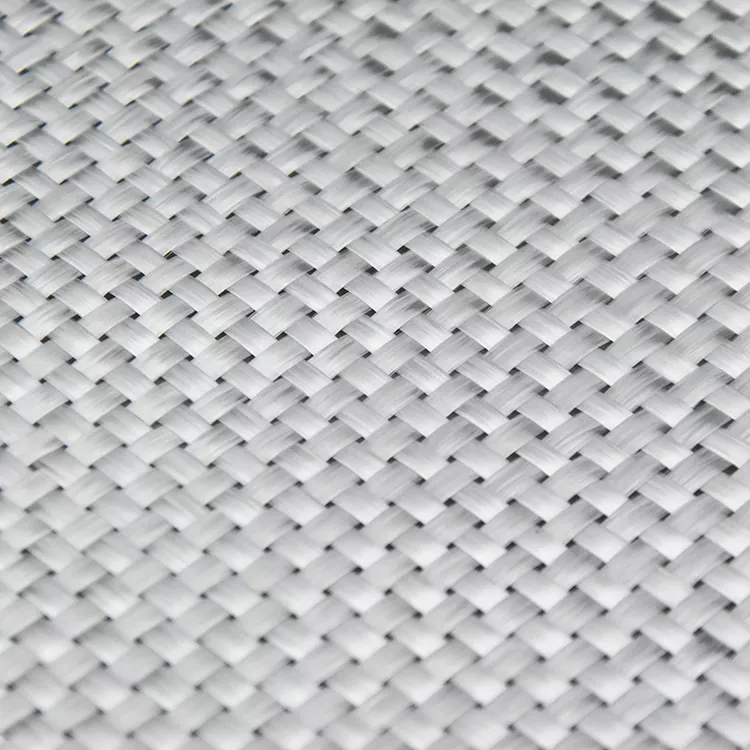
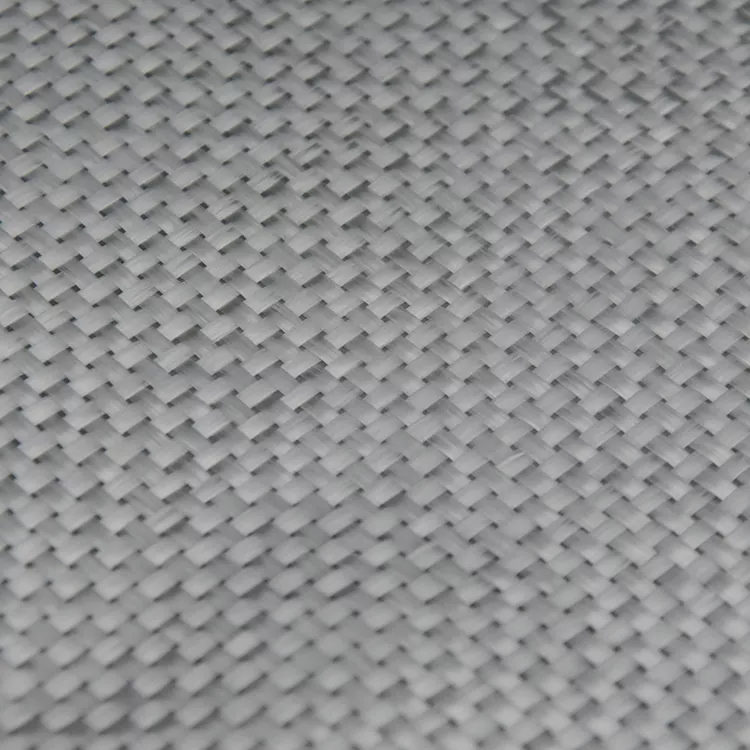
Fiberglass Woven Roving Fabric is a continuous-fiber reinforcement material used in FRP and GRP laminate construction. It is made by weaving continuous glass fiber roving in the warp and weft directions, forming a stable two-directional reinforcement layer. Unlike chopped strand materials, the fibers have a defined orientation, making woven roving suitable for composite structures where reinforcement needs to follow specific directions.
Yuruis supplies woven roving in different area weights and widths for composite manufacturing. The appropriate specification can be selected according to laminate design, resin system, molding method, part dimensions and the requirements of the finished composite.
Continuous Fiber Structure for FRP Laminate Reinforcement
The fabric is made from continuous glass fiber roving rather than randomly distributed short fibers. The roving is arranged in the warp and weft directions through a plain woven structure, giving the reinforcement a defined two-directional fiber layout.
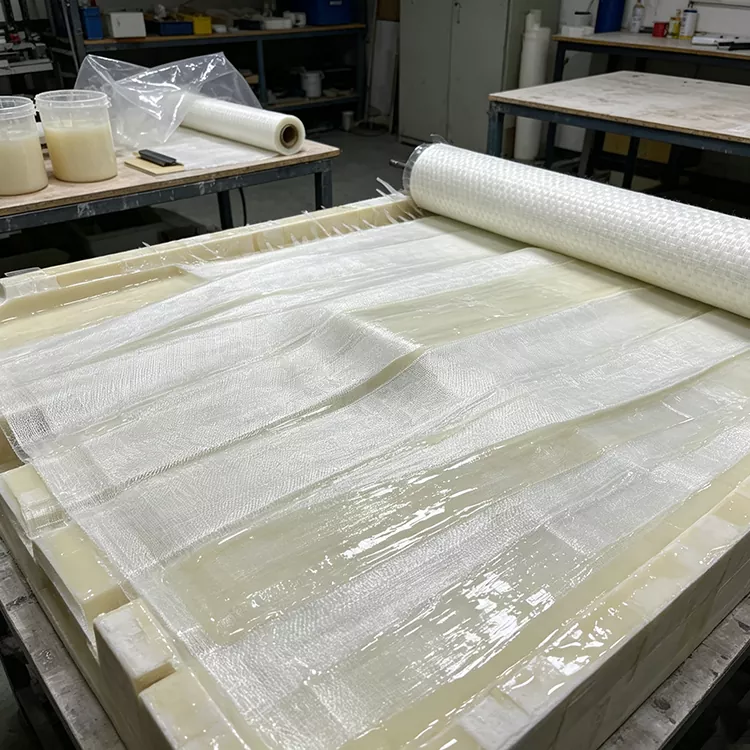
During composite production, the fabric can be cut to the required size, positioned on the mold and impregnated with resin. Several layers may also be combined with chopped strand mat or other reinforcement materials when different parts of the laminate require different reinforcement characteristics.
The final mechanical properties of a composite depend on more than the fabric itself. Fiber orientation, resin content, layer sequence, curing conditions and manufacturing quality should all be considered when designing the laminate.
Resin Compatibility for Composite Manufacturing
Yuruis Fiberglass Woven Roving Fabric can be used with commonly applied FRP resin systems, including unsaturated polyester, vinyl ester and epoxy. Resin selection should be matched with the fabric sizing, laminate structure and service conditions of the finished component.
Unsaturated Polyester
Used for general FRP manufacturing, including molded composite products, panels, tanks and other fabricated structures.
Vinyl Ester
Selected for composite structures where the finished laminate requires greater resistance to demanding chemical or environmental exposure.
Epoxy
Used when the composite design is based on an epoxy resin system and requires the corresponding bonding and structural characteristics.
The appropriate resin and laminate configuration should be confirmed according to the actual fabric sizing, resin formulation, manufacturing process and service environment.
How Woven Roving Is Used in Composite Structures
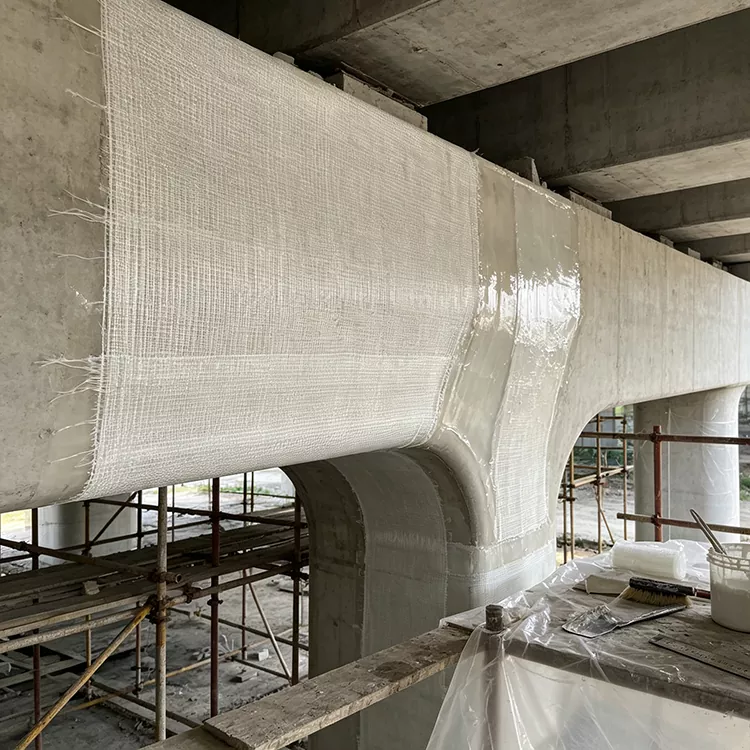
Woven roving becomes part of the finished laminate rather than functioning as a standalone textile. Its continuous fibers and defined warp-and-weft structure make it useful where reinforcement needs to be distributed across the surface of a composite component.
FRP Tanks and Containers
Used as reinforcement within multilayer composite walls, particularly where several reinforcement layers are combined to achieve the required laminate construction.
Boats and Marine Components
Applied in hulls, decks and other fiberglass composite components where continuous glass fiber reinforcement forms part of the laminate.
FRP Panels and Compartment Structures
Provides continuous reinforcement across larger composite surfaces and can be combined with other fiberglass materials according to the panel design.
Automotive Composite Components
Can be incorporated into selected composite parts where fiber reinforcement, component geometry and weight requirements need to be considered together.
Industrial FRP Equipment
Used in fabricated composite structures such as industrial equipment and corrosion-resistant FRP components, subject to the resin and laminate system selected for the operating environment.

200–800 g/m² for Different Laminate Requirements
Yuruis provides several area-weight options rather than restricting production to a single woven roving specification. Area weight is one of the basic parameters used when calculating reinforcement consumption and laminate construction.
The required GSM should be considered together with the number of layers, fiber orientation, resin content, finished thickness and molding process. A higher area weight does not by itself determine the final mechanical performance of the composite.
|
Product Code |
Glass Fiber |
Area Weight |
Width |
|
EWR/CWR |
E/C-Glass |
200 g/m² |
50–3300 mm |
|
EWR/CWR |
E/C-Glass |
280 g/m² |
50–3300 mm |
|
EWR/CWR |
E/C-Glass |
360 g/m² |
50–3300 mm |
|
EWR/CWR |
E/C-Glass |
400 g/m² |
50–3300 mm |
|
EWR/CWR |
E/C-Glass |
500 g/m² |
50–3300 mm |
|
EWR/CWR |
E/C-Glass |
600 g/m² |
50–3300 mm |
|
EWR/CWR |
E/C-Glass |
800 g/m² |
50–3300 mm |
Reference Specifications
The following specifications provide a reference for the standard woven roving configuration. Actual material selection can be adjusted according to the intended composite manufacturing process.
|
Property |
Specification |
|
Brand |
Yuruis |
|
Product |
Fiberglass Woven Roving Fabric |
|
Fiber |
E-Glass / E-C Glass |
|
Structure |
Plain Woven |
|
Reinforcement |
Two-directional |
|
Surface Treatment |
Impregnating Agent |
|
Color |
White |
|
Width |
50–3300 mm |
|
Standard Reference |
1 meter wide |
|
Customization |
Available |
|
Production Capacity |
3,000 Tons/Year |
|
Origin |
Taizhou, Jiangsu, China |
From Woven Fabric to Bulk Shipment
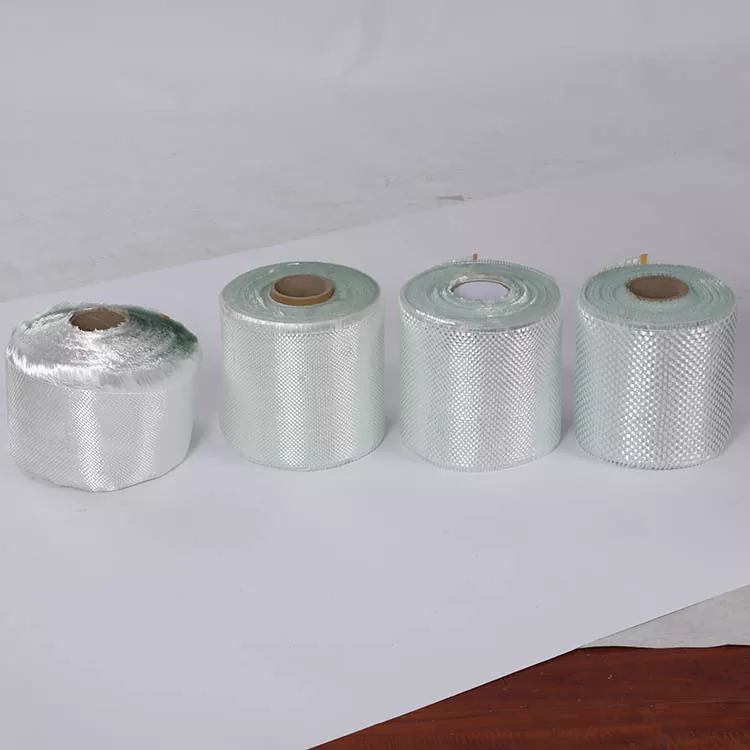
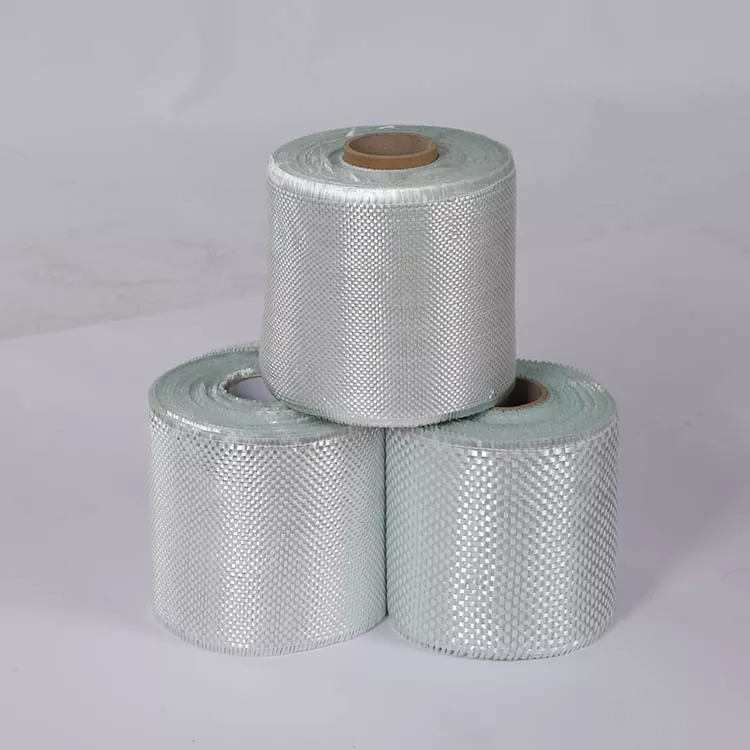
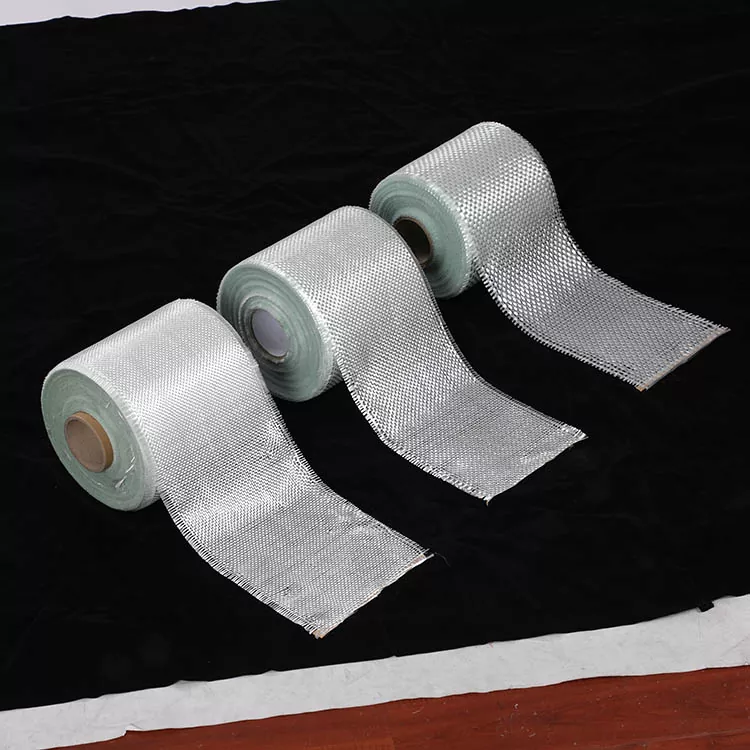
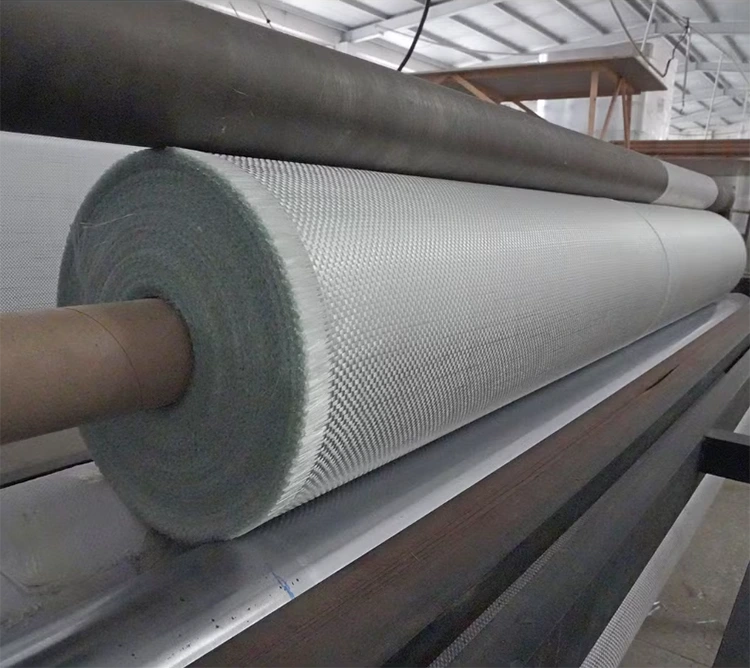
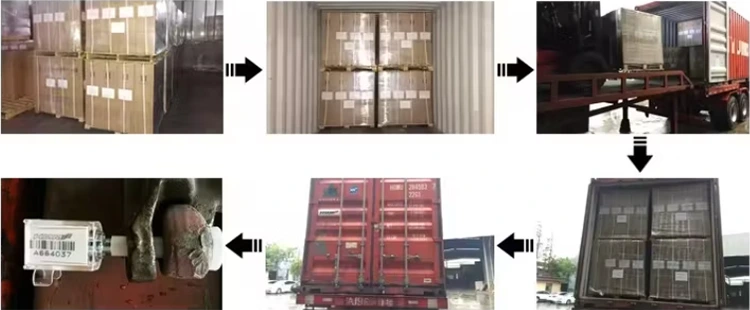
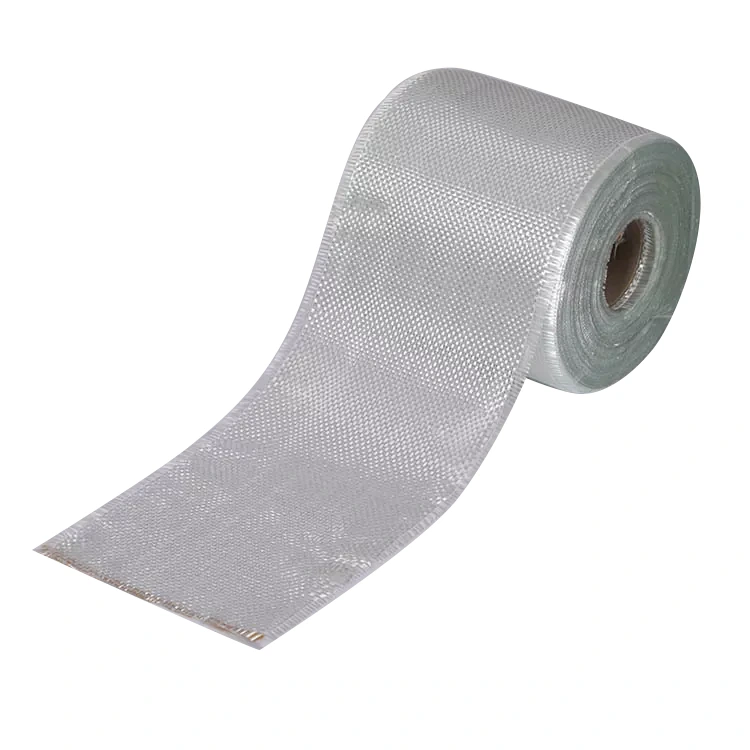
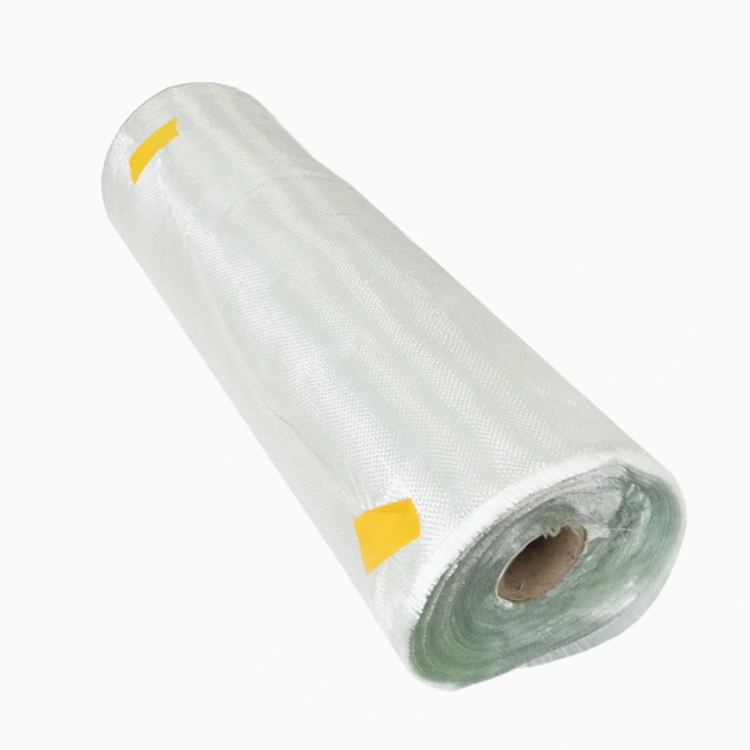
Yuruis supplies the woven roving in roll form and can discuss the required width, roll length, weight and packaging configuration before production.
For repeat production, an existing product specification, approved sample or previous order record can be used as a reference for material matching. This is particularly useful when the woven roving is already integrated into an established laminate process.
Actual Shipment & Packaging
Specify the Reinforcement Before Ordering
For a quotation or product matching request, the following information is useful:
Required GSM + width + roll length + quantity + resin system + application
If you already have a woven roving specification from your current supplier, sending the existing GSM, width, fiber type and fabric construction can help identify a comparable specification.
For customized requirements, information about the molding process, laminate structure and finished component dimensions can also be provided.
FAQ
1. What is Fiberglass Woven Roving Fabric used for?
It is primarily used as continuous-fiber reinforcement in FRP and GRP composite products such as tanks, containers, boats, panels, automotive composite components and industrial structures.
2. Is this fabric made from continuous glass fiber?
Yes. It is made from continuous, generally untwisted fiberglass roving woven in the warp and weft directions.
3. What does two-directional reinforcement mean?
The glass fibers are arranged in both the warp and weft directions, allowing the woven layer to provide reinforcement across two principal directions of the composite laminate.
4. Which resin systems are compatible with the fabric?
The supplied information indicates compatibility with unsaturated polyester, vinyl ester and epoxy resin systems. Final compatibility should be confirmed according to the fabric sizing, resin formulation and intended manufacturing process.
5. What GSM options are available?
The listed range includes 200, 280, 360, 400, 500, 600 and 800 g/m², with widths from 50 to 3300 mm.
6. Can Yuruis customize the woven roving?
Yes. Width, area weight, roll configuration and other production specifications can be discussed according to the requirements of the composite manufacturing process.
7. How should the appropriate woven roving specification be selected?
Selection should consider the required laminate thickness, fiber orientation, resin system, molding process, part geometry and service conditions. GSM and width alone do not determine the performance of the finished composite.
Providing an existing fabric specification, technical data sheet, sample or laminate requirement can help with product matching.
Send Inquiry
Contact Info
-
Address
No. 18, Fuyuan Road, Dalun Town Industrial Concentration Zone, Jiangyan District, Taizhou City, Jiangsu Province, China
-
Tel
-
Email
Send your requirements to Yuruis for carbon fiber materials, FRP grating or fiberglass materials. Include product specifications, dimensions, quantity, application or other requirements so our team can review the details and respond accordingly.
News Recommendations





