
English
- English
- Español
- Português
- русский
- Français
- 日本語
- Deutsch
- tiếng Việt
- Italiano
- Nederlands
- ภาษาไทย
- Polski
- 한국어
- Svenska
- magyar
- Malay
- বাংলা ভাষার
- Dansk
- Suomi
- हिन्दी
- Pilipino
- Türkçe
- Gaeilge
- العربية
- Indonesia
- Norsk
- تمل
- český
- ελληνικά
- український
- Javanese
- فارسی
- தமிழ்
- తెలుగు
- नेपाली
- Burmese
- български
- ລາວ
- Latine
- Қазақша
- Euskal
- Azərbaycan
- Slovenský jazyk
- Македонски
- Lietuvos
- Eesti Keel
- Română
- Slovenski
- मराठी
- Srpski језик

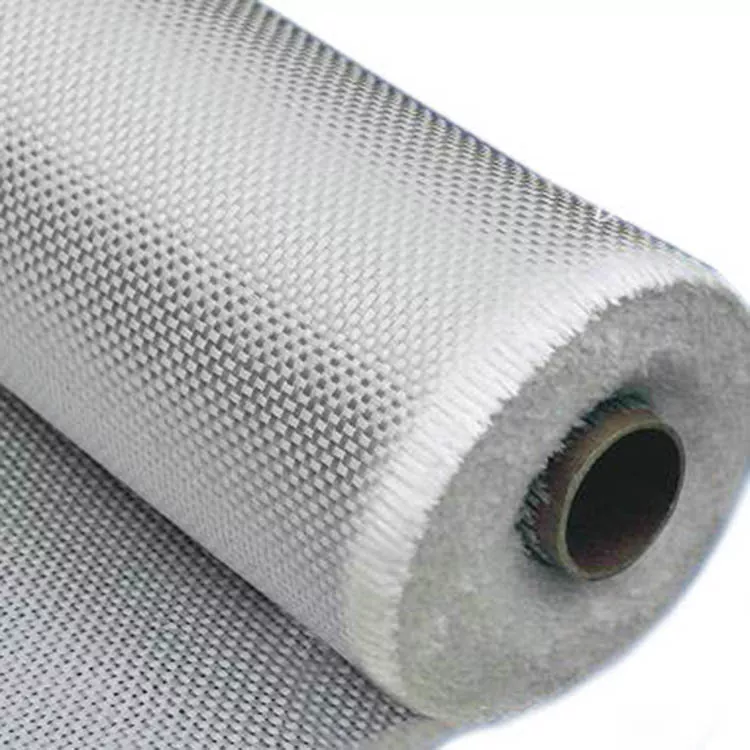
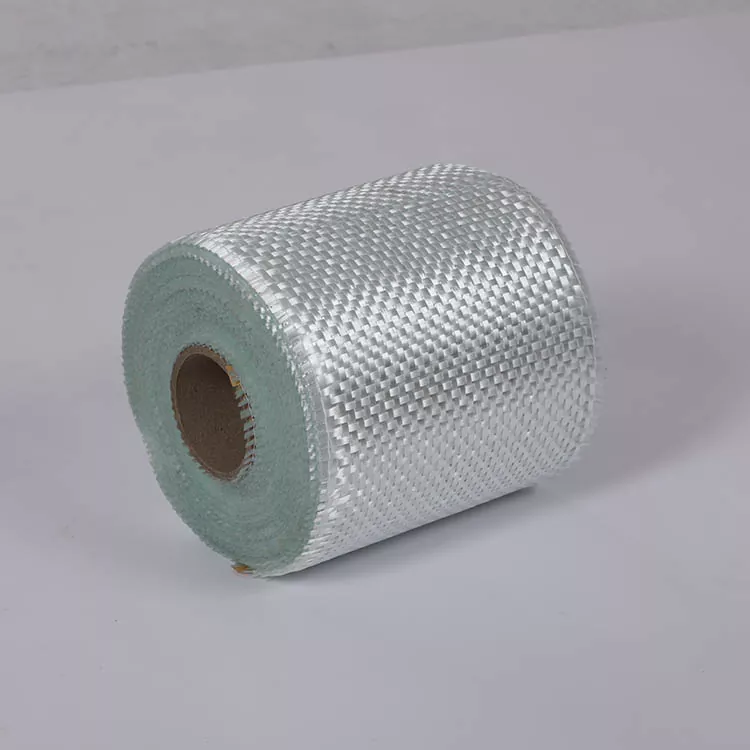
Soft Fiberglass Woven Roving
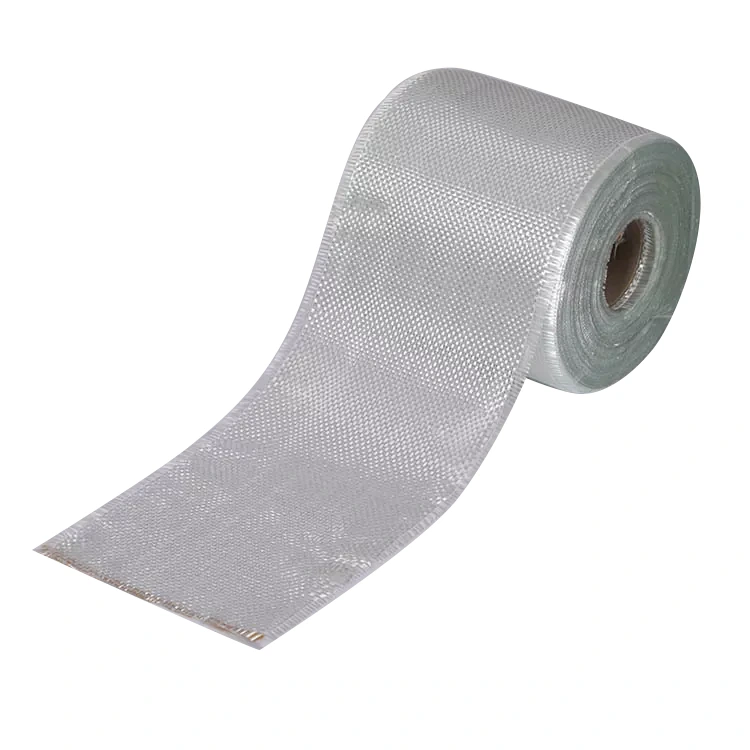
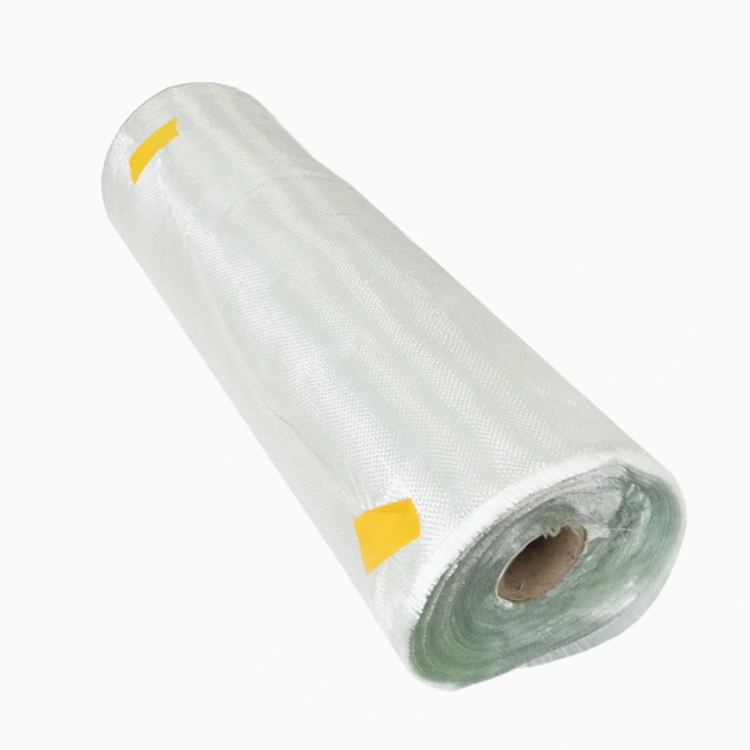
Yuruis Soft Fiberglass Woven Roving is a flexible woven fiberglass reinforcement for FRP manufacturing, designed for buyers who need a continuous-fiber structure that is easier to handle during lay-up and adaptable to different laminate designs. It is intended for FRP tank, pipe, panel, boat, automotive and construction composite manufacturers looking for reliable reinforcement in structural laminate layers.
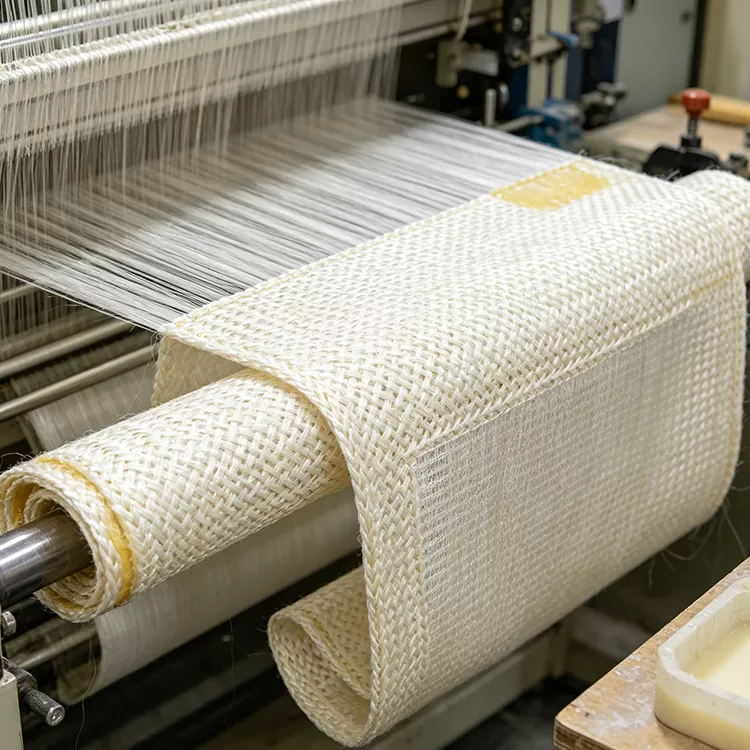
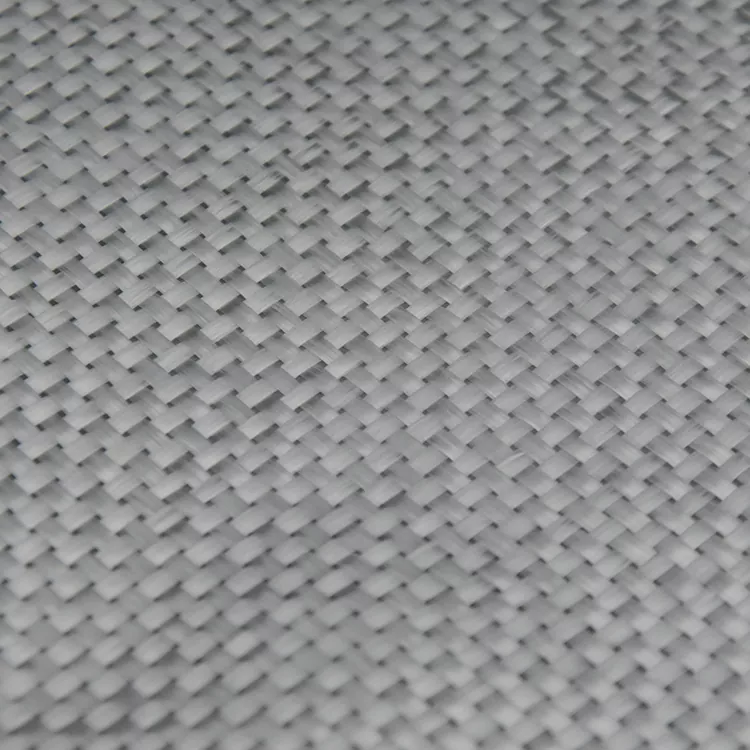
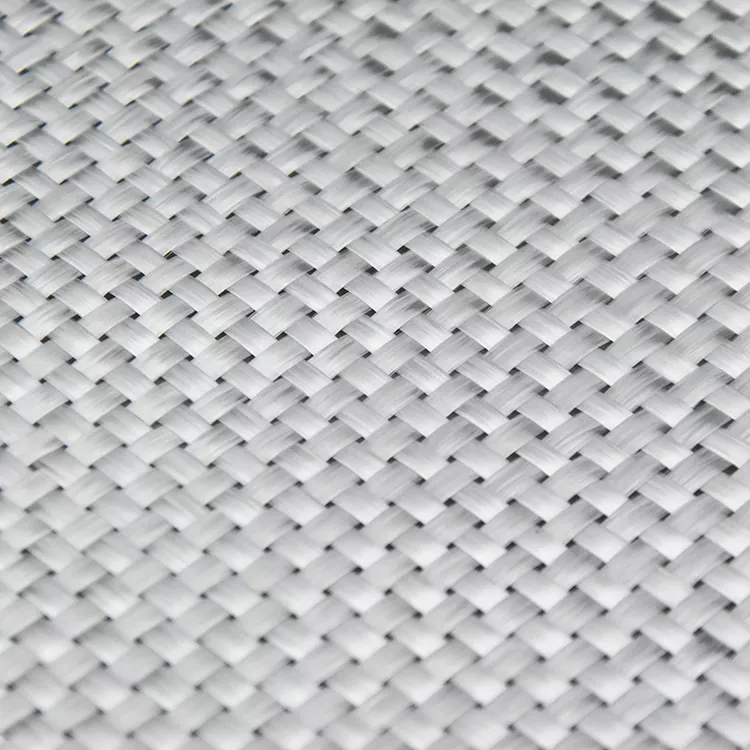
Unlike a chopped strand mat, Soft Fiberglass Woven Roving is made from continuous glass fiber yarns arranged in the warp and weft directions. This creates a defined reinforcement structure while keeping the fabric relatively easy to handle during lay-up. The softer fabric construction can be useful when reinforcement needs to follow curved molds, fit around corners or be placed together with other laminate materials.
Soft Woven Construction for Composite Lay-Up
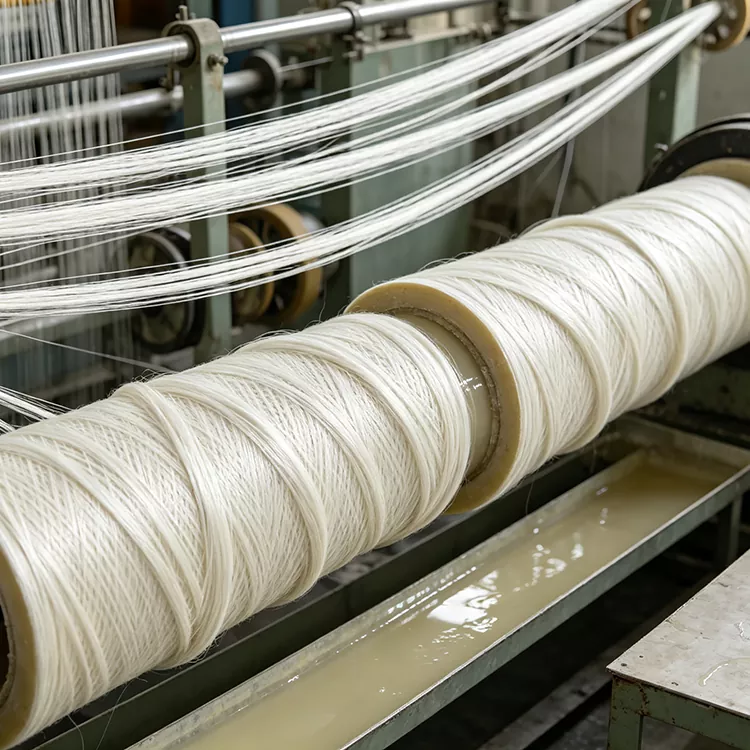
In an FRP laminate, different reinforcement materials can serve different functions. Woven roving provides continuous glass fiber reinforcement, while its soft handling characteristics can make cutting, positioning and conforming the material to the mold more manageable.
|
Requirement in Production |
More Suitable Material |
|
Random fiber distribution and easy surface coverage |
Chopped Strand Mat |
|
Continuous fiber reinforcement |
Woven Roving |
|
Defined warp/weft structure |
Woven Roving |
|
Building thicker laminate reinforcement |
Woven Roving |
|
Combining reinforcement layers |
Mat + Woven Roving |
|
Conforming to irregular mold surfaces |
Soft Fiberglass Woven Roving |
What Soft Handling Changes During Fabrication
For composite production, softness is mainly related to how the dry reinforcement behaves during cutting and lay-up. A fabric that can be positioned without excessive resistance is useful when the mold contains curved sections, transitions or irregular surfaces.
This can be relevant when the reinforcement is placed on:
· curved tank surfaces
· boat hulls
· large FRP panels
· corners and transitions
· multi-layer laminate structures
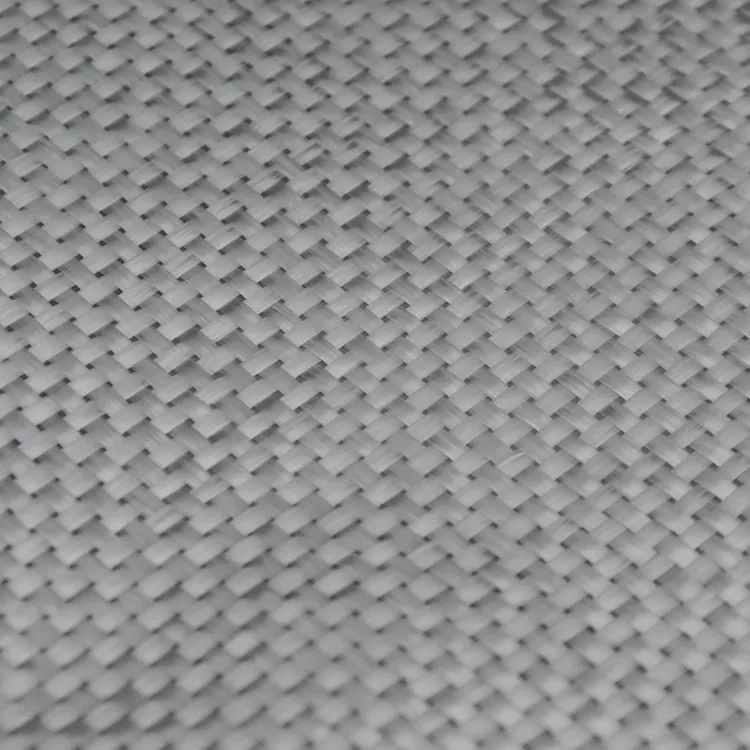
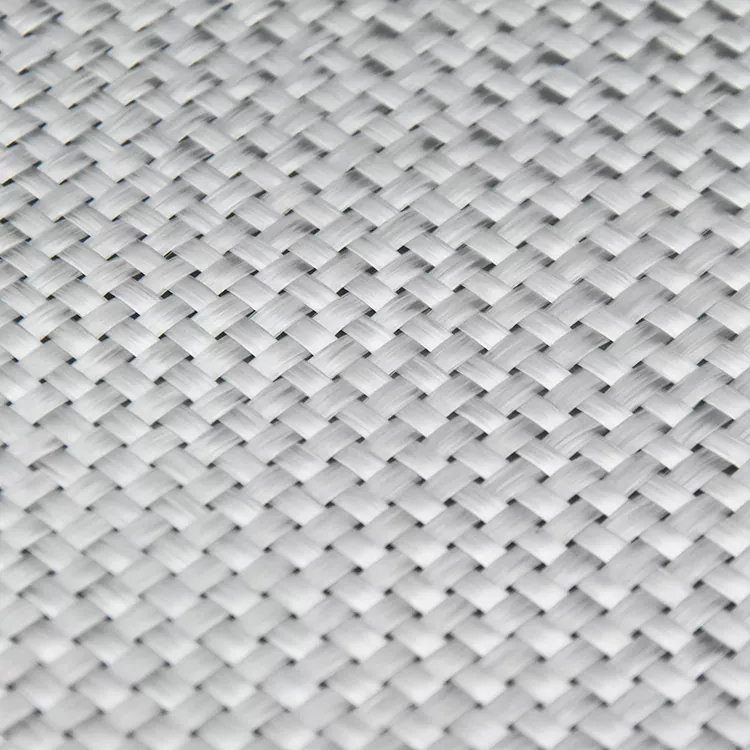
The plain-woven construction keeps the warp-and-weft arrangement while allowing the fabric to be cut, positioned and layered during composite fabrication.
Area Weight for Different Laminate Designs
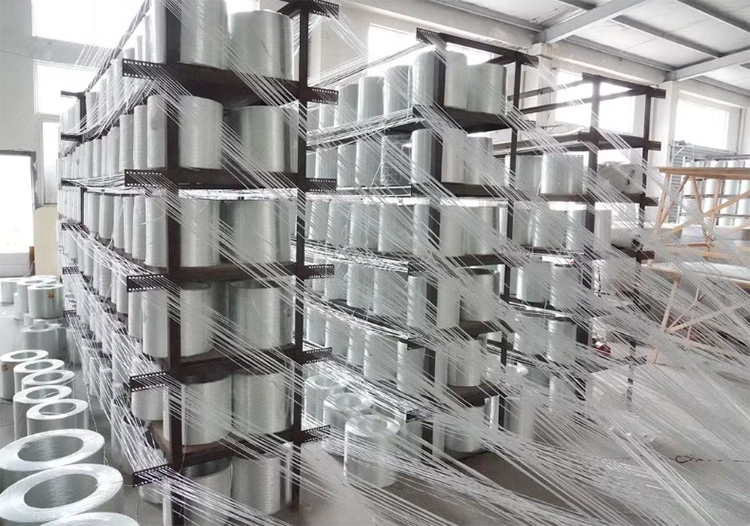
Yuruis offers several area weights so the reinforcement can be matched to the required laminate construction. GSM affects the amount of glass fiber introduced per unit area, while the final laminate depends on the number of layers, resin content, fiber orientation and molding process.
|
Area Weight |
Width |
Typical Role |
|
200 g/m² |
50–3300 mm |
Lighter reinforcement layer |
|
280 g/m² |
50–3300 mm |
General laminate reinforcement |
|
360 g/m² |
50–3300 mm |
Medium reinforcement |
|
400 g/m² |
50–3300 mm |
General structural laminate |
|
500 g/m² |
50–3300 mm |
Higher reinforcement loading |
|
600 g/m² |
50–3300 mm |
Heavier laminate construction |
|
800 g/m² |
50–3300 mm |
High reinforcement requirement |
Other specifications can be discussed when the standard range does not match an existing production recipe.
Plain Weave and 12 × 12 Fabric Construction
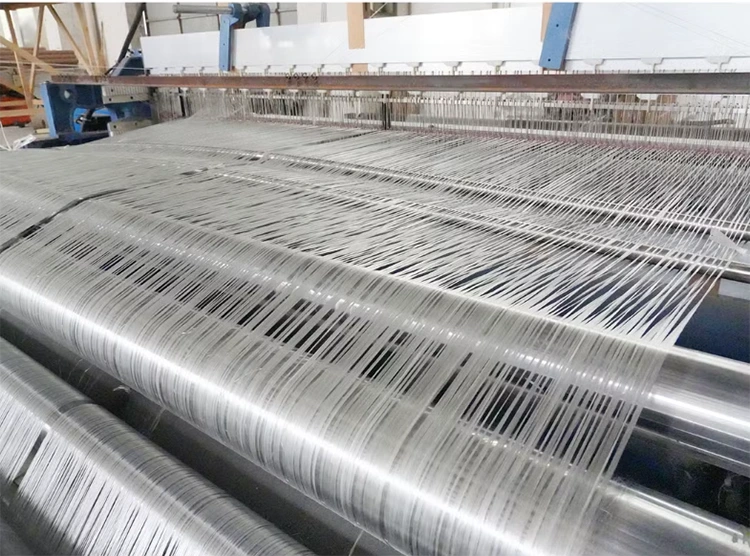
The reference specification uses a plain woven structure with 12 × 12 warp and weft density. The regular interlacing gives the fabric a defined structure that can be cut and positioned during composite lay-up while maintaining the two-directional fiber arrangement.
The supplied product information includes C-Glass / E-C-Glass specifications, with a reference moisture content of 0.1% and approximately 1.0% fuel/binder content for the listed EWR/CWR grades. The exact glass type, binder or surface treatment should be confirmed against the selected resin system and application before production.
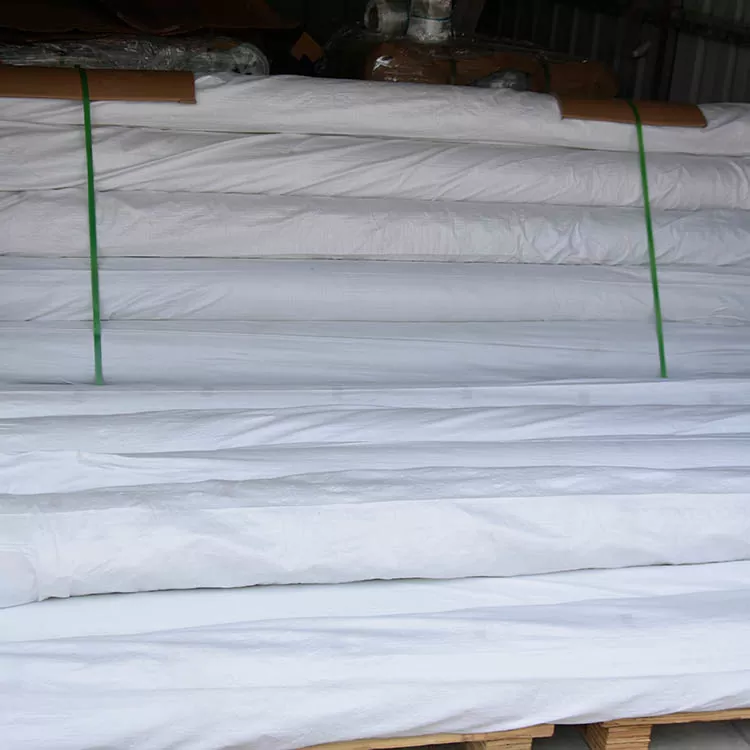
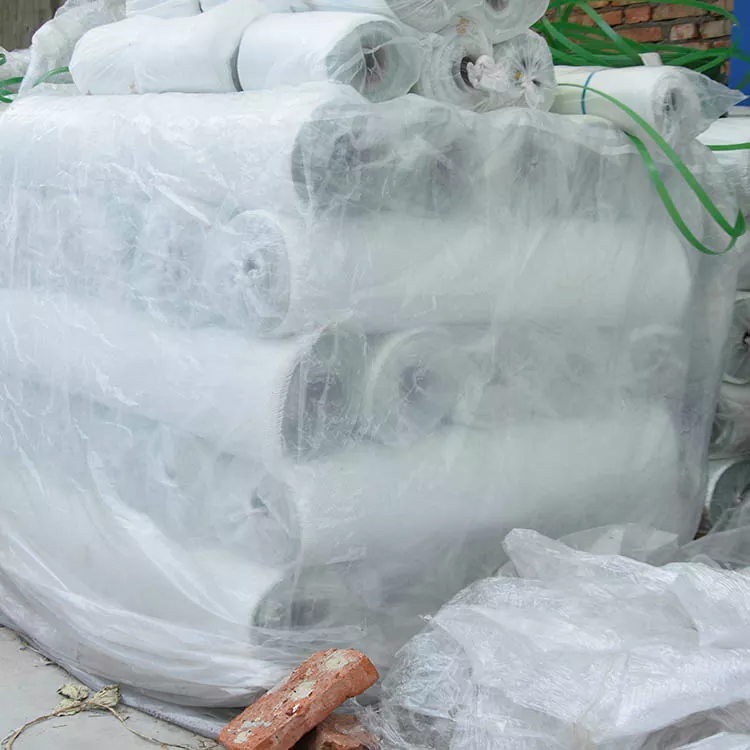
Match the Roll to the Production Process
For woven roving, width is an important production parameter alongside GSM. A suitable roll width can reduce unnecessary longitudinal cutting and simplify material placement during an established lay-up process.
Yuruis can discuss the material according to:
Glass type → GSM → width → weave → surface treatment → roll length → reel weight → quantity
Technical Reference
|
Property |
Reference |
|
Brand |
Yuruis |
|
Product |
Soft Fiber Glass Woven Roving |
|
Glass Type |
C-Glass / E-C-Glass |
|
Weave |
Plain Woven |
|
Warp × Weft Density |
12 × 12 |
|
Area Weight |
200–800 g/m² |
|
Width |
50–3300 mm |
|
Roll Length |
100 m reference |
|
Reel Weight |
10 kg reference |
|
Moisture Content |
0.1% reference |
|
Surface Treatment |
Impregnating Agent |
|
Customization |
Available |
|
Production Capacity |
3,000 Tons/Year |
|
Origin |
Taizhou, Jiangsu, China |
Specification Matching for Existing FRP Processes
If an existing laminate recipe already uses woven roving, the current GSM, width, weave structure and glass type can be used as the starting point for product matching. This approach is more practical than selecting the reinforcement by area weight alone.
For a quotation, provide GSM + required width + roll length + quantity + glass type + resin system + application. Yuruis can then confirm the available specification and production options.
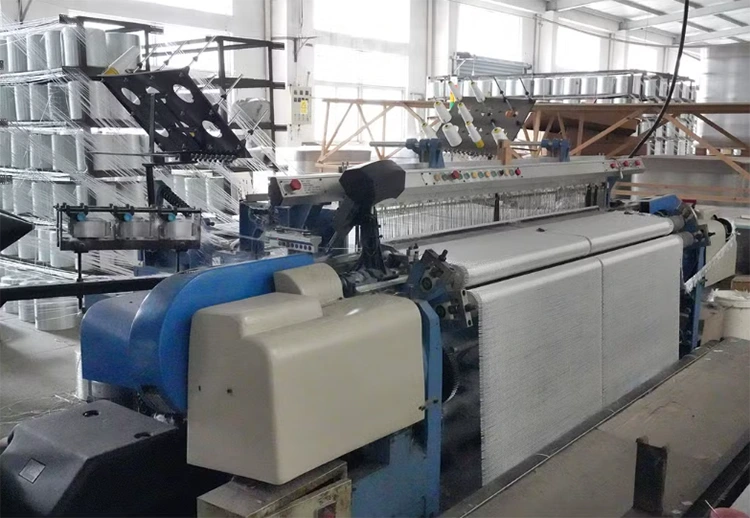
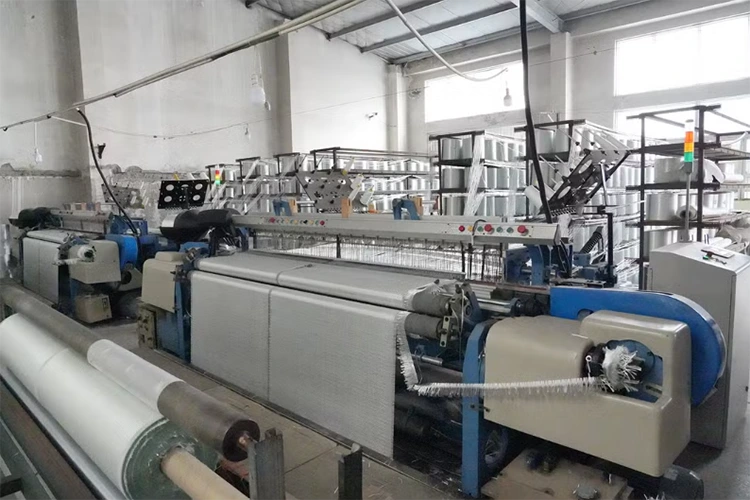
FAQ
1. What is Soft Fiberglass Woven Roving?
It is a woven fiberglass reinforcement made from continuous glass fiber yarns. The soft construction is mainly related to handling and conformability during cutting and composite lay-up.
2. How is soft woven roving different from chopped strand mat?
Woven roving uses continuous fibers arranged in warp and weft directions, while chopped strand mat uses randomly distributed short fibers. Woven roving therefore provides a more defined fiber orientation within the laminate.
3. What does the 12 × 12 specification mean?
It refers to the reference warp and weft density of the plain-woven fabric. The two directions form the basic woven structure of the reinforcement.
4. What area weights are available?
The listed range is 200–800 g/m², including 200, 280, 360, 400, 500, 600 and 800 g/m². Widths are listed from 50 to 3300 mm.
5. Can the width and roll configuration be customized?
Yes. The listed width range is 50–3300 mm, with a 100 m roll length and 10 kg reel weight shown as references. Actual roll configuration can be discussed according to the production requirement.
6. Which glass type is available for this product?
The supplied technical information lists C-Glass / E-C-Glass. The specific glass type should be confirmed for the selected grade, resin system and final application before production.
7. What information is needed for a quotation?
The most useful information is GSM, width, roll length, quantity, glass type, resin system and application. An existing product specification or sample can also be provided when the material needs to match an established FRP process.
Send Inquiry
Contact Info
-
Address
No. 18, Fuyuan Road, Dalun Town Industrial Concentration Zone, Jiangyan District, Taizhou City, Jiangsu Province, China
-
Tel
-
Email
Send your requirements to Yuruis for carbon fiber materials, FRP grating or fiberglass materials. Include product specifications, dimensions, quantity, application or other requirements so our team can review the details and respond accordingly.
News Recommendations





