
English
- English
- Español
- Português
- русский
- Français
- 日本語
- Deutsch
- tiếng Việt
- Italiano
- Nederlands
- ภาษาไทย
- Polski
- 한국어
- Svenska
- magyar
- Malay
- বাংলা ভাষার
- Dansk
- Suomi
- हिन्दी
- Pilipino
- Türkçe
- Gaeilge
- العربية
- Indonesia
- Norsk
- تمل
- český
- ελληνικά
- український
- Javanese
- فارسی
- தமிழ்
- తెలుగు
- नेपाली
- Burmese
- български
- ລາວ
- Latine
- Қазақша
- Euskal
- Azərbaycan
- Slovenský jazyk
- Македонски
- Lietuvos
- Eesti Keel
- Română
- Slovenski
- मराठी
- Srpski језик

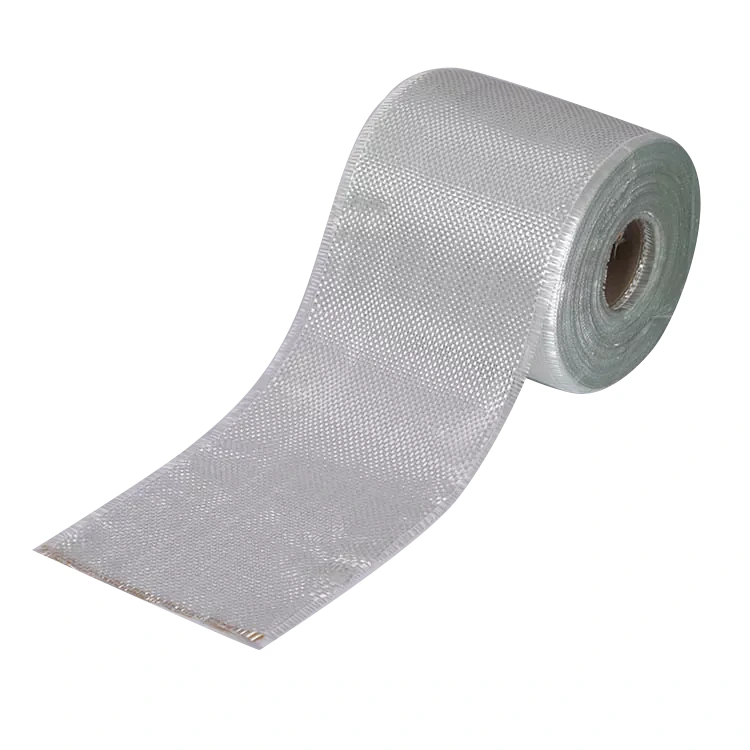
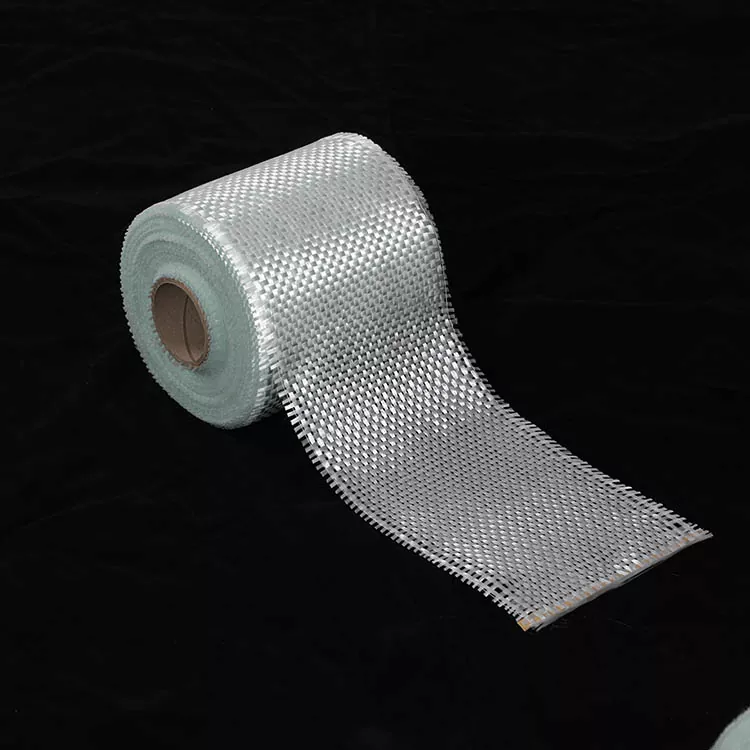
Silicone-Coated Fiberglass Fabric
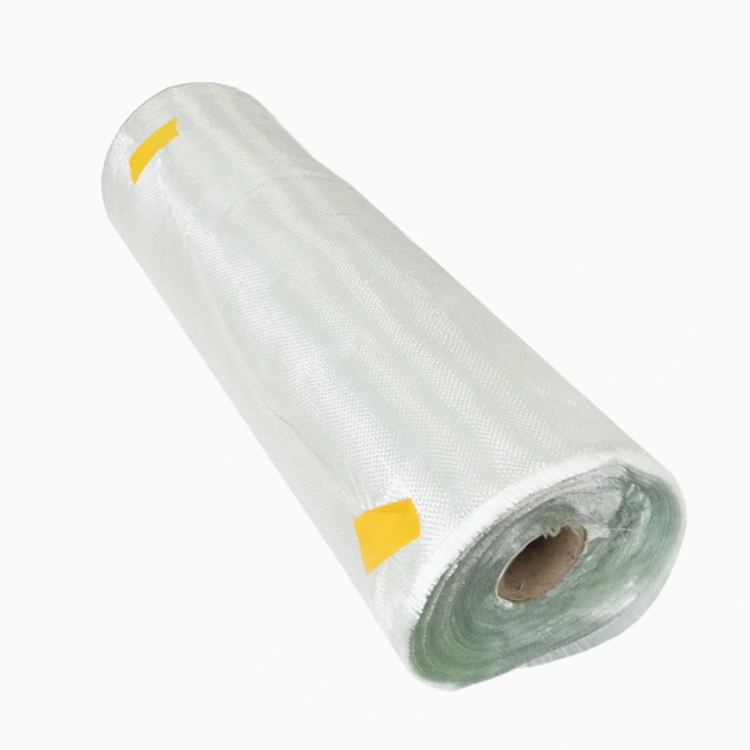
For thermal insulation, protective coverings and industrial fabrication, Yuruis factory Silicone-Coated Fiberglass Fabric combines an E-Glass woven base with a silicone-coated surface to better handle heat, moisture and repeated handling.
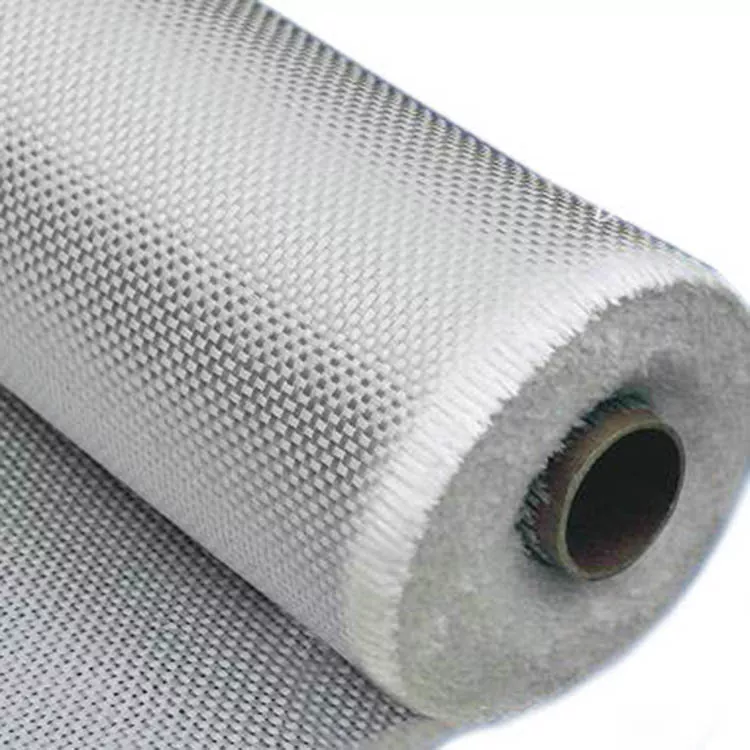
Silicone-Coated Fiberglass Fabric combines a woven fiberglass substrate with a silicone surface coating. The fiberglass provides the fabric structure, while the silicone layer changes the surface characteristics and can improve its suitability for applications involving heat, moisture, handling or surface protection.
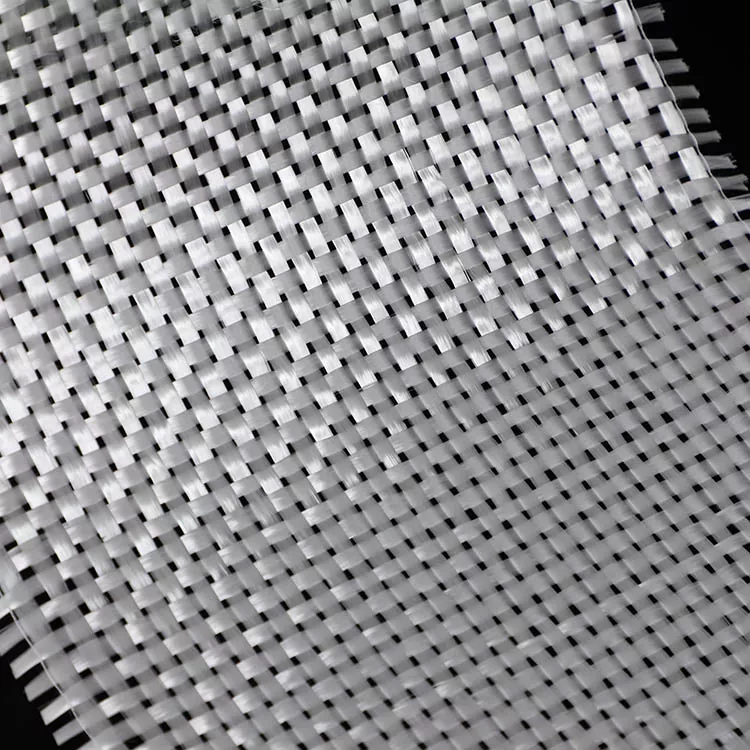
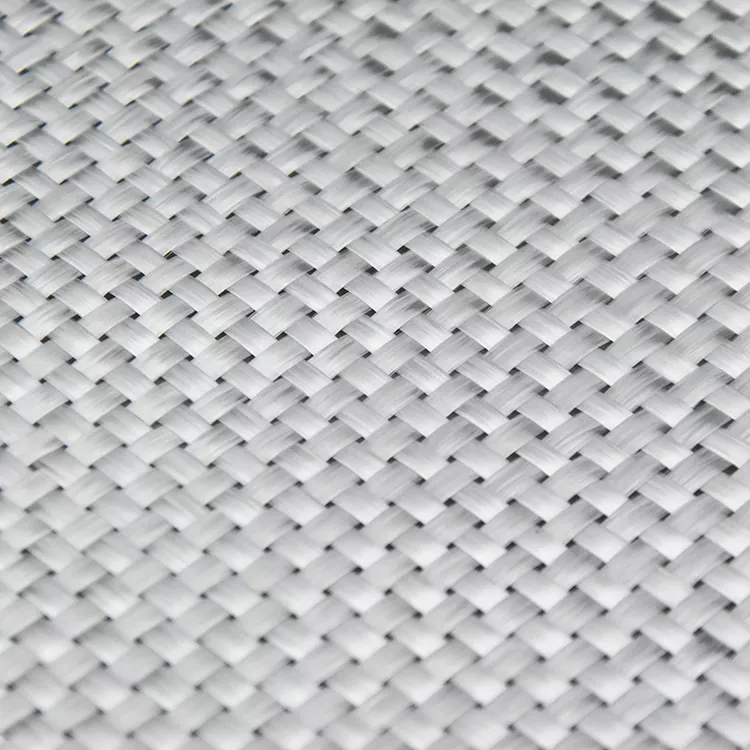
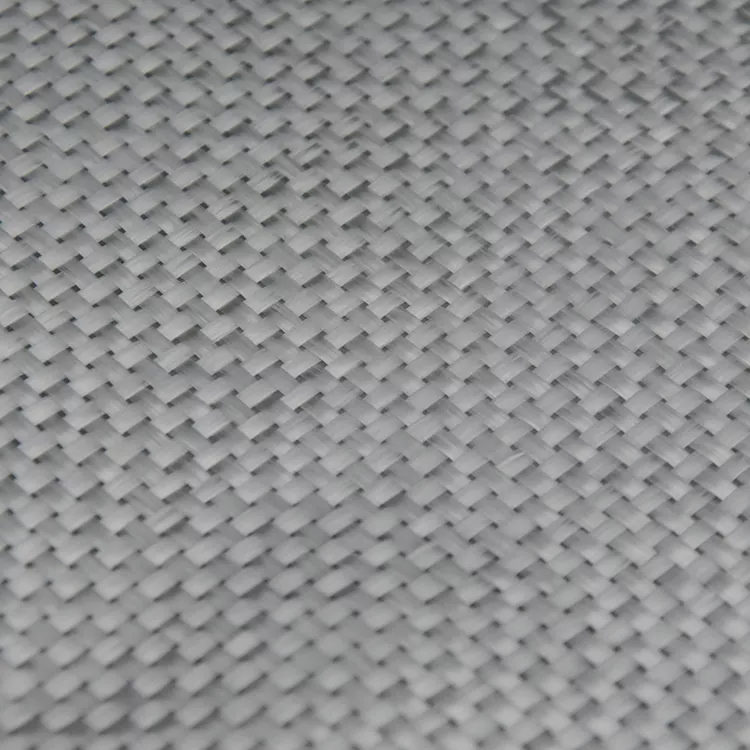
The listed construction uses E-Glass in a plain woven structure. Depending on the coating specification and finished product design, the material can be processed into insulation covers, protective barriers, heat-resistant components and other flexible industrial products.
Fiberglass Base and Silicone Coating
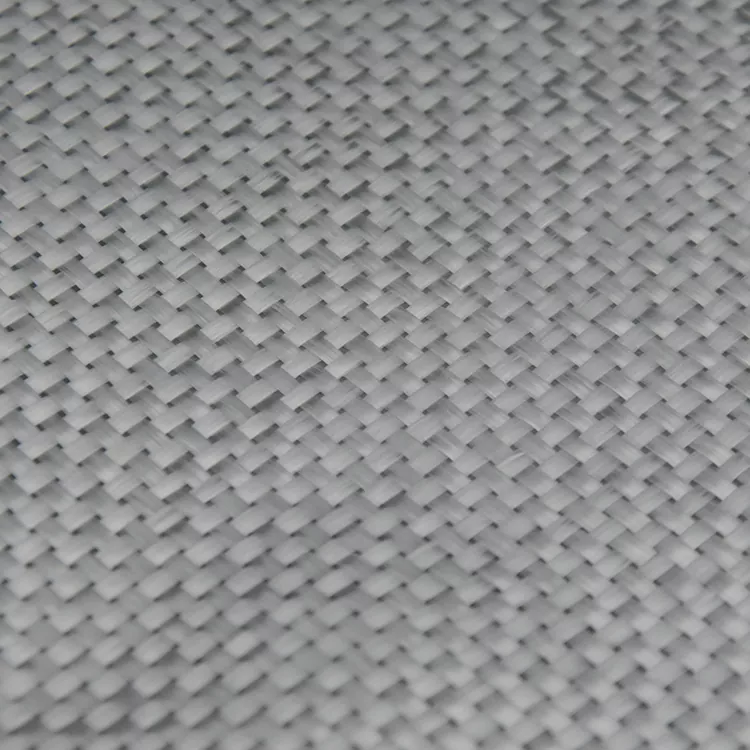
The base fabric is woven from E-Glass yarns in a plain woven construction. This gives the material a defined textile structure that can be cut, layered, wrapped and processed during downstream fabrication.
A silicone coating is applied to the fiberglass surface to provide a functional outer layer. The coating specification can affect the surface characteristics of the finished fabric, so the required coating construction should be considered together with the intended application.
The material can therefore be understood as:
E-Glass woven fabric → silicone coating → coated fiberglass material for industrial use
This construction is useful when a flexible fiberglass substrate needs additional surface functionality rather than being used as untreated fabric.
Properties Related to the Coated Surface
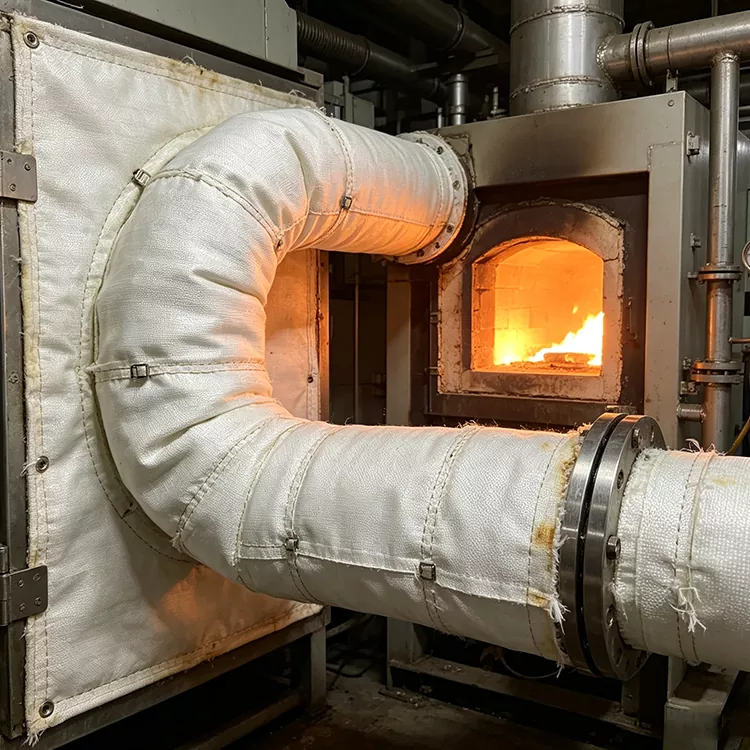
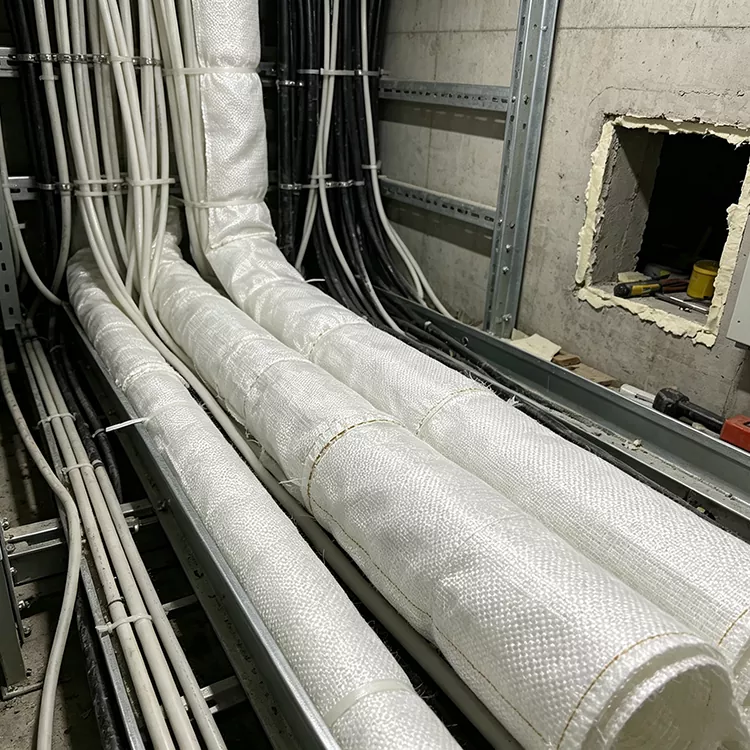
The silicone layer changes how the fiberglass fabric behaves at the surface. Depending on the selected coating specification, the coated material can be considered for applications involving:
· Heat exposure in insulation and protective structures
· Moisture where a coated surface is required
· Outdoor use where the finished product is exposed to environmental conditions
· Repeated folding, handling or repositioning of flexible fabric products
· Surface protection in industrial covers and barrier materials
The fiberglass substrate and silicone coating perform different functions. For this reason, the finished material should be evaluated according to the coating type, coating amount, fabric construction and actual operating conditions rather than by the fiberglass material alone.
Applications in Industrial Products
Silicone-Coated Fiberglass Fabric can be incorporated into different flexible products depending on the required construction and working conditions.
Thermal Insulation Covers
Used as an outer or structural fabric layer in flexible insulation covers for industrial equipment and thermal systems.
Heat Protection Products
Can be processed into flexible protective materials where a woven fiberglass base and coated surface are required.
Flexible Insulation Components
The fabric can be cut, wrapped or layered during assembly and combined with other insulation materials to form flexible insulation structures.
Industrial Covers and Barriers
Used in protective covers and barrier products where the fabric may encounter heat, moisture or regular handling.
Composite and Fabricated Products
The coated fabric can be incorporated into downstream products according to the required dimensions, fabrication method and surface requirements.
For applications involving specific temperature, chemical, weathering or fire-performance requirements, the complete coated fabric specification should be confirmed before production.
Specification for Material Selection
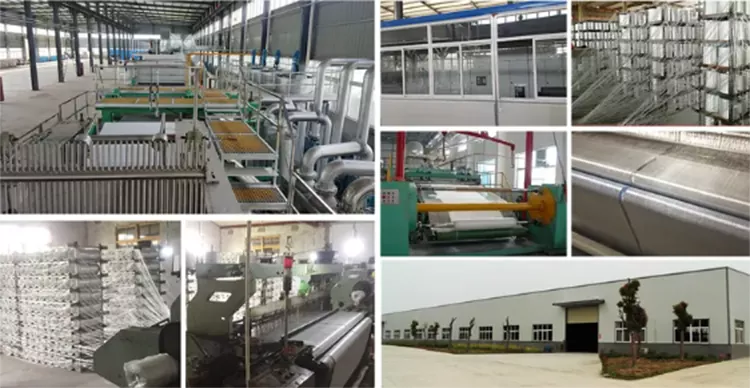
The product should be specified according to both the fiberglass substrate and the silicone coating. The following factors are useful when matching the material to a finished product:
|
Material Requirement |
Specification to Confirm |
|
Base fabric |
E-Glass |
|
Fabric construction |
Plain woven |
|
Fabric weight |
Required GSM |
|
Coating |
Silicone coating specification |
|
Coating side |
Single-sided or double-sided |
|
Coating loading |
Required coating amount |
|
Width |
Standard or customized |
|
Roll length |
Required production length |
|
End use |
Insulation / protection / covering |
|
Working environment |
Heat, moisture, outdoor or mixed conditions |
Reference Fabric Weights
The available reference range covers several fiberglass area weights and widths. The final coated fabric specification should be confirmed according to the selected base fabric, coating construction and intended application.
|
Product Code |
Glass Fiber |
Area Weight |
Width |
|
EWR/CWR |
E/C-Glass |
200 g/m² |
50–3300 mm |
|
EWR/CWR |
E/C-Glass |
280 g/m² |
50–3300 mm |
|
EWR/CWR |
E/C-Glass |
360 g/m² |
50–3300 mm |
|
EWR/CWR |
E/C-Glass |
400 g/m² |
50–3300 mm |
|
EWR/CWR |
E/C-Glass |
500 g/m² |
50–3300 mm |
|
EWR/CWR |
E/C-Glass |
600 g/m² |
50–3300 mm |
|
EWR/CWR |
E/C-Glass |
800 g/m² |
50–3300 mm |
Coating and Fabrication Options
The reference fiberglass fabric can be configured according to the requirements of the finished product. Important parameters may include the fabric weight, silicone coating construction, coating side, coating amount, width and roll length.
Single-sided and double-sided coating can be considered for different product constructions. The required coating amount should be specified according to the intended surface function and processing conditions.
For repeat production, providing an existing material specification or sample can help maintain consistency between the required fabric construction and the finished product.
Information for Material Matching
When requesting a quotation, the application should be provided together with the basic fabric and coating requirements. Useful information includes:
· Required fabric width and area weight
· Single-sided or double-sided coating
· Required silicone coating amount or existing coating specification
· Roll length and estimated order quantity
· Finished product and fabrication method
· Working temperature and exposure conditions
· Moisture, outdoor or other environmental requirements
Where an existing fabric is being replaced or reproduced, a technical specification or sample can provide additional information for material matching.
FAQ
1. What is Silicone-Coated Fiberglass Fabric?
It is a woven fiberglass fabric with a silicone coating applied to the surface. The fiberglass provides the base fabric structure, while the silicone coating provides additional surface functionality for selected industrial applications.
2. What type of fiberglass is used?
The listed construction uses E-Glass in a plain woven structure. The reference warp/weft density is 36 × 30.
3. What is the purpose of the silicone coating?
The coating provides a functional surface layer and can be specified according to the intended application. The required coating type and amount should be evaluated together with the fabric construction and operating conditions.
4. What fabric weights are available?
The reference range includes 200, 280, 360, 400, 500, 600 and 800 g/m². The corresponding fiberglass fabric widths are listed as 50–3300 mm, with the final coated specification subject to confirmation.
5. Can the coating and width be customized?
Yes. Requirements such as width, fabric weight, coating side, coating amount and roll length can be discussed according to the finished product and manufacturing process.
6. What information is needed for a quotation?
Provide the required width and GSM, coating side and amount, roll length, estimated quantity, finished product, working temperature and exposure conditions. An existing specification or sample can also be provided when matching an established product.
Send Inquiry
Contact Info
-
Address
No. 18, Fuyuan Road, Dalun Town Industrial Concentration Zone, Jiangyan District, Taizhou City, Jiangsu Province, China
-
Tel
-
Email
Send your requirements to Yuruis for carbon fiber materials, FRP grating or fiberglass materials. Include product specifications, dimensions, quantity, application or other requirements so our team can review the details and respond accordingly.
News Recommendations





