
English
- English
- Español
- Português
- русский
- Français
- 日本語
- Deutsch
- tiếng Việt
- Italiano
- Nederlands
- ภาษาไทย
- Polski
- 한국어
- Svenska
- magyar
- Malay
- বাংলা ভাষার
- Dansk
- Suomi
- हिन्दी
- Pilipino
- Türkçe
- Gaeilge
- العربية
- Indonesia
- Norsk
- تمل
- český
- ελληνικά
- український
- Javanese
- فارسی
- தமிழ்
- తెలుగు
- नेपाली
- Burmese
- български
- ລາວ
- Latine
- Қазақша
- Euskal
- Azərbaycan
- Slovenský jazyk
- Македонски
- Lietuvos
- Eesti Keel
- Română
- Slovenski
- मराठी
- Srpski језик

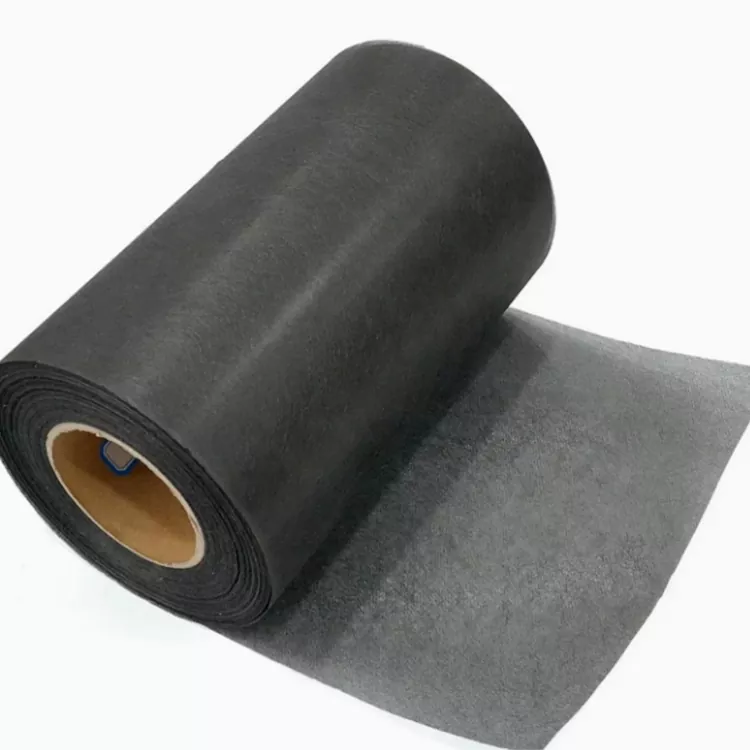
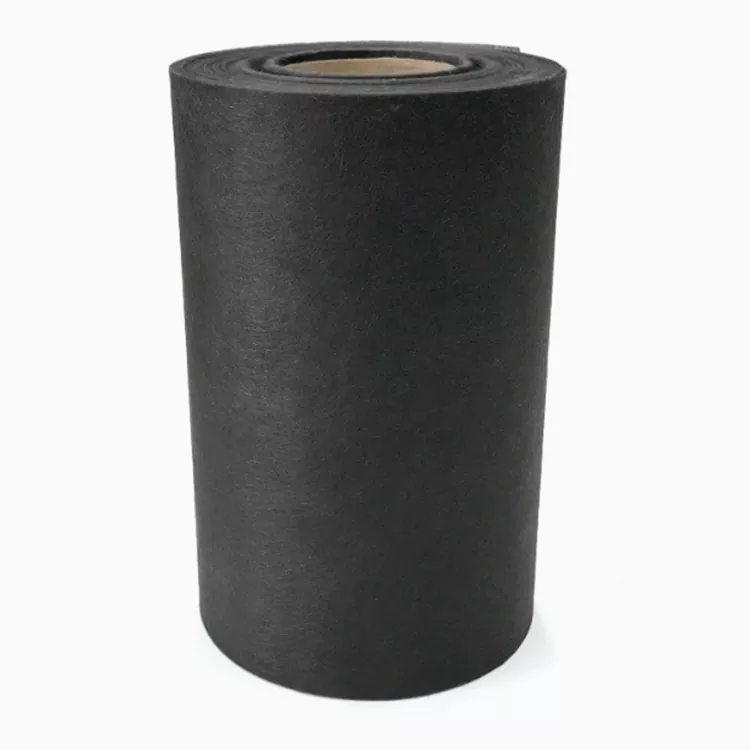
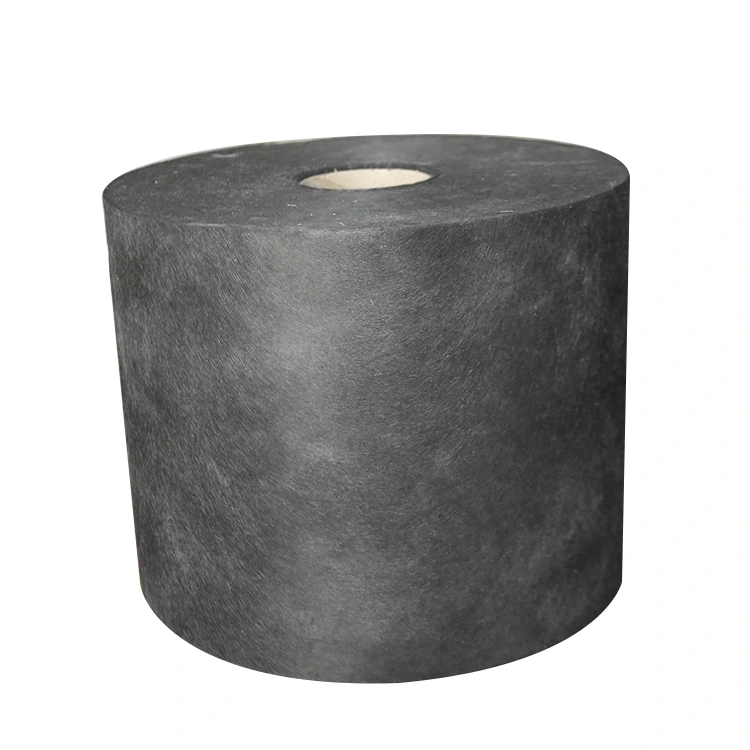
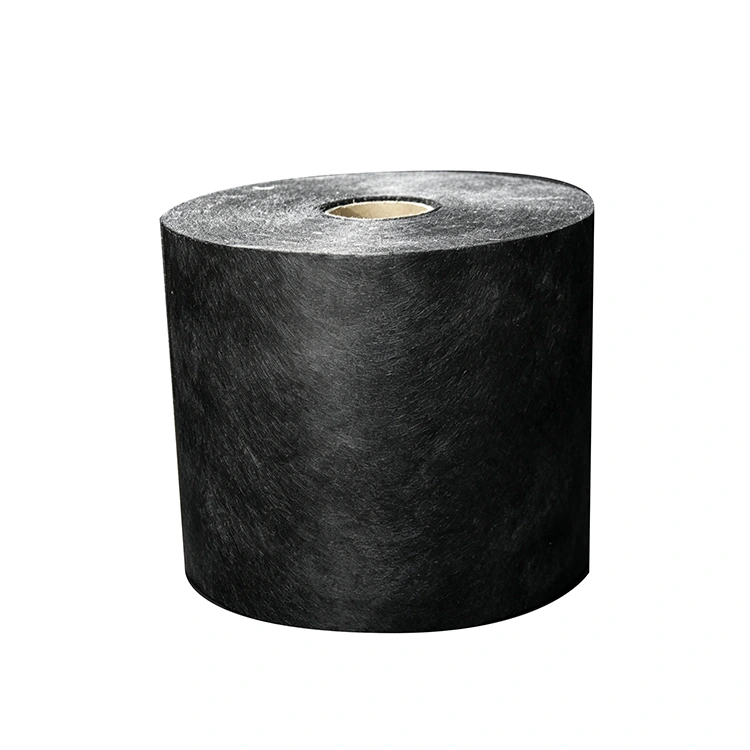
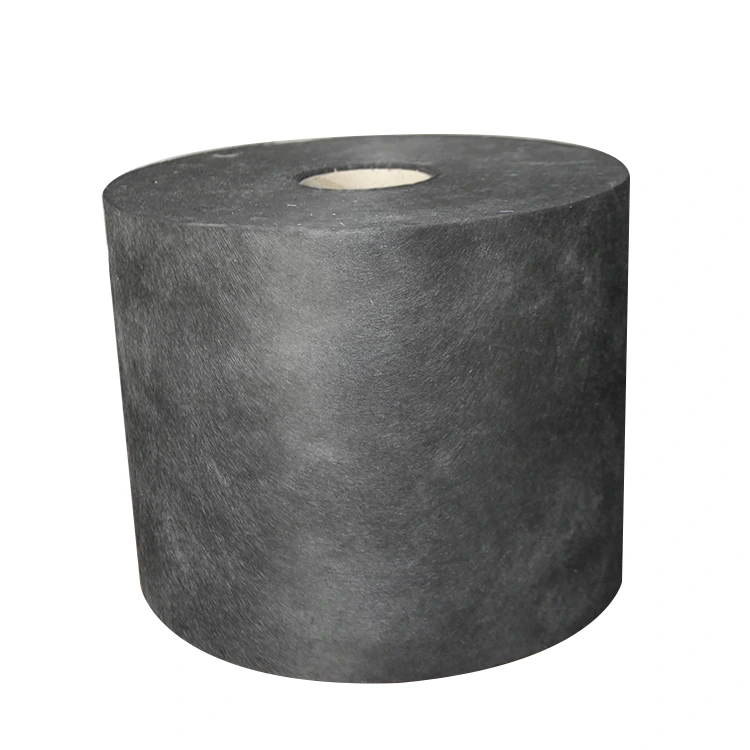
50g Electrically Conductive Carbon Fiber Felt
With an areal weight of 50g/m², 50g Electrically Conductive Carbon Fiber Felt provides a lightweight non-woven carbon fiber layer for conductive and functional composite applications. Made from PAN-based carbon fiber, it can be used in fuel cell components, electronic housings, electric heating products, EMI/RF shielding structures and automotive parts. Yuruis supports customized dimensions for production and bulk sourcing.
For 50g Electrically Conductive Carbon Fiber Felt, electrical conductivity is not simply another item on a specification sheet. It can determine why a manufacturer chooses carbon fiber in the first place.
Carbon fiber naturally provides electrical conductivity in addition to its lightweight and mechanical characteristics. When the fibers are distributed through a non-woven layer, the material can be incorporated into a composite or functional component where a conductive carbon fiber layer is required.
The actual electrical performance of the finished product depends on factors such as fiber distribution, fiber content, layer thickness, contact between conductive areas, resin content, laminate design and the way the component is connected electrically. For this reason, we recommend evaluating the finished component, rather than selecting the material only by its nominal weight.
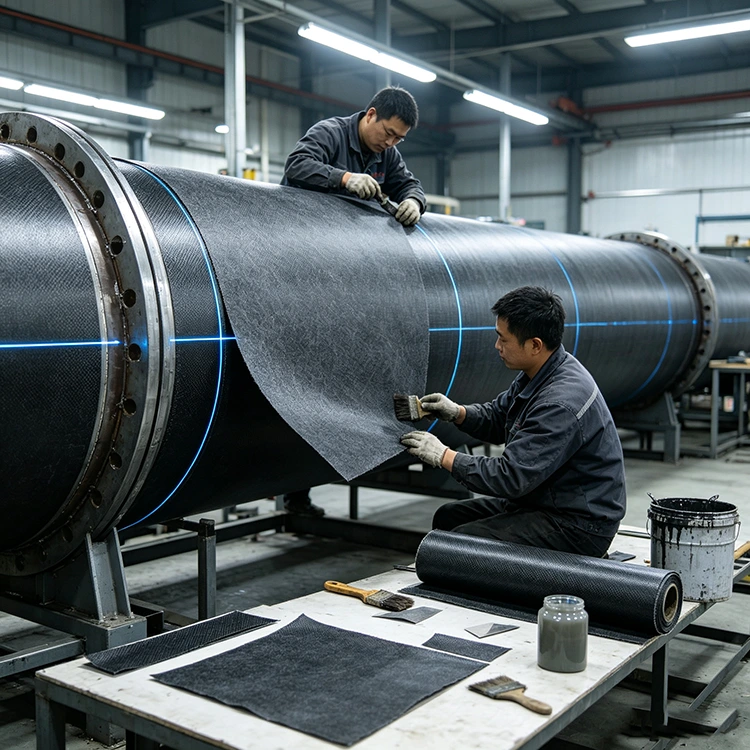
Conductive Carbon Fiber Felt Applications
When we discuss carbon fiber surface materials with manufacturers, the application usually tells us more than the product name.
A fuel cell component has different requirements from an electronic housing. An electric heating element has a different design objective from an EMI shielding enclosure.
The same 50g carbon fiber material may therefore be incorporated differently depending on the final product.
Fuel Cell Components
Carbon fiber's conductivity makes it relevant to selected fuel cell and related energy applications.
The material can serve as part of a conductive composite structure where electrical characteristics and lightweight construction are both considered.
For fuel cell applications, however, the final material selection should also account for the operating temperature, chemical environment, gas or liquid exposure, pressure and electrical requirements of the component.
Electronic Housings
For electronic equipment, carbon fiber materials can be used where a conductive surface is required as part of an electromagnetic or RF shielding design.
The carbon fiber layer may be incorporated into a molded housing or composite enclosure.
Shielding effectiveness is not determined by the carbon fiber material alone. Enclosure geometry, electrical continuity, grounding and the construction of joints and openings can have a significant effect on the finished product.
Electric Heating Products
Conductive carbon fiber can also be considered for heating-related composite products.
When electrical current passes through a suitably designed carbon fiber structure, heat can be generated. The actual heating behavior depends on resistance, fiber arrangement, dimensions, voltage, current and thermal design.
For this reason, a heating application should be evaluated according to its electrical specification rather than assuming that a particular 50g material will provide a fixed heating output.
Automotive and Industrial Electronics
Automotive electronic components increasingly require lightweight materials together with electrical and electromagnetic functions.
Carbon fiber surface materials can be incorporated into selected covers, housings and composite components where these characteristics are useful.
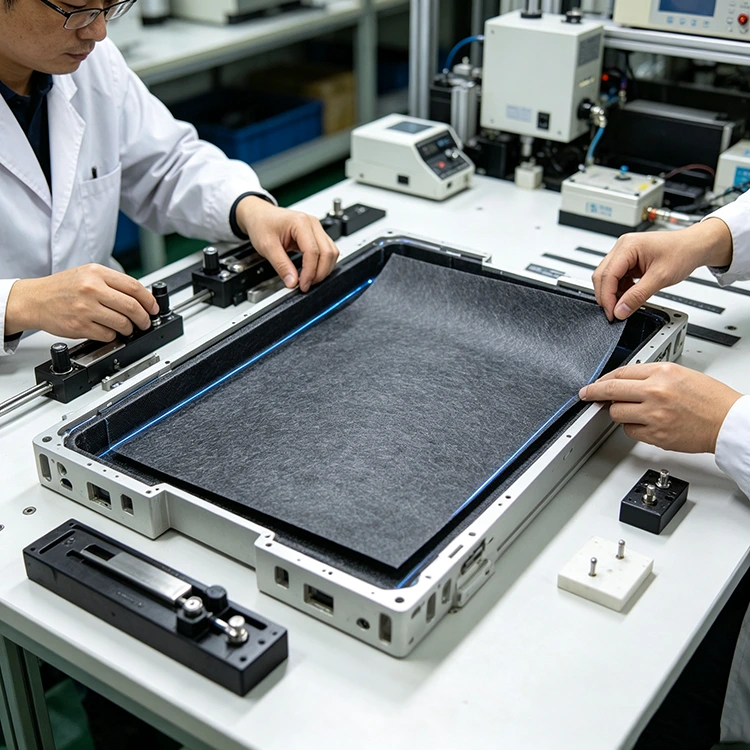
Non-Woven Felt vs. Woven Carbon Fiber
50g Electrically Conductive Carbon Fiber Felt is not a direct substitute for woven carbon fiber fabric. The two materials have different fiber structures and are selected for different roles in a composite.
Woven carbon fiber uses continuous yarns arranged in defined directions. This construction is commonly used when fiber orientation and directional reinforcement are important to the laminate design.
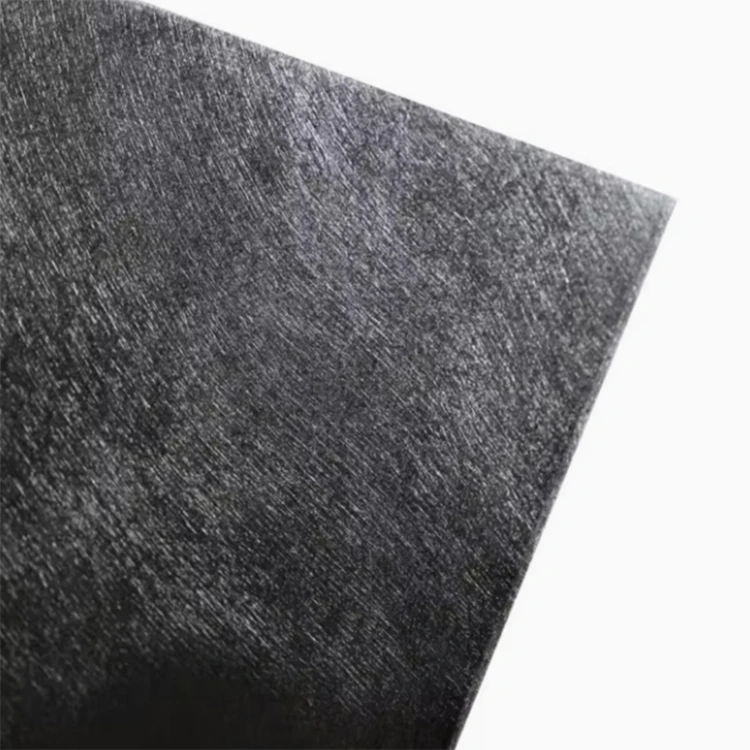
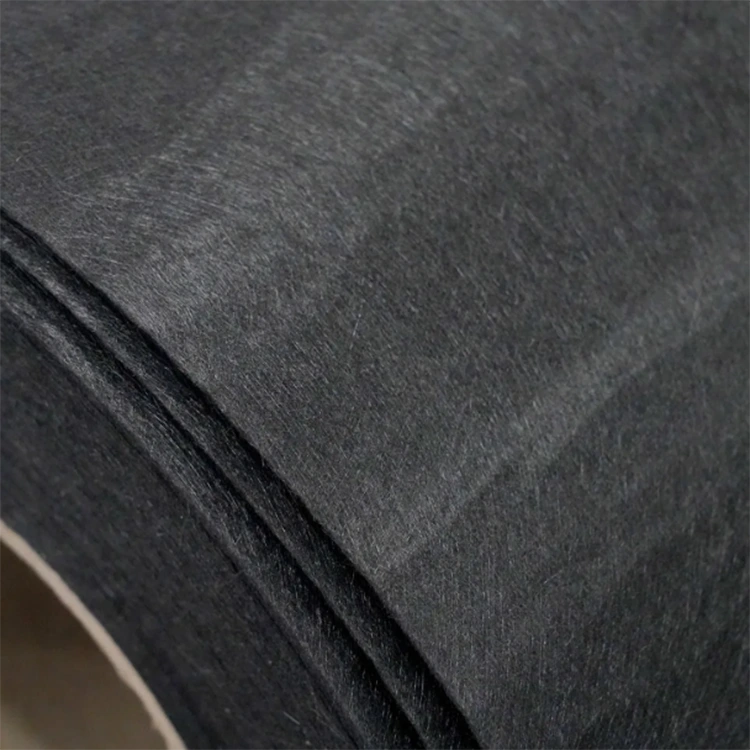
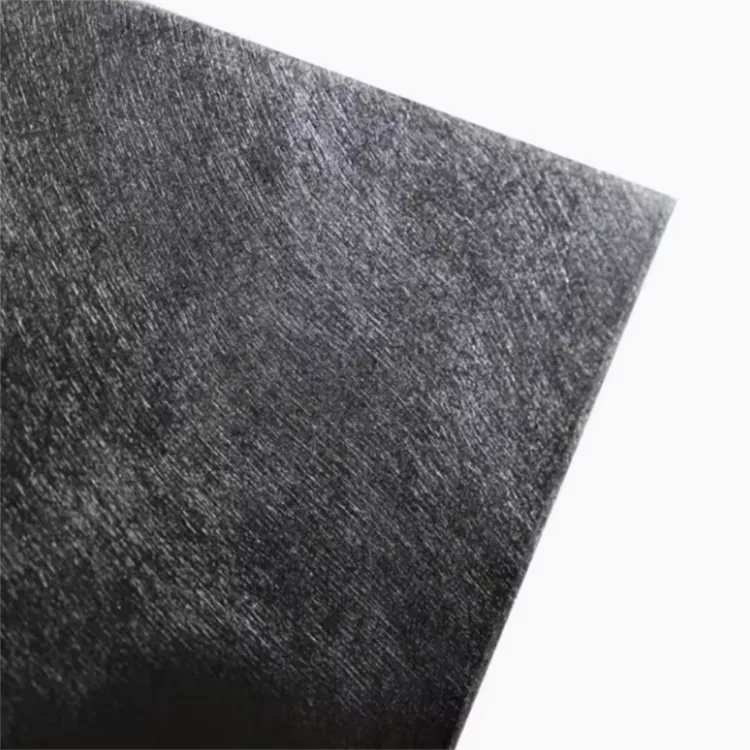
The felt contains chopped carbon fibers distributed throughout the mat rather than continuous yarns following a fixed pattern. Its non-woven structure is suited to applications where surface coverage, electrical continuity, resin uptake or conformity to a molded shape is more important than directional reinforcement.
The difference in structure affects material handling, lay-up and the construction of the finished laminate, so the selection should be based on the function required from the carbon fiber layer.
What Does 50g Mean?
The 50g designation refers to the material's nominal weight per unit area. It describes how much fiber material is present over a given surface area, but does not by itself define electrical conductivity, resistance or mechanical strength.
Two carbon fiber felts with the same nominal areal weight can have different properties when their fiber type, fiber distribution, thickness, resin content or processing conditions are different.
For a production application, the areal weight should therefore be considered together with thickness, dimensions, carbon fiber type, resin system, processing method and the electrical requirements of the finished component.
Processing and Composite Manufacturing
The material is made from chopped carbon fiber through fiber dispersion and wet-forming processes. The resulting non-woven layer can be cut and incorporated into resin-based composite structures.
The processing method affects how the fiber layer is wetted, consolidated and integrated into the laminate. In hand lay-up, resin application and fiber placement are key considerations. Vacuum-assisted processing places greater emphasis on resin flow and consolidation, while prepreg applications require suitable resin content and curing conditions.
Processing parameters may therefore vary between production methods even when the material has the same nominal 50g specification. For applications with defined electrical requirements, the processed composite should be evaluated rather than relying on the material specification alone.
Factors Affecting Electrical Performance
A conductive carbon fiber layer is only one part of the electrical system. The performance of the finished component is also shaped by its construction and processing.
A defined shielding value or electrical resistance cannot be determined from the carbon fiber material alone. Fiber distribution, layer thickness, resin content and electrical contact conditions all have an effect.
Key factors include:
· Fiber distribution
· Carbon fiber content
· Resin content
· Layer thickness
· Electrical contact area
· Grounding design
· Component geometry
· Openings and joints
· Processing and curing conditions
For applications with a specified resistance or shielding target, the required value should be included in the material specification. This allows the carbon fiber layer to be evaluated in relation to the actual component design and electrical system.
Product Specification
|
Item |
Specification |
|
Product Name |
50g Electrically Conductive Carbon Fiber Felt |
|
Brand |
Yuruis |
|
Material |
100% Carbon Fiber |
|
Raw Material |
Polyacrylonitrile-Based Carbon Fiber |
|
Structure |
Non-Woven Carbon Fiber Material |
|
Fiber Form |
Chopped Fiber |
|
Performance |
Superior Modulus Type |
|
Mechanical Property |
High-Performance Type |
|
Color |
Black |
|
Surface |
Glossy / Matte / 50% Glossy |
|
Width |
1 m / 1.25 m |
|
Dimensions |
Custom |
|
Thickness |
Customized |
|
Length |
Customer Request |
|
Customization |
Available |
|
Packaging |
Paper Box |
|
Origin |
Taizhou, Jiangsu Province, China |
|
HS Code |
6815993100 |
|
Production Capacity |
2 Million m²/Year |
|
Trademark |
Yuruis |
Application-Specific Supply
Yuruis has supplied fiber composite materials since 2017, including carbon fiber materials, E-glass roving, glass fiber mats and FRP products. Production is supported by forming, cutting and inspection equipment for different composite material formats.
For conductive carbon fiber felt, the application is part of the material specification. A material intended for an electronic housing may require different characteristics from one used in a heating element, fuel cell component or automotive composite part.
For this reason, the product specification can be defined according to the finished component, processing method and required electrical properties. Width, thickness, length and other dimensions can also be customized for production requirements.
The listed production capacity is 2 million m² per year.
Information for an RFQ
For a quotation or sample evaluation, the following information provides a practical basis for material selection and pricing.
Application
Specify the intended use, such as an electronic housing, heating element, fuel cell component, automotive part or EMI shielding structure.
Electrical Requirement
Provide the target resistance, conductivity, shielding performance or other electrical specification when available.
Material Dimensions
Include the required width, thickness, length and any finished dimensions or cutting requirements.
Composite Process
State the intended process, such as hand lay-up, vacuum-assisted processing, prepreg or another forming method.
Resin System
Specify the resin system, such as epoxy, polyester or vinyl ester, if the felt will be incorporated into a composite.
Quantity and Delivery
Provide the estimated quantity, whether for sampling, trial production or regular supply, together with the delivery country or port.
A drawing, existing material specification or sample can also be provided when the material is intended for a defined component.
FAQ
Is 50g Electrically Conductive Carbon Fiber Felt electrically conductive?
Carbon fiber itself is electrically conductive, and this non-woven carbon fiber material can be incorporated into conductive composite structures. The actual electrical resistance or conductivity of the finished product depends on the fiber distribution, resin content, thickness, connections and overall component design.
What is the difference between 50g carbon fiber felt and woven carbon fiber fabric?
The 50g material uses chopped carbon fiber in a non-woven structure, while woven carbon fiber fabric uses fibers arranged in defined directions. The non-woven form is more suitable for surface coverage and conforming to molded shapes, while woven fabric is commonly used when directional structural reinforcement is required.
Can it be used for EMI or RF shielding?
It can be incorporated into composite structures designed for electromagnetic or RF shielding because carbon fiber provides electrical conductivity. However, shielding performance must be evaluated on the finished enclosure or component rather than assumed from the material name alone.
Can this material be used for electric heating products?
Carbon fiber can be used in electrical heating applications because its electrical resistance allows heat generation when current passes through an appropriately designed structure. The required material specification depends on voltage, resistance, dimensions, temperature and the heating design.
Is the 50g weight customizable?
The listed product is a 50g specification, while dimensions and thickness can be customized. If a different areal weight is required for a specific application, this should be confirmed with Yuruis before production.
Can it be used with epoxy or polyester resin?
The material is intended for composite applications and can be incorporated into resin-based structures. The appropriate resin should be selected according to the final application, curing process and chemical or thermal requirements.
Can Yuruis provide samples for application testing?
Sample requirements can be discussed according to the intended application and specification. For electrical applications, it is useful to provide the target electrical performance and processing method together with the sample request.
What information is needed for a production quotation?
Please provide the application, required width and thickness, estimated quantity, resin system, molding process and delivery destination. If conductivity, resistance or shielding performance is critical, include the target value as well.
Send Inquiry
Contact Info
-
Address
No. 18, Fuyuan Road, Dalun Town Industrial Concentration Zone, Jiangyan District, Taizhou City, Jiangsu Province, China
-
Tel
-
Email
Send your requirements to Yuruis for carbon fiber materials, FRP grating or fiberglass materials. Include product specifications, dimensions, quantity, application or other requirements so our team can review the details and respond accordingly.
Related Products
News Recommendations





