
English
- English
- Español
- Português
- русский
- Français
- 日本語
- Deutsch
- tiếng Việt
- Italiano
- Nederlands
- ภาษาไทย
- Polski
- 한국어
- Svenska
- magyar
- Malay
- বাংলা ভাষার
- Dansk
- Suomi
- हिन्दी
- Pilipino
- Türkçe
- Gaeilge
- العربية
- Indonesia
- Norsk
- تمل
- český
- ελληνικά
- український
- Javanese
- فارسی
- தமிழ்
- తెలుగు
- नेपाली
- Burmese
- български
- ລາວ
- Latine
- Қазақша
- Euskal
- Azərbaycan
- Slovenský jazyk
- Македонски
- Lietuvos
- Eesti Keel
- Română
- Slovenski
- मराठी
- Srpski језик

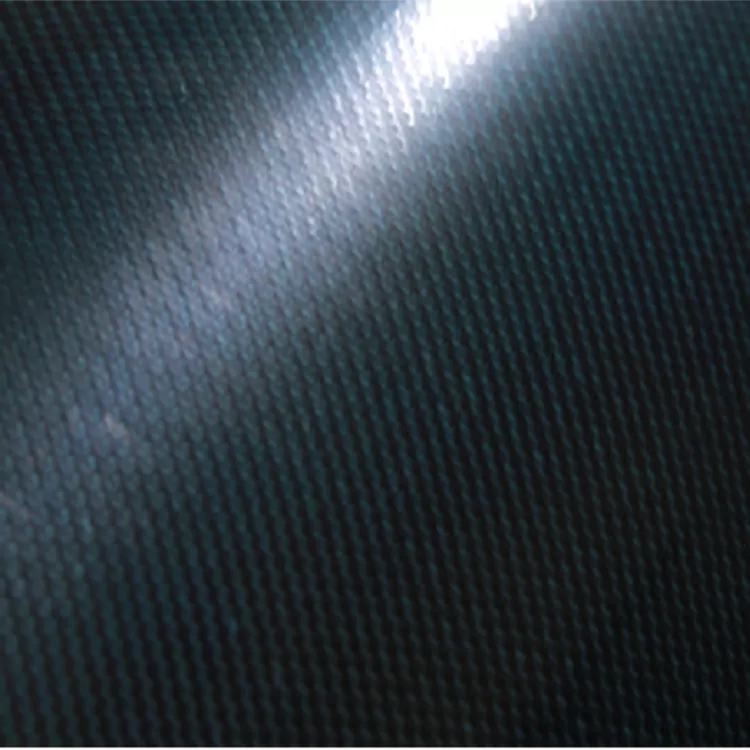
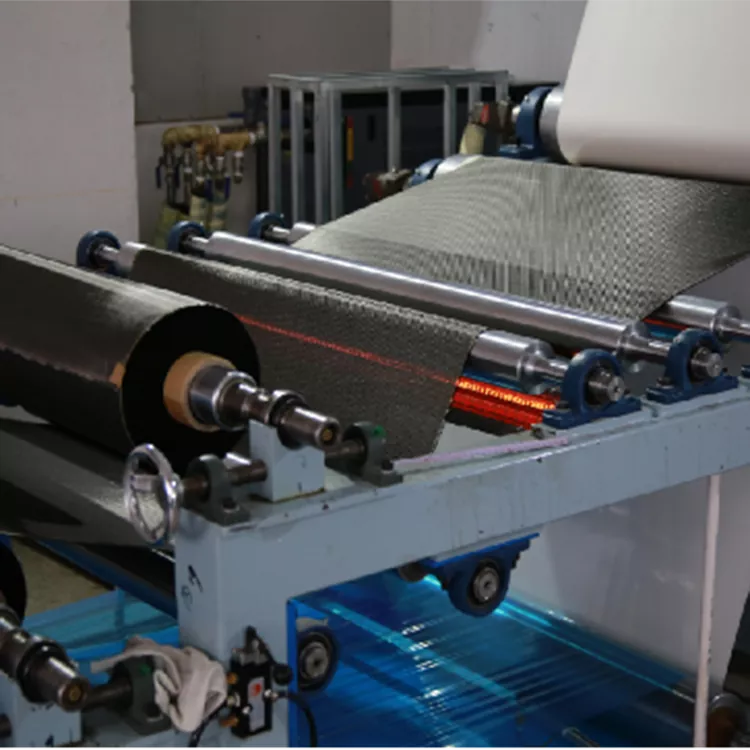
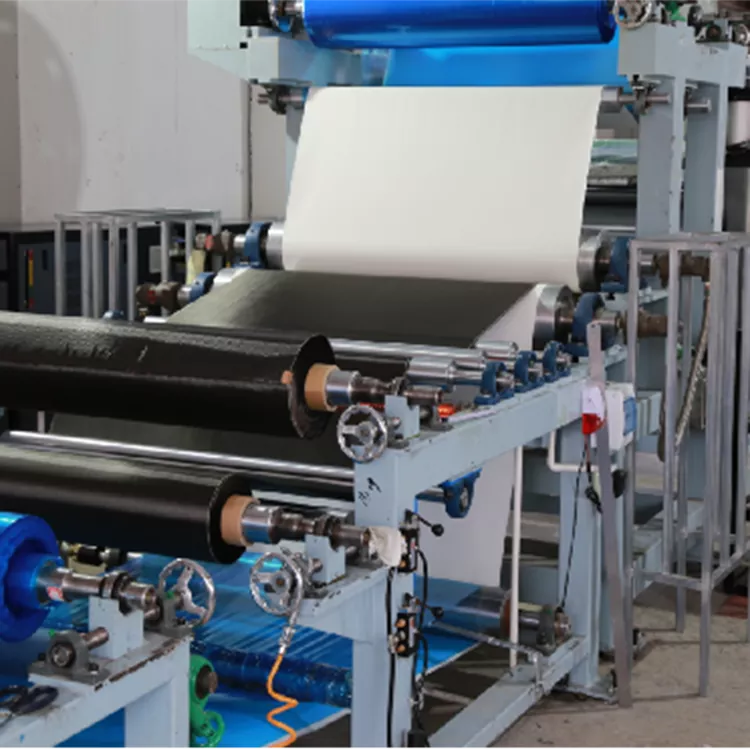
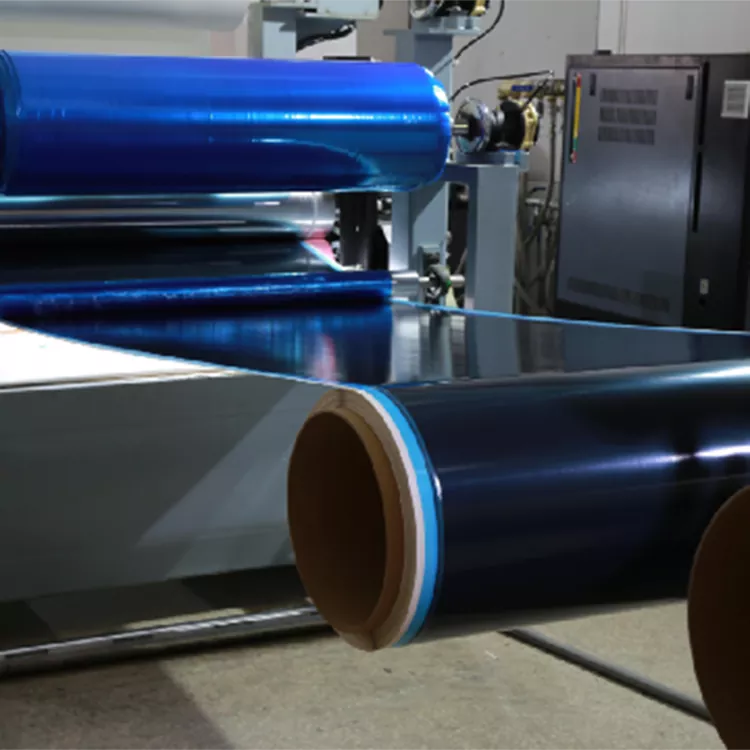
3K UD and Bidirectional Carbon Fiber Prepreg Fabric
Reinforcement direction is an important part of composite laminate design because different components carry loads in different directions. Yuruis 3K UD and Bidirectional Carbon Fiber Prepreg Fabric combines 3K carbon fiber reinforcement with a pre-impregnated resin matrix, with UD construction for a defined primary load direction and bidirectional construction for reinforcement across two principal axes.
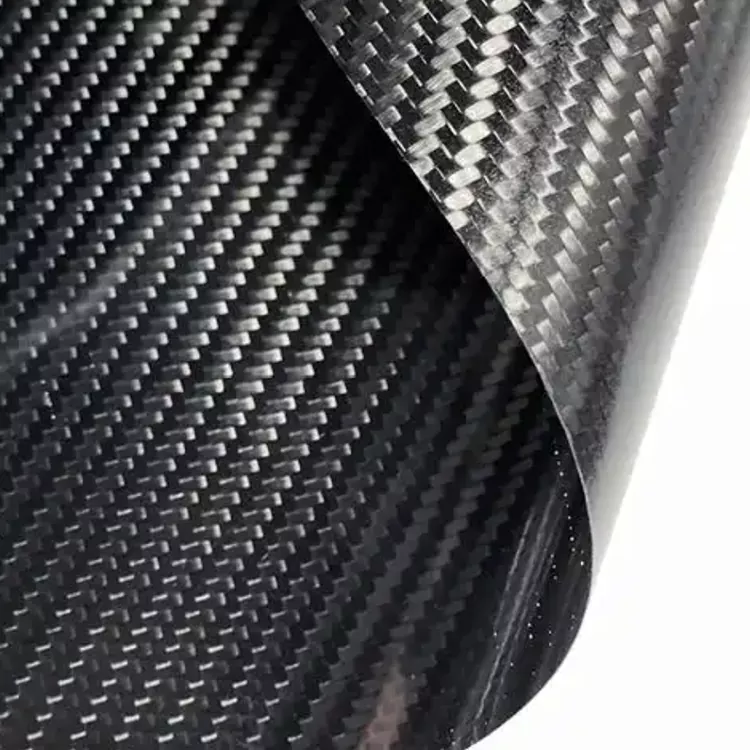
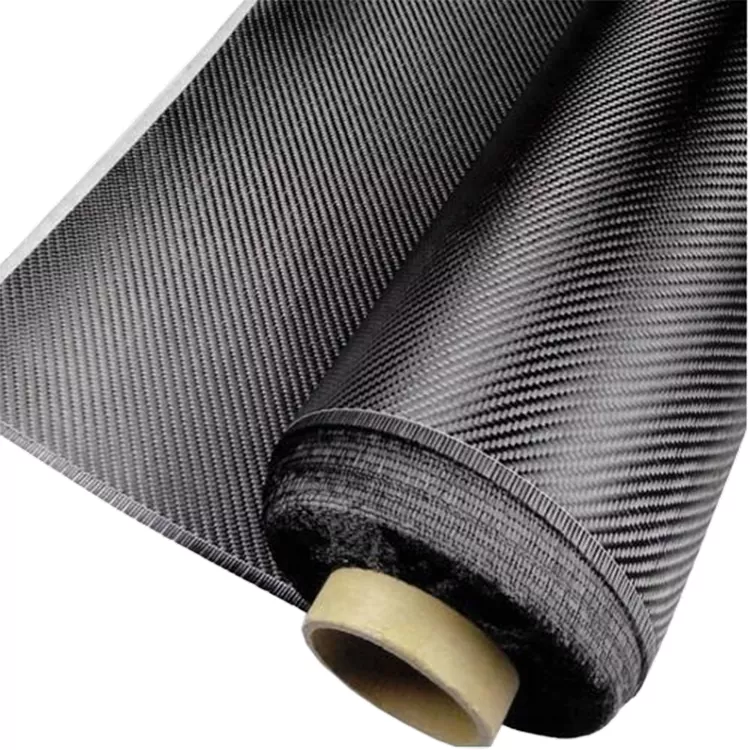
3K UD and Bidirectional Carbon Fiber Prepreg Fabric combines 3K carbon fiber reinforcement with a pre-impregnated resin matrix in two different fiber arrangements. UD construction concentrates the continuous fibers mainly along one direction, while bidirectional construction provides reinforcement across two principal directions. The choice between them is primarily related to the load path, laminate structure and geometry of the finished composite part.
For composite manufacturers, this distinction is more important than the 3K designation alone. A component with a dominant tensile, bending or axial load may benefit from a laminate built around a defined fiber direction, while a panel or shell subjected to loads in two directions may require a more balanced reinforcement arrangement.
UD and Bidirectional Fiber Construction
With UD construction, the continuous carbon fibers are concentrated mainly along one direction. This makes the material suitable for components where the engineering design has a clear primary load path, such as shafts, beams, rods and elongated structural sections.
Bidirectional construction provides reinforcement in two principal directions. It can be considered for panels, covers, housings and other components where the laminate needs to carry loads across two axes rather than predominantly along one direction.
The fiber arrangement does not determine the performance of the finished part by itself. Fiber grade, fiber volume fraction, resin system, laminate orientation, number of plies, consolidation and curing conditions all contribute to the final composite properties.
What Does 3K Mean?
The 3K designation refers to a carbon fiber tow containing approximately 3,000 individual filaments. It describes the size of the fiber bundle rather than a specific strength grade.
For material selection, 3K should therefore be considered together with the carbon fiber grade, resin system and reinforcement construction. A 3K tow can be used in different laminate architectures, and the final composite properties depend on how the reinforcement is oriented, consolidated and cured.
This distinction is particularly relevant when comparing UD and bidirectional materials. The 3K designation identifies the fiber tow, while the UD or bidirectional construction describes how that reinforcement is arranged within the prepreg.
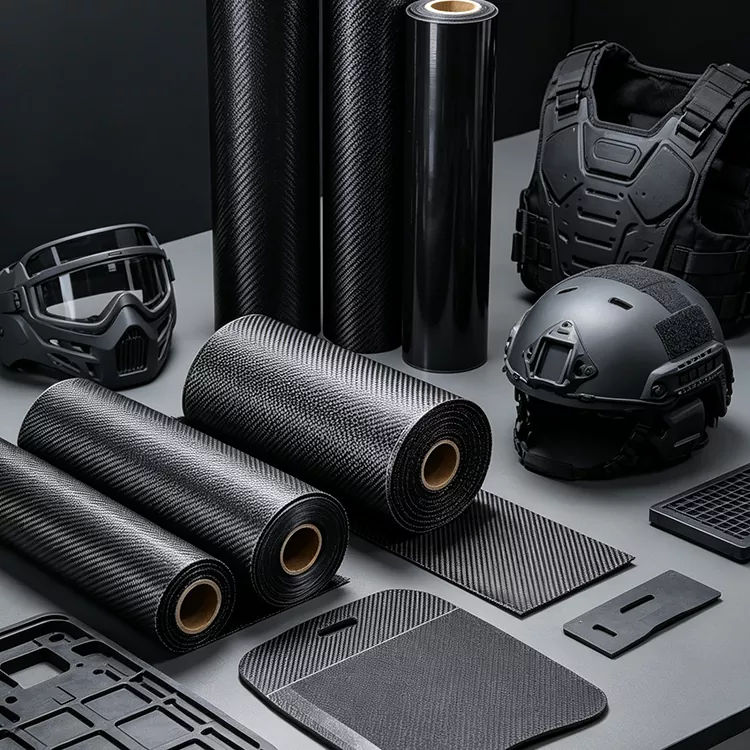
Material Information
|
Item |
Specification |
|
Product |
3K UD and Bidirectional Carbon Fiber Prepreg Fabric |
|
Fiber |
3K Carbon Fiber |
|
Construction |
UD / Bidirectional |
|
Material Form |
Carbon Fiber Prepreg |
|
Resin |
Pre-impregnated resin matrix |
|
Supply Type |
Make-to-order |
|
Customization |
Available |
|
Size |
Customized |
|
Service |
OEM customization |
|
Application |
Electronics, Sports Products, Automobile |
|
Width |
One meter / customized requirement |
|
Thickness |
Lightweight construction / according to specification |
|
Packaging |
Paper Box |
|
Origin |
Taizhou, Jiangsu Province, China |
|
HS Code |
7019400000 |
|
Production Capacity |
3,000 Tons/Year |
|
Brand |
Yuruis |
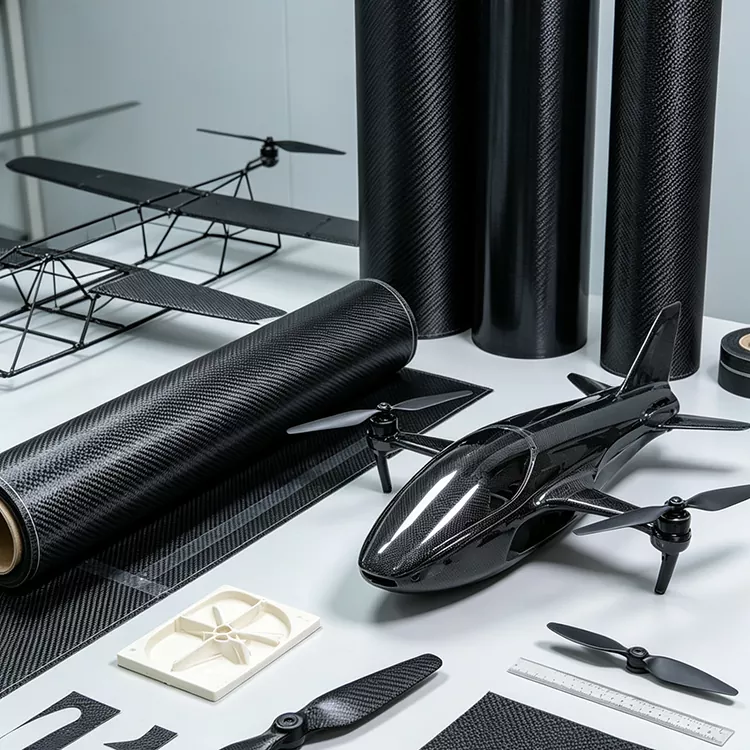
Selecting the Fiber Direction
For 3K UD and Bidirectional Carbon Fiber Prepreg Fabric, the first practical question is how the finished component is expected to carry its load. The reinforcement should be arranged so that the laminate provides material where the design requires it, rather than selecting UD or bidirectional construction based only on the appearance of the fabric.
UD Construction
UD reinforcement is commonly considered for shafts, rods, beams and other elongated parts with a defined primary load direction. Additional off-axis plies can be incorporated into a laminate when the component also needs reinforcement across secondary directions.
Bidirectional Construction
Bidirectional reinforcement can be considered for panels, covers, housings and other parts where loads or stiffness requirements extend across two principal directions. The actual balance between the two directions depends on the construction of the material and the laminate schedule.
Laminate Design
The prepreg construction should be evaluated as part of the complete laminate rather than as an isolated sheet. Fiber orientation, ply sequence, thickness, resin content and consolidation conditions influence how loads are transferred through the finished composite.
Typical Applications
The material can be considered for composite components where directional reinforcement and controlled resin content are required. The suitable construction depends on the part geometry, loading condition, molding method and required laminate thickness.
Sports Equipment
The material can be used in lightweight sporting structures where stiffness, fatigue behavior and mass are important design considerations. Potential applications include golf shafts, bicycle components, racket structures, paddles and other molded composite parts.
Automotive Components
Automotive applications can include lightweight panels, reinforcement components, selected structural parts and performance-oriented components. UD construction can be considered where the part has a defined primary load path, while bidirectional reinforcement may be used where support across two axes is required.
Industrial Composite Parts
Industrial applications can include panels, housings, brackets, beams, rods and lightweight equipment components. The preferred construction depends on whether the component has a dominant load direction or requires reinforcement across multiple directions.
Electronic Equipment
For selected equipment housings and structural components, carbon fiber can provide low weight and structural support. Because carbon fiber is electrically conductive, electrical isolation and electromagnetic requirements should be considered as part of the complete assembly design.
Material Selection Before Production
For a new composite project, the material should be specified according to the component and manufacturing process rather than by product name alone. Important information includes the required fiber construction, resin system, width, thickness, laminate schedule and molding method.
For UD parts, the primary fiber direction should be identified together with any required off-axis reinforcement. For bidirectional parts, the required reinforcement balance and ply orientation should be confirmed. These details help determine whether the material specification is consistent with the intended load path.
Resin requirements should also be confirmed before production. Since this is a prepreg material, the resin system and resin content affect handling, storage, molding and curing conditions. Where the material is being integrated into an existing production process, the customer's current processing parameters or material specification can be used as a reference.
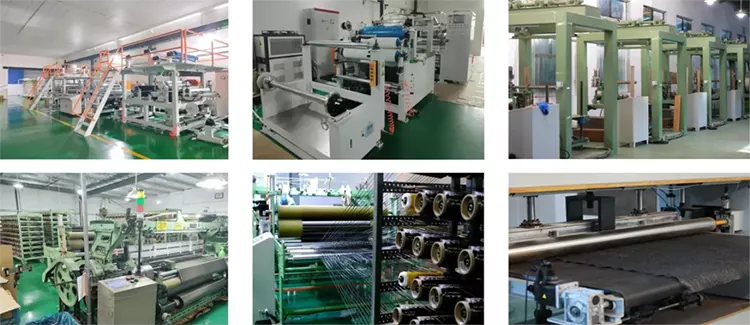
FAQ
What is 3K UD carbon fiber prepreg?
It is a prepreg using 3K carbon fiber reinforcement arranged predominantly in one direction and combined with a resin matrix before molding. It is suitable for composite parts where reinforcement needs to follow a defined load direction.
What is the difference between UD and bidirectional carbon fiber?
UD places most of the continuous fibers along one primary direction. Bidirectional construction provides reinforcement in two principal directions. The selection depends on the load conditions, part geometry and laminate design of the finished component.
Does the material already contain resin?
Yes. This is a prepreg material, meaning the carbon fiber reinforcement has already been combined with a resin matrix. The specific resin system and resin content should be confirmed for the selected specification.
Is 3K the same as the strength grade?
No. 3K describes the approximate filament count of the carbon fiber tow. Final composite performance also depends on the fiber grade, resin system, fiber volume fraction, laminate orientation and curing conditions.
Can the material be customized?
Yes. Yuruis provides make-to-order production and can discuss customized size, width and other project requirements according to the intended application and manufacturing process.
Which industries use this type of prepreg?
Applications can include sports equipment, automotive components and industrial composite parts. Selected electronic equipment structures may also use carbon fiber composites when the material and electrical requirements are compatible with the application.
What information should I provide when requesting a quotation?
Providing the required width, thickness, fiber construction, resin requirement, application, molding method and estimated quantity will help determine the appropriate specification. For structural parts, a drawing or laminate schedule can also be useful for confirming the required fiber orientation.
Send Inquiry
Contact Info
-
Address
No. 18, Fuyuan Road, Dalun Town Industrial Concentration Zone, Jiangyan District, Taizhou City, Jiangsu Province, China
-
Tel
-
Email
Send your requirements to Yuruis for carbon fiber materials, FRP grating or fiberglass materials. Include product specifications, dimensions, quantity, application or other requirements so our team can review the details and respond accordingly.

News Recommendations





