
English
- English
- Español
- Português
- русский
- Français
- 日本語
- Deutsch
- tiếng Việt
- Italiano
- Nederlands
- ภาษาไทย
- Polski
- 한국어
- Svenska
- magyar
- Malay
- বাংলা ভাষার
- Dansk
- Suomi
- हिन्दी
- Pilipino
- Türkçe
- Gaeilge
- العربية
- Indonesia
- Norsk
- تمل
- český
- ελληνικά
- український
- Javanese
- فارسی
- தமிழ்
- తెలుగు
- नेपाली
- Burmese
- български
- ລາວ
- Latine
- Қазақша
- Euskal
- Azərbaycan
- Slovenský jazyk
- Македонски
- Lietuvos
- Eesti Keel
- Română
- Slovenski
- मराठी
- Srpski језик

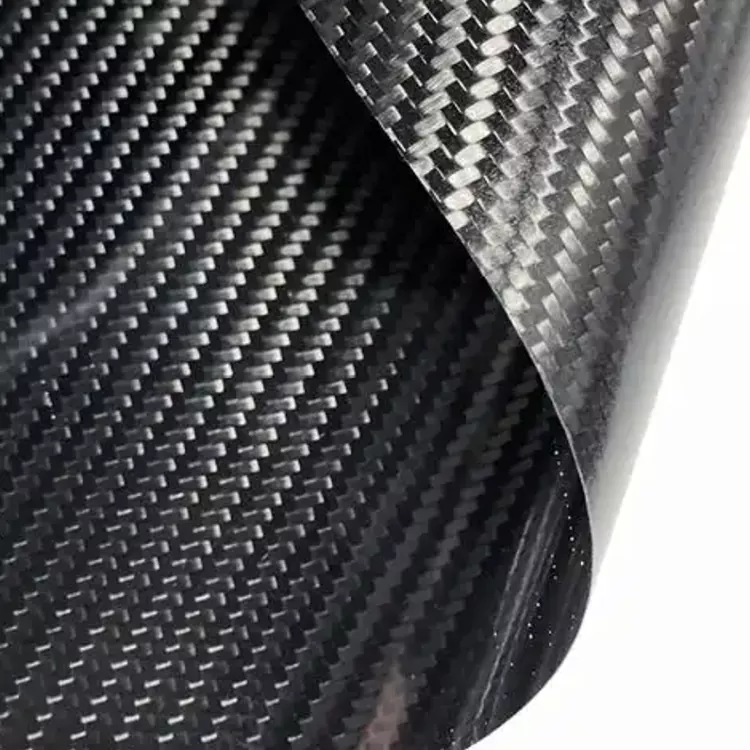
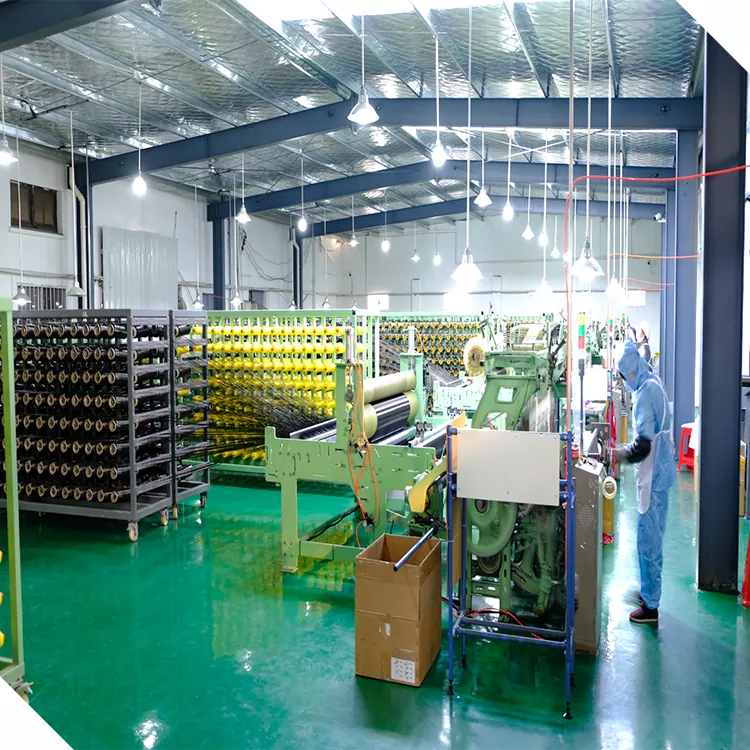
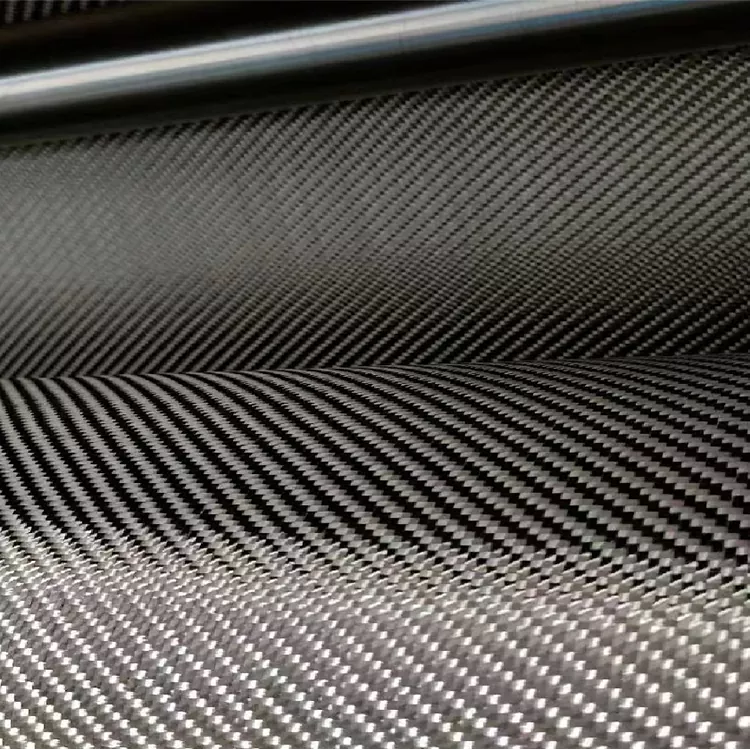
Thermoplastic Prepreg Carbon Fiber
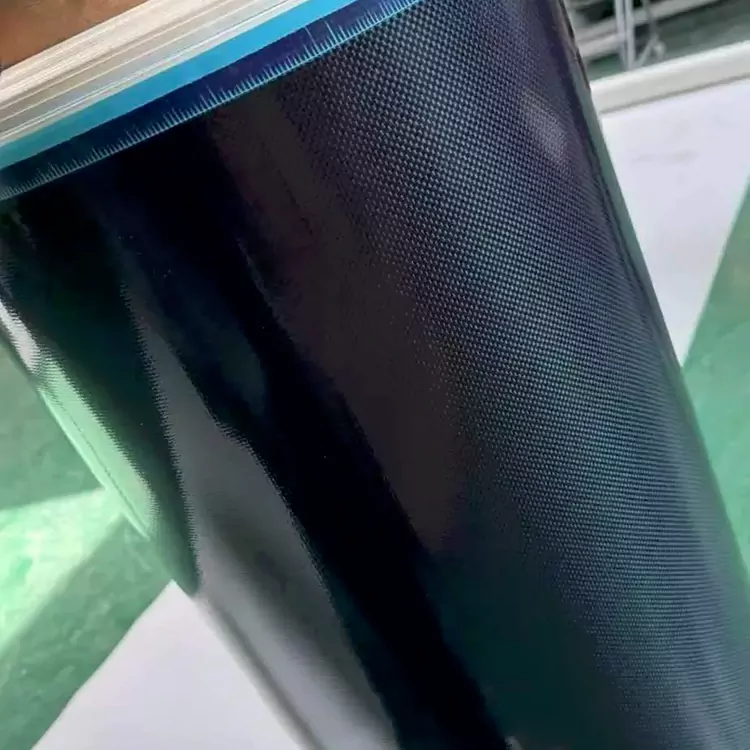
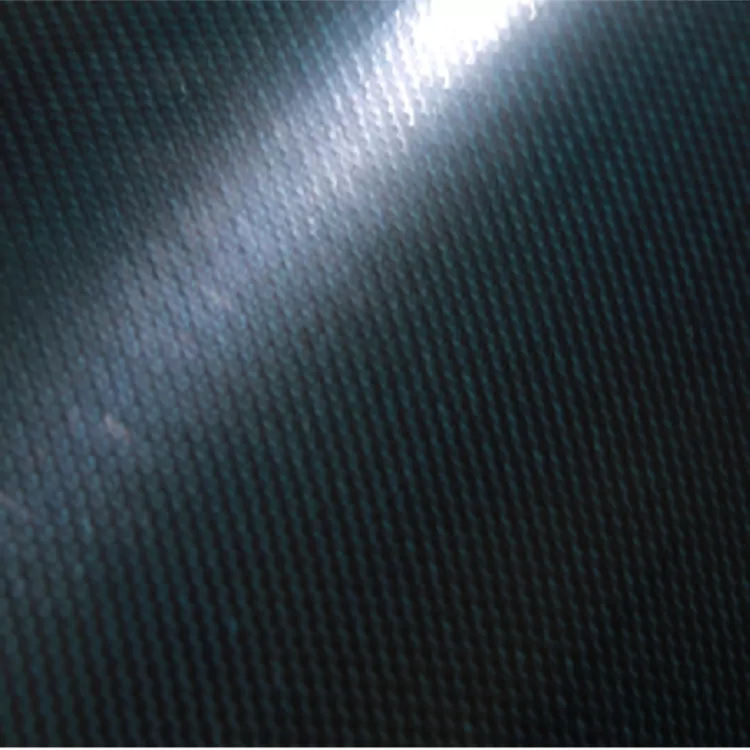
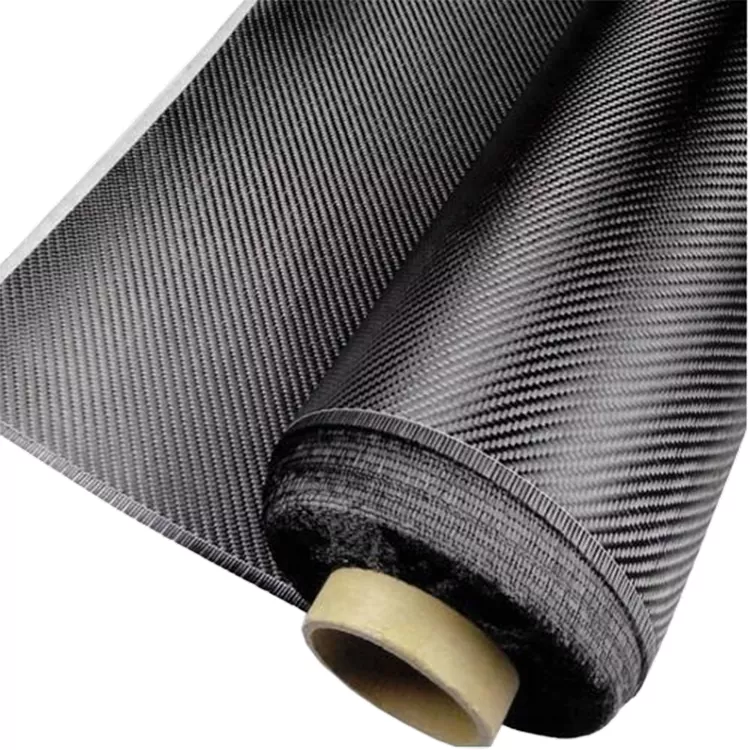
For repeat composite manufacturing, the processing method is an important part of material selection. Yuruis Thermoplastic Prepreg Carbon Fiber combines carbon fiber reinforcement with a thermoplastic resin matrix that can be heated, formed and consolidated. It is available for lightweight automotive components, industrial parts, transportation structures and sports equipment, with material specifications customized according to the required application and forming process.
Thermoplastic Prepreg Carbon Fiber combines continuous or specified carbon fiber reinforcement with a thermoplastic resin matrix. Unlike a conventional thermoset prepreg, the thermoplastic matrix is softened or melted by heating and then consolidated under pressure before cooling. This makes the material relevant to composite processes where heating, forming and cooling need to be integrated into the production cycle.
The key difference is the behavior of the resin during processing. A thermoset system relies on a curing reaction to establish the final matrix structure, while a thermoplastic system can be heated into a workable state and solidified again after cooling. The actual processing temperature and forming conditions depend on the selected resin formulation and the construction of the prepreg.
Carbon Fiber Reinforcement, Thermoplastic Matrix
The carbon fiber carries the reinforcing function, while the thermoplastic resin surrounds and supports the fiber architecture. The resulting laminate combines the characteristics of the selected carbon fiber with those of the thermoplastic matrix, so the final mechanical and thermal behavior cannot be determined from the carbon fiber type alone.
Depending on the specified material construction, relevant characteristics may include:
· High strength-to-weight potential
· Low material density
· Good stiffness
· Fatigue resistance
· Electrical and thermal conductivity
· Good dimensional stability
· Corrosion resistance
These characteristics should be evaluated together with the resin type, fiber architecture, fiber content, laminate thickness and processing conditions rather than treated as fixed properties of every thermoplastic prepreg.
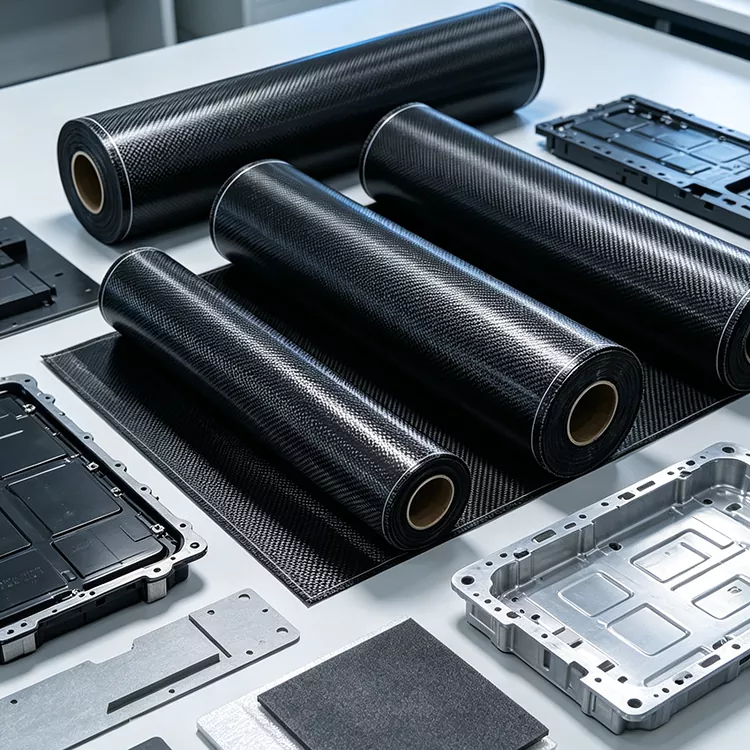
Heat, Form, Consolidate, Cool
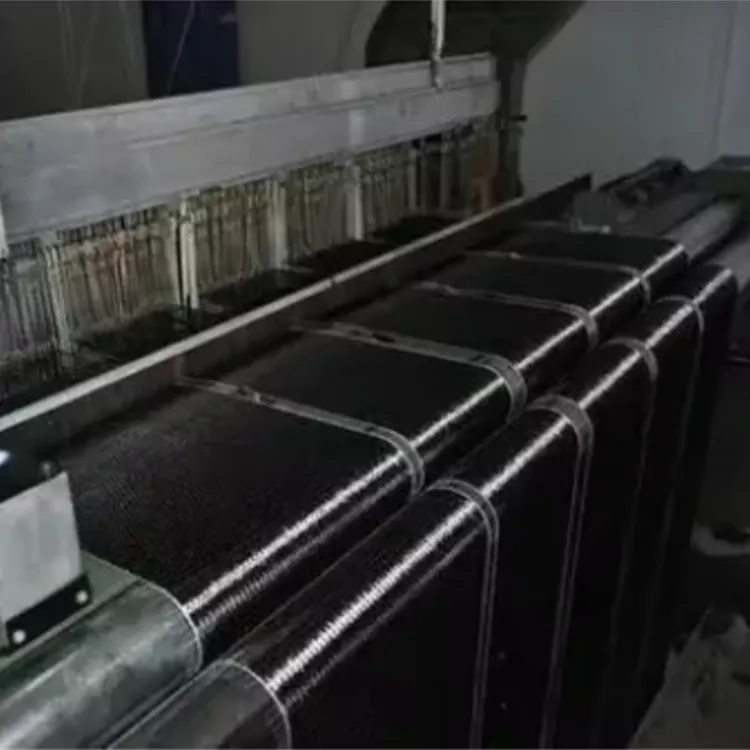
For thermoplastic composite production, the material selection is closely connected with the forming process. The prepreg is heated to a temperature at which the selected resin becomes sufficiently soft or molten, formed against the required geometry, consolidated under pressure and then cooled to retain the formed shape.
In practical production terms, the basic route is:
Heat → Form → Consolidate → Cool
This processing concept can be applied to compression molding, thermoforming, hot pressing and other heated forming routes, depending on the resin system, reinforcement construction, equipment and part geometry. The heating method and temperature window should be established from the actual resin specification rather than from the product name alone.
For repeat production, cycle time is also affected by part thickness, heating rate, forming temperature, consolidation pressure, cooling method and the equipment used. These factors should be considered when assessing whether the material fits an existing production line.

Product Information
|
Item |
Details |
|
Product |
Thermoplastic Prepreg Carbon Fiber |
|
Material |
Carbon Fiber + Thermoplastic Resin Matrix |
|
Product Form |
Carbon Fiber Prepreg |
|
Supply Type |
Make-to-Order |
|
Customization |
Available |
|
Size |
Customized according to requirement |
|
Application |
Automotive, Industrial, Transportation, Sports Equipment |
|
Feature |
Lightweight, high strength-to-weight potential, heat-processable |
|
Packaging |
Paper Box |
|
Brand |
Yuruis |
|
Origin |
Taizhou, Jiangsu Province, China |
Where Thermoplastic Processing Makes Sense
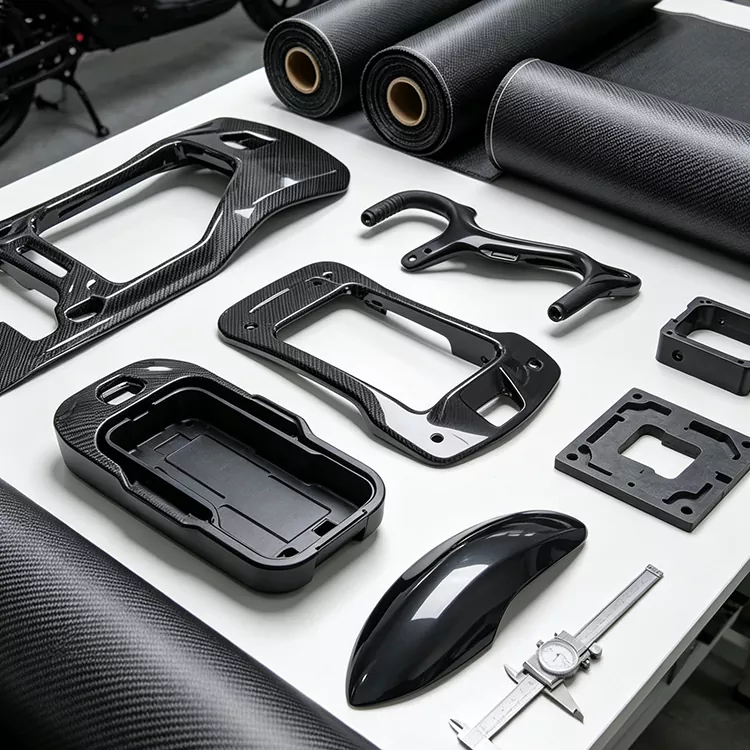
Thermoplastic Prepreg Carbon Fiber can be considered when the production process requires carbon fiber reinforcement together with a heat-formable matrix. The material is particularly relevant to parts that need a defined forming cycle and repeatable consolidation conditions.
Automotive
Automotive applications can include lightweight panels, reinforcement parts, structural brackets, interior components and other composite parts. Material selection should account for the required laminate structure, forming temperature, cycle time and dimensional requirements of the component.
Industrial Equipment
Industrial applications include lightweight housings, panels, brackets and structural composite components. The appropriate material construction depends on the required stiffness, thickness, geometry and production process.
Transportation
Transportation components can use carbon fiber reinforcement where weight and structural requirements need to be balanced with a repeatable thermal forming process. Part geometry and production volume are important considerations when selecting the forming route.
Sports Equipment
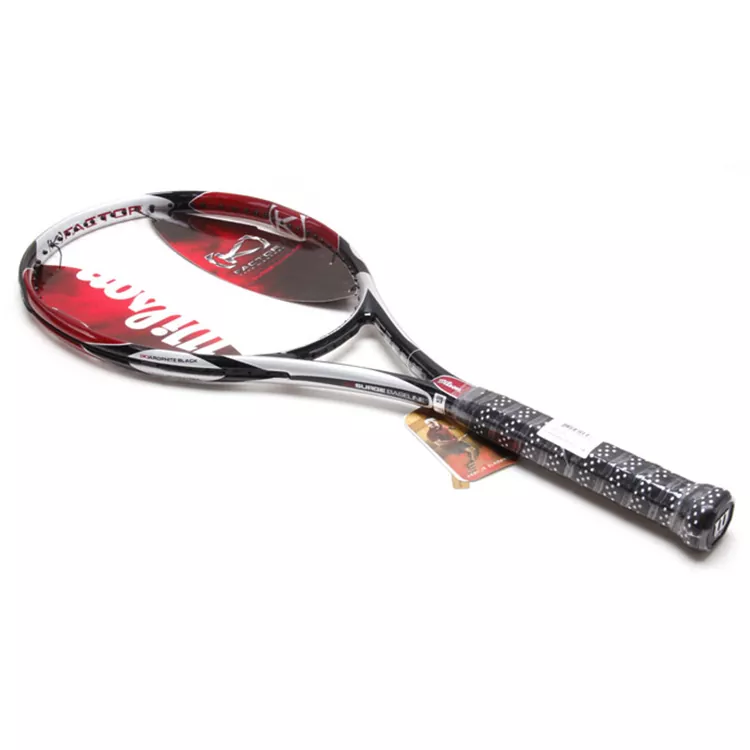
Bicycle components, sporting structures and other lightweight equipment can use thermoplastic carbon fiber prepreg when the part design is compatible with heat forming and consolidation. Surface requirements, laminate orientation and part thickness should be defined together with the molding process.
What to Confirm Before Production
A thermoplastic prepreg should be specified by its material construction and processing requirements rather than by product name alone. The carbon fiber, thermoplastic resin, resin content and material dimensions all affect how the prepreg behaves during forming.
|
Parameter |
Why It Matters |
|
Carbon fiber type |
Determines the reinforcement characteristics |
|
Thermoplastic resin |
Determines the processing window and final matrix properties |
|
Resin content |
Influences consolidation and final laminate composition |
|
Areal weight |
Affects ply thickness and material usage |
|
Material thickness |
Needs to match the laminate design |
|
Width |
Determines cutting and lay-up efficiency |
|
Forming method |
Influences heating and consolidation requirements |
|
Required quantity |
Helps determine production and packaging arrangements |
FAQ
How is thermoplastic prepreg different from thermoset prepreg?
The main difference is the matrix behavior during processing. A thermoset prepreg undergoes a curing reaction to establish its final structure, while a thermoplastic matrix can be softened or melted by heating and solidified again through cooling. The actual processing window depends on the resin system.
Can Thermoplastic Prepreg Carbon Fiber be thermoformed?
Depending on the resin system, reinforcement construction and material thickness, it can be considered for thermoforming, hot pressing and compression molding. The forming temperature and pressure should be established according to the specific material specification.
Is it suitable for automotive components?
It can be considered for automotive lightweight components where carbon fiber reinforcement and a thermoplastic forming process fit the component design. The selected resin, laminate structure and forming cycle should be evaluated together.
Can thermoplastic prepreg be reheated?
Thermoplastic materials can generally be reheated within their appropriate processing range because the matrix softens when heated. The allowable temperature range, heating rate and number of thermal cycles depend on the resin formulation and material construction.
Can Yuruis customize the material?
Yes. Yuruis provides make-to-order production and can discuss customized dimensions and material specifications according to the customer's application, laminate requirements and forming process.
What information should I send for a quotation?
For a useful quotation, provide the intended application, required width and thickness, carbon fiber specification, preferred thermoplastic resin if known, forming method, estimated quantity and any existing material specification or drawing. These details help determine the appropriate material construction and production requirements.
Send Inquiry
Contact Info
-
Address
No. 18, Fuyuan Road, Dalun Town Industrial Concentration Zone, Jiangyan District, Taizhou City, Jiangsu Province, China
-
Tel
-
Email
Send your requirements to Yuruis for carbon fiber materials, FRP grating or fiberglass materials. Include product specifications, dimensions, quantity, application or other requirements so our team can review the details and respond accordingly.
News Recommendations





