
English
- English
- Español
- Português
- русский
- Français
- 日本語
- Deutsch
- tiếng Việt
- Italiano
- Nederlands
- ภาษาไทย
- Polski
- 한국어
- Svenska
- magyar
- Malay
- বাংলা ভাষার
- Dansk
- Suomi
- हिन्दी
- Pilipino
- Türkçe
- Gaeilge
- العربية
- Indonesia
- Norsk
- تمل
- český
- ελληνικά
- український
- Javanese
- فارسی
- தமிழ்
- తెలుగు
- नेपाली
- Burmese
- български
- ລາວ
- Latine
- Қазақша
- Euskal
- Azərbaycan
- Slovenský jazyk
- Македонски
- Lietuvos
- Eesti Keel
- Română
- Slovenski
- मराठी
- Srpski језик

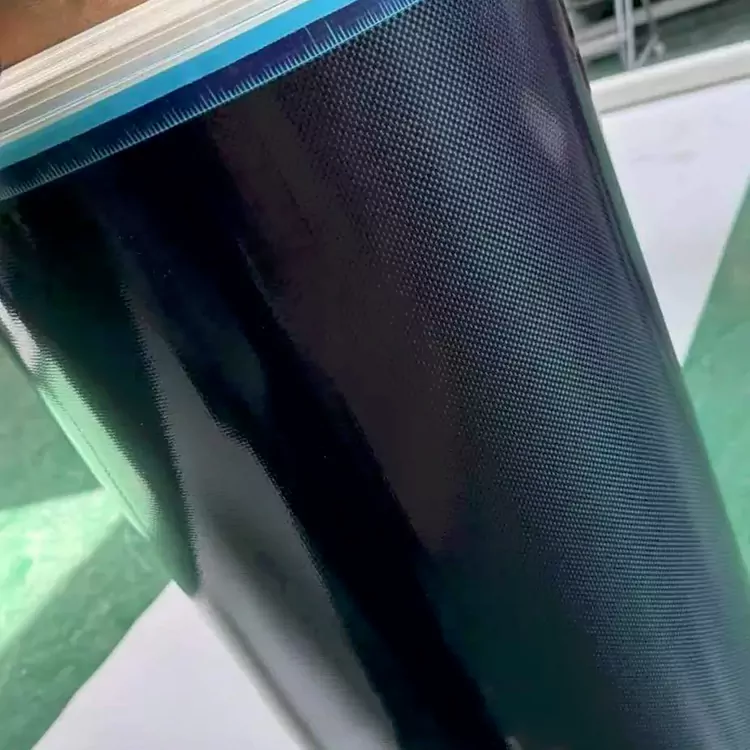
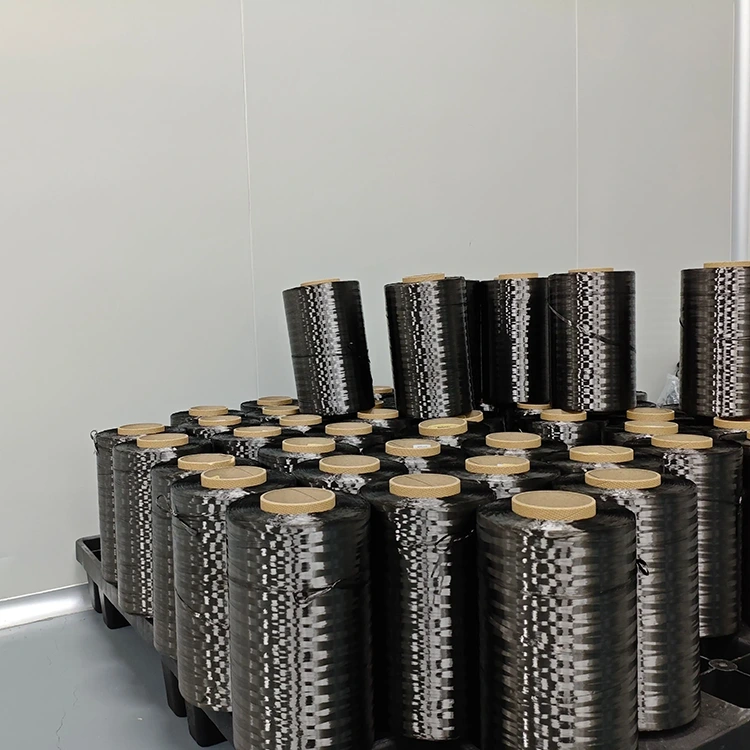
Low-Density Prepreg Carbon Fiber
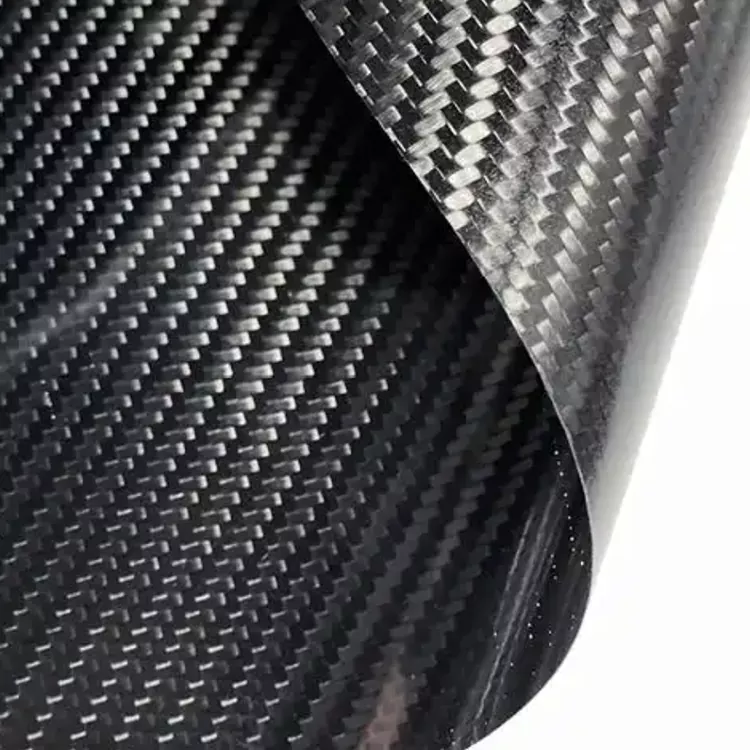
Component weight depends on the reinforcement, resin content and laminate construction, not simply on the amount of carbon fiber used. Low-Density Prepreg Carbon Fiber from Yuruis combines carbon fiber reinforcement with a pre-impregnated resin matrix for composite parts where weight is an important design factor. The final laminate can be specified according to the fabric construction, dimensions, resin system and processing requirements of the part.
Low-Density Prepreg Carbon Fiber is designed for composite parts where reinforcement weight needs to be considered together with the required structural performance. The material combines carbon fiber reinforcement with a pre-impregnated resin matrix, allowing manufacturers to control fiber orientation, laminate thickness and resin content during composite lay-up. It can be considered for lightweight sports equipment, automotive components and selected industrial parts where reducing finished-part mass is part of the design requirement.
The term "Low-Density" should be considered at the laminate and component level rather than as a standalone indication of final part performance. The finished composite also contains resin, and its weight depends on the fiber construction, resin content, laminate thickness, molding method and component geometry.
Why Reinforcement Weight Matters in Composite Design
When a composite component is being redesigned for lower weight, the reinforcement is only one part of the engineering calculation. The manufacturer also needs to consider how much material is required to achieve the required stiffness, strength and dimensional stability.
A useful comparison therefore needs to look beyond the carbon fiber material itself and consider the finished laminate. Fiber orientation, fiber volume fraction, resin content, ply arrangement and curing conditions can all affect the final weight and mechanical behavior of the component.
Depending on the laminate design, carbon fiber composites may provide a combination of:
· Low structural weight
· High specific strength
· High specific stiffness
· Fatigue resistance
· Dimensional stability
· Vibration damping characteristics
· Corrosion resistance
These characteristics can be relevant when the finished component needs to remain structurally functional without adding unnecessary mass. In practical production, the weight reduction is determined by the complete part design rather than by the material name alone.
Fabric Construction and Laminate Design
Low-Density does not mean that every component should use the same reinforcement construction. The fabric style should be selected according to the geometry of the part, required drape, load direction and molding process.
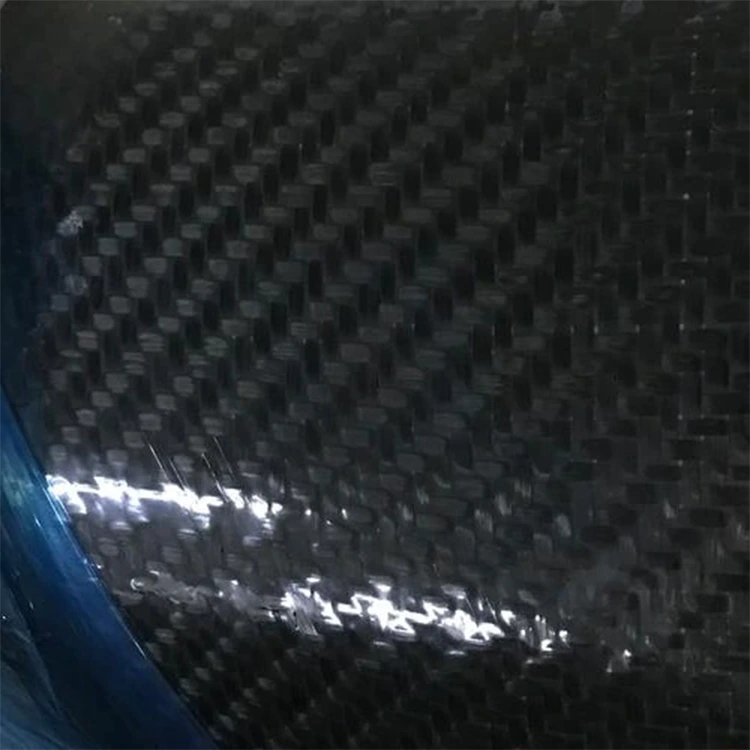
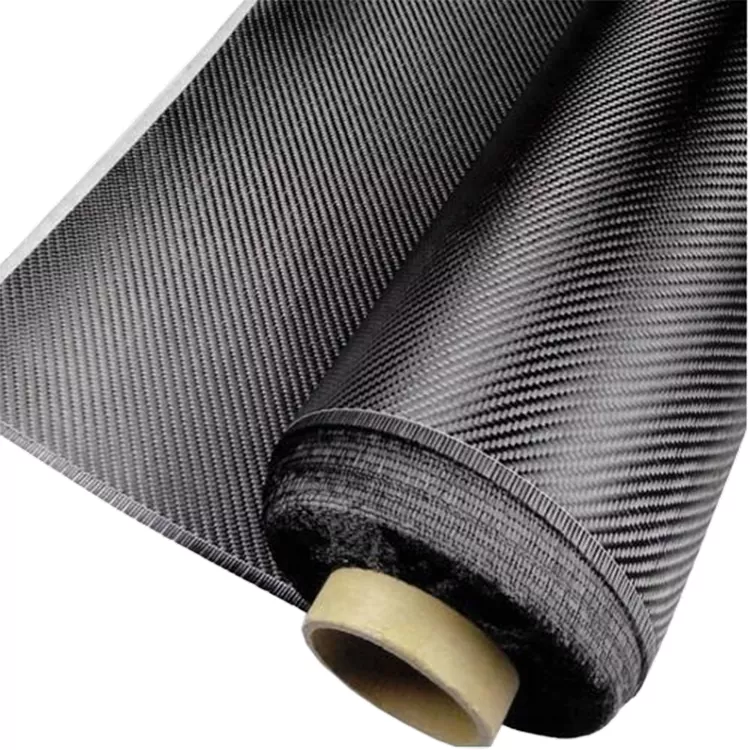
The supplied material can be considered in different constructions, including plain, twill and other specified styles. These constructions affect how the reinforcement handles during lay-up and how it conforms to the component surface.
Plain construction can be considered where a regular and stable fabric structure is required. Twill construction may be more suitable for parts with curved or more complex surfaces because of its drape characteristics. Where the component has a clearly defined primary load direction, a unidirectional reinforcement may be considered instead.
The fabric construction should therefore be selected together with the laminate schedule. A lightweight part still requires sufficient reinforcement in the directions where the component carries load.
For OEM development, Yuruis can discuss the required fabric style, width, weight, thickness, resin content and processing conditions before production.
Where Lightweight Prepreg Can Be Used
Sports Equipment
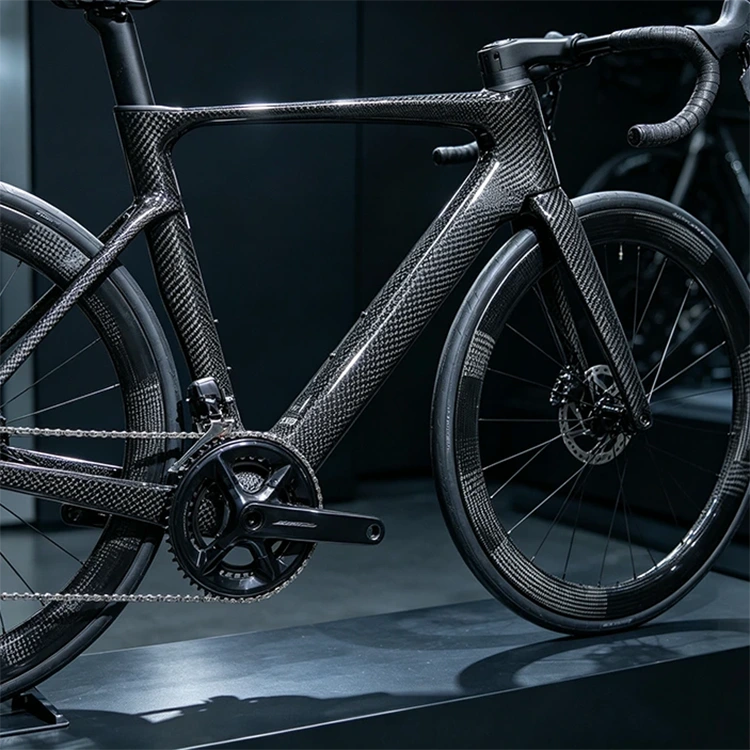
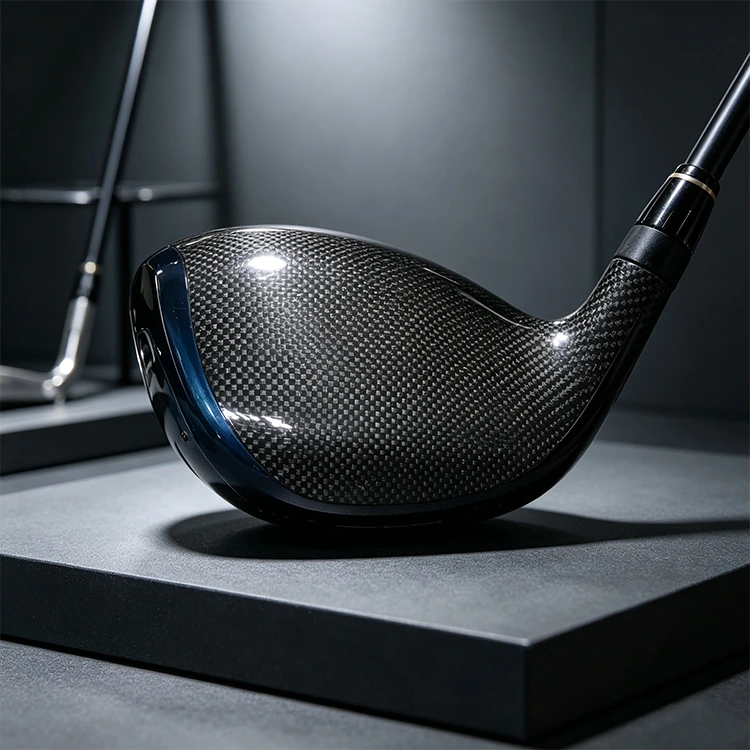
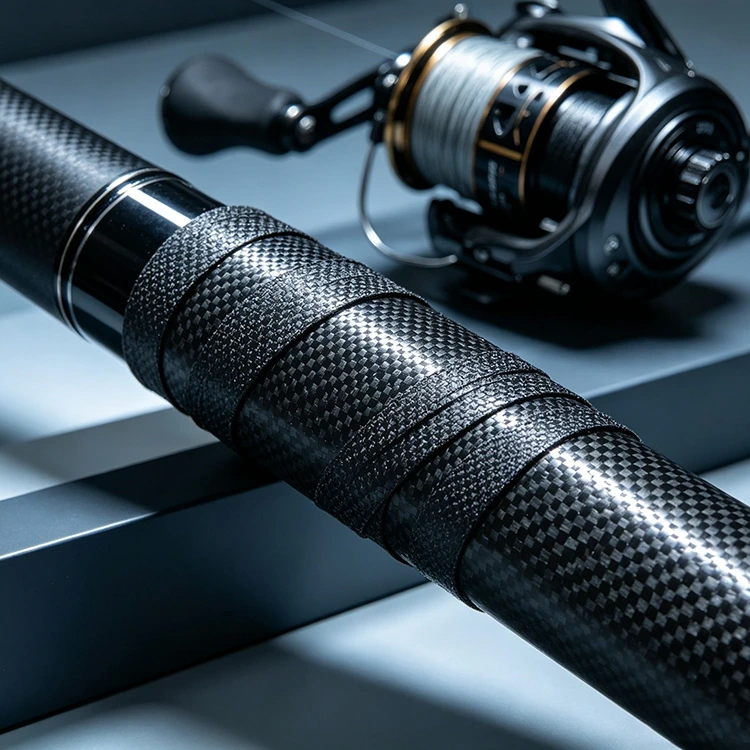
Sports products often have strict weight and dimensional requirements. Carbon fiber prepreg can be used for bicycle components, golf equipment, racket structures, paddles and other molded composite parts where stiffness, fatigue behavior and overall mass need to be considered together.
Automotive Components
For automotive manufacturers and component suppliers, composite materials can be considered for selected parts where reducing component mass is part of the design objective.
Potential applications include lightweight panels, covers, reinforcement components and other composite parts. The appropriate laminate depends on the component load, mounting arrangement, required stiffness and production method.
Industrial Equipment
Industrial applications may include panels, housings, brackets, structural members and other equipment components that need to be installed, moved or supported repeatedly. In these applications, reducing the mass of an individual component can affect handling and installation requirements as well as the overall equipment design.
Electronics & Equipment Housings
Selected equipment structures and housings may use carbon fiber composites where low weight and dimensional stability are required. Because carbon fiber is electrically conductive, electrical isolation, grounding and electromagnetic requirements should be evaluated as part of the complete product design.
Material & Supply Information
|
Item |
Details |
|
Product |
Low-Density Prepreg Carbon Fiber |
|
Material |
Carbon fiber reinforcement with pre-impregnated resin matrix |
|
Supply Type |
Make-to-order |
|
Customization |
Available |
|
Fabric Style |
Twill, Plain, Other |
|
Size |
Customized |
|
Service |
Customized OEM |
|
Application |
Electronics, Sports Products, Automobile |
|
Width |
One meter wide / according to requirement |
|
Packaging |
Paper Box |
|
Origin |
Taizhou, Jiangsu Province, China |
|
HS Code |
7019400000 |
|
Production Capacity |
3,000 Tons/Year |
|
Brand |
Yuruis |
Designed Around the Finished Component
Low-Density Prepreg Carbon Fiber becomes most relevant when the manufacturer has identified where component weight needs to be controlled. The material should not be selected only by comparing the nominal weight of different reinforcement fabrics.
For example, when replacing a metal bracket with a composite design, the engineering team needs to consider the applied load, mounting points, laminate thickness, fiber orientation, required stiffness and connection method. These factors determine how much reinforcement is actually required in the finished part.
The same principle applies to panels, covers, housings and other lightweight structures. A lower material weight does not automatically produce a lighter or structurally equivalent component if additional plies or thickness are required.
Yuruis supports make-to-order production and OEM requirements, allowing the material specification to be discussed according to the customer's component design and manufacturing process.
Prepreg Storage and Processing
Because the material contains a resin matrix before curing, prepreg requires different storage and handling practices from dry carbon fiber fabric.
Storage temperature, allowable out-of-storage time and shelf life depend on the selected resin system. The material should be kept under the recommended storage conditions and handled according to the technical instructions supplied with the specific grade.
For production management, first-in, first-out stock rotation is a practical way to limit unnecessary storage time.
Before placing a production order, customers developing a new application should also confirm the required curing cycle, processing temperature and processing window for the selected prepreg system.
FAQ
What makes Low-Density Prepreg Carbon Fiber different from ordinary carbon fiber fabric?
Ordinary carbon fiber fabric is generally supplied as dry reinforcement. This product is supplied in prepreg form, with the carbon fiber already combined with a resin matrix. Its application is centered on lightweight composite manufacturing, while the final weight and properties depend on the complete laminate design.
How does Low-Density affect the weight of a composite component?
Carbon fiber composites have a relatively Low-Density compared with many conventional structural metals. However, the weight of the finished component depends on the required laminate thickness, fiber volume, resin content, geometry and processing method. Low-density reinforcement should therefore be evaluated as part of the complete component design.
Which fabric styles are available?
The supplied information includes Plain, Twill and Other construction options. The appropriate style depends on the required drape, surface characteristics, laminate design and manufacturing process.
Can the width, thickness and size be customized?
Yes. Yuruis provides make-to-order production and can discuss customized dimensions and OEM requirements. Final specifications should be confirmed according to the customer's production equipment and component design.
Which resin systems can be used?
The available resin system should be confirmed for the specific prepreg grade. Epoxy and other resin systems may be considered depending on the application, curing conditions and required final properties.
What industries commonly use low-density carbon fiber composites?
The material is relevant to sports equipment, automotive components and industrial composite manufacturing. Selected electronics and equipment structures may also be suitable when their electrical, thermal and structural requirements are compatible with the material system.
Can this material directly replace a steel component?
Not necessarily. Carbon fiber composites and steel have different density, stiffness, strength, failure behavior and joining characteristics. A replacement normally requires reviewing the component geometry, load conditions, laminate construction and connection method rather than directly substituting one material for another.
Send Inquiry
Contact Info
-
Address
No. 18, Fuyuan Road, Dalun Town Industrial Concentration Zone, Jiangyan District, Taizhou City, Jiangsu Province, China
-
Tel
-
Email
Send your requirements to Yuruis for carbon fiber materials, FRP grating or fiberglass materials. Include product specifications, dimensions, quantity, application or other requirements so our team can review the details and respond accordingly.
News Recommendations





