
English
- English
- Español
- Português
- русский
- Français
- 日本語
- Deutsch
- tiếng Việt
- Italiano
- Nederlands
- ภาษาไทย
- Polski
- 한국어
- Svenska
- magyar
- Malay
- বাংলা ভাষার
- Dansk
- Suomi
- हिन्दी
- Pilipino
- Türkçe
- Gaeilge
- العربية
- Indonesia
- Norsk
- تمل
- český
- ελληνικά
- український
- Javanese
- فارسی
- தமிழ்
- తెలుగు
- नेपाली
- Burmese
- български
- ລາວ
- Latine
- Қазақша
- Euskal
- Azərbaycan
- Slovenský jazyk
- Македонски
- Lietuvos
- Eesti Keel
- Română
- Slovenski
- मराठी
- Srpski језик

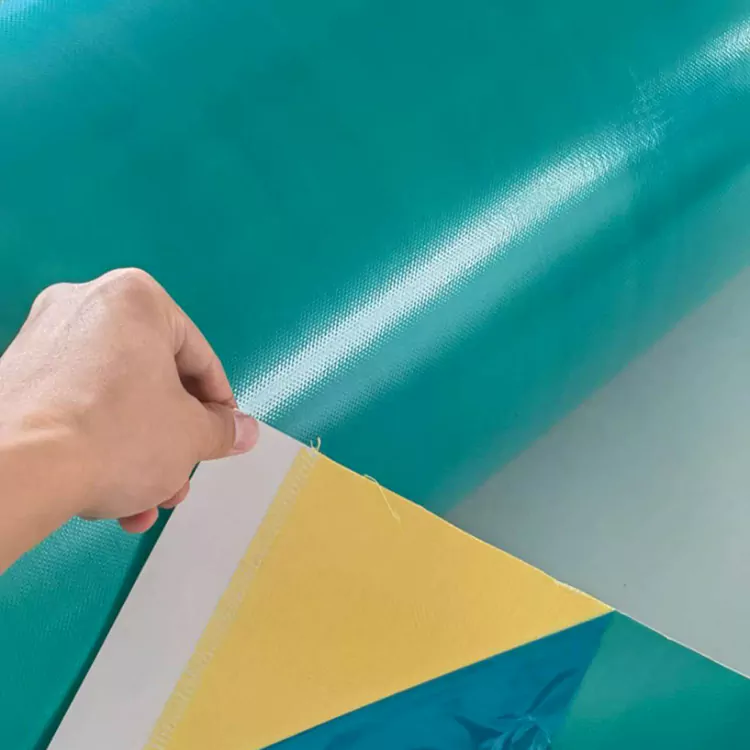
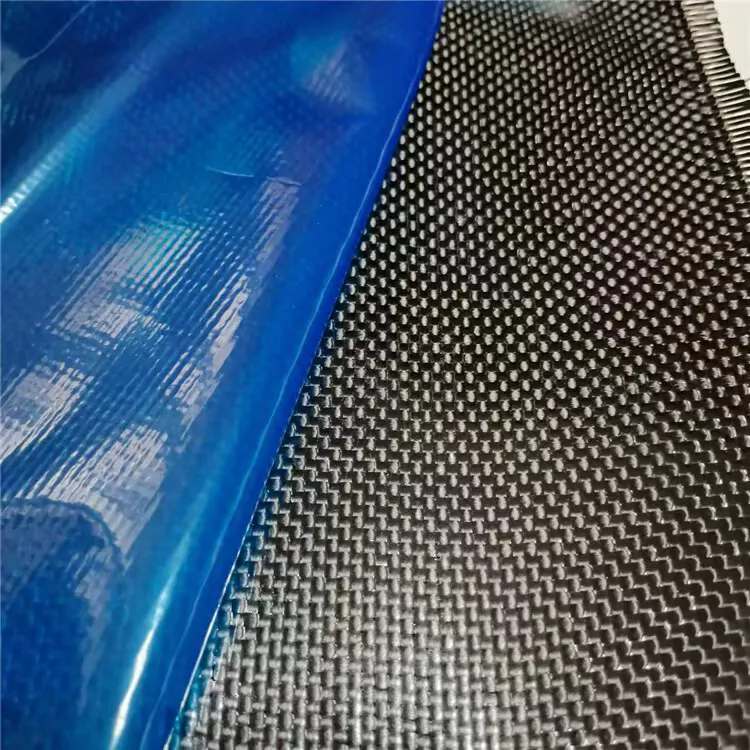
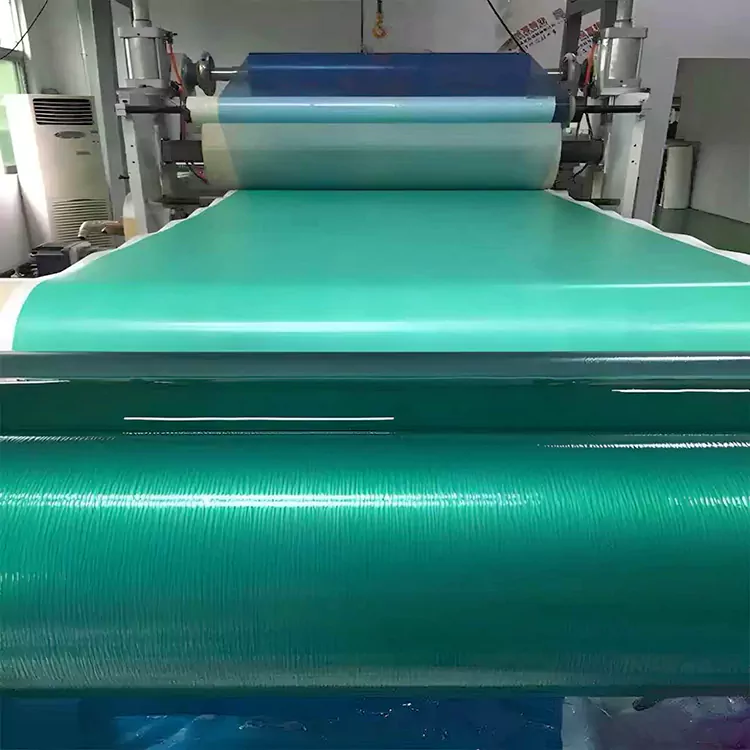
Unidirectional Carbon Fiber Prepreg Fabric
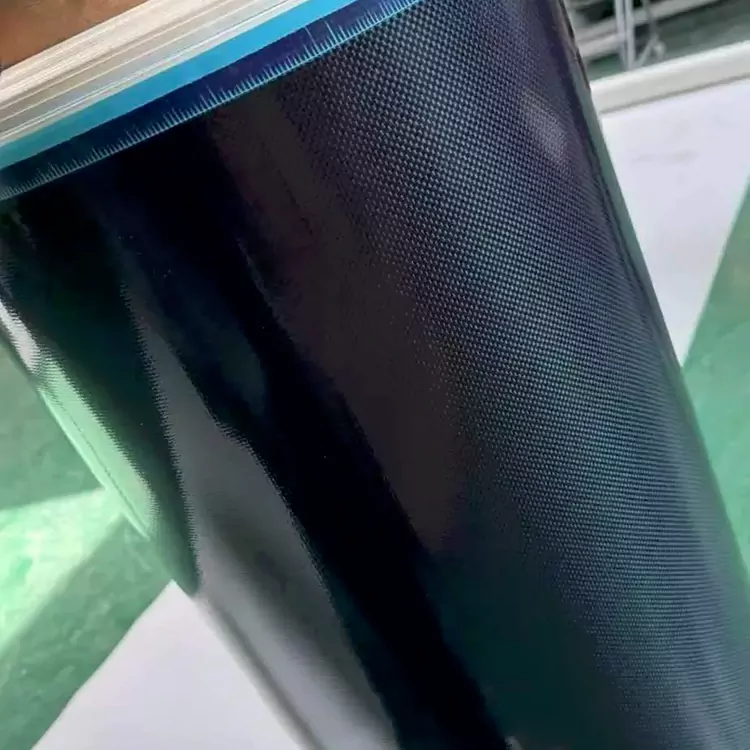
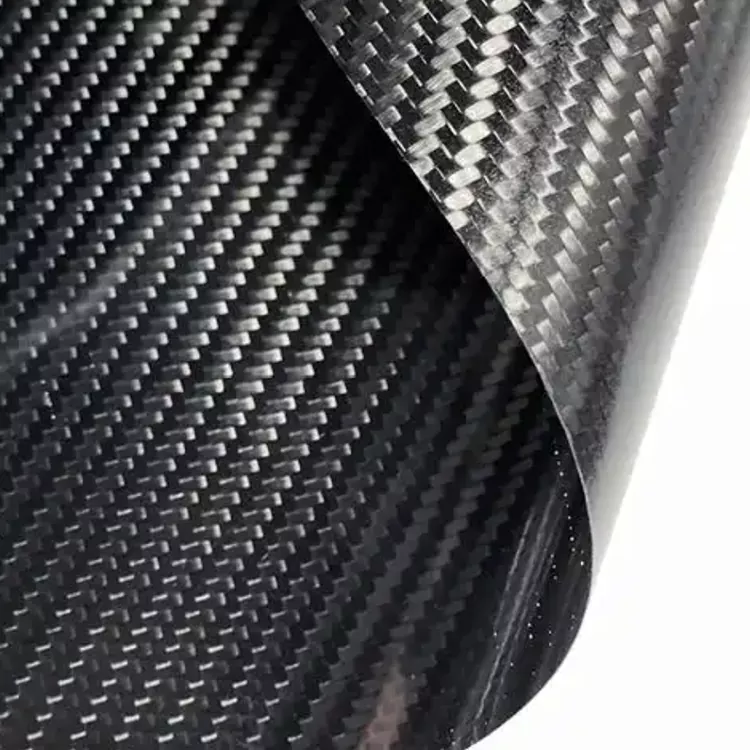
When a composite component has a defined primary load direction, reinforcement can be concentrated along that direction rather than distributed equally across the laminate. Unidirectional Carbon Fiber Prepreg Fabric combines continuous carbon fibers arranged predominantly in one direction with a pre-impregnated resin matrix. It is used in composite parts for sports equipment, automotive components and industrial structures where fiber orientation is part of the laminate design. Yuruis supplies the material in customized sizes and specifications according to the component and manufacturing process.
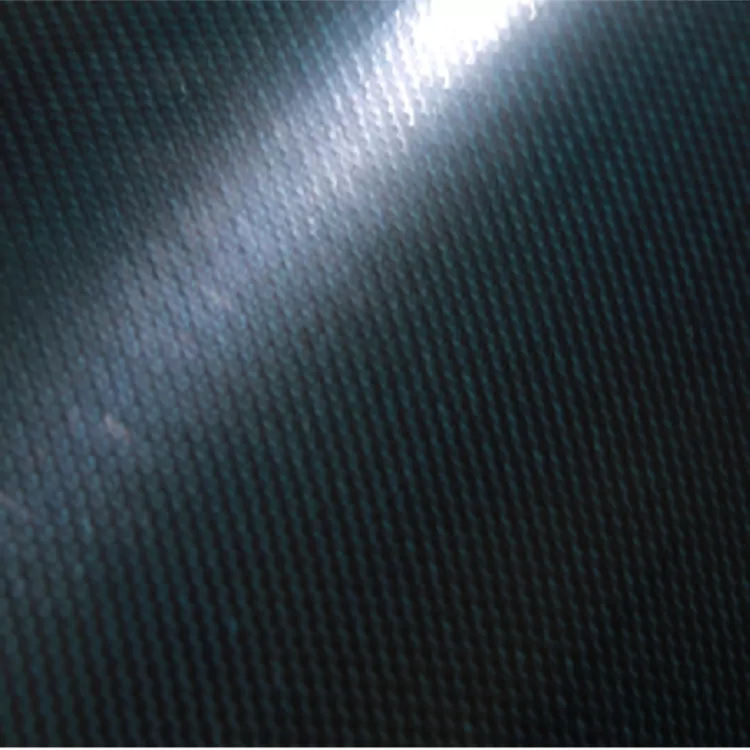
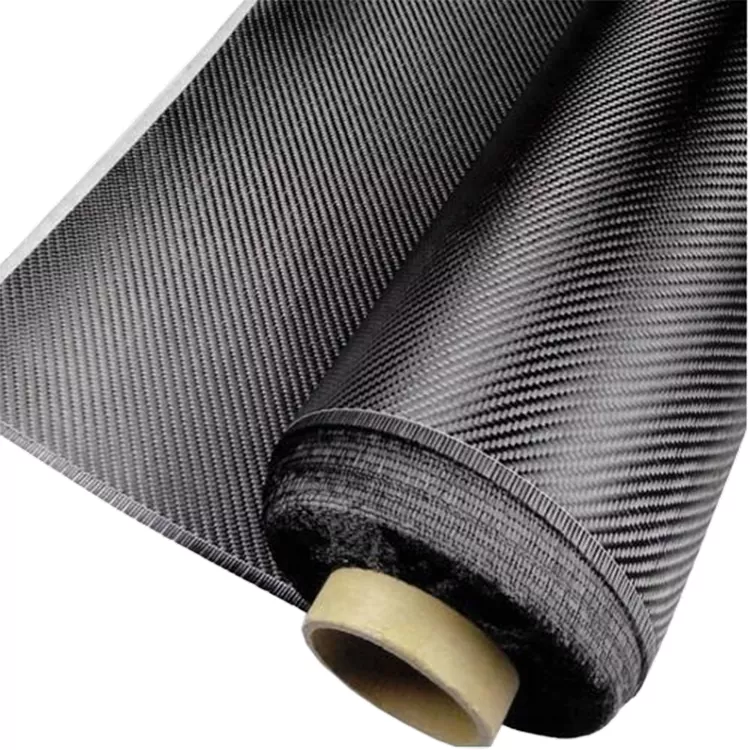
Unlike woven carbon fiber fabric, where warp and weft yarns intersect to form a fabric structure, Unidirectional Carbon Fiber Prepreg Fabric places most of the continuous carbon fibers along one primary direction. This allows the reinforcement direction to be matched with the main load path of the component. Different ply orientations can then be combined in the laminate to provide reinforcement in other required directions.
Prepreg Contains the Resin Matrix
The main difference between prepreg and dry carbon fiber reinforcement is that the resin has already been introduced into the material.
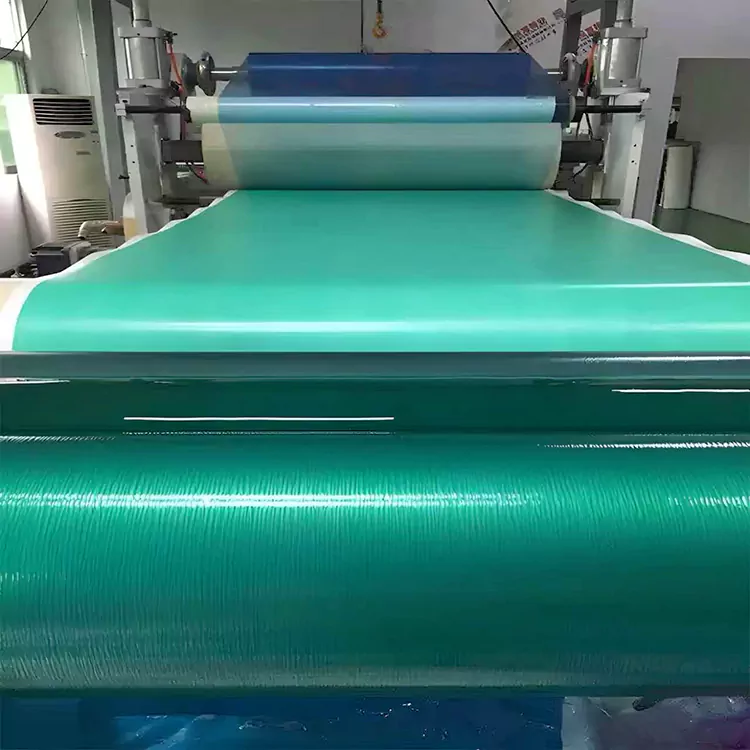
With dry carbon fiber fabric, resin is added during the composite manufacturing process. Prepreg is supplied with the carbon fiber reinforcement already combined with a specified resin system, so the material can be cut and laid up according to the laminate design before the applicable forming and curing process.
This also means that storage and processing conditions need to be considered before production. The required curing temperature, time, pressure and other processing parameters depend on the selected resin system.
Yuruis supplies Unidirectional Carbon Fiber Prepreg Fabric with carbon fiber reinforcement and a pre-impregnated resin matrix. The specific resin system, resin content and curing conditions should be confirmed according to the selected specification and manufacturing process.
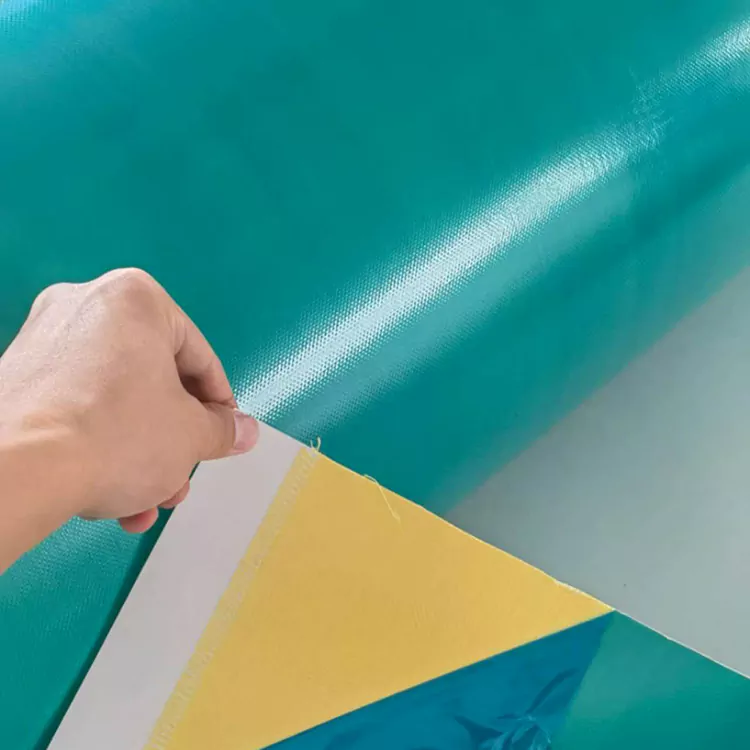
Applications
Sports equipment is a natural application for unidirectional carbon fiber prepreg. Golf shafts, bicycle components, racket structures and other lightweight products often have predictable loading directions that can be addressed through laminate orientation.
In the automotive sector, it can be considered for lightweight composite components where weight reduction and controlled stiffness are important.
For industrial composite structures, the material can be incorporated into beams, panels, rods, brackets and other components where engineers need reinforcement to follow a defined load path.
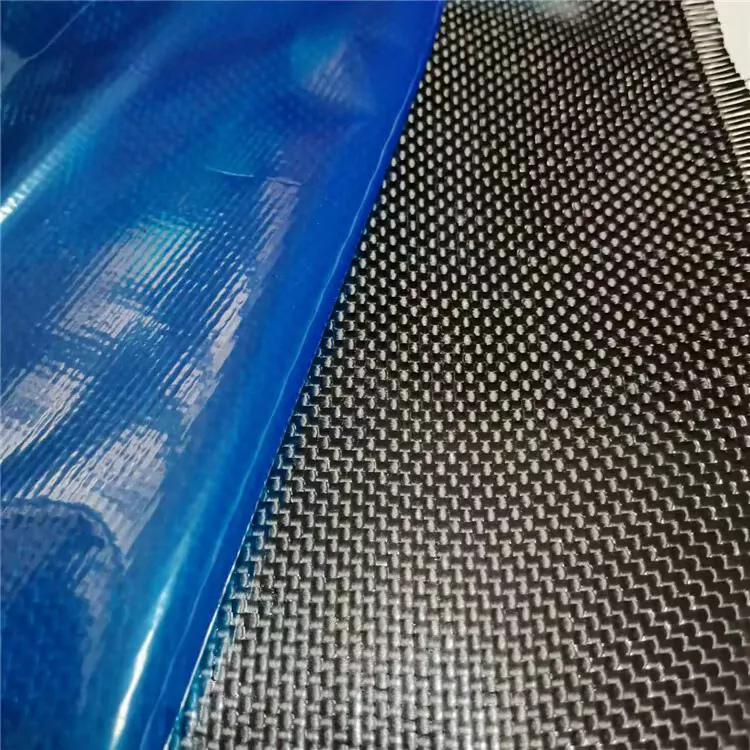
Material Information
|
Item |
Details |
|
Product |
Unidirectional Carbon Fiber Prepreg Fabric |
|
Material |
100% Carbon Fiber + Resin Matrix |
|
Fiber Arrangement |
Unidirectional / Continuous Fiber |
|
Supply Type |
Make-to-Order |
|
Size |
Customized |
|
Service |
Customized OEM |
|
Application |
Electronics, Sports Products, Automobile |
|
Thickness |
Lightweight construction |
|
Packaging |
Paper Box |
|
Width |
One meter wide / according to requirement |
|
Origin |
Taizhou, Jiangsu Province, China |
|
HS Code |
7019400000 |
|
Production Capacity |
3,000 tons/year |
|
Brand |
Yuruis |
Prepreg Storage and Handling
Prepreg should be handled differently from ordinary dry carbon fiber fabric because the material already contains resin.
Keep the packaging intact during storage and avoid unnecessary exposure to heat. The applicable storage temperature and shelf life depend on the specific resin formulation, so these values should be confirmed with Yuruis for the material being ordered.
During production, operators should also pay attention to the time the material remains outside its recommended storage condition.
For regular production, a simple first-in, first-out material management system can help prevent older rolls from remaining unused while newer material is consumed.
Factors Affecting Final Composite Performance
Carbon fiber is known for its high specific strength, low density, dimensional stability, electrical and thermal conductivity, corrosion resistance and good fatigue behavior. But these properties should not be transferred directly to every finished prepreg component.
The performance of the cured composite depends on factors such as:
fiber grade + fiber orientation + resin system + fiber volume + laminate thickness + curing conditions + component design.
For this reason, engineering validation of the finished laminate is recommended before making performance claims for a specific component.
FAQ
What is Unidirectional Carbon Fiber Prepreg Fabric?
It is a carbon fiber prepreg in which continuous carbon fibers are primarily aligned in one direction and combined with a resin matrix before molding. It is designed for composite structures requiring directional reinforcement.
Why use unidirectional carbon fiber instead of woven carbon fiber?
Unidirectional material allows the reinforcement to be concentrated along a planned load direction. Woven fabrics provide reinforcement in two principal directions through their interlaced yarns. The appropriate choice depends on the component design and laminate requirements.
Can different fiber directions be combined?
Yes. Composite laminates can combine 0°, 90° and ±45° plies to address different loading conditions. The actual stacking sequence should be determined by the component's engineering design.
Which molding processes can be used?
The appropriate process depends on the prepreg formulation. Depending on the specified material, applications may include compression molding, vacuum bag processing and other controlled composite forming methods. The curing cycle should be confirmed before production.
Can the size and specification be customized?
Yes. Yuruis supports make-to-order production, with customized dimensions and OEM requirements available for discussion.
Is it suitable for sports equipment?
Yes. Its directional reinforcement characteristics make it suitable for applications such as bicycle components, golf shafts, racket structures and other lightweight composite sports products.
How should the material be stored?
Storage conditions depend on the specific resin system. Keep the material in its recommended storage environment and follow the supplier's specified shelf-life and handling requirements. The exact storage temperature should be confirmed with Yuruis for the selected grade.
Can I test the material before a bulk order?
A sample or trial order can be discussed, particularly when the prepreg needs to be evaluated with a customer's mold, curing equipment and existing laminate design.
Send Inquiry
Contact Info
-
Address
No. 18, Fuyuan Road, Dalun Town Industrial Concentration Zone, Jiangyan District, Taizhou City, Jiangsu Province, China
-
Tel
-
Email
Send your requirements to Yuruis for carbon fiber materials, FRP grating or fiberglass materials. Include product specifications, dimensions, quantity, application or other requirements so our team can review the details and respond accordingly.
News Recommendations





