English
- English
- Español
- Português
- русский
- Français
- 日本語
- Deutsch
- tiếng Việt
- Italiano
- Nederlands
- ภาษาไทย
- Polski
- 한국어
- Svenska
- magyar
- Malay
- বাংলা ভাষার
- Dansk
- Suomi
- हिन्दी
- Pilipino
- Türkçe
- Gaeilge
- العربية
- Indonesia
- Norsk
- تمل
- český
- ελληνικά
- український
- Javanese
- فارسی
- தமிழ்
- తెలుగు
- नेपाली
- Burmese
- български
- ລາວ
- Latine
- Қазақша
- Euskal
- Azərbaycan
- Slovenský jazyk
- Македонски
- Lietuvos
- Eesti Keel
- Română
- Slovenski
- मराठी
- Srpski језик

600g Alkali-Free Fiberglass Cloth Shipped to Anhui for Composite Safety Shoe Production
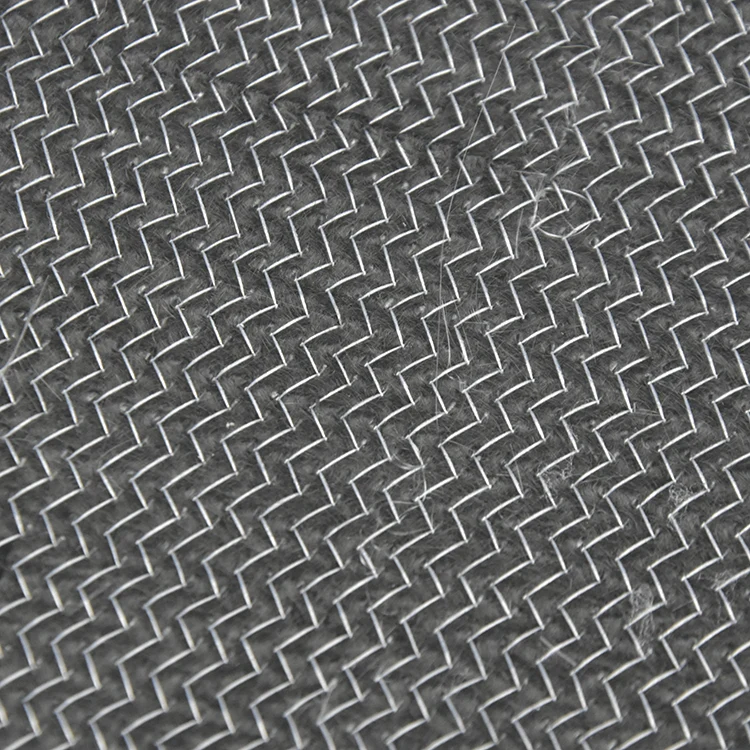
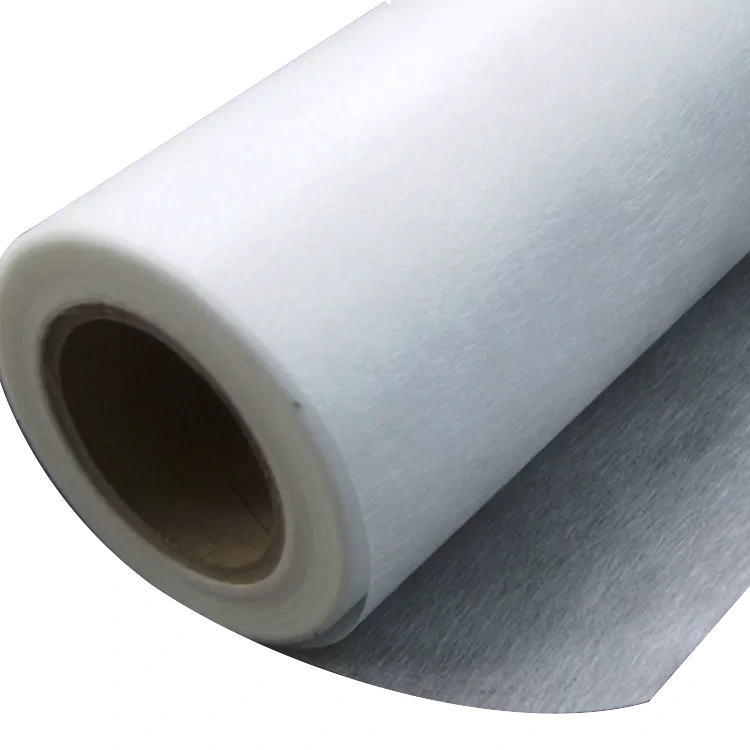
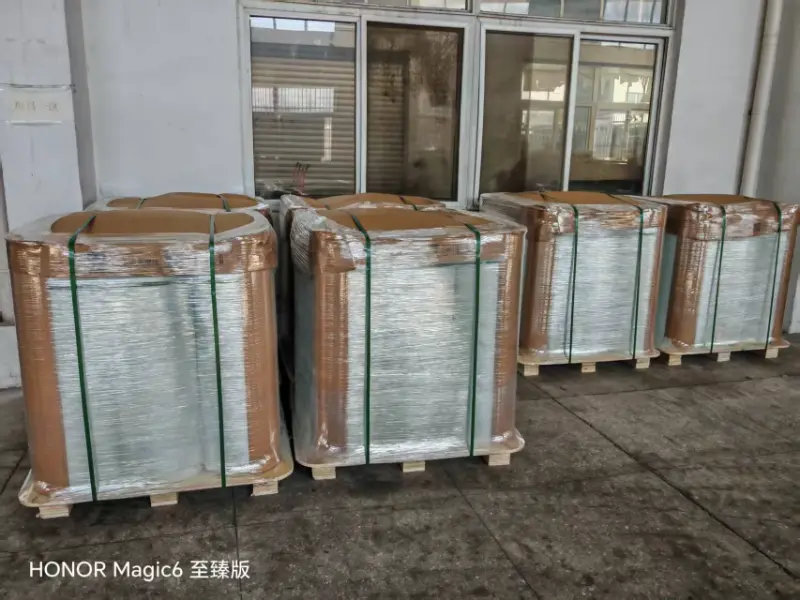
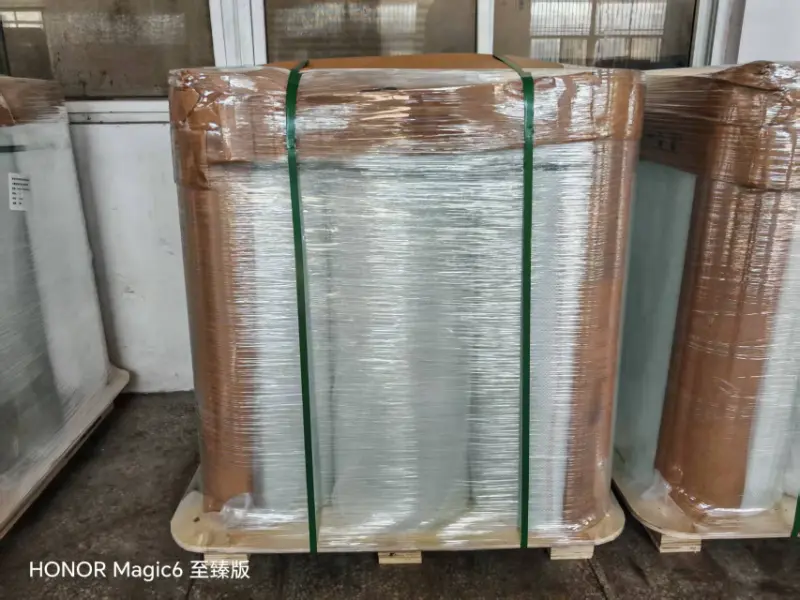
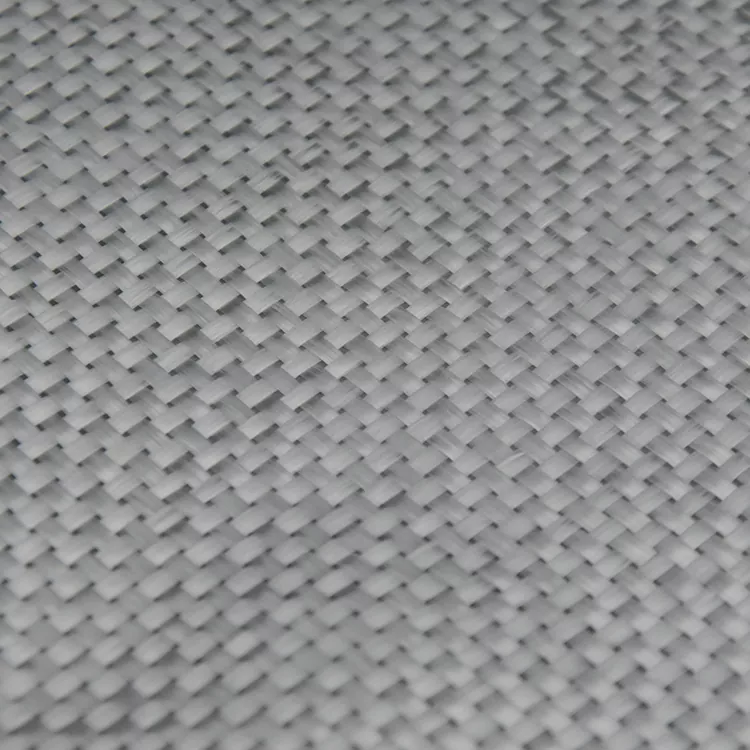
A new shipment of 600g alkali-free fiberglass cloth has been prepared and dispatched in a full truckload to a customer in Anhui, China. The product measures 1000mm in width and is intended for manufacturing composite materials used in industrial safety shoes.
Supplied in a practical roll format, this alkali-free fiberglass cloth provides reinforcement for composite shoe materials that need to balance lightweight construction, compressive strength and durability. The customer selected the 600g × 1000mm specification for its production requirements, with customized roll lengths available to accommodate different processing needs.
Shipment Details: 600g × 1000mm Fiberglass Cloth
This delivery features non-alkali E-glass fiberglass cloth, with an area weight of 600g/m² and a width of 1000mm. The full truckload shipment reflects the customer's material requirements for ongoing composite safety shoe production.
- Product: Alkali-Free Fiberglass Cloth
- Material: E-Glass Fiber
- Area Weight: 600g/m²
- Width: 1000mm
- Roll Length: Customizable according to production requirements
- Destination: Anhui, China
- Application: Composite materials for industrial safety shoes
For manufacturers with specific production line requirements, roll length customization can help coordinate material supply with cutting, feeding and subsequent composite processing operations. Before production, buyers can confirm the required roll dimensions and material specifications to ensure compatibility with their equipment.
Why Use Alkali-Free Fiberglass Cloth in Composite Safety Shoes?
Industrial safety footwear needs to withstand demanding working conditions. In industries such as heavy manufacturing and chemical processing, shoe materials may be exposed to repeated compression, friction, moisture and contact with various substances.
Fiberglass reinforcement can contribute to the mechanical properties of composite shoe materials. When properly combined with a suitable resin or polymer matrix and manufactured according to the intended product design, it can help produce lightweight components with good compressive strength and structural durability.
1. Reinforcement for Compressive Strength
Fiberglass is widely used as a reinforcement material because its fibers can carry loads within a composite structure. In safety footwear manufacturing, the reinforcement layer can help improve the structural strength of selected shoe components, depending on the fiber arrangement, resin system and molding process.
For applications involving protective footwear, the final composite structure should be evaluated under the relevant mechanical and footwear safety tests to confirm that it meets the required performance standards.
2. Lightweight Material for Comfortable Footwear
Weight is an important consideration in industrial safety footwear. Heavy shoes can increase fatigue during long working hours, particularly for workers who spend most of their shifts standing or walking.
Fiberglass-reinforced composite materials provide manufacturers with another option for developing lightweight structural components while maintaining the mechanical properties required by the shoe design.
3. Durability and Resistance to Corrosive Environments
When incorporated into an appropriately formulated composite system, fiberglass reinforcement can support durable components designed for demanding industrial environments. The corrosion resistance of the finished material depends on the resin or polymer matrix, fiber sizing and overall manufacturing process.
This makes fiberglass-reinforced composites worth considering for selected safety footwear applications in heavy industry and chemical-related workplaces.
Custom Roll Lengths for Different Manufacturing Requirements
Fiberglass cloth specifications need to match the processing conditions of the finished product. While area weight and width determine important material characteristics, roll length also affects storage, handling and production planning.
Yuruis supports discussions on customized fiberglass material specifications, allowing customers to communicate their requirements according to their manufacturing processes.
When ordering 600g fiberglass cloth, manufacturers should consider the following factors:
- Area weight: Confirm whether 600g/m² meets the reinforcement requirements of the composite structure.
- Fabric width: Select a width that matches the cutting layout and production equipment.
- Roll length: Customize the length according to material consumption and handling requirements.
- Fiber and resin compatibility: Check whether the fabric sizing is suitable for the selected resin or polymer system.
- Processing conditions: Confirm that the material is compatible with the intended molding and composite manufacturing process.
These details help reduce unnecessary material handling and make it easier to maintain consistency during production.
Yuruis Fiberglass Materials for Industrial Applications
Taizhou Yuruis New Materials Co., Ltd. specializes in the development and production of fiberglass and fiber composite materials. Founded in 2017, the company is based in Taizhou, Jiangsu, China, and supplies reinforcement materials for different industrial and composite manufacturing applications.
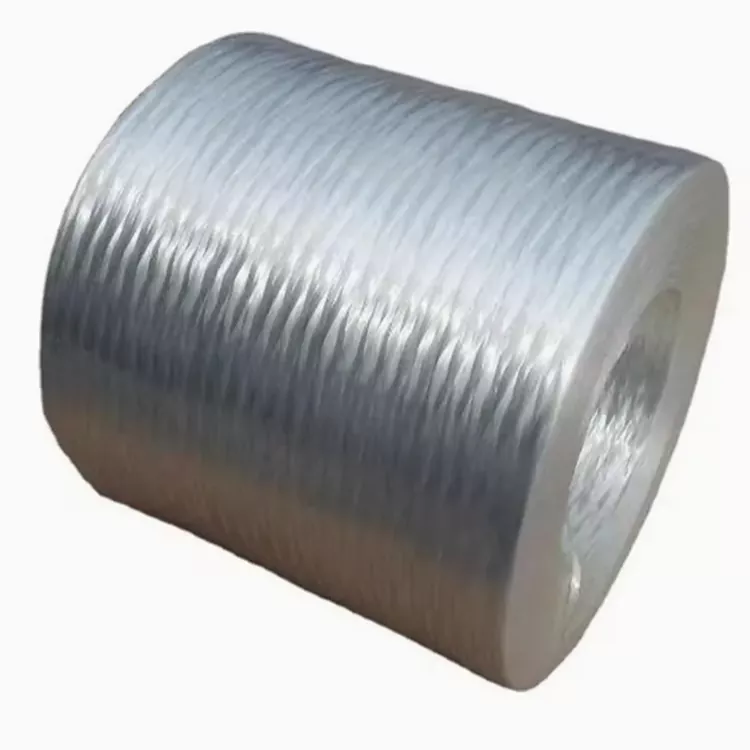
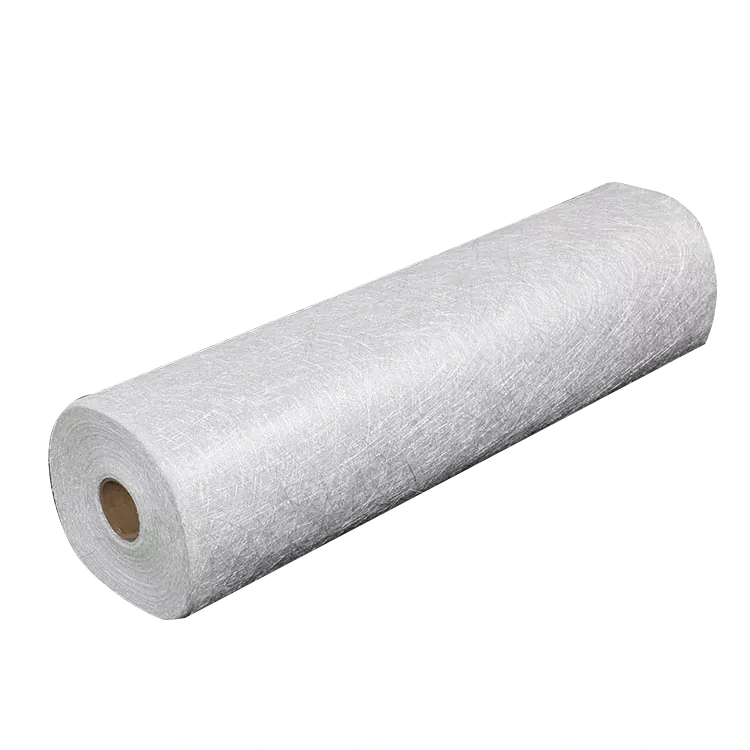
Its fiberglass product range includes fiberglass woven roving, fiberglass yarn, fiberglass surface mat and fiberglass chopped strand mat. Different reinforcement formats serve different roles in composite structures, depending on fiber arrangement, material weight, resin compatibility and manufacturing requirements.
For customers who need alternative reinforcement structures, Yuruis also provides a range of fiberglass materials that can be evaluated according to the intended application and production process.
Reliable Material Supply Starts with the Right Specifications
The shipment of 600g × 1000mm alkali-free fiberglass cloth to Anhui is another example of how fiberglass reinforcement materials support the production of industrial composite products.
For safety footwear manufacturers and composite material processors, selecting the appropriate fiber type, area weight, width and roll length is an important step in achieving consistent production results. The reinforcement material should always be assessed together with the matrix material and final product requirements.
Looking for 600g alkali-free fiberglass cloth or customized fiberglass reinforcement materials? Contact Yuruis with your required specifications, application details and estimated order quantity to discuss a suitable material solution.
Related News
Leave me a message
New Products
News Recommendations